

American men are living longer than ever, yet happiness doesn’t always keep pace. Research tracking U.S. men across decades shows emotional well-being often peaks in midlife, then slowly dips after the late 60s.
The shift isn’t random. Biology, lifestyle changes, and cultural expectations collide and grumpiness becomes the outward signal.
Psychologist Dr. Ronald Kessler explains it best: “Aging doesn’t automatically make men unhappy, but unmanaged physical decline and social loss often express themselves as irritability rather than sadness.”
Testosterone Drops Hit Mood Hard

Testosterone declines about 1% per year after age 30, and by the mid-60s, many men feel the emotional side effects. Lower levels link to irritability, low motivation, and shorter emotional fuses.
What once rolled off the back now sparks annoyance. Men raised to suppress feelings often express that internal shift as bluntness or anger.
Chronic Pain Erodes Patience

Arthritis, joint stiffness, and back pain affect over 50% of American men aged 65 and older. Pain competes for attention all day, draining emotional reserves. When discomfort becomes constant, patience disappears. Snapping becomes easier than explaining.
Sleep Quality Declines

Older men experience lighter, shorter sleep cycles and more nighttime waking. Poor sleep directly affects emotional regulation. Studies show sleep-deprived adults react more intensely to minor stressors.
That short temper at breakfast often traces back to a restless night.
Retirement Removes Identity

Work defined purpose for many boomer men. Retirement removes structure, authority, and daily validation overnight.
Without a replacement sense of meaning, frustration builds. Idle time amplifies negative thoughts, and irritability fills the gap left by purpose.
Financial Anxiety Never Fully Retires

Healthcare costs, inflation, and fear of outliving savings weigh heavily. That quiet stress leaks into daily interactions, tightening emotional bandwidth.
Technology Feels Overwhelming

Digital systems change faster than ever. Apps, passwords, updates, and automation leave many older men feeling incompetent or excluded.
Frustration rises when independence feels threatened by screens and systems they didn’t grow up with.
Social Circles Shrink

Friendships fade after retirement, relocation, or health changes. Men are especially vulnerable because they rely heavily on work-based social networks. Isolation fuels irritability, not reflection.
Save this article
Fewer outlets mean bottled frustration comes out sideways.
Cognitive Slowing Triggers Impatience
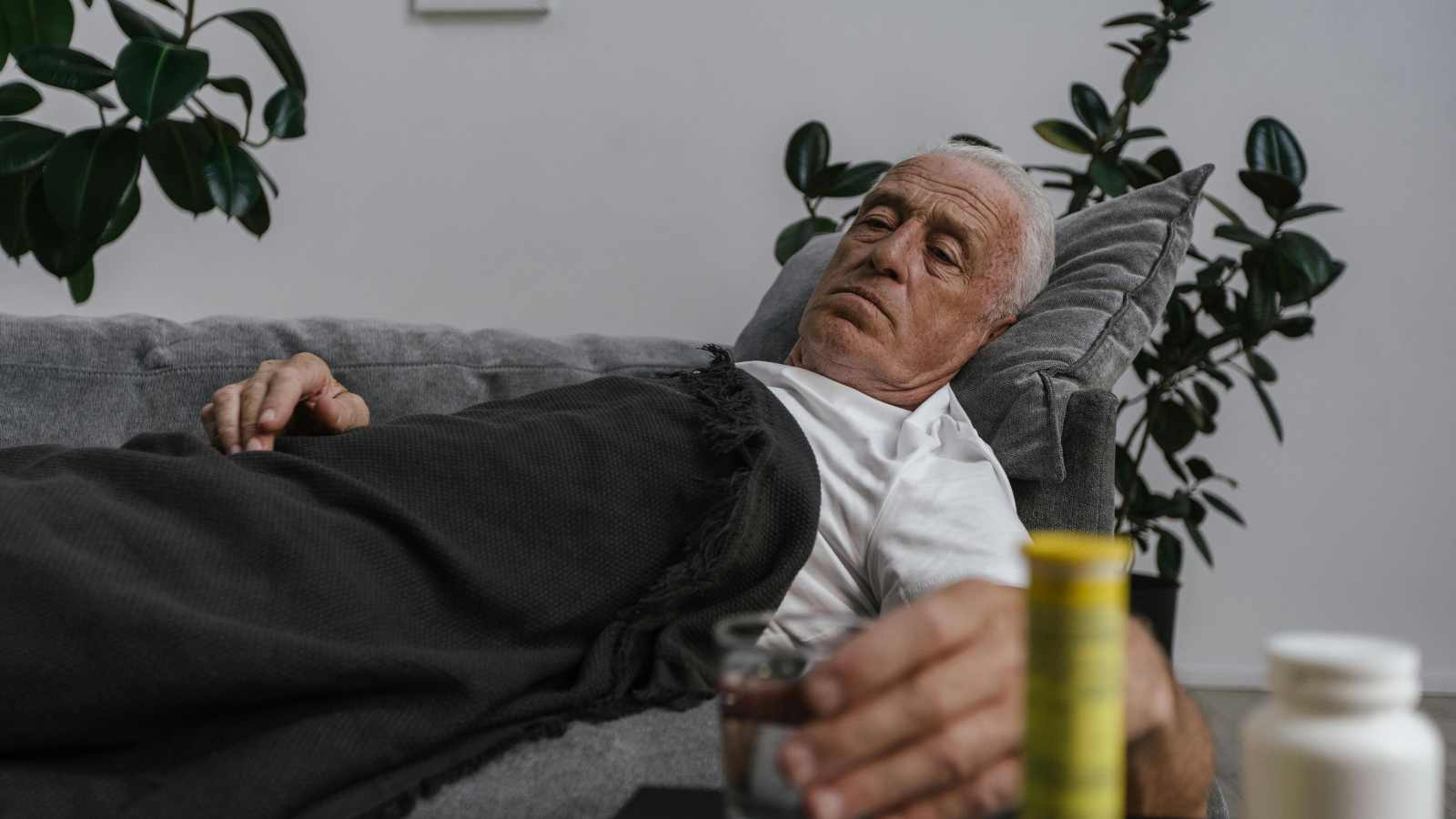
Processing speed slows with age, even in the absence of dementia. Conversations move too fast, and instructions pile up. That mental lag frustrates men who once prided themselves on sharpness and efficiency. Irritation masks insecurity.
Physical Decline Feels Personal

Loss of strength, stamina, and mobility hits pride hard. Tasks once handled easily now require help. That dependence clashes with lifelong expectations of self-reliance, creating resentment and defensiveness.
Mortality Becomes Impossible to Ignore

Friends pass away, doctors talk in probabilities, and time feels limited. That awareness can harden outlooks and reduce tolerance for nonsense. Seriousness replaces playfulness, and bluntness replaces patience.
Chronic Illness Changes Everything

Heart disease, diabetes, and hypertension affect millions of older American men. Managing medications, appointments, and restrictions creates constant background stress.
Emotional fatigue often appears as irritability, not vulnerability.
Medications Affect Mood

Polypharmacy is common after 60. Many medications list mood changes as side effects, including irritability and emotional blunting. Interactions intensify the effect, making temperament shifts feel sudden and confusing.
Key Takeaways
- Grumpiness isn’t personality failure; it often reflects unmanaged physical and emotional stress.
- Men express distress differently, choosing irritation over sadness or fear.
- Support, purpose, movement, sleep, and connection dramatically improve mood at any age.
A grumpy boomer man isn’t necessarily bitter. More often, he’s tired, uncomfortable, uncertain, and unused to asking for help. Understanding the root causes makes patience easier and change possible.
Also on MSN: 10 quiet signs your parent may be approaching life’s final chapter—and how to support them
Disclosure: This article was developed with the assistance of AI and was subsequently reviewed, revised, and approved by our editorial team.
Disclaimer: This list is solely the author’s opinion based on research and publicly available information. It is not intended to be professional advice.
Simple Habits to Recharge Your Mind and Body

10 Simple Habits to Recharge Your Mind and Body
Feeling drained doesn’t always come from significant events like a sleepless night or an intense workout — often, it’s the small daily choices that leave us running on empty. The good news is that science shows simple, consistent habits can help restore balance. From mindful breathing to nourishing foods, these practical routines recharge both mental clarity and physical stamina.
Here are 10 simple habits to recharge your mind and body, backed by research and easy enough to start today.





