
Structural costs disproportionately affect lower-income households, making everyday services significantly more expensive for those with limited resources.
The math of survival in America contains a cruel, hidden glitch that penalizes those who can least afford to pay. While we often hear that saving money is simply a matter of willpower and better budgeting, the reality is that many households are trapped in systems designed to drain them.
This systemic drain acts as a heavy anchor, making it nearly impossible for millions to move forward even when they work multiple jobs. It is a world where being broke is actually one of the most expensive ways to live, filled with predatory traps and “convenience” costs that are anything but helpful.
Here are twelve specific services that the middle class avoids like a plague, but which others rely on just to keep their heads above the rising water.
Renters Insurance From Specialized Providers

While every homeowner should have insurance, low-income renters are often targeted by “specialized” providers that offer high-cost, low-value policies. These plans might seem affordable at a few dollars a month, but they often have so many exclusions that they are practically useless when a disaster actually strikes.
The result is that those who can least afford a loss are often the least well protected when a fire or flood occurs. They pay for a sense of security that is more of a mirage than a real safety net, leaving them vulnerable to a total financial wipeout.
Payday Loans
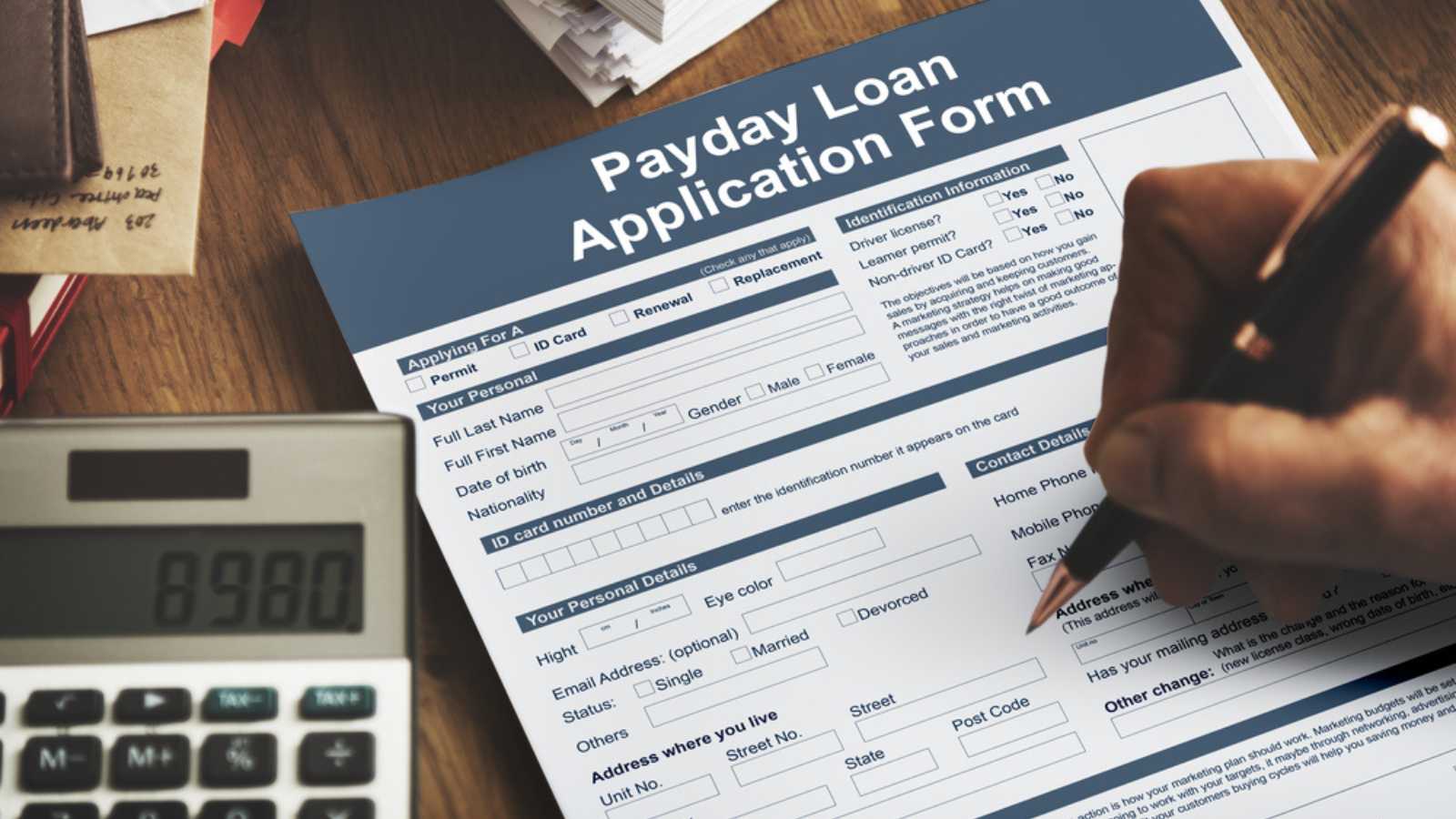
A payday loan is like a financial life raft made of lead; it might keep you afloat for a minute, but it is eventually going to pull you under. While a wealthy person might use a low-interest line of credit or a savings account for an emergency, millions of Americans turn to these short-term lenders when their budget is already on life support.
Consumer finance shows how typical payday loan structures, with fees of 15 dollars per 100 dollars borrowed and rollovers every two weeks, can translate into annual percentage rates near 400%, trapping frequent users in long chains of reborrowing rather than providing real relief.
When you are already juggling bills, that kind of interest turns a small emergency into a long-term crisis that can poison you and make it harder to ever escape debt.
Check Cashing Services

If you have a traditional bank account, cashing a check is a mundane task that costs exactly $0.00. However, for the unbanked, a visit to a check-cashing storefront is a necessary but expensive ritual that quietly taxes each paycheck. It turns a basic step in getting paid into another moment where you lose ground.
Industry analysts project that the U.S. check-cashing market will be worth around $ 14.5 billion by 2026, driven largely by unbanked and underbanked workers who rely on retail and storefront services to access their wages.
For those living paycheck to paycheck, that means part of every dollar they earn is peeled away just to turn paper into spendable cash, before they even walk into a grocery store or pay a single bill.
Rent To Own Furniture

Walking into a showroom and seeing a shiny new sofa for “only twenty dollars a week” can feel like a dream come true for a family with an empty living room. But those weekly payments are a wolf in sheep’s clothing that can lead to paying three times the item’s actual value.
The problem is that if you miss a single payment, the company can often repossess the item, leaving you with nothing after months of paying. It is a service that preys on the desire for a comfortable home and the lack of immediate capital to make a purchase.
Lottery Tickets

For many, a two-dollar lottery ticket is not just a game; it is a tiny, flickering candle of hope in an otherwise dark financial tunnel. When your day-to-day life feels stuck, that one in a million shot at a different future can feel like the only thing you control.
Market research cited by Lottery USA notes that global lottery sales were expected to reach about 346 billion dollars in 2026, fuelled by digital platforms and steady demand even during economic uncertainty.
For low-income players, that means a noticeable slice of already thin budgets is being funneled into a system where the odds are stacked against them, money that could instead help maintain a small emergency fund or cover a week of groceries.
Title Loans

Using your car as collateral for a small loan is a gamble that often ends with the borrower walking to work. A title loan is similar to a payday loan but with even higher stakes, because losing your vehicle usually means losing your ability to earn a living. For someone in a rural area or with odd hours, the risk is enormous.
Research shows that over half of payday borrowers default on their first loan or after repeatedly rolling it over, and those defaults can trigger additional bank fees, closed accounts, and collection actions.
When a car title is on the line, a similar default can lead to instant repossession, cutting off someone’s primary means of getting to work, school, or the grocery store and turning a short-term fix into a disaster that undermines their finances.
Save this article
Subprime Auto Financing
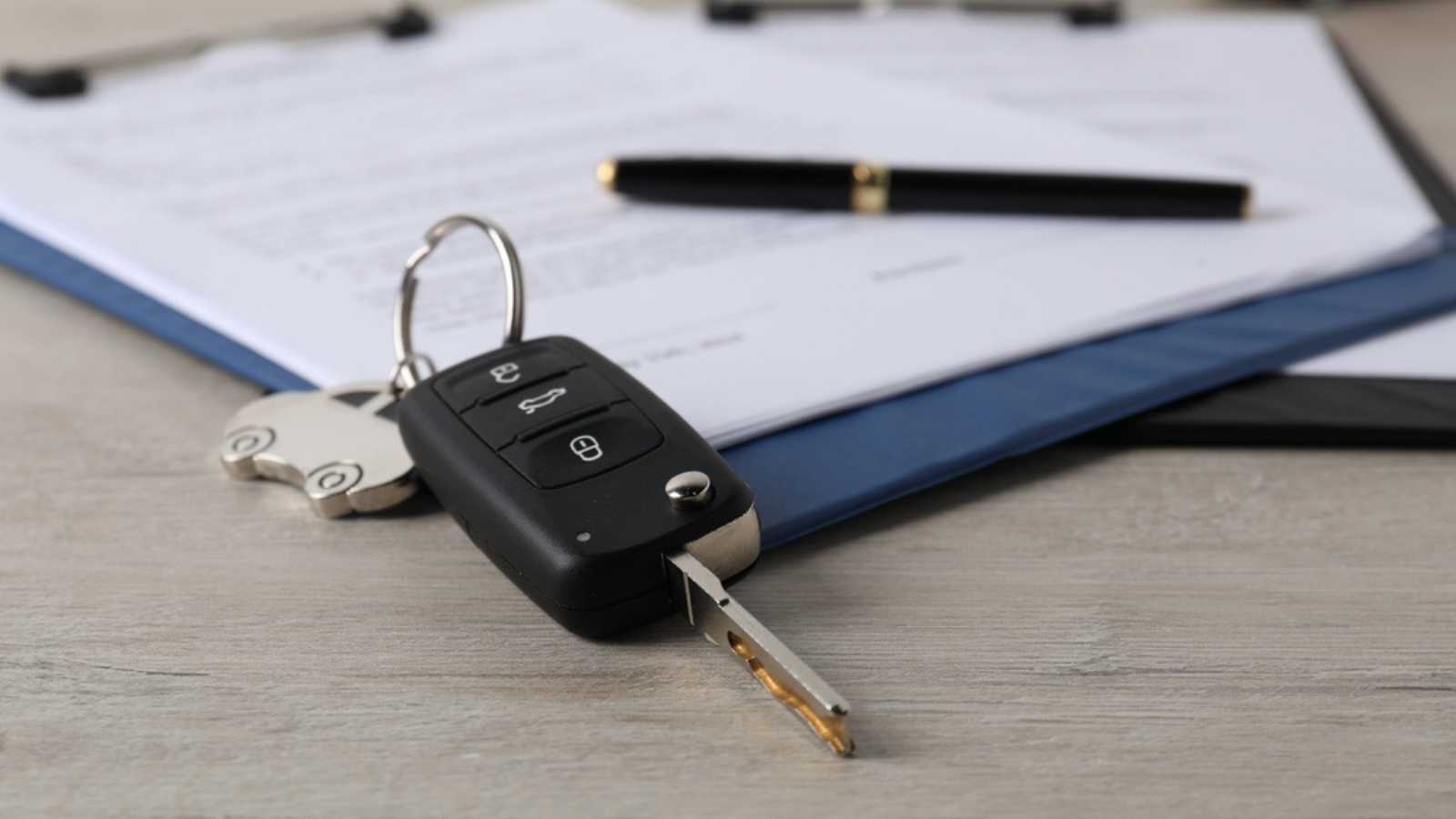
Buying a car with poor credit is like trying to run a race with a heavy backpack; you might reach the finish line, but it will be much harder. Subprime auto lenders target those who cannot qualify for traditional bank loans, often charging interest rates that double or triple the standard rate.
Advocates who track predatory lending report that abusive credit products, including high-cost auto loans, strip roughly 25 billion dollars a year from American borrowers, and these products cluster heavily in lower-income and minority communities.
Those extra finance charges quietly erode any chance of building savings, making it even harder to repair the car, move to a better neighborhood, or plan for long-term goals.
Prepaid Debit Card Fees

For those who cannot maintain the minimum balance for a “free” checking account, a prepaid debit card often feels like the only alternative. It promises simple access to money without credit checks or the fear of overdrafts. Unfortunately, the true cost of that convenience is usually buried in the fine print.
Many prepaid cards charge fees for reloading cash, checking balances, using out-of-network ATMs, or leaving the card inactive, and consumer guides warn that these seemingly small fees can easily add up to hundreds of dollars a year for frequent users.
While middle-class households might earn rewards on their accounts, prepaid users see their limited funds chipped away by these charges, forcing them into even tighter budgeting decisions every single month.
Overdraft Protection Fees

It is a bitter irony that the people with the least money in their accounts are the ones who pay the most to the banks. Overdraft fees are essentially a high-interest loan for people who have temporarily run out of cash, often triggered by a small purchase like a cup of coffee.
While the wealthy rarely see these charges, banks collect billions of dollars a year from those who are struggling to keep their balance in the black. A single mistake at the grocery store can lead to a cascade of overdraft fees if several small payments clear on the same day, turning a handful of everyday purchases into a punishing string of penalties.
Coin Counting Machines
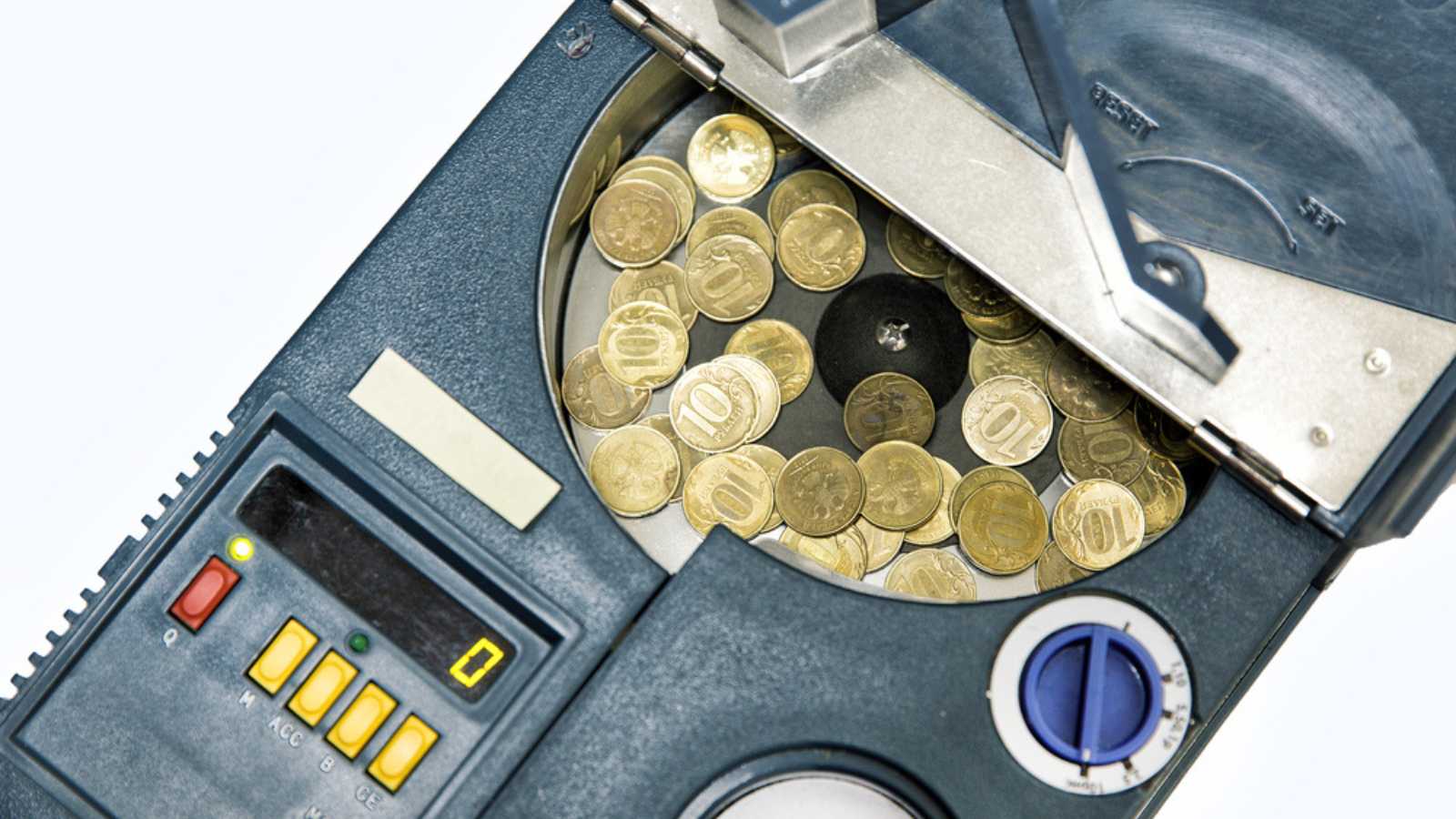
If you have ever seen someone dumping a jar of nickels into a machine at the store, you are looking at someone paying a convenience fee just to use their own money. While a wealthy person might take their change to a bank where it is counted for free, those without a bank account are stuck with retail machines that skim off the top.
Guides on Coinstar fees and similar services note that standard cash payouts can incur fees approaching 12% of the total coins counted, unless you opt for store credit or specific gift cards.
When every cent counts, that kind of haircut on your spare change is not a minor inconvenience; it is a clear example of how small, recurring costs quietly nibble away at a person’s financial stability over time.
Laundromat Services

Having a washer and dryer in your home is a major time- and money-saver that most middle-class people take completely for granted. For those living in low-rent apartments without hookups, the laundromat is an expensive and time-consuming weekly necessity.
Between the cost of washers, dryers, detergent, and transportation, a single person can easily spend $20 a week just to have clean clothes for work. This is a recurring expense that never ends and offers no long-term benefit or equity to the person paying it.
Buy Here Pay Here Car Lots
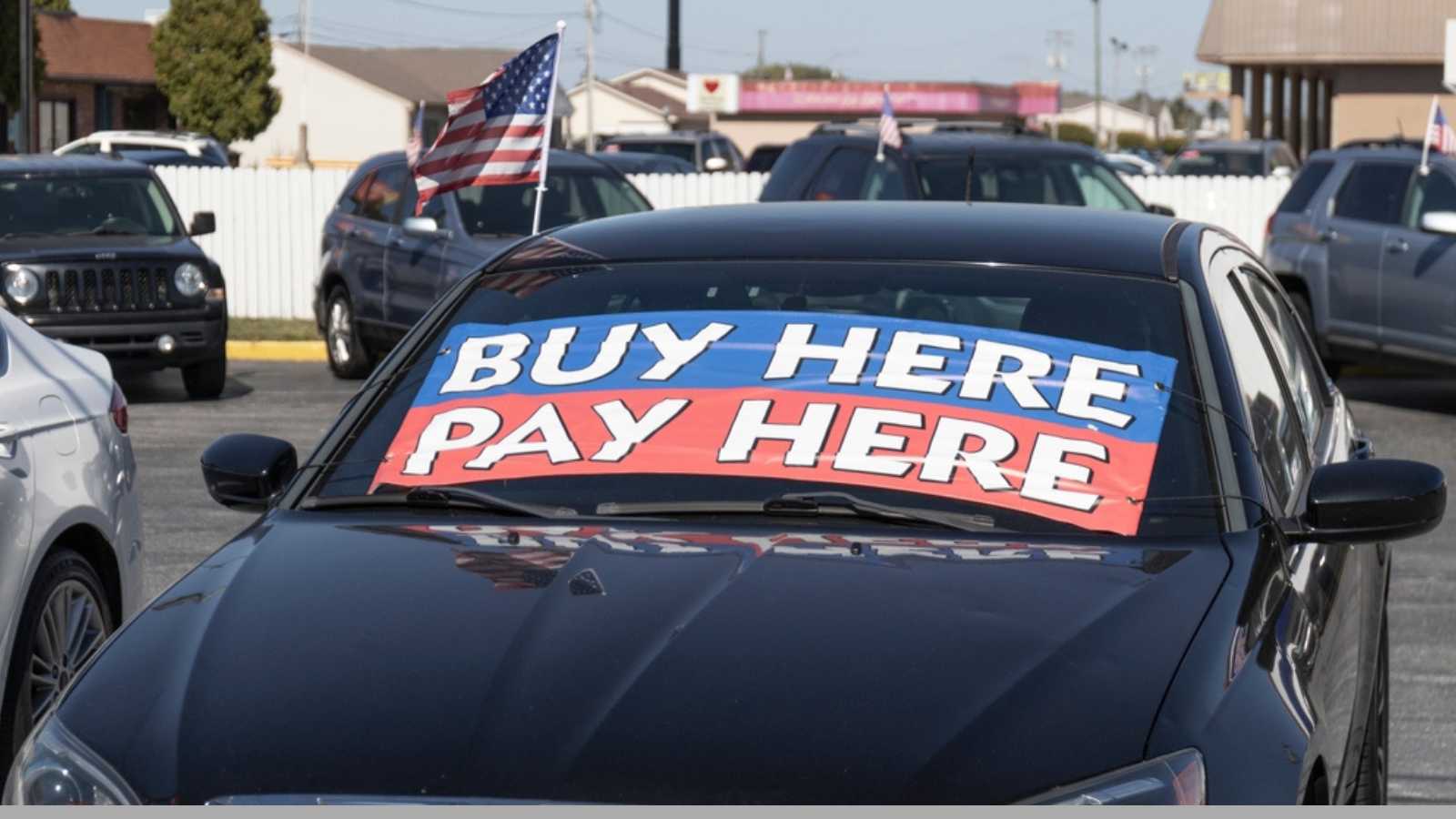
These car dealerships are often the last resort for someone who needs a vehicle but has a credit score that is deep in the basement. Unlike traditional dealers, they provide the financing themselves and often install GPS trackers or “kill switches” that disable the car if a payment is late.
The interest rates on these lots can be astronomical, often reaching the state’s legal limit, and vehicles are frequently sold for far more than their true value. While a wealthy buyer enjoys a smooth transaction and a reliable warranty, a “buy here pay here” customer is often stuck with a lemon and a debt they will never fully repay.
Key Takeaway

The “cost of being poor” is a real and systemic issue that prevents millions of hardworking people from reaching their full potential. By understanding these twelve services and the predatory nature of the systems behind them, we can begin to advocate for better financial protections and more accessible banking for everyone.
Disclaimer: This list is solely the author’s opinion based on research and publicly available information. It is not intended to be professional advice.
Like our content? Be sure to follow us





