
Driving represents independence for many older adults, especially those in the Baby Boomer generation, but there comes a point when safety has to take priority. Age-related changes in vision, reaction time, and cognitive processing can gradually make driving more risky.
According to the Centers for Disease Control and Prevention, drivers aged 70 and older have higher crash death rates per mile driven than most middle-aged groups. This highlights how subtle declines can translate into real danger on the road.
The challenge is that these changes often happen slowly, making them easy to overlook or dismiss. Small warning signs such as missed turns, slower responses, or increased anxiety behind the wheel can build over time.
Recognizing when driving is no longer safe is not about losing freedom. It is about protecting both the driver and everyone else on the road before a preventable accident occurs.
Fenders keep finding trouble
The National Safety Council reports that traffic deaths involving people 65 and older have climbed 40 percent over the last decade. That rise outpaced the growth in the older population. For one driver, the first clue may be small.
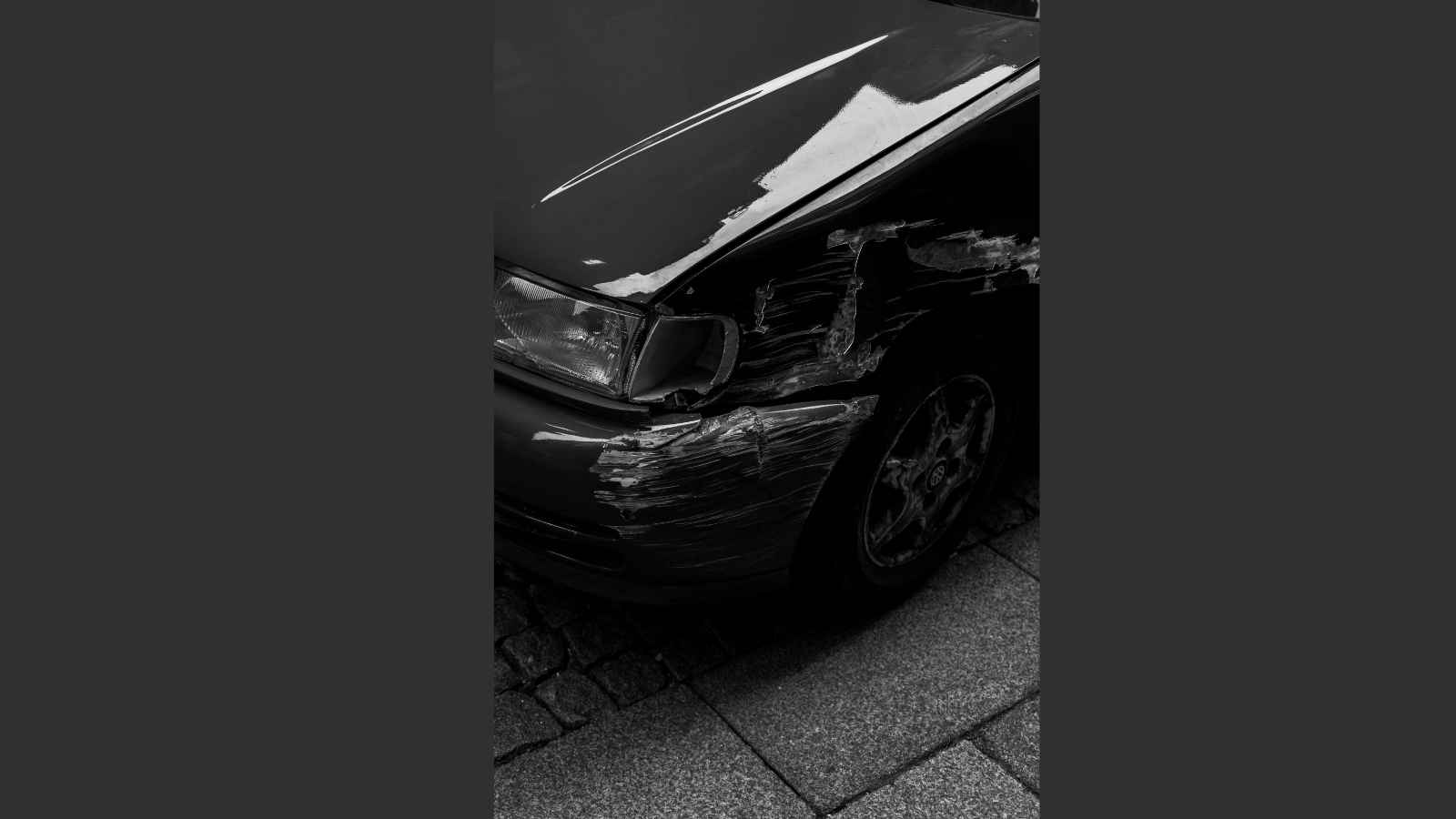
New scrapes on the bumper. Dings on the mailbox. A mirror that “someone must have hit in the parking lot.”
The patterns matter more than the excuses. A parking lot tap here. A mailbox there. A curb that jumps out on Tuesday.
When these tiny collisions start to cluster, they tell a quieter story. Reflexes are softening. Situational awareness is thinning at the edges. The car is starting to keep score in paint.
Lane lines become suggestions
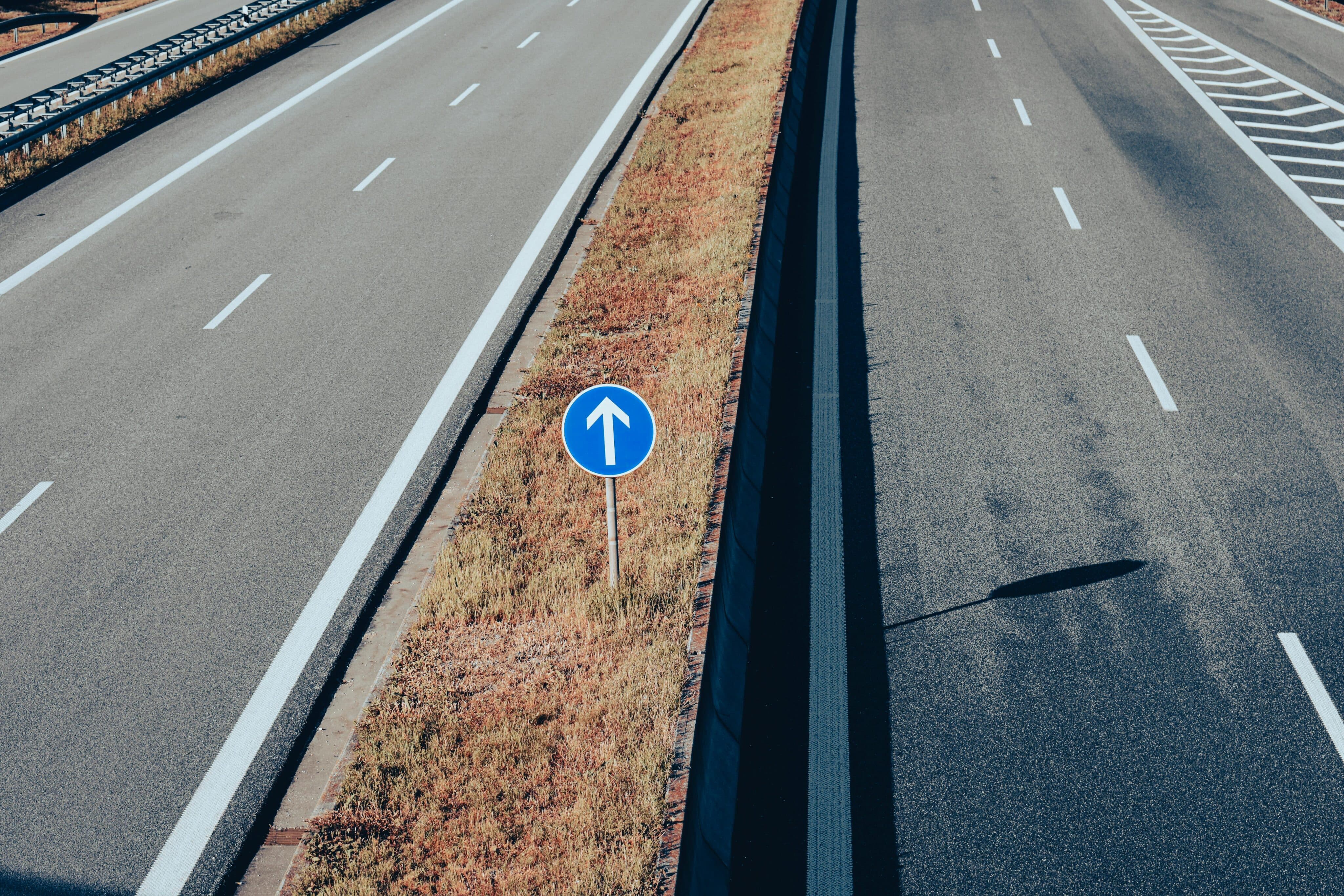
Care centers that coach families about unsafe driving list lane drift as one of the core red flags. Tires that kiss the center line.
A car that wanders toward the shoulder. Signals forgotten until other drivers honk. These details rarely appear overnight. They creep in. Almost invisibly.
Drifting can reflect slower reaction times, neck stiffness, or simple fatigue. It can also hint at early cognitive change. When focus no longer holds steady, the straightest road demands more effort.
The steering wheel feels heavier. The mind feels cluttered. The painted lines lose their authority. They become soft hints instead of firm guides.
Intersections start to feel like ambushes
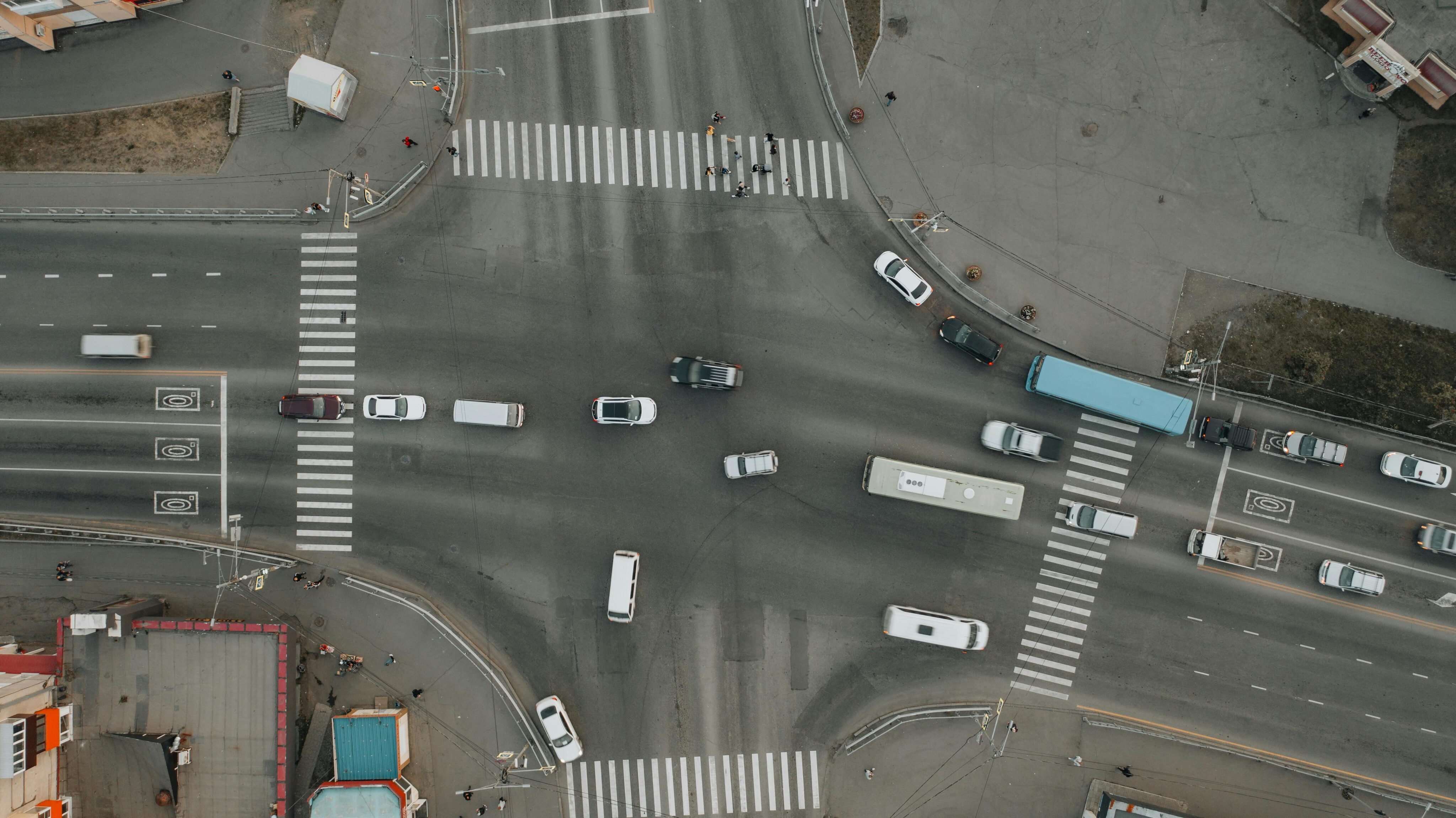
A 2021 paper in Innovation in Aging found that older drivers are overrepresented in intersection crashes. Left turns were a special problem.
For drivers 75 and older, about 61 percent of their collisions were left‑turn crashes in those urban sites. That is a sharp tilt toward one type of mistake.
Intersections compress demands. Judging gaps. Tracking signals. Reading oncoming speed.
When vision, neck movement, or processing speed slips, that compression becomes too much. The driver hesitates. Or lunges. Or freezes in the middle of the crossroad.
If every left turn now feels like a small act of bravery, the road may be sending a message.
Familiar routes start to feel foreign
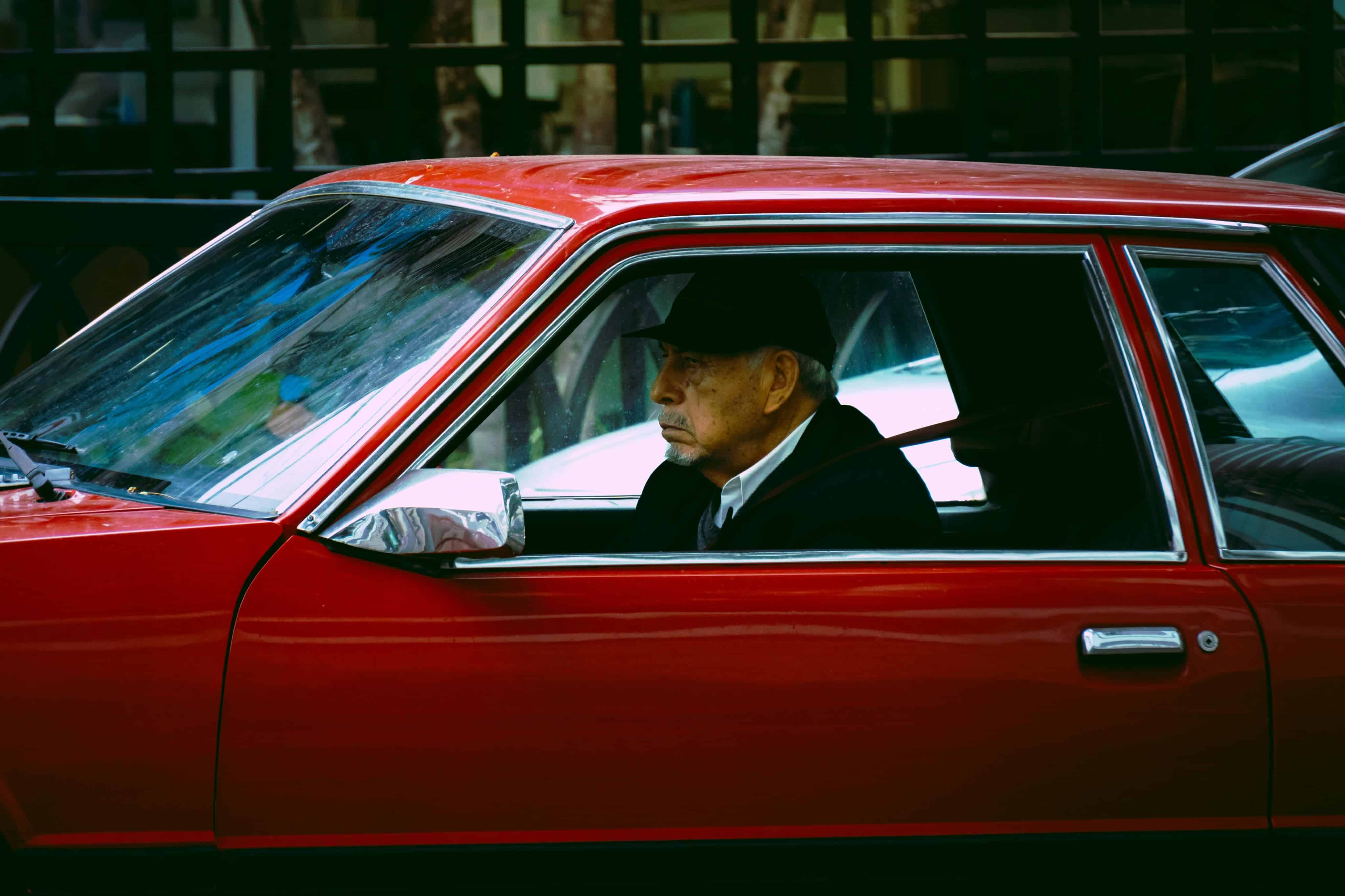
The Alzheimer’s Association lists “forgetting how to locate familiar places” as a warning sign that someone may no longer be safe to drive. Getting lost on the way to a grocery store that you’ve used for twenty years is not normal aging.
It is a crack in the mental map. One that deserves attention, not a shrug.
Confusion may also show up in late arrivals from simple errands. The same list notes drivers who come home much later than expected from routine trips. They may circle. Miss turns. Or sit parked, trying to recall why they left the house. The car gets them home. The story they tell afterward may downplay the fear they felt along the way.
Traffic signs turn into background noise
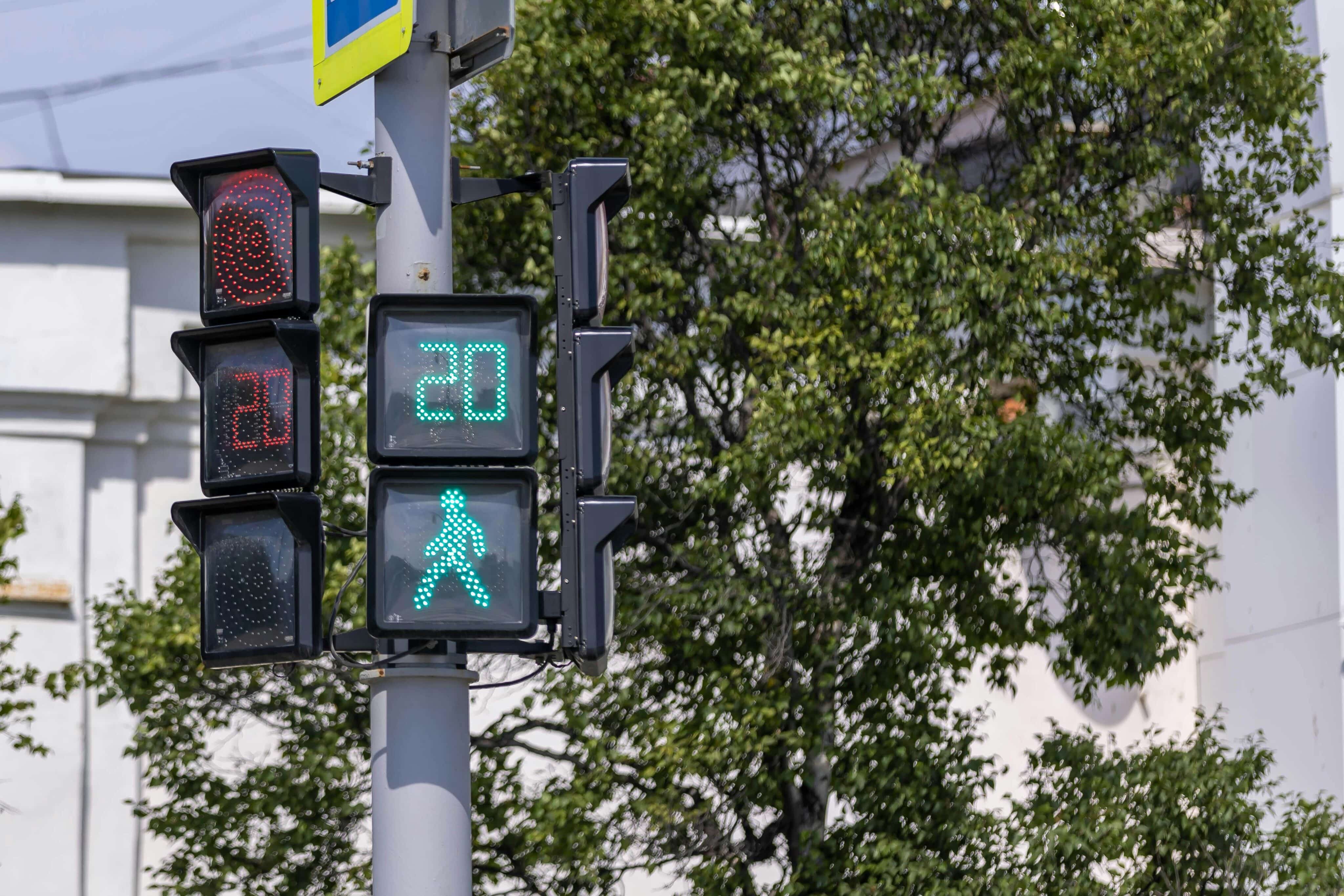
In its safety guidance, the Alzheimer’s Association highlights “failing to observe traffic signs” and “making slow or poor decisions in traffic.” That can look like rolling through stop signs. Missing yield signs. Or braking too late at red lights. Not once in a blue moon. Again and again. On ordinary days.
Sometimes the problem is vision. Sometimes attention. Sometimes both. A driver who once scanned quickly now needs more time to process a busy scene. The brain prioritizes the biggest threats and drops the smaller cues.
A speed limit sign blurs into the scenery. A crosswalk line goes unseen. The law is still printed in reflective paint. It just no longer lands clearly in the mind.
The dashboard becomes a battlefield
Medication use rises steeply with age. A 2020 paper in Accident Analysis and Prevention found that certain central nervous system drugs were associated with riskier driving behaviors among older adults.
More medications also meant more problems behind the wheel. This is polypharmacy with a steering wheel attached.
Save this article
Drowsiness from a pain pill. Dizziness from a blood pressure change. Blurred vision from eye drops. Each side effect rides shotgun. Few older drivers connect that fog to yesterday’s prescription refill. They just feel “off.”
If a driver is taking many drugs and suddenly braking late, missing exits, or snapping at small surprises, the pillbox may be speaking through the pedals.
Night roads turn into black mirrors
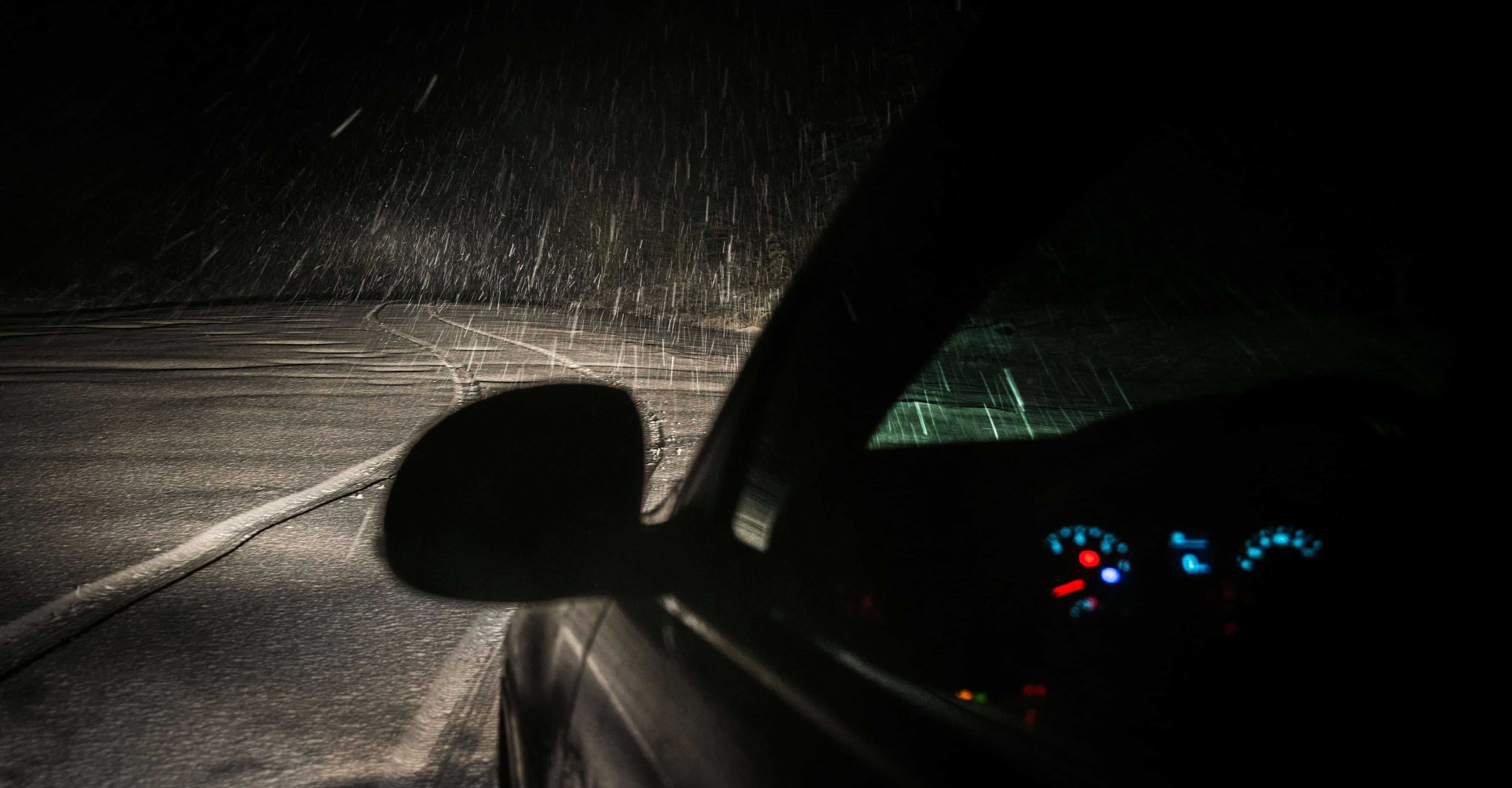
Aging eyes struggle more in low light. Cataracts and contrast sensitivity loss make glare harsher. A landmark study in Investigative Ophthalmology & Visual Science reported that severe contrast sensitivity problems, often from cataracts, multiplied at‑fault crash risk in older drivers. Even issues in one eye mattered.
For the driver, this translates into starburst halos, smeared headlights, and fear of rain‑slick streets after dusk. So they avoid night trips. Or they grip the wheel so hard their hands ache.
They may insist that daytime driving is still fine. That may be true. But if the dark now feels like an enemy, it signals a vision that can no longer shoulder the full 24‑hour load.
The body can no longer follow the mind
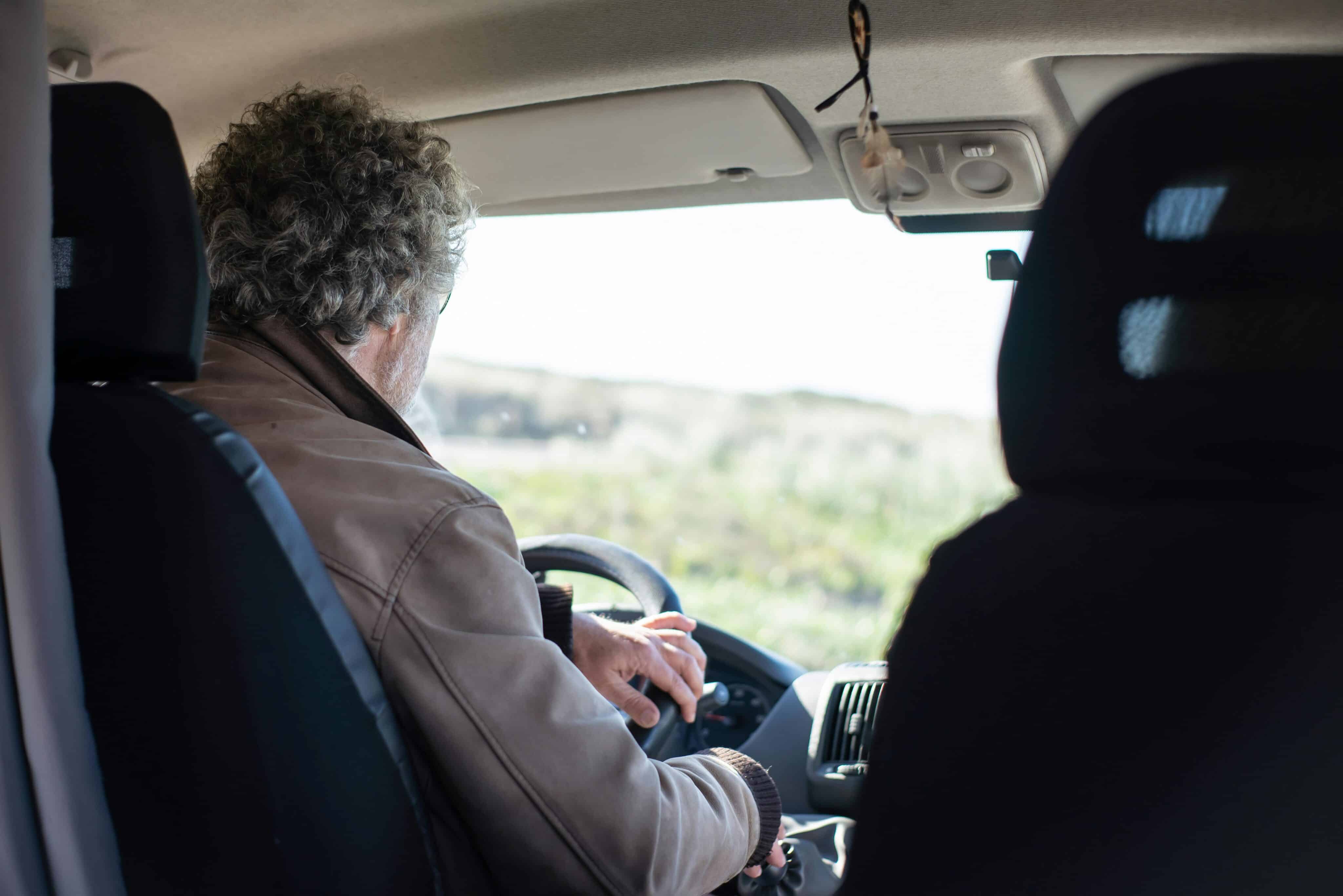
Warning lists for unsafe senior driving often mention neck stiffness and trouble turning to check blind spots. Arthritis, joint pain, and slower reflexes make quick head checks hard.
Shoulder checks turn into mirror glances. Mirror glances turn into guesses. A lane change becomes a gamble taken on faith.
Frailty adds another layer. A National Institutes of Health review on frailty and injury causation linked physical frailty in adults over 55 with greater vulnerability in crashes, even at lower impact speeds.
The issue is not just avoiding collisions. It is surviving them. When bones thin and muscles weaken, a “minor” crash for a younger driver can be life‑altering for an older one.
Sleepy eyes at the wheel
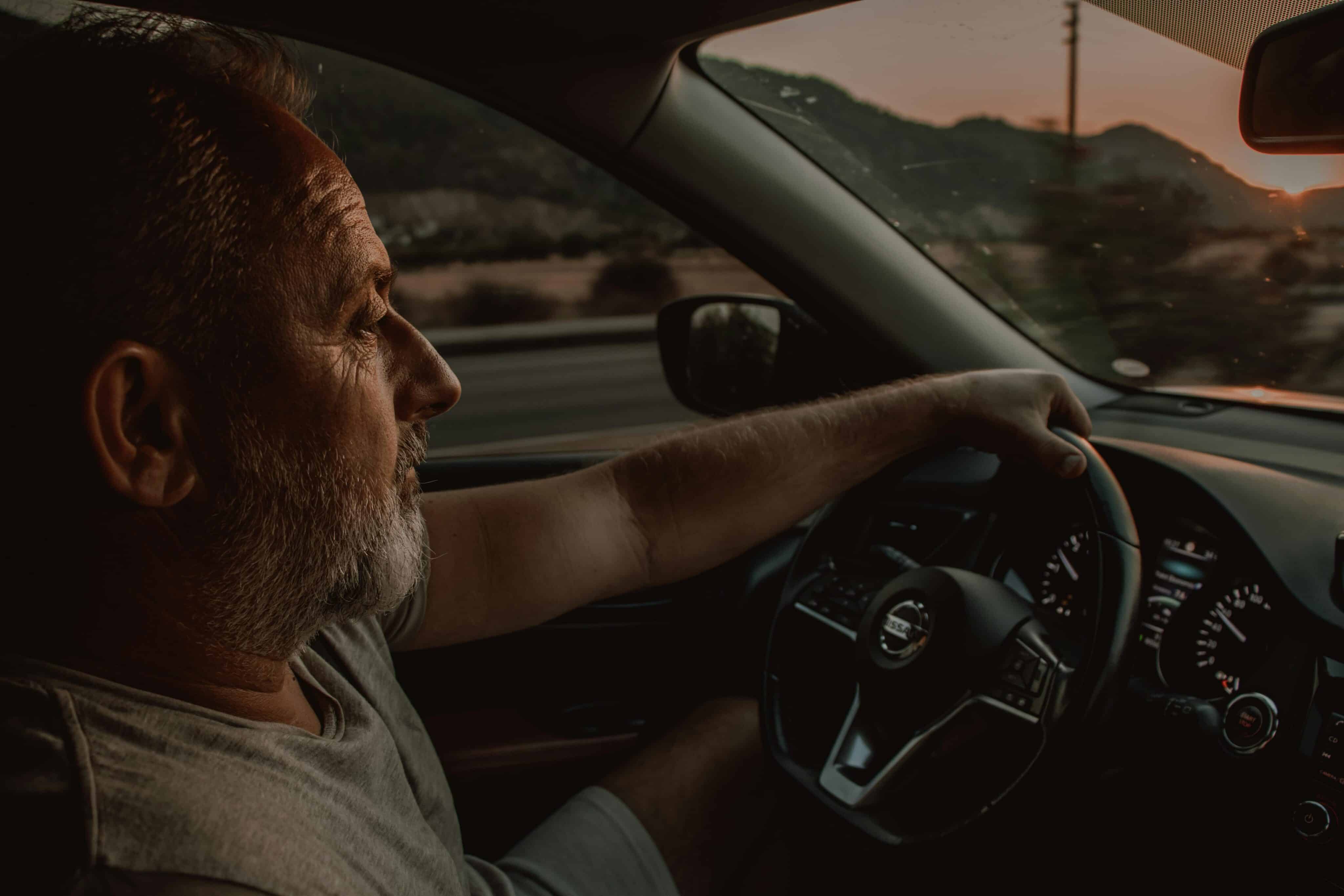
The American Academy of Sleep Medicine reported that people with untreated obstructive sleep apnea were nearly 2.5 times more likely to be drivers in motor vehicle crashes. Many older adults live with undiagnosed apnea.
They chalk up their fatigue to aging. Then they nod off at red lights. Or blank out stretches of highway.
Sleep labs have also found that treating apnea with CPAP cuts crash incidence by about 70 percent in that study. That is a huge safety swing. Yet few primary care appointments link snoring and near‑misses in traffic.
If an older Boomer driver battles heavy eyelids, drifts during long drives, or cannot recall parts of a trip, sleep medicine deserves a place in the driving conversation. Not just lectures about being “more careful.”
Tickets and close calls start to pile up
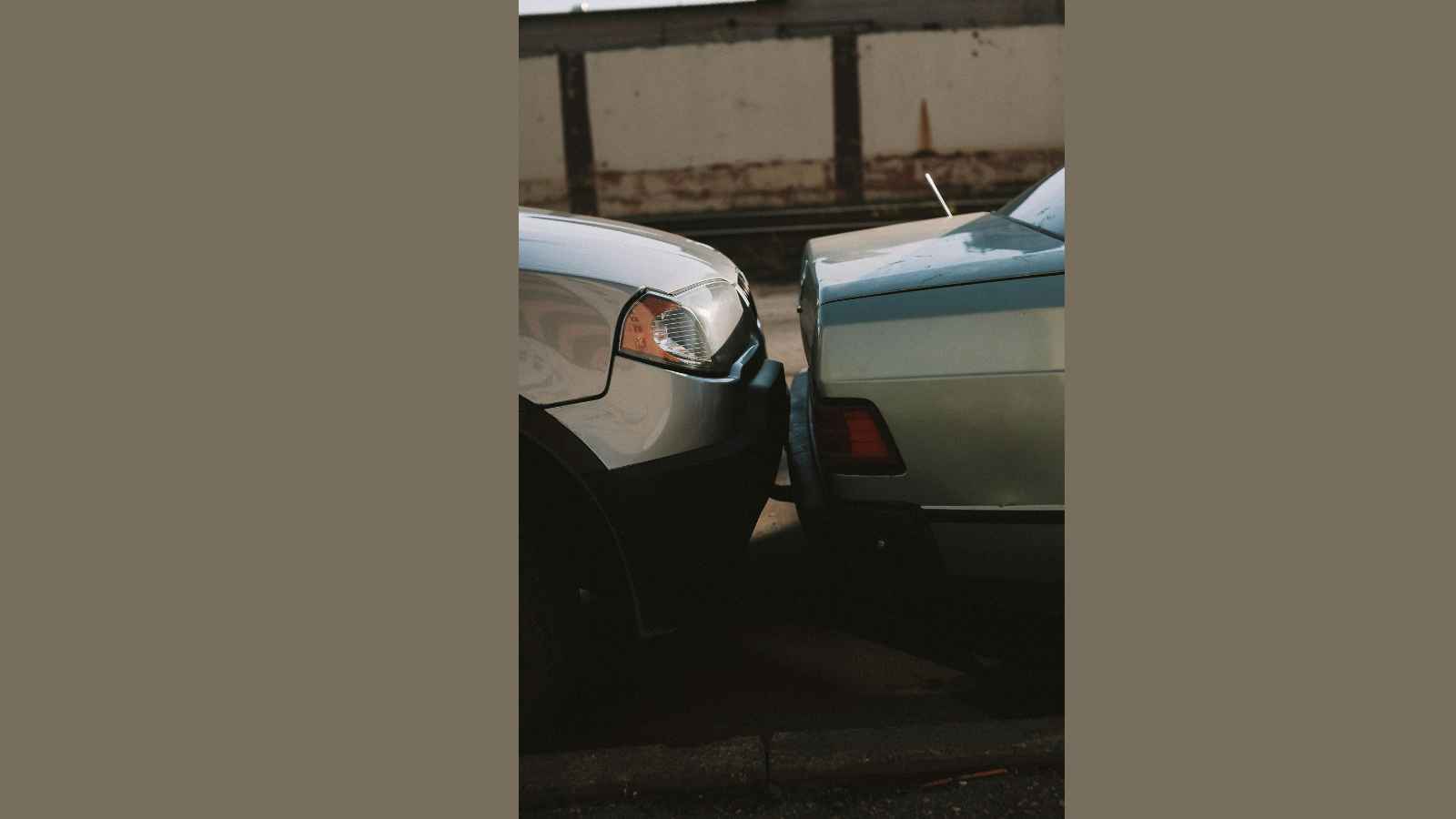
Caregiver guides flag a cluster of minor traffic citations as a classic warning sign. A speeding ticket here. A failure‑to‑yield there. Two or more in a short span.
The paper trail hints at a shift from once‑off error to a new normal. The law has started to notice what the family senses. Something changed.
Near‑misses tell a subtler story. Scraped curbs. Sudden brakes that jolt passengers. Horns from cars with the right of way. None of these go into official databases.
They live in the nervous system of whoever sat in the passenger seat. If those passengers now hesitate when offered a ride, their bodies may be acknowledging a risk the driver refuses to name.
Passengers quietly stop asking for rides

National Safety Council data show that more than half of motor‑vehicle deaths involving adults 65 and older are the older drivers themselves. Yet the fear in many families sits with passengers. Grandchildren. Spouses. Friends from church.
They stop requesting lifts. They ride only when they must. They joke about the “wild driving” that no longer feels funny.
Social life then begins to warp around the car. Invitations are declined because no one wants to argue over who drives home in the dark. Grandkids see their grandparents less.
Not due to lack of love. Due to a lack of trust in the route between houses. When a driver notices that carpool offers are met with polite refusals, that social flinch can be as telling as any ticket.
The car becomes a stubborn symbol, not a tool
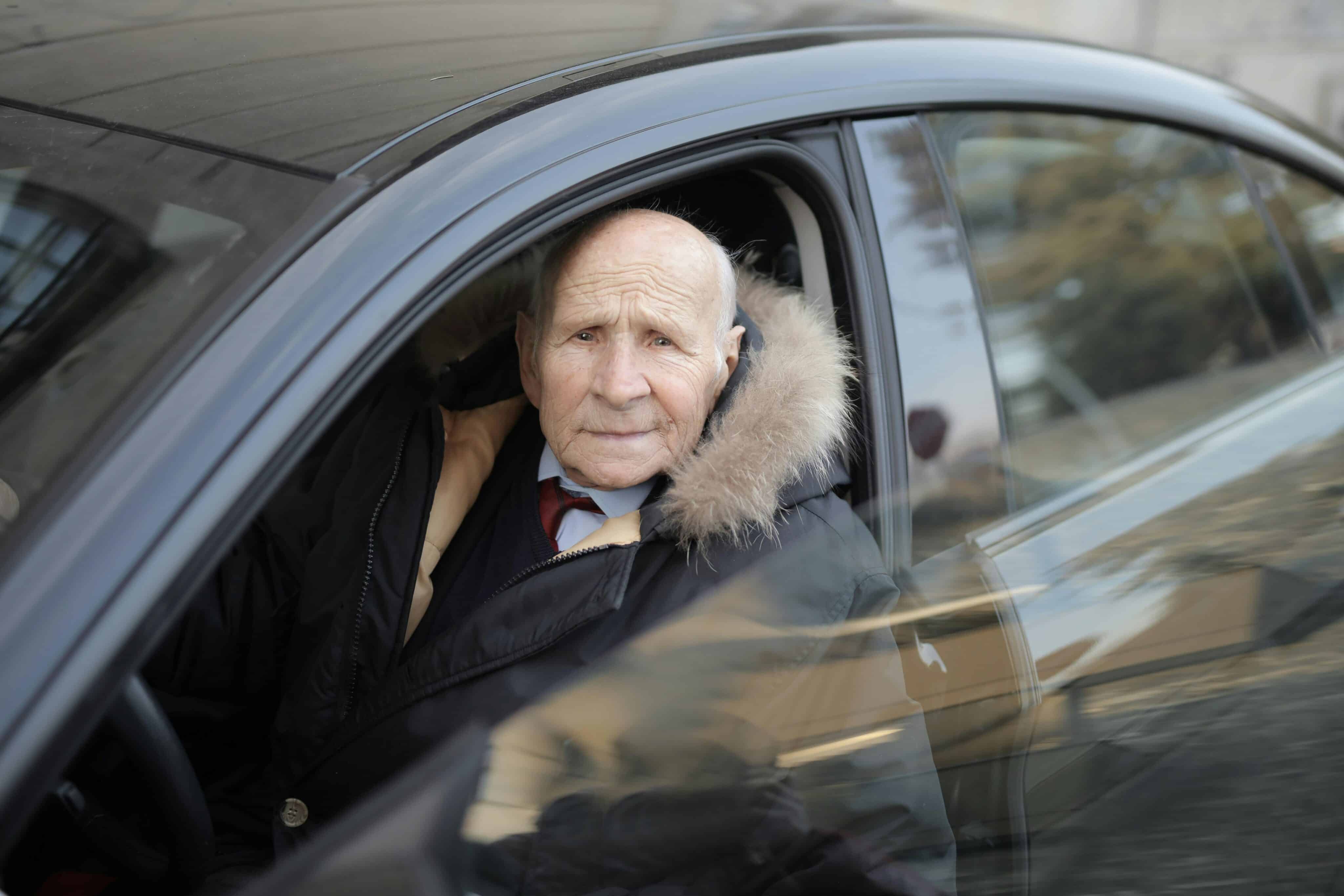
The Insurance Institute for Highway Safety has warned that many older adults hold on to a single “retirement vehicle” for years, often smaller and with fewer modern safety features. Those cars may lack advanced braking or lane‑keeping systems that could compensate for slower reaction times. Sentimental value outlasts safety.
AARP driver safety programs report that after training, 97 percent of participants changed at least one key driving behavior. They checked blind spots more. Left more following distance. But not everyone takes that class.
For some Boomers, the car is proof of independence. Giving it up feels like surrender. When the vehicle becomes a shrine to youth instead of a practical way to get groceries, hard conversations are overdue. The key is no longer just metal. It is identity.
Disclaimer – This list is solely the author’s opinion based on research and publicly available information. It is not intended to be professional advice.
Like our content? Be sure to follow us





