

Most dogs don’t protect their humans with teeth and growls, but with small, constant choices that often go unnoticed.
Have you ever wondered if your furry best friend is actually your personal bodyguard in disguise? Many of the quirks we think are just cute habits are actually deep-seated instincts designed to keep you safe from harm. It turns out that your four-legged companion is constantly monitoring the environment, watching for threats, and ensuring their favorite human is secure.
We often misinterpret these protective behaviors as clinginess or random bursts of energy. Understanding these subtle cues can deepen your bond and help you appreciate the complex job your dog performs every single day. From sleeping arrangements to how they greet strangers, here are the clear signs your pup is on duty.
Sleeping In Your Bed
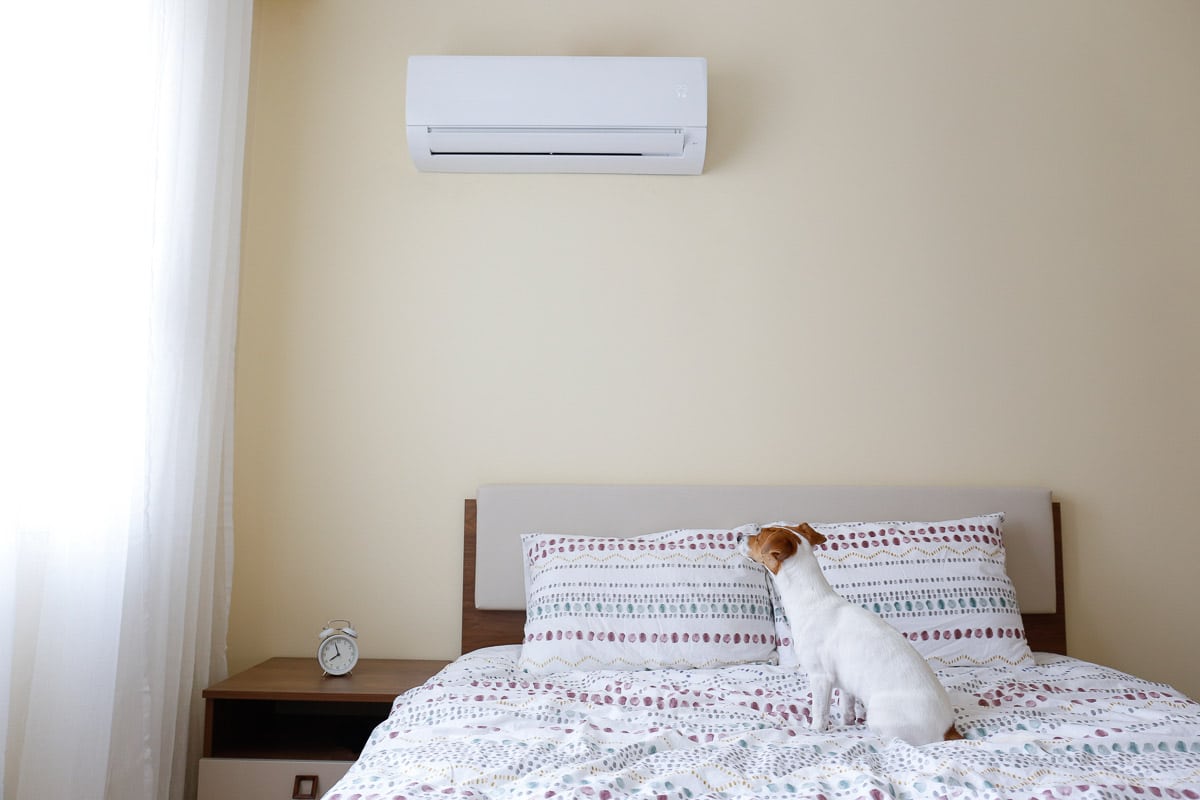
You might assume your dog hogs the covers just because they want to be close to you and stay comfortable and warm. In reality, sleeping in close proximity is an ancient pack behavior designed to provide security during the pack’s most vulnerable hours. By pressing against you, they can instantly alert you to any unusual sounds or movements in the night.
This guarding instinct offers real comfort to pet parents across the country. The American Kennel Club says you might even get a better sleep when your dog sleeps right beside you through the night. Your pup is not just a bed warmer; they are your night watchman.
The Lean

When your dog presses their weight against your legs, it is often more than just a request for head scratches. This physical contact allows them to monitor your emotional state and immediate safety without needing to look at you. It is a way of saying “I am right here” while facing outward to watch for potential trouble.
This behavior frequently happens in new environments or when strangers are present. By leaning on you, your dog establishes a physical boundary that signals to others that you are claimed and under their watchful supervision. It is a silent, comforting signal that they have got your back literally and figuratively.
Standing Between You And Others

You may have noticed your dog casually positioning themselves between you and a guest or another animal. This is a classic blocking maneuver used to create a buffer zone until your dog decides the newcomer is safe. It is not necessarily aggression; it is a calculated management of personal space to prevent any surprise approaches.
This creates a safety bubble that gives you time to react if things go south. According to a 2024 report by the Kennel Club, 71% of owners say their dog helps relieve anxiety, partly because of these reassuring physical barriers. Your dog is essentially acting as a furry velvet rope at a club.
Intense Eye Contact

A dog that stares at you is not always begging for a treat or a walk around the block. They are often checking in to read your body language and assess whether you are comfortable in your current situation. This visual check-in allows them to synchronize their mood with yours and react instantly if you show signs of fear.
This connection goes both ways and strengthens the chemical bond between you. Scientific research shows that sustained eye contact triggers the release of oxytocin, the “love hormone,” which reinforces their desire to protect and care for you. They are watching you to make sure you are okay and looking for cues on how to act.
Perimeter Checks

If your dog paces around the house or yard before settling down, they are not just being restless. They are performing a perimeter check to ensure there are no intruders or anomalies in their territory before they can relax. This patrol behavior is common in herding and guarding breeds that take their job very seriously.
They are systematically clearing the area so you can relax without worry. Dogs look out for incidents that cause concern, highlighting their natural drive to respond to environmental triggers. Your dog wants to be absolutely sure the coast is clear.
Sitting On Your Feet

This behavior serves a dual purpose of ownership and rapid response. By sitting on your feet, your dog can feel exactly when you move, allowing them to follow you instantly if you decide to leave. It also claims you as its property in front of other dogs or people nearby.
It is a very grounding gesture that keeps them connected to your every move. Recent statistics 415 from Pet Shell note that dogs can hear frequencies up to 65,000 Hz, meaning they detect threats long before you do. Sitting on your feet keeps them physically alert so they can warn you the moment their superior senses detect danger.
Following You Everywhere

Having a “velcro dog” who follows you to the bathroom might seem like a lack of boundaries. However, in their mind, leaving you alone in a vulnerable, closed-off room is a security risk they are not willing to take. They are shadowing you to ensure your safety as you move from one territory to another within the home.
This constant companionship is a sign they view you as a high-value asset worth guarding. According to UK Pet Food’s 2024 data, 39% of owners confirm their pet benefits the family’s overall mental health, largely due to this constant, reassuring presence. You are never truly alone when you have a dedicated canine bodyguard.
Barking At The Door

While it can be annoying, barking at the doorbell is your dog’s primary way of alerting the pack to a potential breach. They are announcing their presence as outsiders and warning the person on the other side that this home is occupied and guarded. It is their version of a security alarm system that never runs out of batteries.
Many owners secretly appreciate this noise even if they hush it in the moment. A 2024 survey by Companion Life found that 78% of owners share their bed with their dog, reinforcing that we value their alertness and proximity. That bark is their way of saying, “I hear something, and I am ready to handle it.”
Sniffing New People Intensely

When your dog spends a long time sniffing a guest, they are doing a comprehensive background check. They are using their powerful nose to detect stress hormones or pheromones that might indicate the person has bad intentions. If they do not like what they smell, they might position themselves between you and the guest.
This olfactory vetting process is far more accurate than human intuition. Your dog is processing a vast amount of chemical information to determine if this new person is a friend or a foe. It is wise to pay attention if your usually friendly dog suddenly acts cold toward a specific stranger.
Pricked Ears And Head Tilts
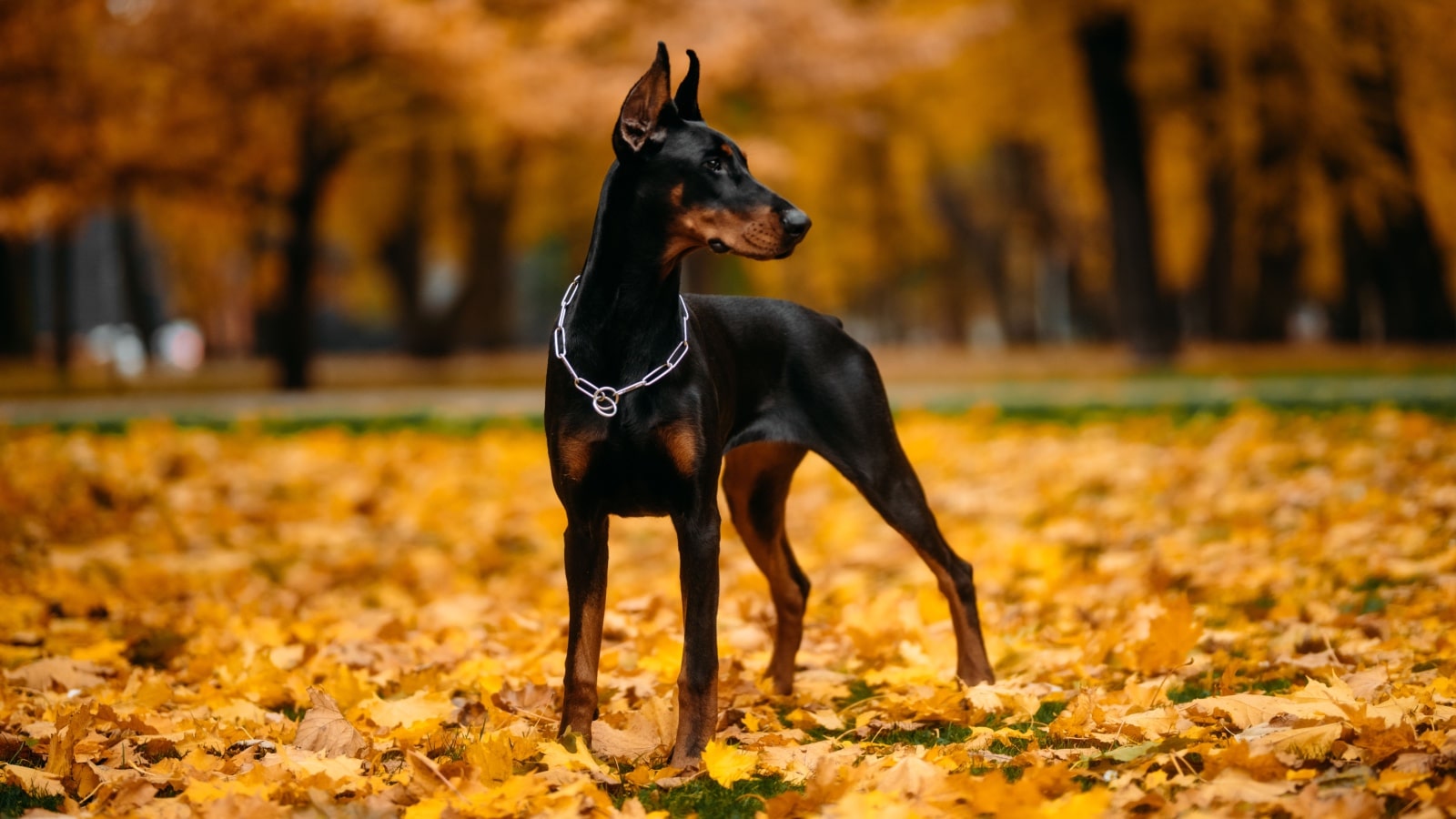
Those adorable head tilts are actually your dog adjusting their pinnae to better capture sound. They are focusing their hearing to identify the source of a noise and determine if it poses a threat to your safety. Even when they look like they are sleeping, their ears are often rotating like radar dishes.
They are filtering out background noise to isolate anything out of the ordinary. Dogs can hear sounds four times farther away than humans can, giving them a significant advantage in early threat detection. When those ears perk up, they are listening to something you likely cannot hear yet.
Herding You

If you have a collie or shepherd mix, you might find them nipping at your heels or nudging you in a certain direction. This herding instinct is their way of keeping the pack together, allowing them to easily protect everyone at once. If family members are scattered, the dog cannot effectively guarantee everyone’s safety.
They get anxious when the “flock” is spread out too thin. This behavior is an attempt to consolidate their VIPs (Very Important People) into a safe, manageable zone. It is not bossiness; it is a strategic maneuver to maximize group security.
Checking Back On Walks
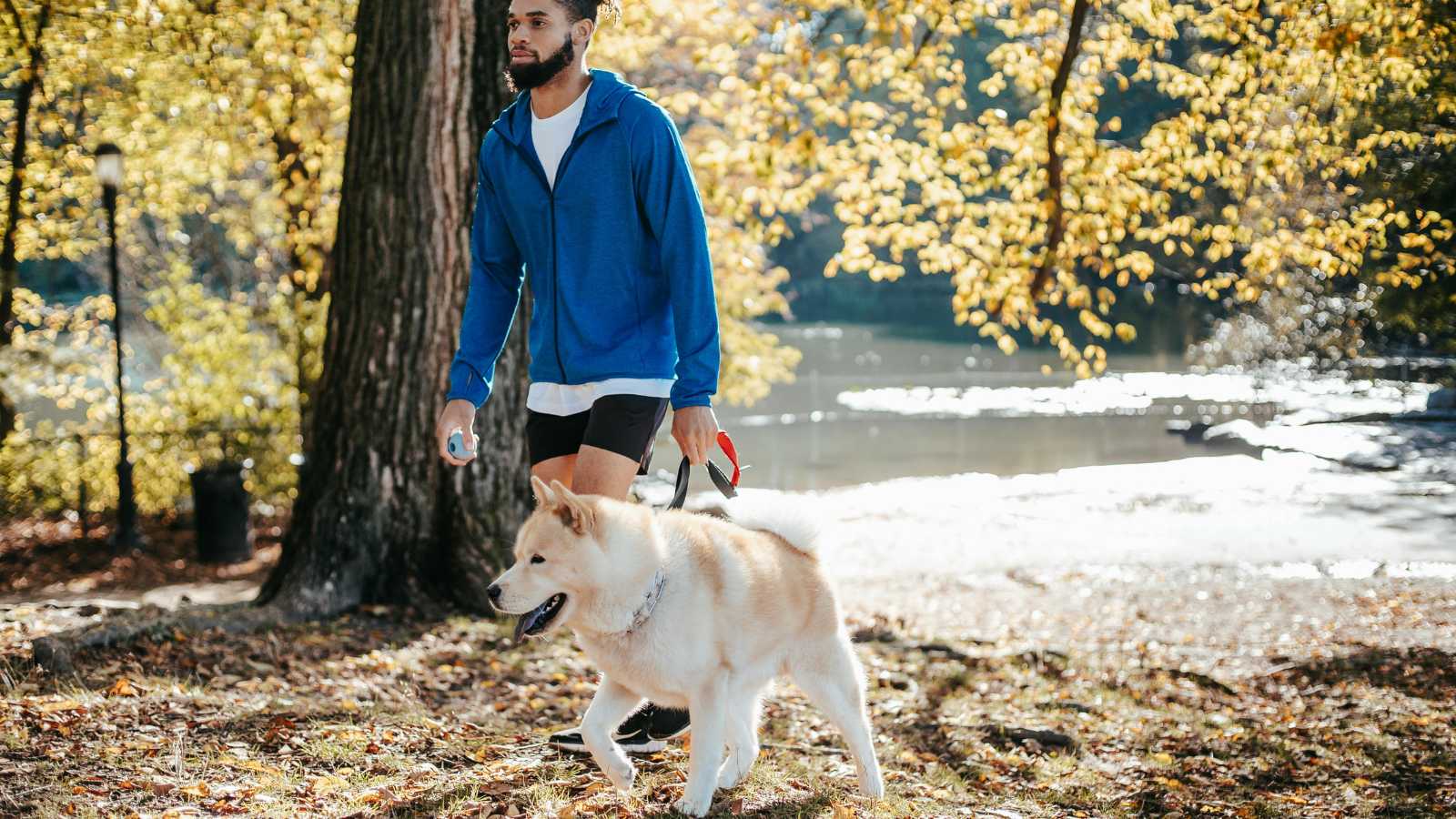
A protective dog will often walk ahead of you, but it frequently turns its head to check on you. This “check-in” ensures you are still coming along and nothing has sneaked up on the pair of you. They are scouting the path ahead while maintaining a visual tether to their charge.
This shows they are leading the expedition but keeping your safety as the priority. By constantly monitoring your position, they can adjust their pace or direction if they sense you are uncomfortable or lagging behind. It is the sign of a partner who is deeply invested in your mutual well-being.
Disclaimer – This list is solely the author’s opinion based on research and publicly available information. It is not intended to be professional advice.
Like our content? Be sure to follow us.