

Climate migration is no longer theoretical, it is measurable. The U.S. Census Bureau reports that domestic migration continues reshaping regional growth patterns, while climate risk analytics firms such as First Street Foundation estimate that millions of Americans now live in areas facing rising flood, wildfire, or extreme heat exposure.
At the same time, several states are gaining residents partly because they offer lower wildfire risk, fewer extreme heat days, stable freshwater access, and lower hurricane exposure.
Researchers at the Brookings Institution note that while jobs and affordability remain primary drivers of relocation, climate resilience increasingly factors into household decisions.
These 12 states are emerging as relative “climate havens” in 2026, places where risk levels remain comparatively lower and long-term livability looks stronger.
Minnesota
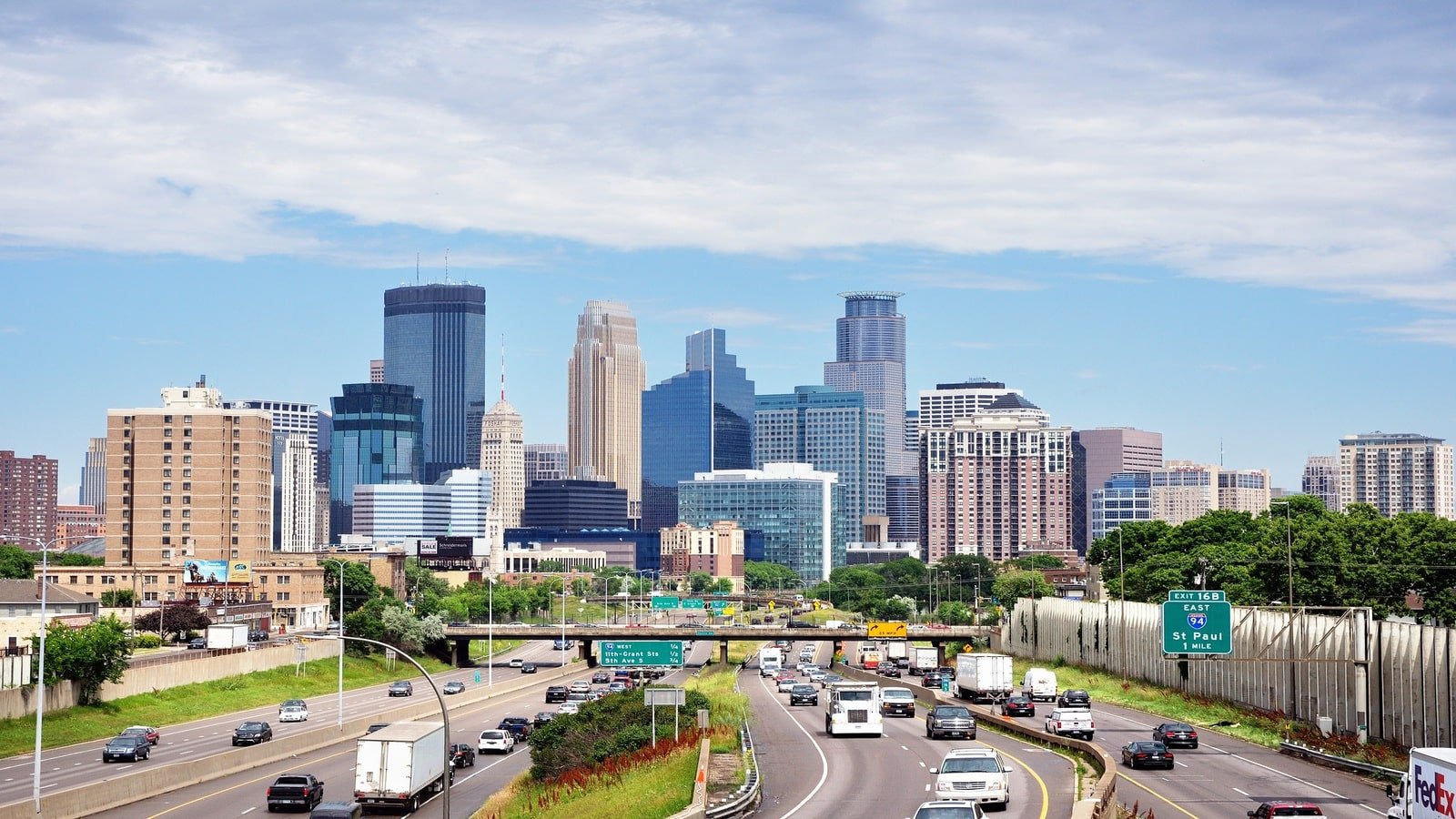
Minnesota consistently ranks among states with abundant freshwater resources, moderate summer heat compared to southern regions, and limited wildfire exposure relative to Western states.
The state’s access to the Great Lakes watershed strengthens long-term water security, an increasingly important migration factor as drought intensifies across the Southwest.
While winters remain cold, climate scientists note that warming trends are making extreme cold less severe over time. Census data also shows steady in-migration into parts of the Upper Midwest, suggesting that households weigh long-term climate stability alongside employment and affordability.
Michigan

Michigan benefits from direct access to the Great Lakes, holding roughly 20% of the world’s surface freshwater supply within regional reach. Climate risk projections from First Street Foundation indicate lower wildfire exposure and less extreme heat intensity compared with much of the Southwest and Deep South.
The state has also avoided the repeated hurricane strikes that affect Gulf and Atlantic coastlines. Detroit and Grand Rapids have recorded population stabilization trends after decades of decline, supported by job diversification and relative housing affordability.
Urban planners describe Michigan as well-positioned for climate resilience due to water security and moderate projected heat escalation.
Wisconsin

Wisconsin combines freshwater access, lower hurricane exposure, and limited wildfire intensity compared to Western states. Climate projection data shows that while the Midwest will see increased rainfall variability, it avoids the sustained drought patterns affecting California, Arizona, and Nevada.
Agricultural analysts emphasize that the Upper Midwest retains strong soil productivity even under moderate warming scenarios. Census migration flows show steady stabilization across several mid-sized Wisconsin cities.
Experts note that infrastructure modernization will determine how effectively the state capitalizes on its relatively lower long-term climate risk profile.
Vermont

Vermont ranks among the lowest states for extreme heat days and maintains comparatively low wildfire risk. NOAA climate data indicates that while the Northeast faces heavier rainfall events, it avoids the prolonged drought cycles common in the Southwest.
Vermont’s small population density reduces urban heat island intensity compared to larger metros. Real estate analysts report growing interest in rural and small-town Northeastern markets as remote workers prioritize climate resilience and quality of life.
Water availability remains strong across the region, a factor that climate migration researchers increasingly highlight as a long-term advantage.
Maine

Maine has drawn attention for its relatively mild summer temperatures and low hurricane landfall frequency compared to southern coastal states. First Street Foundation wildfire models show comparatively low structural fire exposure relative to Western states.
Rising sea levels pose coastal challenges, yet inland communities retain strong freshwater access and moderate climate projections.
Census data shows in-migration into parts of northern New England since 2020, particularly among remote workers. Climate analysts emphasize that while no state is risk-free, Maine’s combined low heat intensity and water stability strengthen its climate-haven profile.
New Hampshire

Save this article
New Hampshire offers moderate summer heat projections and lower exposure to hurricanes compared with the Southeast. NOAA climate outlooks show warming trends but fewer extreme heat days relative to Sun Belt regions.
Forest management practices have reduced large-scale wildfire vulnerability compared with Western states. Housing affordability pressures remain a concern, yet climate resilience analysts identify the state as relatively stable in terms of long-term water supply and disaster frequency.
Pennsylvania

Pennsylvania benefits from inland geography that limits hurricane damage severity compared to coastal Carolinas and Florida. Climate projections show increasing rainfall variability but fewer extreme wildfire conditions.
Major metros such as Pittsburgh and Philadelphia have invested in flood mitigation infrastructure, strengthening long-term resilience. Census migration patterns show moderate domestic inflows into certain Pennsylvania counties, reflecting both affordability and climate positioning.
New York

Upstate New York stands out for freshwater abundance and limited wildfire exposure compared with Western states. While New York City faces coastal flood risks, inland cities such as Buffalo and Rochester maintain lower long-term heat intensity projections.
Great Lakes proximity enhances water stability. Analysts tracking climate migration note renewed interest in Rust Belt cities positioned near freshwater corridors.
Ohio

Ohio combines moderate climate projections, limited wildfire intensity, and inland geography that shields it from hurricanes. First Street Foundation projections show fewer extreme heat days compared with southern states.
Columbus and Cincinnati have attracted corporate expansions, aligning economic opportunity with climate positioning. Water infrastructure access strengthens long-term resilience potential.
Iowa

Iowa avoids coastal hurricane exposure and severe wildfire conditions common in Western states. Agricultural resilience remains a strength, though rainfall variability presents management challenges.
Climate analysts highlight Iowa’s moderate heat projections compared to Texas or Arizona. Migration into certain metro areas reflects stable employment and manageable climate risk.
North Dakota

North Dakota’s low population density reduces wildfire structural exposure and urban heat island intensity. Climate models show warming trends but fewer extreme heat days compared to southern states.
Limited hurricane and earthquake risk enhances long-term stability. Economic diversification beyond energy will determine future growth potential.
Montana

Montana presents mixed risk, wildfire exposure exists in forested regions, yet lower population density and water availability support relative resilience in select areas.
Climate migration analysts observe growing in-migration into mountain states perceived as cooler alternatives to overheated urban centers. Infrastructure investment remains critical to sustaining that growth.
Key Takeaways

• Climate migration is accelerating alongside traditional job-driven relocation.
• Freshwater access increasingly defines long-term livability.
• Extreme heat exposure influences household relocation decisions more than cold weather.
• Upper Midwest and Northern states gain attention as relative climate refuges.
• No state is risk-free, but comparative exposure now shapes housing and migration markets in 2026.
Disclaimer: This list is solely the author’s opinion based on research and publicly available information. It is not intended to be professional advice.
Like our content? Be sure to follow us





