Data from road‑law tracker Boondocker’s Bible show that only about a dozen U.S. states clearly permit drivers to sleep in their cars at interstate rest areas overnight. In contrast, Finder’s state‑by‑state review shows many others cap stays at 2–8 hours or ban them outright.
Traveling long distances often requires taking breaks, and for many, sleeping in your car at a rest stop is the most convenient way to recharge before hitting the road again. While this practice is generally allowed in many places, some states have specific laws and guidelines about where and when you can legally sleep in your car.
Here are 12 states where sleeping in your car at rest stops is legal, but it’s important to check specific rest stop rules before settling in.
California

Data from Caltrans regulations show that California allows drivers to park and sleep in their vehicles at state highway rest areas for up to 8 hours in any 24 hours, provided they remain with the vehicle and do not set up a camp outside.
Rest stops in areas like National Forests or more remote parts of the state are often more lenient about car camping, but it’s always best to check posted signs to avoid fines or being asked to move.
Florida

Florida does allow drivers to sleep in their cars at interstate and Turnpike rest areas, but only for short stretches: the Florida Administrative Code caps general motorists at 3 hours, while commercial drivers can rest for up to 10 hours.
Keep in mind that some high-traffic rest stops in tourist-heavy areas may have restrictions, so always check posted regulations. Coastal areas, especially around Miami or Orlando, might be stricter about parking, but other rural rest areas offer more flexibility.
Texas

Texas is huge and road‑trip friendly, with 78 safety rest areas and 12 travel information centers where motorists can legally park and sleep in their vehicles for up to 24 hours before continuing their journey.
Some of the more remote areas in the Texas Hill Country and along I-10 or I-20 tend to have more lenient rules about car camping, as long as you are parked legally and not obstructing traffic.
New York

New York rest areas and Thruway service plazas are open 24 hours and do allow motorists to sleep in their vehicles, but posted rules cap parking at about 3–4 hours rather than a full 24 hours, and camping outside the car is prohibited.
Though sleeping in your car is legal, it’s crucial to park in designated areas and avoid overnight parking in commercial parking lots, where it may be restricted. Always ensure you’re parked safely and legally to avoid fines.
Also on MSN: States Poised to Ban Gas Car Sales in the Next 5 Years
Nevada

Nevada offers many opportunities for travelers to rest, and it is legal to sleep in your car at state rest stops for up to 24 hours. Nevada’s vast, open desert landscape provides a great backdrop for car camping, especially in remote areas along highways like I-15 and I-80.
Though rest areas along the Las Vegas Strip may have restrictions, the rural rest stops across Nevada generally welcome car campers who need a place to sleep while traveling.
Arizona

Save this article
Arizona traffic-safety data cited by the AAA Foundation for Traffic Safety shows that drowsy driving is linked to an estimated 17–21% of fatal crashes nationwide, which is why Arizona officials stress that pulling over to sleep in your car is far safer than pushing on.
Always look for signs indicating specific parking restrictions, especially in more urban areas or near popular tourist destinations such as Sedona or Grand Canyon National Park.
Michigan

Michigan is moving toward a 48‑hour cap on how long drivers can stay at highway rest areas and carpool lots, with proposed MDOT rules limiting vehicle stays to no more than two days while still allowing overnight parking.
In more rural regions like Upper Michigan, you’ll find even more flexibility for car camping. However, it’s always good practice to check local signs for any specific regulations on parking duration.
Ohio

Ohio officials say you can legally sleep in your car at interstate rest areas and Turnpike plazas, but posted rules generally cap parking at around 3 hours for regular rest areas, with separate, paid overnight options available for RVs on the Ohio Turnpike.
Ohio rest stops are generally well-maintained, and some may even offer amenities such as restrooms and vending machines, making them a comfortable place to sleep for a night. Just be sure to follow the posted guidelines regarding parking and duration.
Oregon

Oregon is a great state for car camping, and many rest areas along the highways allow travelers to sleep in their cars. Most rest stops offer overnight parking for up to 12 hours, especially in rural areas.
Cities like Portland may have restrictions, but in remote areas like southern Oregon or along I-5, you’ll find more lenient parking options. Always check local signage for specific rules before settling in.
Utah
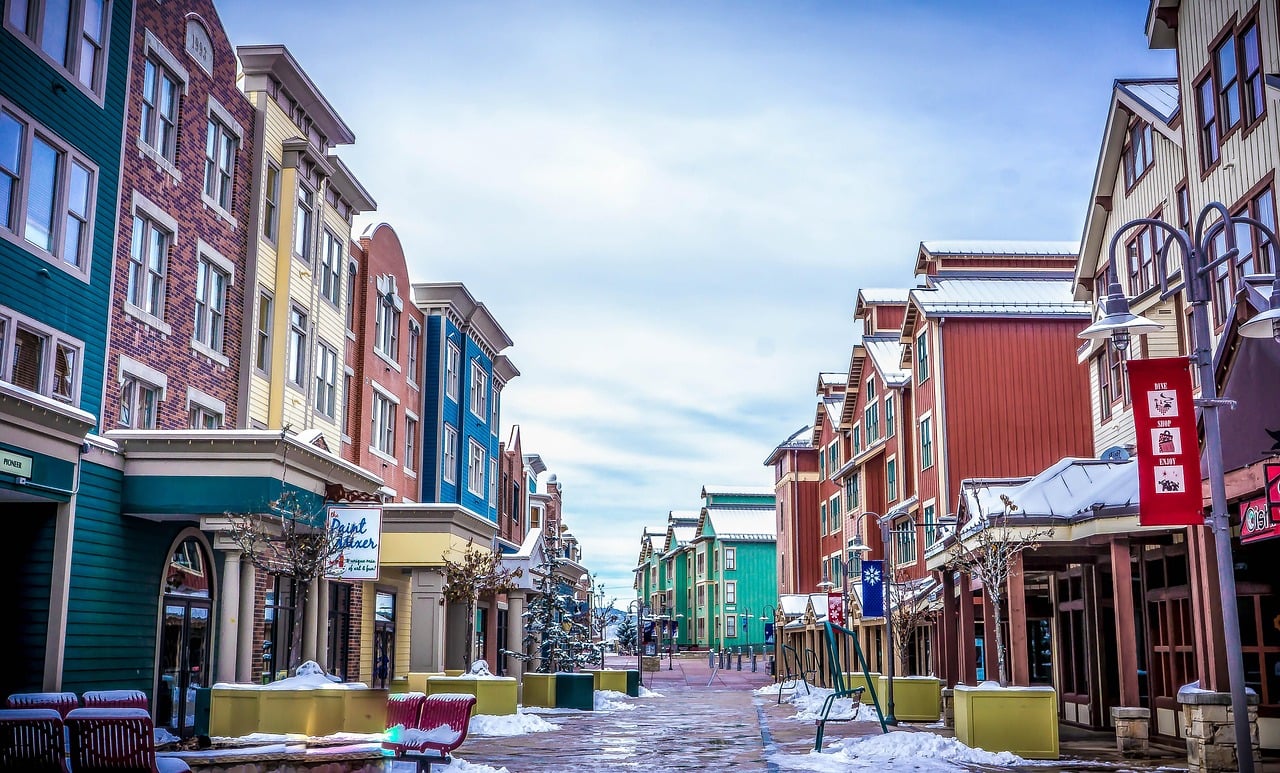
Utah offers a mix of rest stops and designated parking areas where it is legal to sleep in your car for up to 24 hours. Utah’s natural beauty, including the national parks and the Great Salt Lake, makes it an ideal place for those looking to camp out in their car.
While urban rest areas may have shorter parking limits, rural stops offer a more relaxed approach. The lonely stretches of highway in Utah offer great opportunities for a peaceful overnight rest.
Tennessee

In Tennessee, rest areas along highways like I-40, I-75, and I-24 provide ample opportunities to sleep in your car. Generally, you can stay in your car for up to 24 hours at most state rest stops.
Tennessee is home to both mountainous landscapes and rolling plains, making it a scenic place to stop for a night while traveling. Though you may encounter occasional time limits at busy areas, most rural rest stops welcome travelers who need a break.
Key Takeaway

For those who need to rest on a long road trip, many states in the U.S. allow you to sleep in your car at rest stops. These 12 states provide travelers with safe, legal places to recharge for the night, whether you’re traveling through rural landscapes or popular highways.
Always be mindful of the specific rules for each location, as some rest areas may have time restrictions or regulations regarding where you can park overnight.