

A daily handful of hazelnuts is emerging as a powerful, research-backed way to lower cholesterol and strengthen heart health right now .
When it comes to heart health, brain function, and overall well-being, we often turn to the usual suspects: greens, berries, and whole grains. But what if I told you that one of the best-kept secrets in the health world was something as simple and as delicious as a hazelnut?
Even a Small Amount Counts
You’ve probably seen hazelnuts tucked away in a chocolate bar or sprinkled on your salad, but these tiny nuts offer more than a crunchy garnish. A small handful of hazelnuts every day, about 30 grams, brings notable benefits to your body.
Packed with heart-healthy fats, fiber, and essential nutrients, hazelnuts are emerging as a true superfood. A 2016 study in Nutrients found that diets enriched with hazelnuts can reduce LDL (“bad”) cholesterol levels and improve overall cardiovascular health, without contributing to weight gain.
The advantages of eating hazelnuts extend even further. Hazelnuts boost brain health, manages weight and supports a healthier lifestyle, one crunchy bite at a time.
With that in mind, let’s explore why hazelnuts deserve a spot in your daily routine. Here are 12 compelling reasons to include them.
They’re Incredibly Nutrient-Dense
Let’s start with the basics: how much nutrition do you get from just a handful of hazelnuts? A 30-gram serving, or roughly a small handful, delivers about 180 calories. Now, that’s not a lot of calories for what you get in return.
This small serving packs in 17 grams of healthy fats (mostly monounsaturated), 4 grams of protein, and 2.7 grams of fiber. But wait, there’s more. Hazelnuts also provide nearly 50% of your daily manganese needs, 13% of your potassium, 13% of your magnesium, and 15% of your phosphorus.
According to Healthline, “Hazelnuts are a rich source of vitamins and minerals like vitamin E, manganese, and copper,” all of which contribute to your antioxidant defenses and overall energy metabolism.
WebMD chimes in, noting that hazelnuts are cholesterol-free and packed with heart-healthy fats. So, by swapping out processed snacks for hazelnuts, you’re not just munching on something delicious; you’re feeding your body a wide range of nutrients that support everything from energy production to immune defense.
Daily Hazelnuts Improves Cholesterol
We all know how important heart health is. Well, hazelnuts are your allies here. A meta-analysis published in Nutrients found that hazelnut-enriched diets led to a significant reduction in LDL cholesterol by about 0.15 mmol/L. There was no weight gain, even with more calories from fat. Hazelnuts help improve cholesterol without extra pounds.
Another 2022 review in Nutrients concluded that regular hazelnut intake could improve not only cholesterol levels but also other cardiometabolic markers. In one study, participants who consumed 40 grams of hazelnuts daily for 6 weeks experienced notable reductions in total and LDL cholesterol.
“Hazelnut-enriched diets may exert antiatherogenic effects by improving endothelial function and preventing LDL oxidation,” the review’s authors stated. This means that not only are hazelnuts lowering cholesterol, but they’re also improving the health of your blood vessels and protecting your body from the harmful effects of oxidized cholesterol.
They Help Protect LDL From Oxidative Damage
We’ve all heard about the dangers of high cholesterol, but did you know it’s not just about the quantity of LDL in your blood? It’s also about the quality. Oxidized LDL: LDL cholesterol that’s been damaged by free radicals can lead to serious problems like atherosclerosis. Here’s where hazelnuts shine.
A 2023 study in the Journal of Food and Health Science showed that adding hazelnuts to the diet significantly increased the resistance of LDL to oxidation in hypercholesterolemic adults. This means that not only do hazelnuts lower LDL levels, but they also improve the stability and safety of LDL particles.
The authors concluded that “a hazelnut-enriched diet had protective effects against lipoprotein oxidation, which may play important roles in reducing the development of the atherosclerotic process.” Hazelnuts help lower cholesterol numbers and make your LDL cholesterol safer and healthier.
Support Healthy HDL in People With Diabetes
If you’re managing type 2 diabetes, you probably know that maintaining healthy cholesterol levels is crucial. Well, hazelnuts can help with that, too.
In a randomized, controlled study, researchers found that replacing 10% of daily calories with hazelnuts helped maintain HDL (high-density lipoprotein) cholesterol levels in people with type 2 diabetes, while the control group saw a significant drop. What’s more, the hazelnut group also saw a reduction in triglyceride levels, although not significant enough to be considered conclusive.
The study’s authors concluded that “the incorporation of hazelnuts into diet can prevent the reduction of HDL-C concentrations in patients with type 2 diabetes,” meaning that these tasty nuts can help protect the “good” cholesterol in your body. While the impact on blood sugar levels wasn’t significant, this finding still positions hazelnuts as a smart addition to a diabetes-friendly eating pattern.
They’re Friendly to Weight Management
It’s easy to assume that eating nuts, especially ones as rich as hazelnuts, might contribute to weight gain. But the science says otherwise. A 2016 meta-analysis reviewed several studies on hazelnut consumption and found that diets including hazelnuts didn’t lead to significant changes in body weight, BMI, or waist circumference.
In fact, the 2022 systematic review in Nutrients noted that hazelnuts improved satiety and overall dietary quality by replacing less healthy snacks, like chips and sweets.
So, when you swap out that bag of chips for a handful of hazelnuts, you’re not only eating something more nutritious, but you’re also helping yourself feel fuller, longer. Hazelnuts offer a satisfying, nutrient-dense alternative that can help manage weight while delivering a variety of essential nutrients.
They Give Strong Antioxidant Protection
Let’s talk about antioxidants; those little molecules that fight free radicals and protect our bodies from oxidative stress. Hazelnuts are loaded with two powerhouse antioxidants: vitamin E and manganese.
A 30-gram serving of hazelnuts delivers about 20–25% of your daily vitamin E needs and nearly 50% of your daily manganese needs. These nutrients are vital for supporting the body’s antioxidant defense system and helping protect your cells from damage.
According to Healthline, “hazelnuts’ vitamin E and manganese content contribute to reduced oxidative stress,” which is linked to everything from aging to chronic diseases. By adding hazelnuts to your diet, you’re giving your body an internal shield that helps combat oxidative wear and tear.
Save this article
You might also enjoy:
- 12 Powerful Nuts to Include in Your Diet for a Healthier Liver
- Get your protein fix with these 11 awesome nuts
- 8 healthiest nuts nutrition experts say deserve a spot in every diet
They Improve Overall Cardiometabolic Health
Hazelnuts don’t just target heart health; they also support broader metabolic outcomes. A 2023 study published in Diabetes explored the effects of 30 grams of hazelnuts per day on healthy adults.
Researchers found that the hazelnut group showed improvements in lipid metabolism and vascular reactivity, suggesting that hazelnuts may positively impact overall metabolic health.
“Consumption of hazelnuts has been associated with reduced cardiovascular risk and improved metabolic outcomes,” the study authors stated. Adding hazelnuts to your daily diet can support better metabolic balance and cardiovascular health, particularly when combined with physical activity.
They Support Blood Pressure and Nerves
Hazelnuts also pack a punch when it comes to essential minerals like magnesium and potassium. A 30-gram serving provides about 48 mg of magnesium and 258 mg of potassium; two minerals critical for maintaining normal blood pressure, nerve function, and muscle contraction. These minerals play a key role in supporting your heart muscle, making hazelnuts an excellent choice for heart and nerve health.
Many people fall short on magnesium and potassium, so adding a handful of hazelnuts to your daily routine helps close that nutritional gap. As Healthline points out, magnesium is essential for blood pressure regulation and energy metabolism, so hazelnuts can play an important role in maintaining these vital functions.
They Align With Heart-Healthy Patterns
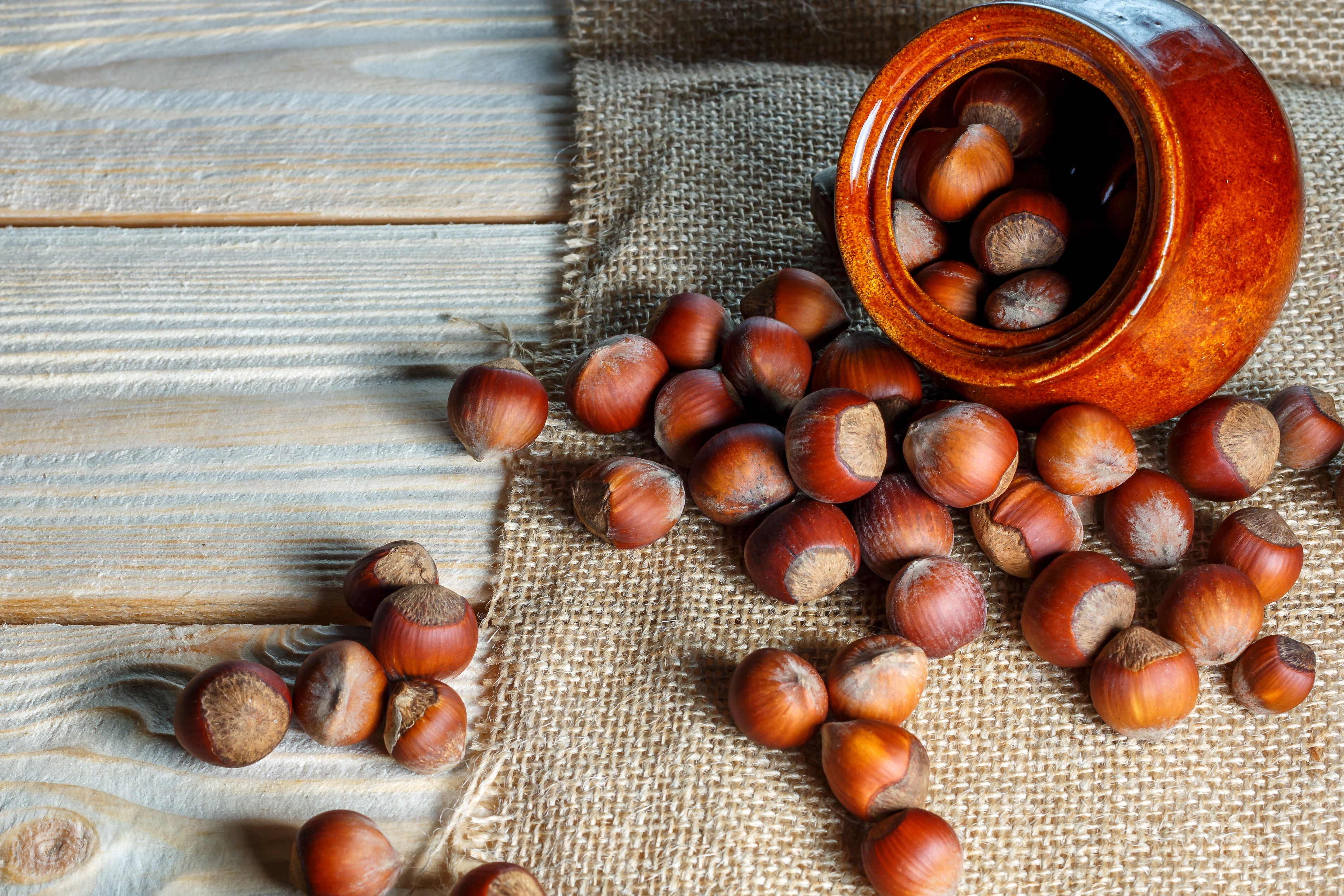
Hazelnuts are rich in monounsaturated fatty acids (MUFA), particularly oleic acid; the same heart-healthy fat found in olive oil. Replacing saturated fats with MUFA-rich nuts, such as hazelnuts, is consistently linked to improved cholesterol profiles and a reduced risk of cardiovascular disease. In fact, multiple studies have shown that MUFA-rich diets can help lower LDL cholesterol levels and reduce the risk of heart disease.
WebMD notes that hazelnuts are “packed with healthy fats, including omega-3s,” which are essential for heart health. By adding hazelnuts to your diet, you’re not only improving your cholesterol levels but also embracing a heart-healthy fat profile that supports your cardiovascular system.
They May Support Brain and Nerve Health
Hazelnuts are packed with nutrients that support brain and nerve function. The combination of vitamin E, thiamin, folate, magnesium, and healthy fats in hazelnuts is vital for maintaining healthy neural membranes and supporting brain energy metabolism.
Although research specifically linking hazelnuts to brain health is still limited, studies suggest that higher intakes of vitamin E and unsaturated fats can help protect against cognitive decline and support overall brain health.
Hazelnuts can be a convenient and delicious addition to a brain-supporting diet. Pair them with berries or dark chocolate for an extra brain boost, and you’ve got a snack that supports both cognitive function and overall brain health.
They’re Naturally Gluten-Free
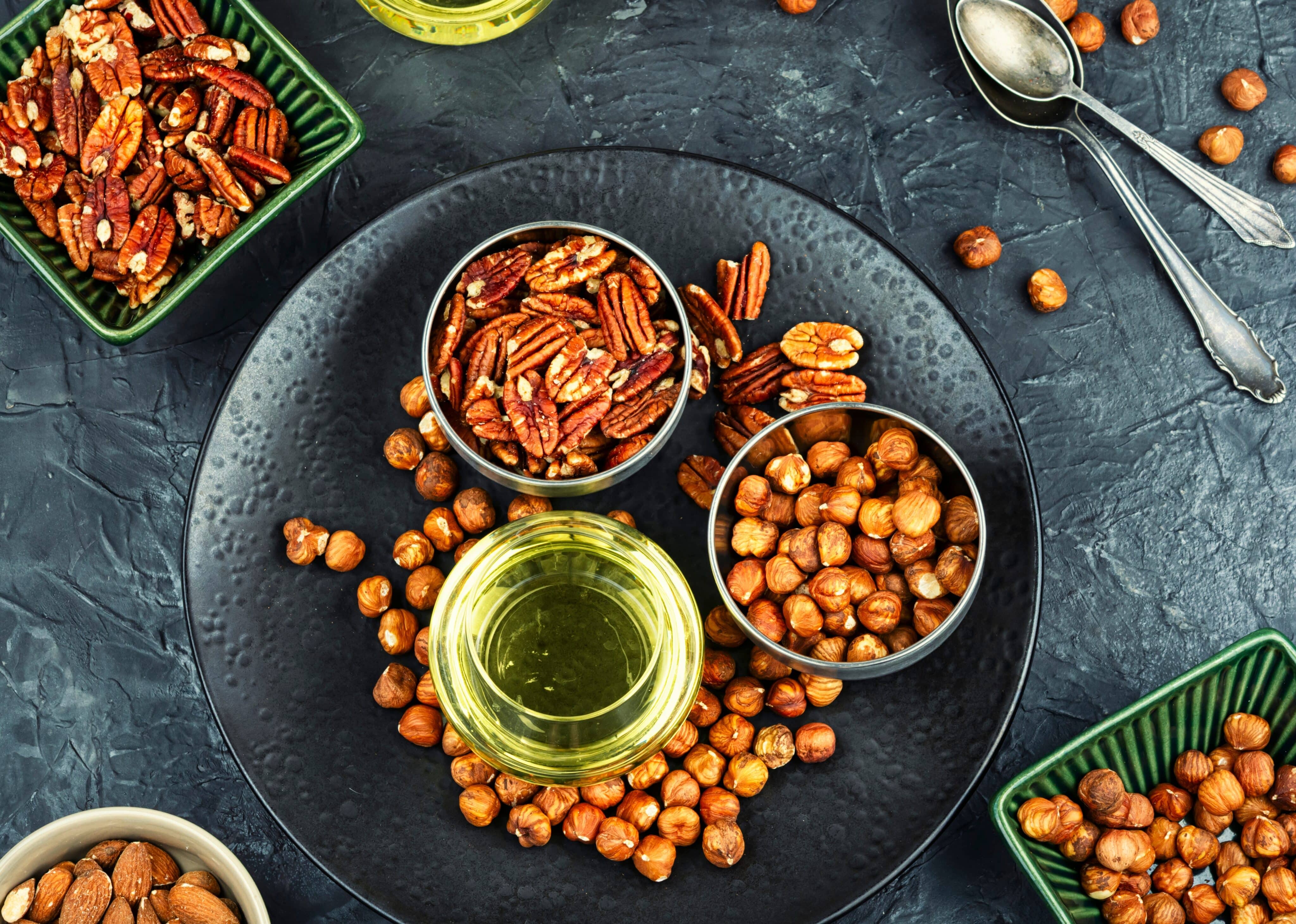
If you follow a gluten-free or plant-based diet, hazelnuts are your friend. Naturally gluten-free, they fit perfectly into vegetarian, Mediterranean, and flexitarian eating patterns. Their sweet, nutty flavor works in both savory and sweet dishes, from hazelnut-crusted fish to smoothies and salads.
For plant-forward eaters, hazelnuts offer a way to boost energy and nutrient density without adding refined carbs. They’re an excellent addition to plant-based meals, offering healthy fats and protein to fuel your body throughout the day.
There Are a Few Caveats
Like all tree nuts, hazelnuts can cause severe allergic reactions in some people, especially those with tree nut allergies. If you have a known allergy, it’s best to avoid hazelnuts unless you’ve been cleared by an allergist.
Hazelnuts also contain phytic acid, which can reduce the absorption of minerals like iron and zinc. However, for most people, this is a minor concern and can be mitigated by roasting or soaking the nuts.
Despite these small caveats, the health benefits of hazelnuts far outweigh the drawbacks for most individuals. They’re a safe, nutrient-rich snack for anyone looking to improve their overall health.
Key Takeaways
- A 30-gram serving of hazelnuts is nutrient-dense, providing heart-healthy fats, vitamins, and minerals like vitamin E and manganese.
- Regular hazelnut intake can lower LDL cholesterol, improve cardiovascular health, and support healthy blood pressure and metabolism.
- Hazelnuts are an excellent choice for weight management, offering a satisfying, nutrient-rich alternative to processed snacks.
- Hazelnuts also support brain and nerve health, and can fit seamlessly into plant-based diets and other heart-healthy eating patterns.
- Hazelnuts help improve heart health, metabolism, and even brain function. Enjoy them daily for a simple but powerful way to boost your well-being.
Disclosure: This article was developed with the assistance of AI and was subsequently reviewed, revised, and approved by our editorial team.
Like our content? Follow us on Newsbreak.
12 Low FODMAP Pecan Recipes So Good It’s Nuts!
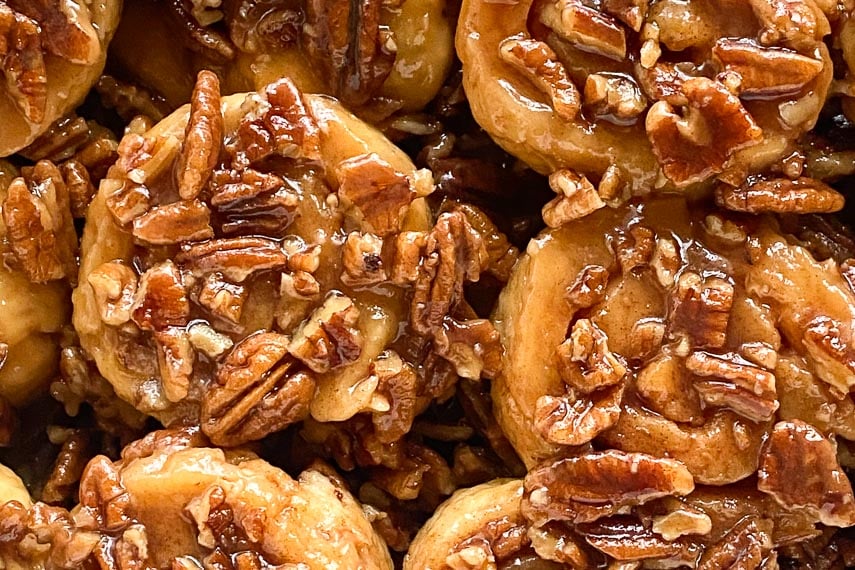
Pecans are delicious, but did you know that they contain 19 vitamins and minerals, fiber, and protein? Sure, you can grab a handful to munch, but how about 12 new ways to get your pecan crunch on. Make sure to buy them as fresh as possible for best flavor and texture. You can store extra in the freezer, for extended storage. Read more.