

Every family seems to have one dish that only appeared on the fourth Thursday of November, came out of a recipe card stained with butter, and was quietly retired once the person who made it stopped hosting. Turkey, mashed potatoes and pumpkin pie have held their ground for generations, but the supporting cast on the old holiday table looked very different from the spread most households set out today.
Some of those side dishes faded because tastes changed, some because ingredients got pricier, and some simply because they took too long to make. The 12 dishes below were once common sights at grandma’s Thanksgiving and now turn up mostly in nostalgic households, regional kitchens and retro-food corners of the internet. Many of them belong to the same family as other foods most boomers loved with a passion, and a few sit right alongside the strange Thanksgiving traditions that everyone pretends aren’t weird. Like many forgotten household items from the past, they still spark instant recognition in anyone who grew up with them.
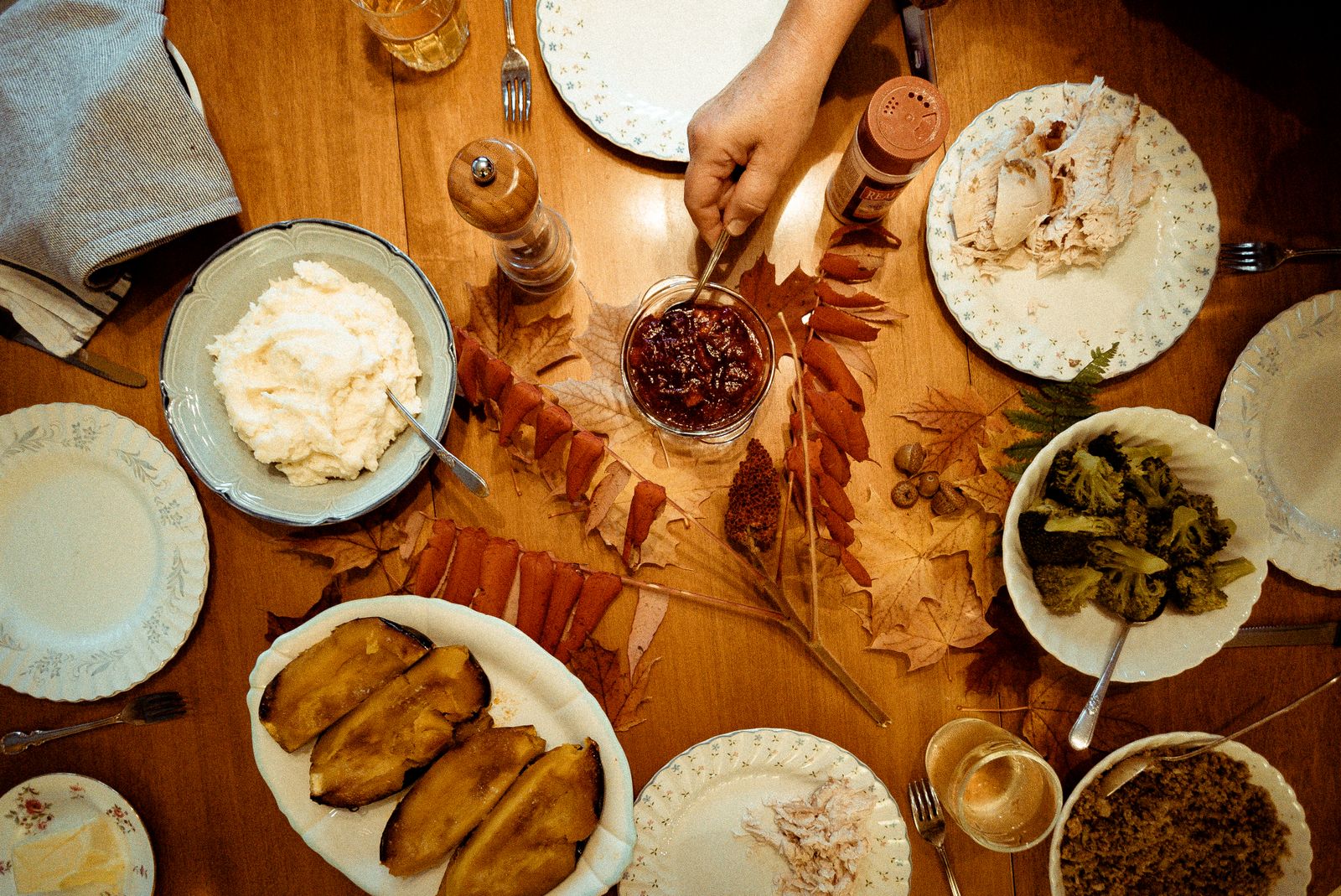
1. Oyster Stuffing
Long before sausage and herb stuffing took over, oysters were a natural fit for the holiday bird. In the 1800s they were cheap and plentiful in Northeastern cities such as Boston, and canning helped carry the so-called oyster craze inland, according to a Mashed roundup of old-school Thanksgiving dishes. Home cooks folded canned or freshly shucked oysters into bread cubes with celery and onion. The dish survives today mostly in New England, along the Gulf Coast and in Creole and Cajun homes in Louisiana, while the rising price of oysters has pushed it off many other tables.
2. Giblet Gravy
Older cooks wasted almost nothing, so the heart, liver, gizzard and neck tucked inside the turkey went straight into a pot. Simmered with aromatics and stirred into the pan drippings, the giblets gave the gravy a deep, savory flavor. Fox News lists giblet gravy among the classic sides that have disappeared, pointing to turkeys sold without giblets and to the convenience of store-bought gravy mixes. Plenty of modern cooks are also simply put off by the organ meat.
3. Turkey Aspic
Aspic, a savory gelatin made from meat stock, is centuries old, and it became far easier to produce once commercial gelatin arrived in the 1800s. Thrifty households would set leftover turkey in a gelatin broth inside a mold, sometimes with green beans or carrots suspended in it. The cold, jiggling result now strikes most diners as unappetizing, and it is made mainly by people who enjoy recreating retro recipes.
4. Perfection Salad
Savory gelatin did not stop at leftovers. Perfection Salad, an aspic packed with finely chopped cabbage, celery and red pepper, took third place in a 1904 recipe contest run by the Knox Gelatine Company, according to History.com’s look at the rise and fall of the Jell-O salad. Gelatin salads became a status symbol in the 1930s and 1940s because setting one reliably took a refrigerator, and the 1950s were their golden age. Savory versions largely fell out of favor by the 1970s, although the Midwest and South still count among the biggest consumers of Jell-O.
5. Ambrosia
Named for the food of the gods in Greek mythology, ambrosia has recipes dating back to the 1860s and was especially loved in the South. The classic mix of pineapple, oranges, marshmallows and coconut grew more popular after World War II, when canned fruit and bagged marshmallows became pantry staples. Its soft, mixed texture and mid-century image have made it polarizing, though cousins like Watergate salad and frog eye salad still show up at some Southern gatherings.
6. Cranberry Fluff and Cranberry Souffle
Canned cranberry sauce still has loyal fans, but its dressed-up relatives have largely disappeared. Cranberry fluff, a blend of cranberries, marshmallows, applesauce and whipped cream often speckled with pecans, was a hit in the 1960s and 1970s. An even stranger cousin, a chilled cranberry souffle made with mayonnaise-infused gelatin, rose to prominence in the 1950s through a recipe promoted by Hellmann’s. Many people still remember it from a grandmother’s table, even if few would make it today.
7. Creamed Onions
Pearl onions simmered in a rich white sauce were a mid-century classic that lasted into the 1980s, often served in a casserole dish or individual ramekins. Hello! Magazine counts creamed onions among the 1980s Thanksgiving staples that have faded, noting that peeling dozens of tiny onions is tedious work and that modern tastes lean toward roasted vegetables and lighter sides.
8. Mashed Turnips
Thanksgiving menus from the 1860s, when the holiday went national, often listed mashed turnips right next to mashed potatoes. Peeled, boiled and mashed with butter, they offered a slightly bitter, earthy contrast to the richer dishes on the table. Potatoes eventually won the starch contest, and turnips picked up a reputation as a frugal, rural vegetable. Younger diners have largely swapped them for carrots and sweet potatoes.
9. The Celery and Olive Relish Tray
For nearly a century, a dish of celery stalks and olives was as expected as the turkey itself. Boston.com traced how celery and olives dominated Thanksgiving from the late 1800s to the 1960s. Celery was once a novelty, olives were considered an upscale celebration food, and trains and California olive groves made both easier to find. The relish tray worked as a palate cleanser between rich courses, but it gradually gave way to shrimp cocktail and, later, to charcuterie and cheese boards.
10. Corn Pudding
Somewhere between cornbread and creamed corn sits corn pudding, a custard-like bake of corn, eggs, cream and butter with roots that reach back to precolonial times. Regional versions ranged from Pennsylvania Dutch recipes made with dried corn to New England’s molasses-sweetened Indian pudding. It still turns up in some households, but it is far less common on the holiday table than it once was.
11. Steamed Thanksgiving Pudding
Americans borrowed the British Christmas pudding and turned it into a holiday dessert of dried fruit, breadcrumbs, walnuts, brown sugar, cinnamon, eggs and suet. Rather than being baked, it was steamed, which made it dense and moist, and traditional versions soaked the fruit in rum and came with brandy sauce. For generations it served as a boozy alternative to pie, but today it is widely seen as heavy and old-fashioned.
12. Mincemeat Pie
Mincemeat began as a mix of beef, apples, dried fruit and cider, and many bakers dropped the meat during the 1800s. A 1974 Bon Appétit Thanksgiving menu still featured a version built on eight dried fruits soaked in rum for two days. The confusing name and fading interest in dried fruit have handed the dessert table to pumpkin, pecan and apple. Anyone missing the old dessert lineup might enjoy these 16 old-fashioned desserts grandma used to make.
Why These Recipes Still Matter
Most of these dishes did not vanish because they were bad. They reflected what was cheap, new or impressive at the time, from canned oysters to refrigerator-set gelatin, and they faded as grocery stores, budgets and schedules changed. The same generational shift shows up in lists of foods boomers love that Gen Z refuses to eat.
For families that still have the recipe cards, bringing back one of these sides for a single holiday can be a simple way to honor the cooks who made them. Even a small relish tray or a pan of corn pudding can start a conversation about who used to make it and why it mattered so much.
This article was written with the help of AI tools and checked against the sources linked above.




