Cremation is one of those topics many Christians quietly wonder about but rarely bring up at church coffee hour. It can feel emotional, personal, and oddly confusing all at once.
I remember a friend lowering her voice when she asked, “Is this actually okay?” That moment stuck with me, because it turns out a lot of believers are carrying the same questions.
The Bible never directly forbids cremation

This surprises many people the first time they hear it. Scripture does not contain a command that says burial is required or cremation is sinful.
Burial is more commonly described in the Bible, especially in ancient Jewish culture; cremation is not condemned outright. Early Christian hesitation often came from cultural norms, not explicit doctrine. That distinction matters more than many of us were taught.
Burial was a cultural practice, not a salvation requirement

In biblical times, burial was the standard across much of the ancient world. Climate, customs, and limited technology all shaped how people handled death.
Christians followed these norms because they were familiar and meaningful, not because salvation depended on them. Many modern theologians point out that customs change while core beliefs remain. That’s comforting if you think about it.
God’s power is not limited by physical remains

One common concern is resurrection and what happens to the body. Christian theology teaches that God created the universe from nothing, which makes restoring life from ashes well within divine ability.
1 Corinthians 15 speaks of transformation, not reconstruction of every physical particle. If God can raise the dead, cremation doesn’t complicate that. It actually highlights faith in God’s power rather than human process.
Early Christian resistance had historical reasons

Some early Christians opposed cremation because it was associated with pagan Roman practices. Cremation was often tied to beliefs that denied bodily resurrection, which Christians rejected.
Over time, that association faded, but the discomfort lingered in tradition. Understanding this history helps separate theology from cultural memory. It also explains why opinions varied across centuries.
Many Christian denominations now accept cremation

Today, most major Christian denominations permit cremation. The Catholic Church, which once strongly opposed it, formally allowed cremation in 1963, provided it is not chosen to deny belief in resurrection.
Protestant denominations largely leave the decision to personal conscience. Surveys show cremation rates among Christians in the U.S. now exceed 50 percent. That shift reflects both cultural change and theological clarity.
Intent matters more than method

Christian teaching often emphasizes the heart behind actions. Cremation becomes a concern only if it symbolizes rejection of core beliefs, not because of the process itself.
Choosing cremation for financial, environmental, or personal reasons does not conflict with faith. Pastors and theologians frequently stress intention over ritual detail. That framing eases a lot of anxiety.
Cremation can still include meaningful Christian rituals
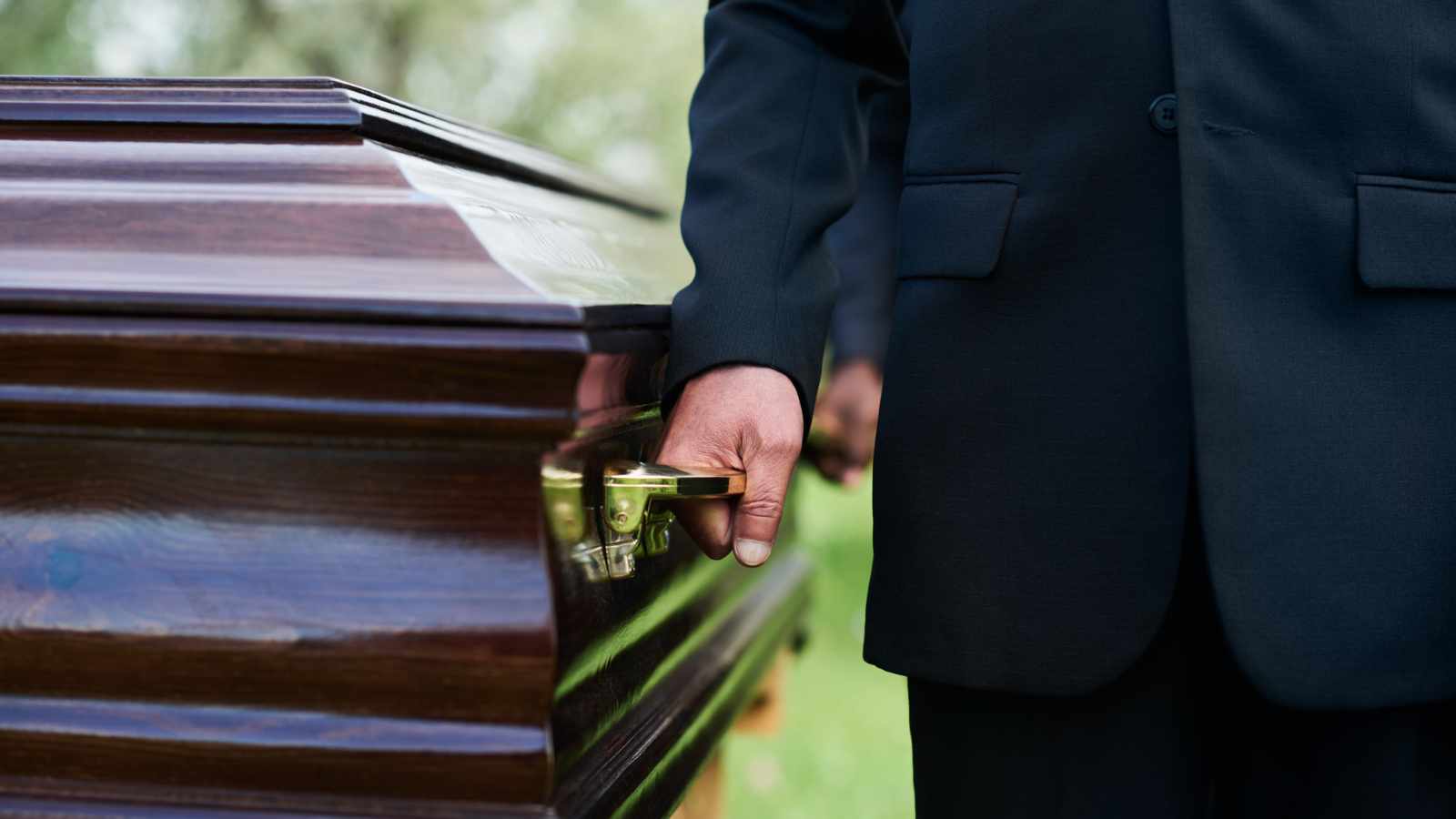
Some people worry that cremation eliminates the chance for a proper Christian funeral. In reality, services, prayers, and Scripture readings remain the same. Ashes can be present during a service, or a memorial can happen later.
The focus remains on honoring life and trusting God, not on the form of the remains. Ritual meaning doesn’t disappear with cremation.
Environmental concerns are influencing Christian choices

Burial practices have environmental impacts that many believers are now considering. Traditional burials involve embalming chemicals and large land use.
Cremation uses energy but generally requires less space in the long term. Some Christians see stewardship of the earth as part of their decision-making. That conversation feels very modern and very faithful at the same time.
Cost plays a role for many families

Funerals can be expensive, and cremation is often more affordable. According to the National Funeral Directors Association, cremation typically costs thousands less than traditional burial.
For families under financial strain, this matters deeply. Choosing cremation can be an act of care, not compromise. That reality deserves compassion, not judgment.
Ashes still deserve respect and care

Christian leaders often emphasize that cremated remains should be treated with dignity. Scattering ashes casually without reflection can feel unsettling to some believers.
Many churches encourage the burial of ashes or the placement in a memorial space. Respect, not restriction, is the guiding principle here. It’s about honoring the person, not policing choices.
Personal conscience is widely respected

Romans 14 reminds believers to act according to conscience in disputable matters. Cremation often falls into this category. Christians are encouraged to seek wisdom, pray, and make thoughtful decisions.
What brings peace to one person may differ from what brings peace to another. That flexibility is part of faith maturity.
Conversations now can ease grief later

Talking about end-of-life choices ahead of time can feel awkward, but it helps loved ones later. Churches increasingly encourage these discussions as part of pastoral care.
When families know what someone wanted, it reduces stress during grief. Faith becomes a source of comfort instead of confusion. That’s a quiet gift to leave behind.
Key takeaways

Cremation is not forbidden in the Bible and is widely accepted across Christian denominations today. Historical resistance was shaped more by culture than by clear theology.
Intention, faith, and respect matter more than the chosen physical method. For many Christians, cremation fits comfortably within a life of belief, care, and trust in God.
Disclaimer – This list is solely the author’s opinion based on research and publicly available information. It is not intended to be professional advice.
Disclosure: This article was developed with the assistance of AI and was subsequently reviewed, revised, and approved by our editorial team.
7 Morning Rituals Women Swear By for More Energy and Confidence

7 Morning Rituals Women Swear By for More Energy and Confidence
Morning rituals don’t have to be complicated. A glass of water, a quick stretch, five minutes with your journal — these small things stack up to create significant change. Women who build these habits aren’t just “morning people”; they’re people who decided to take charge of their first hour of the day.