

A clean home isn’t always a healthy one. You might be cleaning your home regularly, but some of the things you’re holding onto could be doing more harm than you realize.
Some of the most common items people keep around, often without thinking twice, can quietly collect bacteria, trigger allergies, or affect the air you breathe.
In a busy routine, it’s easy to focus on surface cleaning while overlooking the everyday things that may be doing more harm than good. The reality is that creating a healthier space isn’t just about cleaning more. It’s about knowing what to let go of.
From items that trap germs to products that may irritate your airways, here are 12 common things worth reconsidering if you want a cleaner, healthier home.
Old Cleaning Products with Harsh Chemicals

Many common household cleaning products are packed with harmful chemicals that can affect indoor air quality and even cause respiratory issues or skin irritation.
According to the Environmental Protection Agency (EPA), certain cleaning products contain volatile organic compounds (VOCs), which can worsen asthma and allergies. Consider swapping harsh chemicals like bleach and ammonia for natural alternatives like vinegar, baking soda, and essential oils to maintain a healthier home environment. Not only will you reduce your exposure to toxins, but you’ll also save money in the process.
Expired Food in the Pantry and Fridge
Expired food doesn’t just clutter up your kitchen; it can also become a breeding ground for bacteria and mold.
A 2021 study by the Natural Resources Defense Council (NRDC) found that up to 40% of food in the U.S. is wasted, much of which is caused by food sitting in the pantry or fridge past its expiration date. Eating expired food can lead to foodborne illnesses, so it’s essential to regularly check expiration dates and clean out items you’re unlikely to use. Not only will this free up space, but it will also make your kitchen more organized and safer.
Excessive Paperwork
We live in a digital age, but many people still hold onto unnecessary paperwork like old bills, receipts, and outdated documents. Cluttered paperwork can lead to disorganization and create a stressful environment.
According to a study by The National Association of Professional Organizers, 87% of Americans feel overwhelmed by the clutter in their homes. Sorting through paperwork, digitizing important documents, and shredding the rest can create a more organized and less stressful living space. Plus, it’ll reduce the dust buildup caused by old paper piles!
Old Pillows and Mattresses
If your pillow or mattress is past its prime, it can affect your sleep quality and overall health. According to the National Sleep Foundation, you should replace pillows every 1–2 years and mattresses every 7–10 years.
Old, worn-out bedding can harbor dust mites, bacteria, and allergens that affect your respiratory health. A new pillow and mattress can significantly improve your quality of sleep, which is crucial for maintaining good health.
Unwanted Plastic Containers
We’ve all collected too many plastic containers over the years, some with missing lids or stains from long-forgotten leftovers. Plastic containers are often made with chemicals like BPA, which can leach into food, particularly when microwaved.
In addition to the health risks, plastic can take hundreds of years to decompose, contributing to environmental pollution. Replacing plastic with glass or stainless steel containers is a simple change that’s better for your health and the planet.
Excessive Decorative Items
While decorative items like knick-knacks and figurines can add personality to a home, too many of them can contribute to dust buildup, leading to poor indoor air quality.
A study from Purdue University found that homes filled with excessive decorative items were more likely to harbor dust mites and other allergens. To reduce clutter and improve air quality, simplify your decor and focus on functional yet aesthetically pleasing pieces. You’ll be amazed at how much cleaner and more spacious your home feels.
Save this article
Expired Medicines and Unused Health Products
Storing old medications and health products is not only a waste of space but can also pose a health risk. The U.S. Food and Drug Administration (FDA) recommends disposing of expired medicines properly, as they can lose their effectiveness or cause unwanted side effects.
Review your medicine cabinet regularly and get rid of anything that’s expired or no longer needed. This will not only make your home safer but also ensure you’re only using products that are effective.
Old, Worn-Out Towels and Rugs
Towels and rugs that have been through years of use can accumulate bacteria, dust mites, and mold, especially when left damp for extended periods. According to the American Cleaning Institute, towels should be washed every 3-4 uses, and bath mats should be cleaned after every use.
Old towels and rugs can also contribute to a musty smell in your home, so it’s important to replace them regularly. This will improve both the cleanliness and overall comfort of your home.
Unused or Broken Appliances
Old appliances, whether they’re broken or simply never used, take up valuable space in your home and can gather dust and dirt. From toasters to old blenders, unused kitchen gadgets are often stored in the back of cabinets or on countertops, taking up space and contributing to clutter.
The National Association of Home Builders reports that over 30% of people say they keep old, broken appliances in their homes because they don’t know what to do with them. Donating, recycling, or properly disposing of these items will not only make your home tidier but also free up space for more practical or frequently used appliances.
Toxic Air Fresheners

While air fresheners are designed to improve the smell of your home, many contain chemicals that can negatively impact your health. The Environmental Working Group (EWG) has raised concerns about the use of chemicals in air fresheners, which can trigger respiratory issues, headaches, and allergic reactions.
Instead of using chemical-laden sprays or plug-ins, consider using essential oils or natural solutions like beeswax candles or baking soda to freshen the air in your home. Your lungs will thank you!
Non-Essential Clothing and Shoes
A cluttered closet full of clothes you never wear can contribute to chaos in your home. The American Cleaning Institute found that 42% of Americans report having difficulty finding things in their closets because they are overstuffed with unnecessary items.
Regularly sorting through your clothing, donating what you don’t wear, and organizing the remaining pieces can help maintain a clean, efficient home. Plus, it reduces the stress of dealing with an overflowing wardrobe!
Old Electronics and Cables
Old electronics and tangled cables can quickly take over drawers, closets, and even entire rooms in your home. With the constant release of new technology, it’s easy for unused gadgets to pile up. The Consumer Technology Association estimates that the average American household has 25 unused electronic devices.
These gadgets can accumulate dust, require unnecessary space, and contribute to e-waste. Dispose of or recycle old electronics responsibly to free up space and create a cleaner environment.
Disclosure: This article was developed with the assistance of AI and was subsequently reviewed, revised, and approved by our editorial team.
Like our content? Follow us on Newsbreak.
Eat The Rainbow! 35 Gorgeous and Healthy Recipes To Put In Rotation
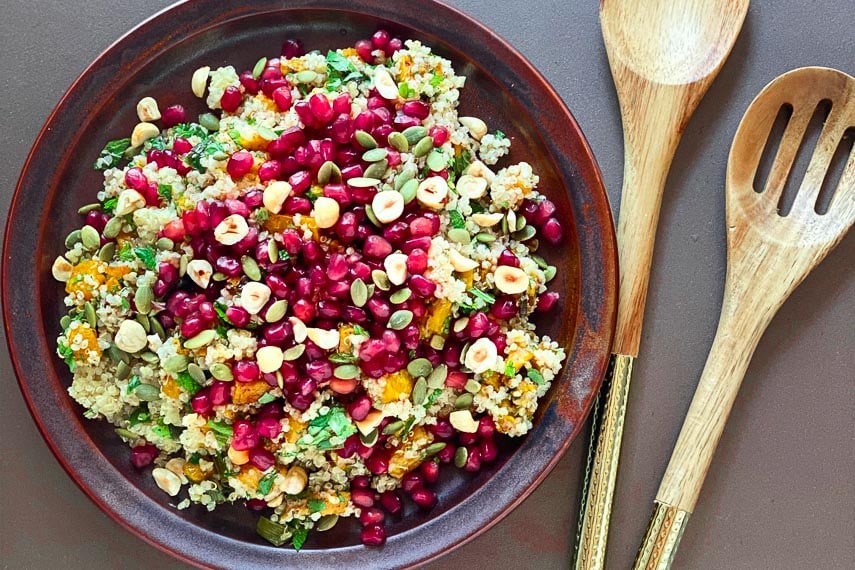
“Eat the Rainbow” refers to the diverse array of colorful pigments found in plants, each of which corresponds to specific phytonutrients and health benefits. By consuming a variety of plant-based foods of different colors, you can boost your nutrient intake and promote overall well-being. In addition to their nutritional benefits, the recipes in this collection offer a visually stunning display of vibrant hues and enticing flavors. Learn more.





