

Once symbols of American ambition, these cities now stand as haunting reminders of how quickly prosperity can crumble.
American cities are often born from audacious dreams: a perfect port, a gold rush, or the ultimate industrial inspiration that promises infinite growth and prosperity. These places were designed to amaze investors and citizens alike, built with grand boulevards and towering structures meant to last centuries, guaranteeing a stable lifestyle.
These cities, in particular, were meant to be beacons of American ingenuity but instead became cautionary tales. They always remind us that a city’s heart can break as fast as it was built.
Picher, Oklahoma

Picher was a classic boomtown built on lead and zinc mining in the early 20th century, a magnet for fortune-seeking workers whose whole lifestyle revolved around the mines. It was a perfect, small-town example of industrial inspiration.
The intense mining left the land poisoned and unstable, creating a devastating environmental disaster. Picher, Oklahoma, had 100% of its residents forcibly relocated due to massive underground mine shaft collapse risks and heavy metal contamination. The area is now a designated ghost town.
Detroit, Michigan

Once the engine of the American Dream, Detroit was the undisputed hub of global car manufacturing. The city attracted millions with the promise of high-paying jobs and an accessible middle-class lifestyle, creating thriving neighborhoods full of aspirations.
That dream became a nightmare when automation and shifting relationships in the auto industry led to massive divestment and depopulation. Detroit’s population peaked at 1.8 million in 1950 and has since fallen to under 630,000, leaving vast tracts of vacant land in its wake.
Atlantic City, New Jersey

Atlantic City was designed as a sophisticated beach resort, aiming to be the East Coast’s answer to Las Vegas, promising endless entertainment and glittering opportunities. Its boardwalk and casinos were intended to generate a steady stream of revenue for both the local government and its residents.
The rise of tribal casinos and state gambling outside New Jersey eroded profits, leading to multiple casino closures. Atlantic City’s casino revenue peaked at $5.2 billion in 2006, falling to $2.8 billion in 2023. This fiscal reality means a continuous struggle with budgeting for local services.
Gary, Indiana

This town was built from scratch by U.S. Steel in 1906 as the “City of the Century,” a monument to American industrial steel production and a source of ultimate inspiration. It was designed with a beautiful downtown and perfect residential grids for its hardworking population.
When the U.S. steel industry collapsed and shifted overseas, Gary became a symbol of post-industrial decay. The city is estimated to have over 13,000 abandoned structures, heartbreaking shells that whisper of former greatness.
St. Louis, Missouri
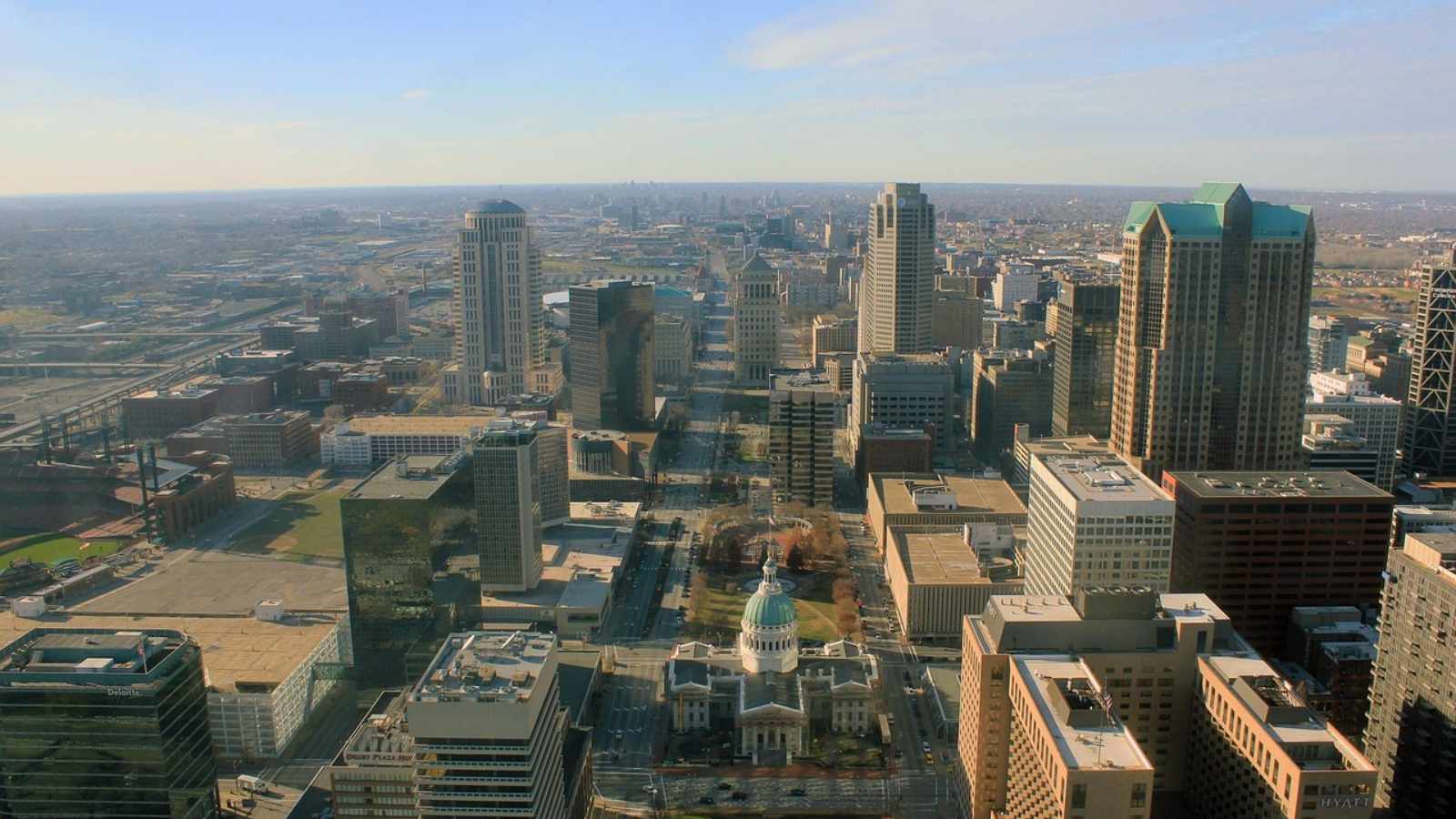
St. Louis, the Gateway to the West, was an ambitious port and railroad hub in the 19th and 20th centuries, meant always to be a colossal commercial capital. Its magnificent architecture and central location defined a powerful, aspirational lifestyle.
Racial tensions, suburban sprawl, and the loss of manufacturing jobs led to an extraordinary exodus. A Civitas study found that St. Louis lost over 65% of its peak population between 1950 and 2010, the steepest decline of any major US city in that period.
Cleveland, Ohio

Cleveland was once a titan of heavy industry, renowned for its immense wealth and cultural richness, boasting the nickname “The Forest City” and a symphony orchestra that rivaled those of any other city in the world. It was founded on the promise of durable, industrial finance.
Decades of deindustrialization, especially in steel and manufacturing, punched a massive hole in the city’s economic health. The struggles here demonstrate that even the most powerful industrial towns are vulnerable to collapse when their industrial model changes.
Baltimore, Maryland

As one of the nation’s oldest ports, Baltimore has always envisioned itself as a vital maritime and manufacturing hub, with the magnificent Inner Harbor at its core. It was a city designed to thrive on global travel and shipping.
Despite revitalization efforts, persistent poverty and crime plague many areas. Baltimore has a median household income of approximately $59,623, placing it significantly below the national median. This financial disparity breaks the spirit of its initial promise.
Flint, Michigan

Flint was another cornerstone of the automotive industry, the birthplace of General Motors, and a symbol of American middle-class prosperity and financial stability. Its fortunes were tied entirely to the food chain of auto parts suppliers.
The city’s struggle was compounded by the devastating water crisis, which became an international scandal, destroying public trust and damaging community health.
Save this article
Birmingham, Alabama

Birmingham was forged in the fire of the South’s iron and steel boom, earning it the nickname “The Magic City” due to its rapid growth fueled by industrial wealth. Its founders believed it would be the new Pittsburgh, always guaranteeing success.
While it has shed its industrial past, the city still faces deep-seated issues related to its past and economic transition. The loss of industrial jobs meant that many families could no longer afford their budgets, forcing them to rely on other sectors.
Niagara Falls, New York

The New York side of Niagara Falls was always intended to be a perpetual tourist magnet, capitalizing on the immense power and beauty of the falls to generate revenue and tourism income. Its ambition was to be a world-class destination.
Years of mismanagement, loss of heavy industry, and a focus on the Canadian side’s development have left the New York City center struggling. The New York side of Niagara Falls reported a 16.5% decrease in spending by domestic tourists between 2019 and 2022.
New Orleans, Louisiana

New Orleans was founded as a crucial French port, a cultural and economic jewel intended to dominate trade in the Gulf of Mexico. Its architectural beauty, food scene, and entertainment lifestyle were meant to be eternal sources of prosperity and inspiration.
While its spirit remains, the city faces perennial infrastructure challenges and pre-existing economic struggles exacerbated by extreme weather.
Dayton, Ohio

Dayton was a hub of invention, home to the Wright Brothers and a powerhouse of innovation and manufacturing, always budgeting for expansion. It was known for its industrial ingenuity and a strong middle-class lifestyle based on those jobs.
The city suffered a massive blow from the departure of its manufacturing base and corporate headquarters. The exodus of businesses impacted everything from local tax revenue to residents’ access to healthy options, leaving a lasting legacy of economic strain.
Camden, New Jersey

Camden, located just across the Delaware River from Philadelphia, began with aspirations of industrial success and a vibrant port, perfectly positioned to become a major manufacturing center and travel hub. It was meant to always benefit from its location.
Decades of decline and high poverty have shattered that original vision, making it one of the nation’s most impoverished cities. The lack of investment has led to poor health outcomes and the heartbreaking sight of decay.
Key Takeaway

These cities always serve as powerful reminders that a city’s success is never guaranteed, and when the original economic foundation crumbles, the ensuing decline can leave behind a heartbreaking contrast between past ambition and current reality.
Disclaimer: This list is solely the author’s opinion based on research and publicly available information. It is not intended to be professional advice.
Disclosure: This article was developed with the assistance of AI and was subsequently reviewed, revised, and approved by our editorial team.
10 Luxury Home Decor Touches To Elevate Your Living Space

10 Luxury Home Decor Touches To Elevate Your Living Space
I’ve tried and styled many of these ideas in my own home and for clients. The difference these small changes make is amazing. Swap harsh lighting for warm lamps, or add a wine fridge to your kitchen, and your house quickly feels less like just a place to live and more like a home you’re proud to share.
Let me walk you through ten luxury upgrades I swear by, ones that can transform your home without needing a complete remodel.
9 Clever Small Backyard Ideas to Maximize Every Inch of Your Space

9 Clever Small Backyard Ideas to Maximize Every Inch of Your Space
Let me tell you about my first backyard. It wasn’t really a backyard. It was more of a… well, my friends kindly called it a “patio,” but in reality, it was a sad, 15-by-20-foot rectangle of dusty ground and patchy weeds.
Here are 9 clever small backyard ideas that will help you maximize every inch of your space.





