Texas has emerged as the epicenter of domestic migration in 2026, attracting Americans from every region of the country. Texas captured a notable share of interstate movers, drawing in 7.8% of all Americans who crossed state lines. Roughly 556,000 people chose Texas as their new home, producing a net gain of around 73,000 residents, per the Texas Relocation Report.
Population growth concentrates in cities such as Austin, Dallas-Fort Worth, and Houston, fueled by job opportunities, affordability relative to coastal metros, and favorable tax policies. Relocation decisions increasingly weigh quality of life alongside career prospects.
Texas offers a powerful mix of economic opportunity, more affordable housing compared to coastal states, and a dynamic cultural scene, a winning combination that helps explain why so many people are choosing to move there.
Here are 12 ways Texas continues to attract movers faster than any other state.
Job Market Expansion

According to data from the U.S. Bureau of Labor Statistics and reports from the Texas Workforce Commission, Texas led the nation in job growth during 2025, adding 132,500 nonfarm jobs from December 2024 to December 2025.
The tech sector, manufacturing, and energy industries all contribute to the state’s diversified economy. Companies including major corporate relocations from California and New York have made headlines, citing lower operational costs and access to a skilled labor pool.
Labor economists explain that steady job creation drives relocation decisions as workers seek upward mobility alongside affordability. Texas’ thriving urban centers act as magnets for young professionals, remote workers, and families alike.
Business-Friendly Tax Policies

Texas’ absence of a state income tax remains a major incentive for both individuals and corporations. According to the Tax Foundation, residents save thousands annually compared to high-income coastal states.
Entrepreneurs and small business owners increasingly cite tax advantages as a key factor when considering relocation.
Lower personal and corporate tax burdens allow households to redirect resources toward housing, education, and lifestyle priorities, strengthening the state’s appeal over competitors like California, New York, and Illinois.
Affordable Housing Relative to Coasts

Despite rising prices in Austin and Dallas, Texas still offers housing costs well below those of New York, Los Angeles, and San Francisco metro areas. According to Zillow, the median home price in Texas is roughly 30-40% lower than major coastal cities, giving first-time buyers and relocating families stronger purchasing power.
Realtors report an influx of out-of-state buyers, often paying above list price to secure properties in growing suburbs. Affordability continues to act as a primary driver of domestic migration to Texas.
Diverse Economic Hubs

Texas isn’t a single-market economy. Houston leads in energy and healthcare, Austin dominates tech innovation, Dallas-Fort Worth anchors finance and logistics, and San Antonio supports military and tourism sectors.
Diversified regional economies reduce relocation risk because new residents aren’t reliant on one industry. Families can move to a Texas metro aligned with their career, lifestyle, and climate preferences.
Lower Cost of Living

Beyond housing, the overall cost of living in Texas remains competitive. The Council for Community and Economic Research reports that everyday expenses, from groceries to transportation, are substantially lower than in coastal states.
Out-of-state movers frequently cite predictable utility costs, vehicle expenses, and no state income tax as key factors allowing for more disposable income.
Cultural Vibrancy

Texas attracts residents not just with economics but with culture. Cities like Austin boast music, tech, and startup culture; Houston offers global cuisine and arts; San Antonio blends history with modern amenities.
Save this article
Lifestyle and recreational opportunities increasingly influence relocation decisions, with surveys showing that younger professionals prioritize cultural vibrancy alongside affordability.
Quality Education Options

Texas has invested in K-12 school improvements and boasts numerous higher education institutions, including University of Texas and Texas A&M University.
Families relocating to Texas often cite access to strong public schools and affordable higher education as a reason to move, enhancing the state’s long-term attractiveness.
Warm Climate with Regional Variety

Texas offers climate variety, from the humid Gulf Coast to temperate Hill Country and semi-arid West Texas. While extreme heat affects certain regions, newcomers often select areas with moderate winters and temperate outdoor conditions.
Climate analysts note that compared to harsh Northeastern winters or hurricane-prone Florida, Texas offers appealing year-round living options for many Americans.
Expanding Infrastructure
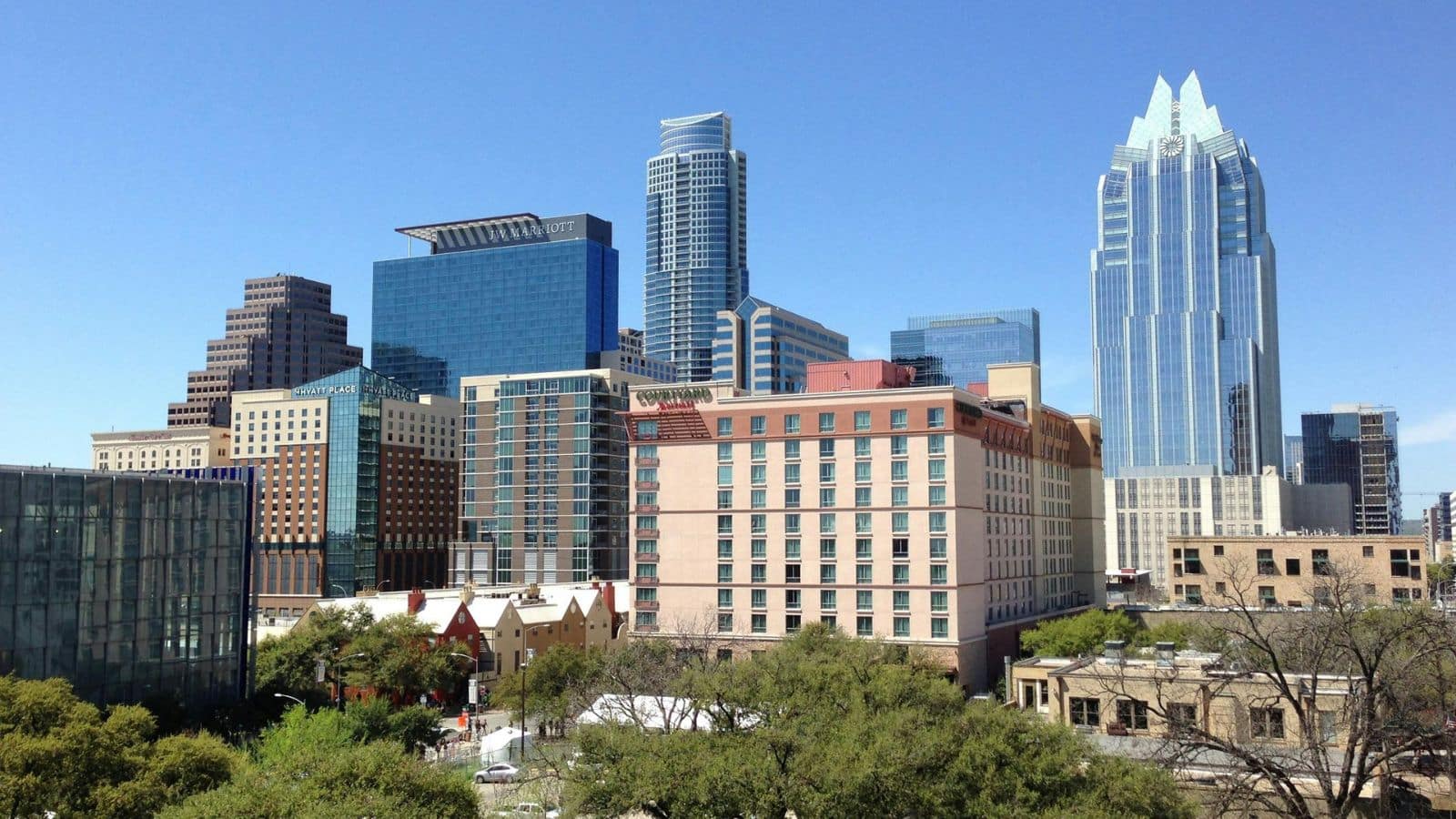
Urban planning and infrastructure development in Dallas-Fort Worth, Austin, and Houston accommodate rapid population growth. Roads, airports, and public utilities continue expanding to meet demand.
Transportation analysts point out that accessible highways and airport connectivity reinforce Texas’ desirability for both business and leisure relocation.
Remote Work Flexibility

Remote work trends accelerate Texas’ appeal. Affordable suburban housing combined with reliable internet and coworking spaces allows remote employees to relocate from higher-cost metros.
A 2025 survey by Upwork indicated that Texas ranked in the top five states for remote worker relocation interest, highlighting the state’s infrastructure and cost advantages.
Vibrant Job Networking and Entrepreneurship Ecosystem

Texas cities host growing professional networks, startup incubators, and industry events. Austin’s tech ecosystem, Houston’s energy innovation, and Dallas’ finance hubs support networking and mentorship opportunities.
Experts note that relocation is increasingly influenced by access to professional communities and career growth, giving Texas an edge over slower-growing markets.
Lifestyle Diversity

Texas provides a wide range of lifestyle choices, including vibrant city environments, family-friendly suburbs, and peaceful rural escapes. Outdoor enthusiasts find lakes, rivers, and parks; cultural aficionados enjoy museums, music festivals, and food scenes.
Analysts emphasize that lifestyle diversity complements economic opportunity, attracting residents seeking both career and personal fulfillment in one location.
Key Takeaways

• Texas’ dominance in domestic migration stems from the intersection of affordability, jobs, and lifestyle.
• Low taxes, diversified economies, and cultural vibrancy strengthen its appeal.
• Remote work, infrastructure growth, and professional ecosystems amplify relocation trends.
• The combination of economic, social, and climate factors positions Texas as the most attractive state for movers in 2026.
Disclaimer: This list is solely the author’s opinion based on research and publicly available information. It is not intended to be professional advice.
Like our content? Be sure to follow us