
Never before have people spent so much money trying to be healthy.
From supplements and detoxes to biohacking gadgets and personalized nutrition plans, the modern wellness industry has transformed health into one of the world’s fastest-growing businesses. The Global Wellness Institute estimates the global wellness economy exceeded $6 trillion in 2023 and continues to expand rapidly.
But bigger isn’t always better. As wellness has become more profitable, the line between sound science and persuasive marketing has grown increasingly blurred. Many of today’s most popular health trends contain a grain of truth—but not always the evidence needed to justify the promises.
Here are 12 wellness beliefs that deserve a closer look.
Detox Teas and the Myth of the Dirty Body
Detoxes appeal to intuition. If you feel unwell, something must be dirty. Yet major health agencies and clinicians consistently note there is little scientific evidence that commercial detoxes remove toxins or improve long-term health. The liver, kidneys, lungs, and gut already detoxify continuously, a point emphasized by institutions like Brown University.
A 2022 peer-reviewed review of fad diets found no clinical evidence supporting detox diets for sustained weight loss. Clinicians explain that detox teas mostly cause temporary water and stool loss, not fat loss.
Investigations also show many rely on senna, a laxative linked to dehydration and liver injury with prolonged use. As nutrition professor Jim Mann has said, there is simply no good evidence that these products do what they promise.
Wearable Trackers and the Illusion of Precision
Consumer wearables perform well enough to feel authoritative. Reviews show they are fairly accurate for steps and basic heart rate, with recent analyses finding heart rate errors of about plus or minus three percent under ideal conditions. That level of accuracy is enough to hook users.
But accuracy drops in real life and for complex metrics. Sleep tracking is especially unreliable. Studies comparing wearables with clinical sleep tests show devices often overestimate total sleep by about 45 minutes and poorly detect awakenings. Clinicians stress that wearables are health-adjacent tools, useful for habits but not for diagnosing medical conditions.
Heat, Light, and the Promise of Detoxification
Infrared saunas and red light therapies are often framed as high-tech detox tools. The National Library of Medicine suggests that saunas may support relaxation, temporary pain relief, and cardiovascular conditioning. Red and near-infrared light also has plausible biological effects related to mitochondrial function and inflammation.
Still, toxicology experts emphasize that most toxins are processed by the liver and kidneys, not sweat. Reviews note that red light studies often rely on small samples and inconsistent protocols. These modalities may help in limited ways, but consumer claims about deep detox and dramatic transformation remain well ahead of the science.
Adaptogens and the Limits of Herbal Fixes
Adaptogens thrive because they align with modern stress. Clinical trials do show that standardized ashwagandha extracts can reduce perceived stress and cortisol. One randomized, placebo-controlled trial found significant improvements in anxiety and stress symptoms, and another reported roughly a 27.9 percent cortisol reduction over 60 days.
But reviews emphasize that these herbs are adjuncts, not solutions. Supplements cannot override chronic sleep loss, excessive work hours, or unresolved psychological strain. The booming supplements market highlights the mismatch: spending on pills continues to rise while the structural causes of stress remain largely untouched.
Cold Plunges and the Shock of Certainty
Cold water immersion produces real physiological effects. Studies show sharp increases in norepinephrine and dopamine during or shortly after exposure. A 2025 systematic review also found time-dependent effects on inflammation, stress markers, and quality of life. Mood studies also report short-term boosts in alertness and energy.
What remains unclear is long term impact. Evidence that cold plunges reliably treat depression, anxiety, or significantly boost fat loss is limited. Some research even shows reduced muscle growth when cold immersion follows strength training. Cold exposure does something, but it is not a cure-all.
Clean Eating, Algorithms, and Expectation Effects
Social media has become a powerful wellness amplifier. In a March 2024 U.S. survey, only 7 percent of users reported a very positive mental health effect from social platforms, while about 34 percent reported a negative one. Research shows that while online spaces can offer support, they also amplify anxiety and misinformation.
Placebo and nocebo research adds context. Expectations alone can produce real symptoms or relief, and social media acts as a mass suggestion engine. When restrictive diets or protocols go viral, expectation-driven effects can make weak interventions feel biologically powerful.
Self-Care as Consumption
The mental health market is expanding rapidly, with forecasts suggesting more than $150 billion in growth between 2024 and 2029. Teletherapy and wellness apps are key drivers, but evaluations often find limited long-term engagement unless paired with evidence-based care.
Save this article
At the same time, corporate wellness products are proliferating, with the U.S. market expected to roughly double by 2033. Buying self-care products feels proactive, yet data consistently point to sleep, social connection, and structured therapy as the strongest mental health drivers.
Supplements as a Parallel Health System

The supplement industry now functions as a parallel healthcare system. Estimates place the global market at $150 to $200 billion in 2024, with projections as high as $430 billion by the early 2030s. Mood, sleep, and cognitive supplements are among the fastest-growing categories.
Large reviews repeatedly find limited or inconsistent evidence for many popular claims, including immunity boosting and brain fog relief. When benefits exist, they are usually modest compared with fundamentals like diet, exercise, and sleep. The science trails the sales.
Why Sensible Wellness So Often Disappoints
Across trends, the same problems recur. Many target symptoms instead of systems, stress instead of work conditions, and bloating instead of overall diet quality. Placebo effects, amplified by social media, can make modest interventions feel transformative.
The wellness economy continues to grow even as population-level stress and chronic disease remain high. The data suggest the issue is not effort but misalignment, with money flowing toward appealing ideas rather than toward what consistently improves health.
Key Takeaway
Wellness trends often sound reasonable because they borrow medical language without medical rigor. Research shows that while some offer small benefits, they rarely deliver lasting change.
The most reliable foundations of health remain unglamorous but clear: sleep, movement, nutrition, social connection, and structural support.
- 10 fruits that may help reduce visceral fat
- Top 12 Nutrient-Dense Spring Fruits and Vegetables to Boost Your Health Naturally
- The hidden role of saturated fats in metabolic health
12 Eating Habits That Increase the Risk of Liver Cancer

Research increasingly links modern eating habits, from sugary drinks to ultra-processed foods, with the rising global burden of liver cancer.
Liver cancer, mostly hepatocellular carcinoma (HCC), is one of the deadliest cancers, with over 850,000 new cases diagnosed annually worldwide. Learn more.
12 foods that may be making your hair thinner over time
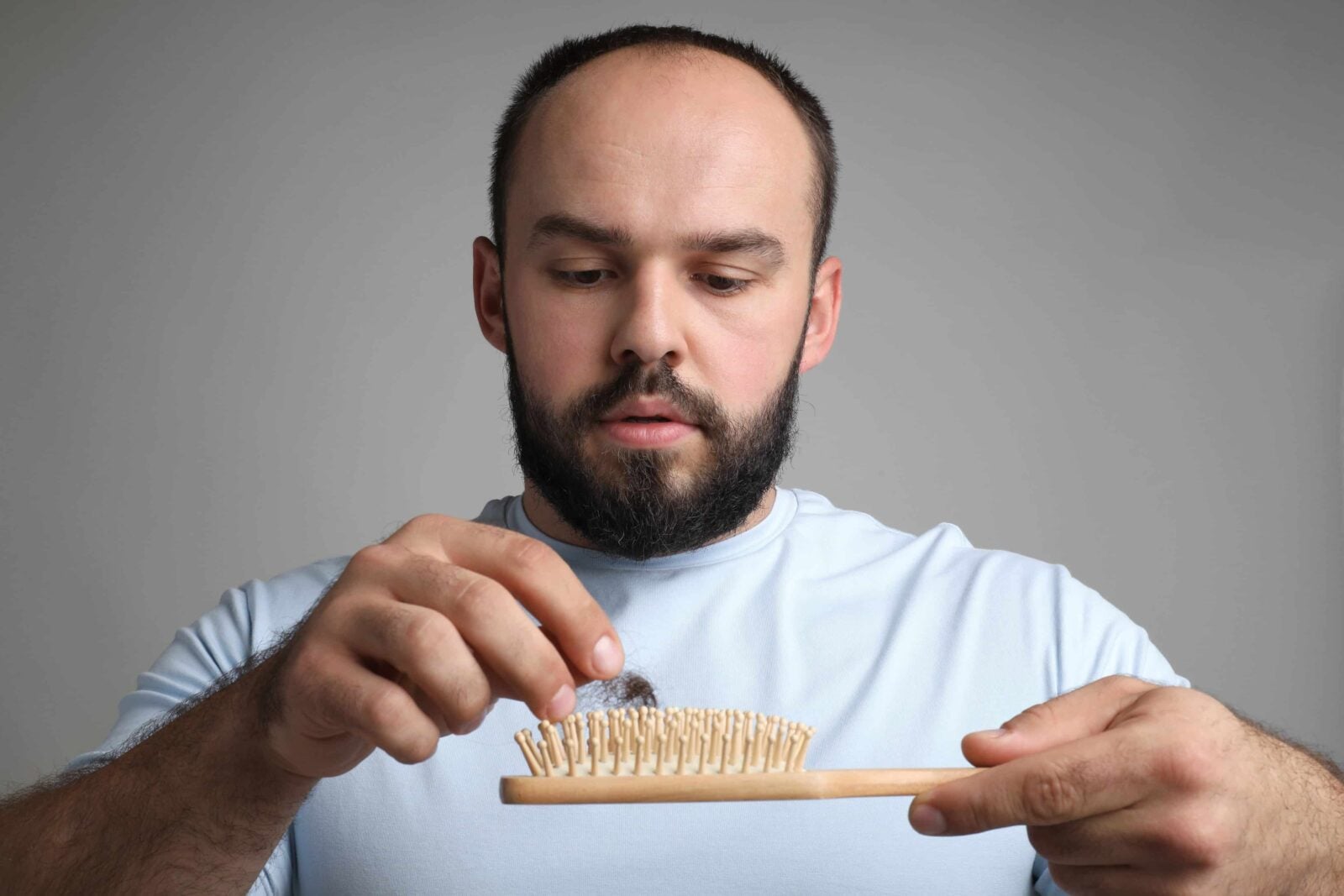
When the body runs low on nutrients, hair is one of the first systems it stops prioritizing.
We often blame hair products or genetics for thinning hair, but the real culprit may be what’s on your plate. Hair health starts from within, and if you’re not fueling your body with the right nutrients, your hair may suffer the consequences. Learn more.
You might be eating too much protein, here’s what it can do to your body

Protein is often seen as one of the safest ways to improve your diet. But more isn’t always better.
It plays an essential role in muscle repair, metabolism, and overall health. That’s part of why many people are increasing their intake, especially through supplements and high-protein foods. But in some cases, consistently consuming large amounts can put added strain on the body, particularly the kidneys. Learn more.





