Growing up, I always thought there was nothing strange about slathering peanut butter on everything from apples to toast, but that assumption shattered during my first international trip. I was traveling through Europe when I pulled out a trusty jar of peanut butter to calm my snack cravings.
My new European friends watched in horror as I spread it thickly on a slice of bread and topped it with a drizzle of honey. “What is that?” one of them asked, looking almost offended. I laughed it off, thinking they just hadn’t had the good stuff yet.
But as it turned out, peanut butter was only the beginning of the uniquely American food habits they couldn’t wrap their heads around.
Sweet potato casserole (With marshmallows)

This side dish is basically mashed sweet potatoes dressed up with brown sugar and spices, then topped with a layer of marshmallows that get all golden and gooey in the oven. For many Americans, especially those from the South and Midwest, it’s not Thanksgiving without this sweet treat masquerading as a vegetable.
The whole concept throws international guests for a loop. Most food cultures keep sweet and savory dishes in separate lanes, so seeing marshmallows on the dinner table (not the dessert table) feels like breaking some unspoken food rule.
But for Americans, it’s pure nostalgia on a plate. It’s that perfect mix of comfort and tradition that makes family gatherings feel complete.
Biscuits and gravy

Nothing says “Southern comfort” quite like fluffy biscuits drowning in thick, creamy sausage gravy. But if you’re not from the South, this breakfast combo might seem pretty intense for your morning routine. These aren’t the sweet, crispy cookies that the rest of the world calls biscuits. American biscuits are soft, buttery bread rolls that soak up that rich, peppery gravy like little flavor sponges.
For visitors expecting a light breakfast of pastries and fruit, biscuits and gravy can feel like a full dinner disguised as morning food. But Americans who grew up with this dish know it’s the ultimate “stick-to-your-ribs” fuel for a busy day.
Chicken and waffles

Sweet syrup meets crispy fried chicken in this combination that sounds crazy until you try it. Then it makes perfect sense (at least to Americans). This dish has spread from Southern soul food restaurants to trendy brunch spots across the country. The sweet-salty contrast hits all the right notes, with the syrup adding sweetness to balance the savory, spicy chicken.
International visitors often can’t wrap their heads around mixing breakfast and dinner on one plate. Syrup on fried chicken? That’s not a thing in most places. But Americans love breaking food rules when it tastes this good. The dish represents everything we love about comfort food: it’s indulgent, surprising, and creates new traditions from old favorites.
Corn dogs

Take a hot dog, put it on a stick, dip it in sweet cornmeal batter, and fry it until golden. Congratulations, you’ve just made a corn dog – the ultimate American fair food. These portable treats are carnival classics that Americans consume by the millions every summer.
Most international visitors see corn dogs as novelty food or “kid stuff” rather than something adults get excited about. The sweet batter coating processed meat seems weird when you’re used to more traditional sausage preparations. But Americans don’t eat corn dogs for sophistication – we eat them for fun.
They’re nostalgic reminders of childhood summers, county fairs, and the simple joy of eating something ridiculous and delicious.
Peanut butter & jelly

The humble PB&J sandwich is probably the most American lunch ever created, but it’s also one of the most confusing foods for international visitors. For us, it’s the ultimate comfort food – simple, satisfying, and packed with memories.
But here’s the thing: peanut butter is expensive or hard to find in many countries. Where it exists, it’s often used for cooking or candy-making, not as a daily sandwich spread. The idea of combining it with grape jelly on white bread strikes many foreigners as overly sweet and oddly textured.
They’re not wrong – it is sweet and the texture is… unique. But that’s exactly why Americans love it.
Ranch dressing

Ranch dressing is the ultimate American condiment, and we put it on absolutely everything. Salad? Obviously. Pizza? You bet. French fries? Why not. Vegetables? Ranch makes them edible for picky kids everywhere. It’s creamy, tangy, and somehow makes every food taste better (at least to American palates).
The rest of the world doesn’t really get the ranch thing. The buttermilk-herb flavor profile is pretty much unique to American food culture. Other countries prefer oil-based dressings or lighter vinaigrettes, so our thick, creamy ranch seems excessive. But Americans love that bold, crowd-pleasing flavor that works on just about everything.
Deep-fried fair foods

Deep-fried butter. Deep-fried candy bars. Deep-fried Coca-Cola. If it exists, Americans have probably tried to batter and fry it at a state fair somewhere. These extreme fair foods push boundaries in ways that fascinate and horrify international visitors.
Most visitors see these creations as over-the-top or unhealthy, suitable maybe for a once-in-a-lifetime dare rather than actual food. Americans, though, embrace the “why not?” spirit of fair food. It’s about fun, experimentation, and giving yourself permission to try something completely ridiculous.
Sloppy joes

Imagine ground beef in a sweet, tangy sauce served on a soft bun that can barely contain the messy filling. That’s a Sloppy Joe – loved by American kids and confusing to pretty much everyone else. The whole concept revolves around messiness, which goes against most cultures’ ideas about proper sandwich construction.
International visitors often struggle with the “wet sandwich” concept. Most sandwiches around the world are designed to be neat and portable, not drippy and sauce-heavy. But Americans grew up with Sloppy Joes at summer camps and school cafeterias, where the mess was part of the fun. It’s comfort food that doesn’t take itself too seriously.
Jell-o salads

Save this article
Calling something with marshmallows, fruit, and colorful gelatin a “salad” confuses people, but Americans have been doing it for decades. These wobbly, neon creations were huge in mid-century America and still show up at potlucks today. The textures and colors can be pretty wild – think lime gelatin with cottage cheese and pineapple, or orange Jell-O with carrots and marshmallows.
International visitors often can’t get past calling something this sweet a “salad.” The jiggly texture and artificial colors don’t help either. But for Americans, especially in the Midwest, Jell-O salads represent hospitality and family gatherings. They’re nostalgic reminders of a time when creativity in the kitchen meant experimenting with new convenience foods.
Grits

Grits are a Southern staple that can be hard to appreciate if you didn’t grow up with them. They’re made from ground corn and have a creamy, sometimes lumpy texture that can seem bland to newcomers.
For Southerners, grits are comfort food – served with butter, cheese, shrimp, or whatever else makes them delicious. They’re the perfect base for other flavors.
Visitors often struggle with the texture and mild flavor. Compared to polenta or rice, grits can seem like “corn mush” that needs a lot of help to taste good. But Americans who love grits appreciate exactly that simplicity. They’re humble, filling, and connect us to agricultural traditions and family history.
Spam

Spam, the canned pork product, is either loved or completely misunderstood, depending on where you’re from. Many Americans view it skeptically, but it’s absolutely beloved in places like Hawaii.
The salty, processed meat became part of local food culture during World War II and never left. It’s in sushi, fried rice, and breakfast plates across the islands.
Most international visitors see Spam as “mystery meat” or emergency food rather than something you’d choose to eat regularly. The gelatinous texture and industrial origins don’t help its reputation. But for Americans who grew up with it, Spam represents resourcefulness and comfort. It’s affordable, shelf-stable, and nostalgic.
Cheese whiz and processed cheese
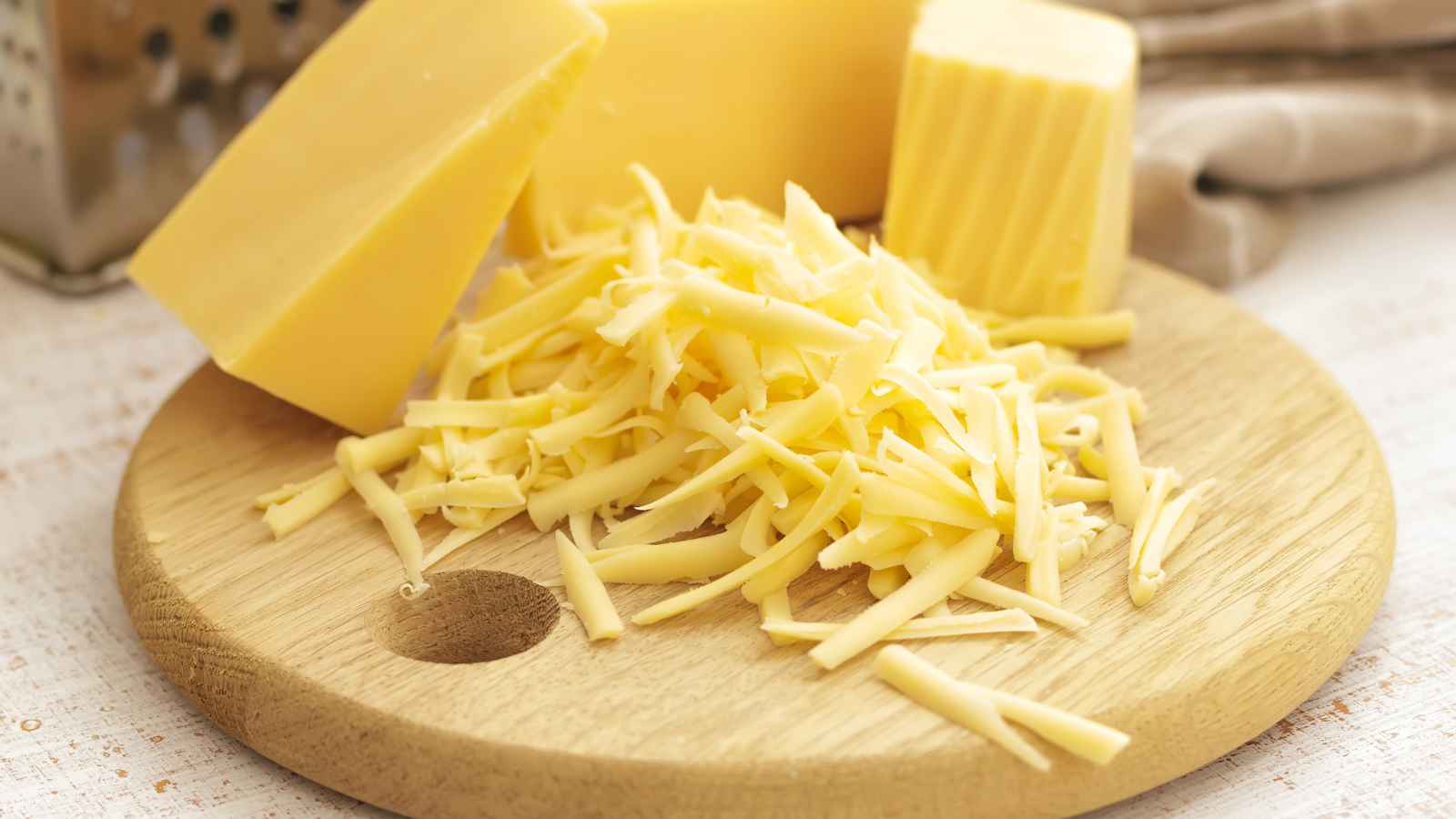
Highly processed cheese spreads like Cheese Whiz baffle people from countries with strong cheese traditions. The idea of cheese in a jar or spray can seems almost offensive to European sensibilities. We use these products on crackers, nachos, and vegetables without thinking twice about it.
International visitors, especially from Europe, often can’t get past the neon orange color and artificial ingredients. In countries where cheese-making is an art form, processed cheese spreads seem like a betrayal of everything cheese should be. But Americans appreciate the convenience, shelf life, and kid-friendly appeal of these products.
Sweet and savory mashups

Americans love combining sweet and savory in ways that surprise international palates. French fries dipped in chocolate milkshakes? Totally normal. Bacon on donuts? Why not? This willingness to break culinary rules comes from our culture’s embrace of creativity and individual preference. If it tastes good to you, go for it.
Other food cultures often maintain stricter boundaries between sweet and savory courses. The American approach of mixing everything together can seem chaotic or wrong. But this experimental spirit is part of what makes American food culture unique – we’re willing to try combinations that other cultures would never consider.
Why these foods matter

These 13 foods tell a bigger story about American culture. We’re experimental, we value comfort over convention, and we’re not afraid to break culinary rules if the result tastes good. What seems weird to outsiders often represents nostalgia, creativity, and the melting pot nature of American food culture.
Sure, some of these combinations might make food purists cringe. But they also represent the American spirit of “why not try it?” We take familiar ingredients and combine them in new ways, creating traditions that become part of our cultural identity.
Next time someone questions your food choices, remember that every culture has dishes that seem strange to outsiders. The beauty of food is that it connects us to our memories, our families, and our sense of home – even if that home includes marshmallows on sweet potatoes and ranch dressing on everything.
Disclaimer – This list is solely the author’s opinion based on research and publicly available information. It is not intended to be professional advice.
How total beginners are building wealth fast in 2025—no experience needed

How Total Beginners Are Building Wealth Fast in 2025
I used to think investing was something you did after you were already rich. Like, you needed $10,000 in a suit pocket and a guy named Chad at some fancy firm who knew how to “diversify your portfolio.” Meanwhile, I was just trying to figure out how to stretch $43 to payday.
But a lot has changed. And fast. In 2025, building wealth doesn’t require a finance degree—or even a lot of money. The tools are simpler. The entry points are lower. And believe it or not, total beginners are stacking wins just by starting small and staying consistent.
Click here, and let’s break down how.
12 laws and rules about food in other countries

12 Laws And Rules About Food In Other Countries
Food is more than just nourishment; it’s a reflection of culture, tradition, and, in many cases, the law. Around the world, various countries have established distinct food regulations that may surprise travelers and food enthusiasts alike.
These laws reveal how deeply societies value what ends up on their plates. Here are 12 fascinating food laws and rules from around the globe that show just how diverse and sometimes unexpected our relationship with food can be.