Across the 50 largest U.S. cities, housing now eats up about 25% of residents’ income on average, but in some hotspots that share climb to roughly 36%, and nationally, a record half of all renters are officially cost burdened, paying more than 30% of their income just to keep a roof overhead.
As the cost of living continues to rise across the United States, certain cities have become increasingly out of reach for many residents. Housing prices, rent, and daily expenses have surged, making it difficult for families and young professionals to stay.
While these cities might once have been affordable, a mix of rising demand, limited housing supply, and economic factors has pushed them into the “unaffordable” category. Here are 13 U.S. cities where living costs have skyrocketed.
San Francisco, California

Data from Redfin shows that San Francisco’s median home price climbed about 125% between 2012 and 2018, jumping from roughly $611,000 to about $1.38 million, and then increased only 8% to roughly $1.48 million by mid‑2024.
Rent has also increased dramatically, with the average monthly rent for a one-bedroom apartment nearing $3,000. These high costs, combined with a high state income tax and overall living expenses, have made San Francisco unaffordable for many.
New York City, New York

Manhattan’s median home price has been hovering around $1.2 million over the last few years, confirming its status as one of the most expensive U.S. markets. Housing surveys also indicate that average one-bedroom rents commonly exceed $3,000 per month, with $2,800 on the lower end of typical listings
Additionally, New York’s overall cost of living is 68% higher than the national average, driven by everything from dining out to transportation costs. While the city offers incredible job opportunities, the high living expenses make it a struggle for many residents.
Los Angeles, California

Los Angeles’ median home price is near $900,000, reflecting years of rapid appreciation and tight supply. Housing market data also indicates that average one-bedroom rents cluster between $2,500 and $2,600 per month.
With high housing costs, expensive transportation, and general living expenses, LA’s cost of living is 43% higher than the national average. While there’s no shortage of entertainment or job opportunities, many are finding it difficult to live here comfortably.
San Diego, California

San Diego’s median monthly rent is about $3,016 in 2025, making it one of the priciest large U.S. cities for renters. Within that overall figure, one-bedroom apartments average roughly $2,500 per month.
San Diego’s cost of living is roughly 45 to 50% higher than the national average once housing, utilities, transportation, and everyday expenses are factored in, which makes the city increasingly unaffordable for many middle‑class families hoping to put down roots there.
Also on MSN: 14 U.S. Cities Where Life Satisfaction Is Quietly Soaring
Seattle, Washington

The greater Seattle area now has the second-highest median home sale price in the U.S. at about $755,000, up 8.6 percent year over year, with only San Francisco ranking higher. The same report notes that even with active listings up more than 45 percent from a year earlier, inventory still is not keeping pace with demand, helping keep prices elevated in the Seattle area.
While Seattle offers high-paying job opportunities, the cost of living here is almost 50% higher than the national average, leaving many to reconsider their living situations due to housing and day-to-day expenses.
Austin, Texas
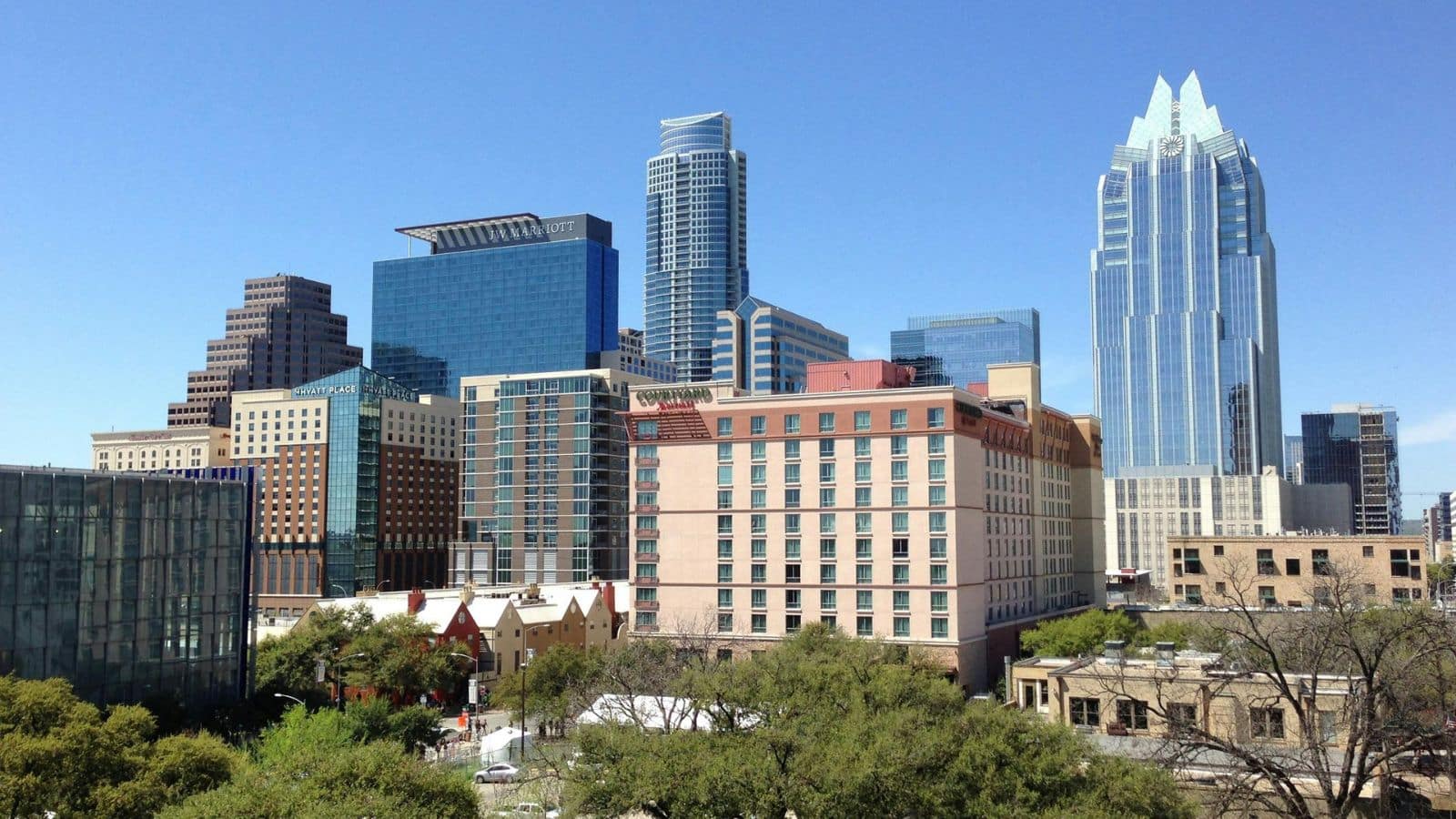
Austin’s median home price peaked around $500,000 in 2022, roughly double what typical homes sold for just five years earlier, reflecting one of the fastest run‑ups in the country and pushing many long‑time residents out of the market.
Rent prices have also jumped, with the average monthly rent for a one-bedroom apartment now $1,800. Austin’s cost of living is now about 30% higher than the national average, largely driven by a tech boom and rising housing demand.
Washington, D.C.

The average monthly rent for a one-bedroom apartment in Washington, D.C., is about $2,265 as of late 2025, which aligns closely with a $2,500 ballpark figure for many centrally located units.
With overall living costs 41% higher than the national average, it has become difficult for many to afford to live in D.C. unless they earn a high salary. Even outside the core areas, housing remains pricey.
Save this article
Miami, Florida

Miami’s typical home value is about $575,000 as of late 2025, modestly above the $500,000 benchmark and reflecting a slight 3.1% decline over the past year rather than ongoing rapid appreciation. That still leaves Miami firmly in high-cost territory relative to national home values.
Living in Miami is now about 20% more expensive than the national average, with costs for goods and services increasing significantly over the past decade. While Miami remains a cultural hub, its rising costs are pushing locals out.
Boston, Massachusetts

Boston’s typical home value is about $766,600 as of late 2025, meaning buyers are often facing prices above the $700,000 threshold. That level keeps Boston firmly in the ranks of the most expensive U.S. housing markets.
With its cost of living roughly 50% higher than the national average, Boston has become increasingly difficult for residents to afford, especially for young professionals or families just starting.
Chicago, Illinois

Chicago’s typical home value is about $308,000 as of late 2025, up 1.8% over the past year. That level is still well below coastal markets, but ongoing price gains are steadily eroding the city’s long-standing reputation for relatively affordable housing.
While Chicago’s cost of living is still somewhat below that of coastal cities, it is 23% higher than the national average, driving many out of the city in search of more affordable places to live.
Portland, Oregon

Portland’s typical home value is about $522,300 as of late 2025, slightly below the $550,000 reference but still very high by national standards. That price level reflects a market where even modest homes are increasingly out of reach for many local renters and first-time buyers.
Portland’s cost of living is now 30% higher than the national average, driven by the tech boom and its growing popularity as a place to live. Many Portland residents are feeling the strain as the city becomes less affordable.
Denver, Colorado

Denver’s median home sold price is about $585,500, slightly below the $600,000 reference but still very high by national standards. The median rental price is around $2,625 per month.
The overall cost of living in Denver has jumped to 31% higher than the national average, making it increasingly difficult for middle-class families to find affordable housing.
Las Vegas, Nevada

Las Vegas’s median rent is about $1,754 as of late 2025, placing it in the mid‑tier of large U.S. cities for rental costs. One-bedroom apartments average about $1,150 per month, while studio units average about $1,250, and four-bedroom rentals average about $2,500.
Although it remains more affordable than some other cities on this list, the cost of living in Las Vegas is 20% above the national average, making it less accessible to newcomers.
Key Takeaway

Many U.S. cities that were once considered affordable have now become financially out of reach for many residents. Rising housing prices, rent, and the cost of living have forced many people to look for more affordable places to settle. As the trend continues, potential movers need to weigh job opportunities and living costs before deciding where to live.
10 Cheapest Countries To Visit and Have a Great Time

10 Cheapest Countries To Visit and Have a Great Time
Without sugarcoating, traveling can be expensive, but that doesn’t always have to be the case. Various factors could influence how much you spend when on the move, but many expert travelers believe your choice of destination may determine how much you should be budgeting.
If you are looking for a lush, less dollar-gulping country with all the perks of unforgettable adventure, this list promises to hand you the fullness of your dream vacation without you first going broke.