Extreme weather is driving utility bills to record highs, forcing homeowners to rethink how they power and protect their homes.
Extreme weather brings a double whammy of discomfort and skyrocketing costs that can leave any homeowner feeling overwhelmed and frustrated by the mailbox. You try to stay comfortable while watching the thermometer roller coaster, but deep down, you know your bank account is about to take a serious hit.
It feels like you are constantly paying for the privilege of simply existing in your own home without freezing or melting. Finding a balance between physical comfort and financial sanity is the new American pastime, but you don’t have to lose the game just because the seasons are acting up.
Seal Those Sneaky Air Leaks

You might not see them, but tiny gaps around your windows and doors are sucking the money right out of your wallet every single day. Drafts are essentially invisible thieves that sneak in to steal your heated or cooled air while you are busy living your life. Grab a tube of caulk or some weatherstripping tape from the hardware store and spend a Saturday afternoon sealing up those cracks.
The difference this makes is not just in your head, as the Environmental Protection Agency has backed this up with hard numbers for years. Proper insulating and air sealing measures can save homeowners up to 15 percent of their heating and cooling costs, according to recent Energy Star estimates. That is a massive chunk of change that stays in your pocket instead of drifting out into the neighborhood.
Adjust The Thermostat Strategically

Most of us are guilty of cranking the AC or the heat to the max when we walk into a room that feels slightly off. You need to resist that urge and instead aim for the magic numbers of 68 degrees in winter and 78 degrees in summer. It might take a few days for your body to adjust to the new normal, but your body is adaptable, and your wallet will thank you.
Setting your temperature just a few degrees different can result in savings that you will actually notice when the bill arrives. Average household electricity bills in 2025 ran 9.6 percent higher than in 2024, so every single degree you adjust helps fight that rising tide. You can easily grab a sweater or a fan to bridge the gap without making your HVAC system work overtime.
Wash Clothes With Cold Water

The old myth that you need scalding hot water to get your clothes clean has been busted by modern detergent technology. Washing your laundry in cold water is just as effective for daily loads, and it stops your water heater from doing unnecessary heavy lifting. Your clothes will also last longer because the cooler temperature is much gentler on fabrics than high heat.
The financial impact of this simple switch is surprisingly large when you look at the data over a full year. Switching from hot to cold water reduces washing energy consumption by 90 percent 403, saving typical households hundreds of dollars annually. That is enough money to treat yourself to a nice dinner just for turning a dial on your washing machine.
Switch To Smart Thermostats
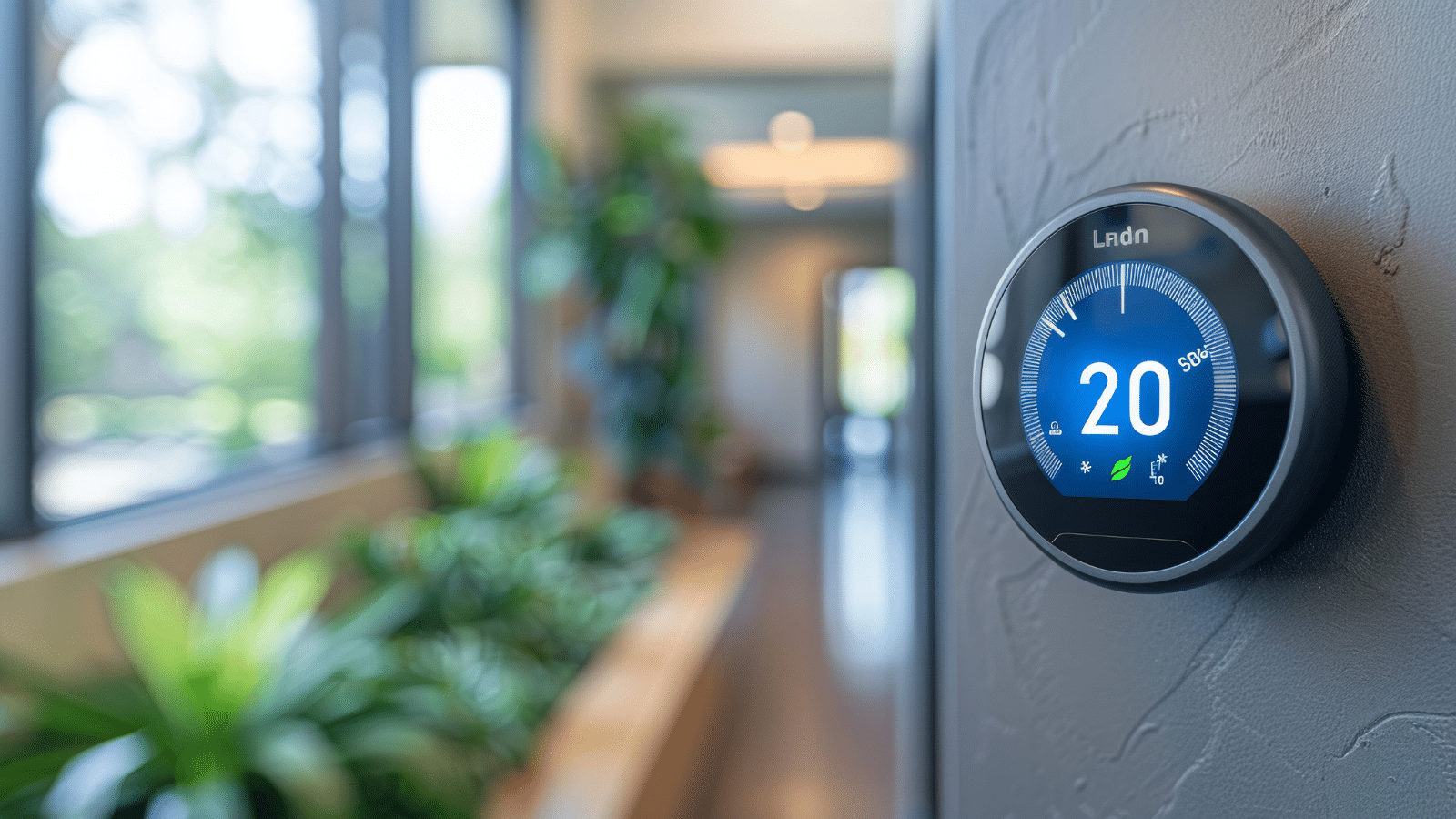
Manual thermostats are fine, but they rely on you remembering to change them every time you leave the house or go to sleep. A smart thermostat takes the human error out of the equation by learning your schedule and adjusting the temperature automatically. You can also control them from your phone, which is perfect for those times you forget to turn down the heat before a vacation.
Investing in this technology pays for itself faster than almost any other home improvement gadget you can buy. Homeowners can save an average of 10 percent on heating costs and 15 percent on cooling costs by utilizing smart thermostats effectively. It acts like a personal energy manager that never sleeps and is always looking for ways to save you cash.
Hunt Down Vampire Electronics

Your home is likely filled with devices that are sipping electricity even when they appear to be turned off. Televisions, gaming consoles, and coffee makers often stay in a standby mode that quietly adds to your monthly expenses. Walking around your house and unplugging things you are not using is a zero-cost way to stop this waste immediately.
This phenomenon is known as vampire power, and it is a silent budget killer that most people completely ignore. Standby power accounts for 5 to 10 percent of residential energy use and could cost the average household hundreds of dollars per year. Put your entertainment center on a power strip so you can cut the power to everything with a single flick of a switch.
Swap Bulbs To LEDs

If you are still holding onto those old incandescent bulbs, you are basically throwing money away every time you flip a light switch. LED bulbs run cool and use a fraction of the power to produce the same amount of light as their predecessors. They are now cheap enough that you can replace every bulb in your house for less than the cost of a tank of gas.
The longevity of these bulbs means you won’t be climbing on chairs to change them nearly as often. Residential LEDs use at least 75 percent less energy and last up to 25 times longer than traditional incandescent lighting options. This is one of the easiest wins in the book because you screw them in once and forget about them for years.
Maintain Your HVAC System

Save this article
Your heating and cooling system is the engine of your home, and like a car, it needs regular tune-ups to run efficiently. A clogged air filter forces your system to work harder and run longer to push air through your home. Make a habit of checking your filter every month and replacing it at least every three months to keep things flowing smoothly.
Ignoring this maintenance can lead to breakdowns right when the weather is at its absolute worst. A routine check-up by a professional can spot small issues before they become expensive disasters that leave you sweating or shivering. Keeping your system clean is the best way to extend its lifespan and keep your monthly usage as low as possible.
Use Fans To Assist

Ceiling fans are not just for decoration; they are powerful tools for managing how your body perceives temperature. In the summer, a fan creating a breeze can make a room feel several degrees cooler without you touching the thermostat. Remember that fans cool people and not rooms, so you should always turn them off when you leave the space.
You can also use them in the winter by flipping the little switch on the side to reverse the direction of the blades. Running the fan clockwise at a low speed pushes the warm air that rises to the ceiling back down to where you are sitting. This simple trick keeps the heat where you need it and stops your furnace from cycling on as often.
Manage Your Windows

Your windows are the weak point in your home’s armor against the outdoor elements. During hot summer days, keeping your blinds and curtains closed blocks out the sun’s heat and keeps your home naturally cooler. In the winter, you should do the opposite during the day to let the sunshine warm up your rooms for free.
Think of your window treatments as a tool rather than just decor. Heavy blackout curtains can act as an extra layer of insulation that traps heat inside during those freezing winter nights. It is a low-tech solution that requires zero electricity but delivers real results for your comfort level.
Lower Water Heater Temp

Water heaters are often set much higher than necessary by the manufacturer, sometimes scaldingly hot. Lowering the temperature to 120 degrees is sufficient for all your household needs and prevents accidental burns. This reduces the standby heat loss that happens while the water sits in the tank waiting to be used.
You won’t notice the difference in your morning shower, but your bill will definitely show the change over time. For every 10 degrees you lower the temperature, you can save up to $61 on on your water heating annual costs. It takes about five minutes to adjust, and it starts saving you money the second you walk away.
Cook With Small Appliances

Heating a massive oven just to roast a few vegetables or cook a small chicken is a huge waste of energy. Countertop appliances like air fryers, slow cookers, and toaster ovens use significantly less electricity than your full-sized range. They also won’t heat your kitchen in the summer, which keeps your air conditioner from working overtime to compensate.
Microwaves are the unsung heroes of energy efficiency when it comes to reheating or cooking simple meals. A microwave uses up to 80 percent less energy than a conventional oven for reheating small portions. Changing how you cook is a behavioral shift that keeps your kitchen cooler and your bills lower.
Air Dry Your Dishes

The heat dry cycle on your dishwasher is a massive energy hog that you really do not need. Most dishwashers have an option to turn off the heated drying and let the dishes air dry naturally. You can also simply open the door a crack after the wash cycle finishes to let the steam escape and the dishes dry.
This small change in your routine eliminates the most energy-intensive part of the dishwashing process. You are essentially paying for electricity to do something that air can do for free if you just give it a little time. Your dishes will still be clean, and you will shave a little bit off your bill with every single load.
Wash Full Loads Only

Running your washer or dishwasher when it is only half full is a habit that wastes gallons of water and kilowatts of power. Wait until you have a full load before you hit the start button to maximize the efficiency of every cycle. If you must run a smaller load, make sure you adjust the water level settings if your machine allows it.
This approach extends the life of your appliances because you are running them less frequently. By consolidating your chores, you spend less time doing laundry and dishes and more time doing things you actually enjoy. It is a simple discipline that pays off by reducing the total number of home runs your home runs each week.
Disclaimer: This list is solely the author’s opinion based on research and publicly available information. It is not intended to be professional advice.
Like our content? Be sure to follow us.