When your gut feels off, the fix might already be sitting in your fridge, tasting better and costing less than anything behind the pharmacy counter.
You may rush to the pharmacy aisle for a quick fix when your stomachs feel off, or your energy dips low. But the grocery store produce section holds far more potent and delicious solutions for gut health. Nature has provided us with incredible options that pack a bigger punch than any pill you could swallow with your morning coffee.
Many of these traditional staples have supported human health for centuries before we ever thought to bottle bacteria. Real food offers a complex matrix of nutrients that helps probiotics survive digestion and actually thrive in your system. Skipping the supplements saves you money and introduces a world of vibrant flavors to your daily diet.
Yogurt

This creamy staple is likely the first thing you think of when someone mentions gut health or friendly bacteria. It remains the most accessible way to introduce live cultures into your breakfast routine without changing your habits. You just need to check the label for “live active cultures” to make sure you are getting the real deal.
We Americans love this dairy product, and the numbers prove we are eating plenty of it every single year. In the US, yogurt consumption is about 14 pounds per person, with forecasts showing even more growth in 2026. That is a lot of calcium and protein supporting our collective digestion and keeping our bones strong.
Sauerkraut

Fermented cabbage might sound like a simple hot dog topping, but it is actually a nutritional powerhouse sitting in your fridge. The fermentation process unlocks vitamins and creates a tart flavor that wakes up your taste buds instantly. You can easily add a scoop to salads or sandwiches for a crunchy texture that pills simply cannot match.
You should look for the fresh kind found in the refrigerated section rather than the shelf-stable jars. Heat pasteurization kills the beneficial bacteria we want, so the raw and crunchy stuff is always the better choice. It is an easy side dish that requires zero preparation and delivers massive health benefits.
Kefir
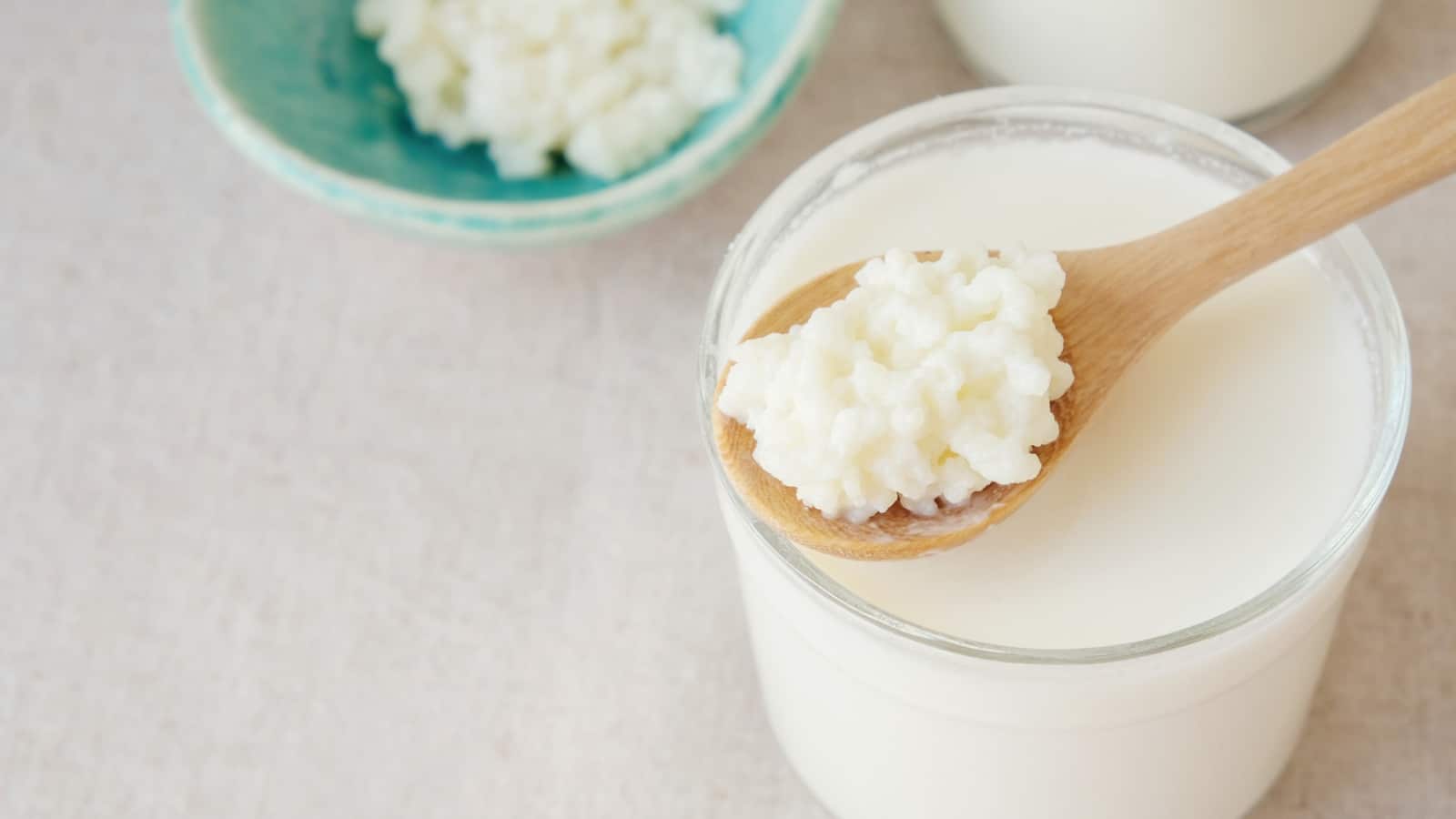
Think of this tangy drink as a supercharged, drinkable yogurt that carries a much wider variety of bacterial strains. It contains yeast and bacteria that work together to colonize your gut more effectively than standard dairy products. You can pour it over granola or blend it into a smoothie for a rich and creamy texture.
The popularity of this fermented milk drink has exploded as more people realize how powerful it truly is. The global kefir market size was valued at a massive $1.83 billion in 2025 alone. That figure represents millions of people waking up to the benefits of drinking their probiotics instead of popping them.
Kimchi
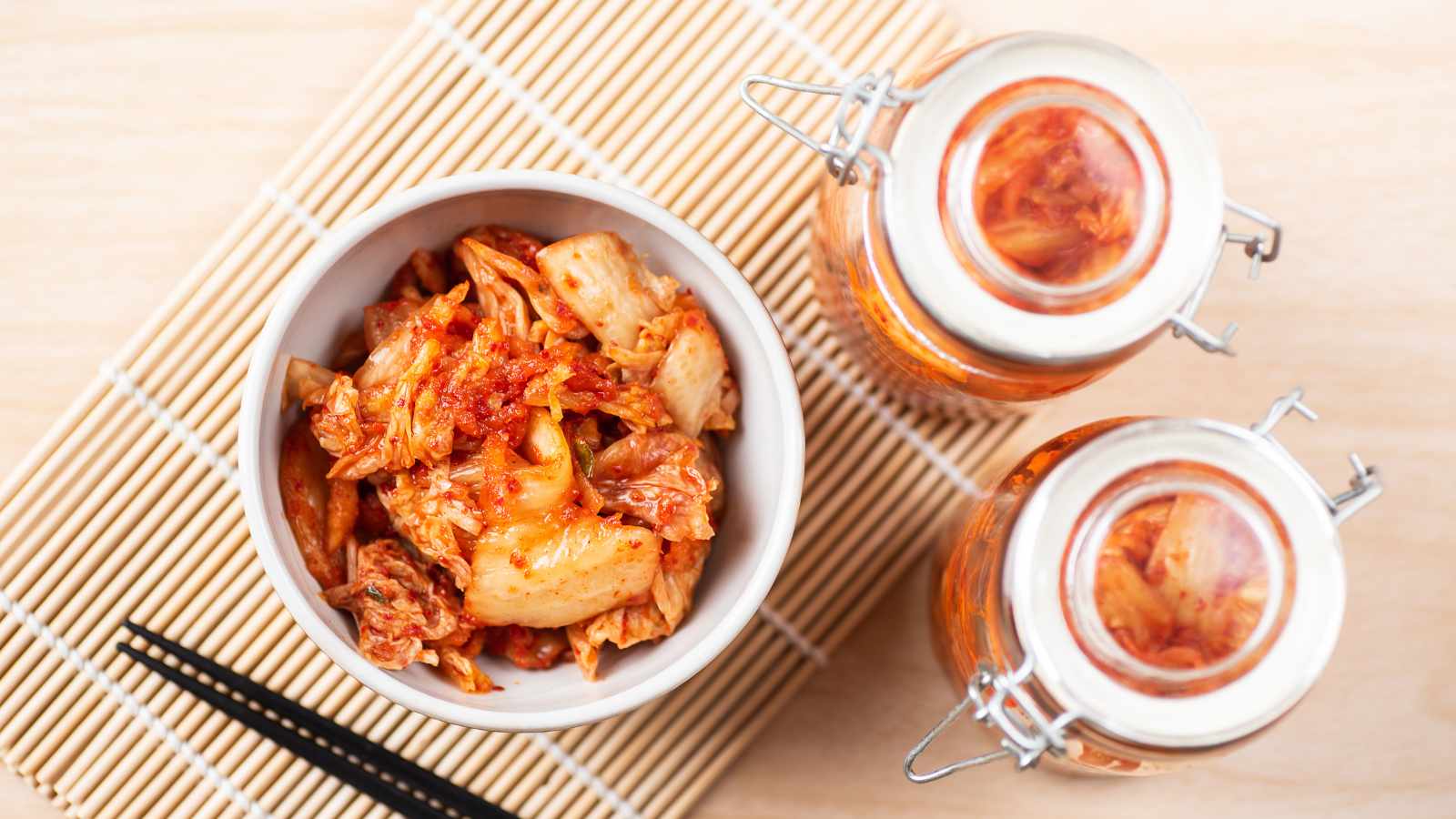
This spicy Korean staple brings the heat and the health benefits in every single bright red bite. Napa cabbage and radishes ferment with chili peppers to create a side dish that boosts your immune system. It is perfect for anyone who finds regular pickles too boring or wants to add serious flavor to rice bowls.
The world is catching on to what Korea has known for generations about this pungent and preserved vegetable dish. In 2025, South Korea’s kimchi exports reached a record high of $137.39 million, which was a 2% increase from the prior year. Clearly, more dinner tables around the globe are making space for this spicy, crunchy superfood.
Kombucha

This fizzy tea has transformed from a niche health store oddity into a mainstream beverage you can buy at gas stations. The fermentation creates a slightly sweet and vinegary taste that replaces sugary sodas perfectly. It offers a refreshing afternoon pick-me-up that supports digestion while giving you a gentle caffeine boost.
You might be surprised by just how much of this fermented tea people are drinking these days. The global kombucha market was valued at $3.25 billion in 2024 and is expected to keep climbing rapidly. That is a lot of bubbly tea helping people swap out high-fructose corn syrup for something alive and beneficial.
Miso

You have likely enjoyed this salty soybean paste in soup at your favorite sushi restaurant without realizing its power. It is packed with protein and essential minerals that support your overall wellness while adding deep umami flavor. A little bit goes a long way when you whisk it into dressings or marinades for grilled vegetables.
Chefs love it for its versatility, but your gut loves it for the active Aspergillus oryzae cultures it provides. You should add it at the very end of cooking because boiling water will kill the friendly bacteria. It turns a boring bowl of hot water into a comforting and healing broth in seconds.
Tempeh

This plant-based protein is made from whole soybeans that have been fermented into a firm and nutty cake. It offers a fantastic texture that stands up to grilling and frying much better than softer tofu options. The fermentation process also makes the nutrients in the soy easier for your body to absorb and utilize.
Save this article
Vegetarians have championed this food for years, but meat eaters are finally realizing how satisfying it can be. It serves as a prebiotic and a probiotic, meaning it feeds the good guys while adding more of them. You can slice it thin for a smoky “bacon” substitute or crumble it into tacos for a hearty meal.
Pickles

Not every cucumber in a jar counts as a probiotic food, so you have to know what to look for. You want the pickles fermented in salt water brine rather than the ones just soaked in vinegar on the shelf. These salty snacks deliver a satisfying crunch that satisfies cravings while populating your microbiome.
The label will usually say “naturally fermented,” or you will find them in the refrigerated aisle near the sauerkraut. The cloudy brine is actually a good sign that the jar is full of microscopic life. It is the easiest snack to grab when you need something salty but want to stay healthy.
Traditional Buttermilk

We are talking about the liquid left behind after churning butter, not the cultured stuff you usually use for pancakes. Grandmother’s version was full of live cultures and had a tart taste that some people still drink straight. It is lower in fat than regular milk but retains all the protein and calcium you need.
Finding the real thing might require a trip to a farmer’s market or a specialty health food store. Cooking with it destroys the bacteria, so try using it in cold soups or salad dressings. It adds a rich tanginess that brightens up heavy dishes without adding heavy cream.
Natto

This Japanese breakfast dish is famous for its sticky texture and very strong, distinct aroma. It is incredibly rich in Vitamin K2, which is vital for heart health and bone density. While the texture can be challenging for beginners, the health payoff is worth the culinary adventure.
The supplement industry knows people are looking for these benefits, but food is always the primary source. The global probiotics market size is expected to grow from $86.01 billion in 2025 to over $95.18 billion in 2026. Eating foods like natto allows you to bypass that expensive market entirely and get better nutrients.
Raw Cheese
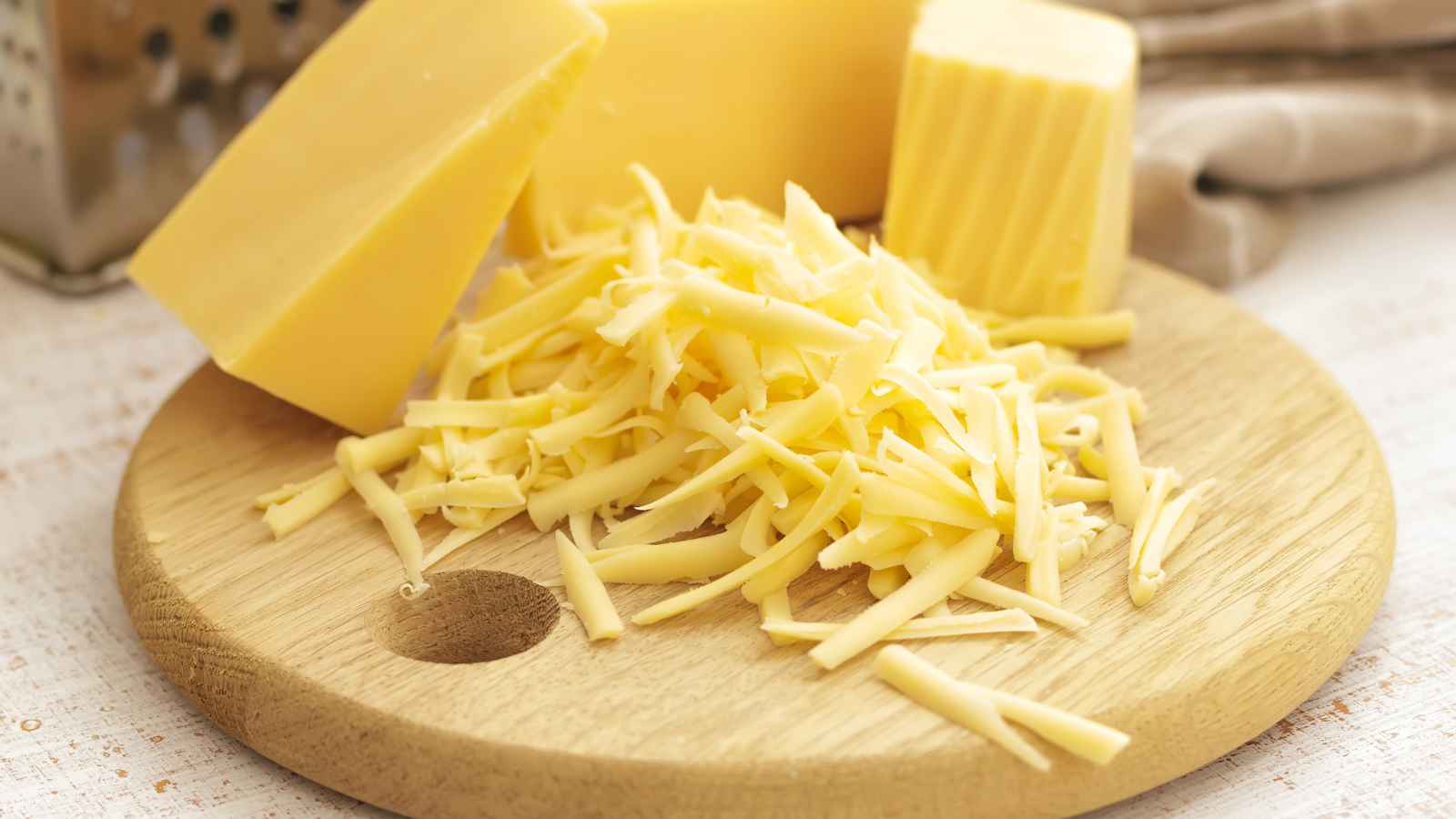
Certain aged cheeses like Gouda, Cheddar, and Swiss can actually carry beneficial bacteria through your digestive tract. The key is to look for raw or unpasteurized varieties where the cultures have not been cooked off. These cheeses act as a carrier that protects the probiotics from harsh stomach acid.
You can enjoy a sophisticated cheese board that doubles as a digestive aid for your post-dinner relaxation. Moderation is key here since cheese is high in fat, but a small slice packs a microbial punch. It is arguably the most delicious way to improve your gut diversity.
Apple Cider Vinegar

You need to buy the bottle that looks cloudy and has sediment settling at the bottom to get the benefits. That sediment is called “the mother,” and it contains the proteins and beneficial bacteria you are looking for. Many people mix a tablespoon into a glass of water before meals to help manage blood sugar.
It creates a fantastic base for salad dressings when mixed with olive oil and fresh herbs. The fermented nature of the vinegar adds a brightness to food that lemon juice cannot quite replicate. It is a pantry staple that works as hard for your health as it does for your flavor.
Sourdough Bread

The magic of sourdough comes from a live starter culture rather than instant commercial yeast packets. Long fermentation breaks down gluten and makes the minerals in the grain easier for your body to absorb. While the baking kills the bacteria, the prebiotic benefits for your gut remain intact.
This ancient method of bread-making has seen a massive resurgence as people crave real food again. The global fermented food market size was valued at a staggering $788.33 billion in 2025. Sourdough is a huge part of that, proving that we all crave the comfort of a good, crusty loaf.
Cured Olives

Olives that have been cured in brine naturally undergo a fermentation process that makes them probiotic. You should look for Sicilian or Spanish varieties that have not been treated with lye. The salt brine preserves them while allowing the good bacteria to flourish.
They make an excellent snack because they provide healthy fats along with your daily dose of bugs. Checking the ingredients list is vital to ensure you are not just buying vinegar-soaked fruit. It is a Mediterranean secret for longevity that tastes like a vacation.
Disclaimer – This list is solely the author’s opinion based on research and publicly available information. It is not intended to be professional advice.
Like our content? Be sure to follow us.