
Picture this: you’re 65, running circles around your grandkids at the playground while your friends complain about creaky joints. Sounds like a fantasy?
It doesn’t have to be. The world population is aging at a rate faster than the latest TikTok trends, and by 2025, old folks will constitute a significant portion of society. Here’s the kicker, though – about 93% of older adults live with at least one chronic condition. However, there is some good news before you go into panic mode.
Your choices today shape how you age tomorrow. We’re not talking about magic potions or expensive procedures here. Science has provided practical answers to ensuring that we can be lively and healthy beyond the age of 60. At the very least, you can eat and exercise, but, in addition to these obvious ones, there are now strategies that can help you age well.
So please grab a cup of coffee and let’s dive into 15 game-changing tips that’ll help you thrive in your golden years.
Hydrate your skin

As you age, your skin becomes increasingly thirsty for moisture. Consider it to be a sponge: when placed in the sun, it dries out and cracks. Approximately 45.3% to 55.6% of the older population experiences dry skin.
Daily moisturizing is a must. Apply products containing hyaluronic acid or glycerin after showering to help trap water. Sunscreen is essential; don’t skip it. UV-rays accelerate aging and lead to cancer.
Stay active

You don’t have to be a bodybuilder, but try to exercise as much as you can. The goal should be to walk or engage in moderate activity for at least 150 minutes a week, or 20 minutes a day, as recommended by the World Health Organization.
Jogging, swimming, and low-intensity strength training do not strain the joints, improve mood, and help prevent disorders such as Parkinson’s. Consistency beats intensity.
Eat nutrient-rich foods

Food is medicine. Stock up on colorful vegetables, fatty fish like salmon, and healthy oils like olive oil and flaxseed. It can include dark chocolate (even in small amounts) and green tea, which help prevent inflammation and support brain health, Healthline highlights. Focus on smarter choices most of the time.
The little sustainable adjustments to your diet go a long way in the long run.
Prioritize sleep

Sleep plays a significant role in repairing your body and retaining memory. Struggle with sleep? Ensure your bedroom is cool and dark. Avoid caffeine after 2 PM and refrain from screen time for at least an hour before going to bed. A calming bedtime routine can work wonders.
If you experience persistent sleepless nights, seek medical attention to address any underlying health issues.
Manage stress

Stressful experiences cause biological aging by reducing telomeres (markers of cell aging) by an average of 10 years, the National Institute of Health warns. Yoga, deep breathing, and mindfulness rebalance your nervous system.
Build social connections too—loneliness hurts cognitive health. Participate in clubs, volunteer, or spend time with the ones you love, even online.
Exfoliate regularly

Exfoliation sheds the topmost layer of dead skin cells, revealing a lighter complexion and enabling your skincare products to penetrate the skin more effectively. A smooth skin texture can be achieved by using chemical exfoliants, such as retinoids and alpha-hydroxy acid (AHAs), once or twice a week.
A Journal of the German Society of Dermatology study validates the fact that topical retinoids are a gold standard in the treatment of skin-aging signs. Constantly replenish your skin with a cool moisturizer to keep it hydrated and radiant.
Control chronic conditions

It is essential to live well and regulate chronic diseases such as high blood pressure or arthritis. Use drugs regularly, monitor your health metrics closely, and stay prepared with periodic examinations.
Stay informed about your condition and consider joining support groups to share experiences and gain valuable insights.
Embrace health tech

Wearables, such as smartwatches, track heart rate, sleep patterns, and physical activity. The rate of smartphone ownership among individuals aged 65 and above increased by 61 percent in 2021, compared to 18 percent in 2013, data from the National Institute of Health shows.
Domestic health care equipment, such as glucose meters and blood pressure monitors, makes health maintenance easy. These tools promote independence and catch issues early.
Stay mentally active

Your brain needs exercise, too. Engage in reading, puzzle-solving, or acquiring new skills to keep your mind agile, the Continental Hospitals recommends. Cognitive and social benefits are achieved through social activities such as playing cards—the key is lifelong learning, experimenting with a new hobby, or even learning a new language.
Even exploring creative ways of self-expression, such as painting, writing, and playing music, can stimulate the mind to be more agile and encourage happiness.
Quit smoking, limit alcohol

Save this article
Quitting smoking is one of the most effective ways to improve your health. Smoking ruins almost all the organs of your body. Reduction in alcohol is also prudent.
The older you are, the less efficiently your body breaks down alcohol, and as the National Institute on Alcohol Abuse and Alcoholism explains, too much alcohol consumption can exacerbate such conditions as osteoporosis and diabetes.
Protect bones and joints

The Department of Health, State Government of Victoria, Australia, notes that you can prevent osteoporosis by incorporating calcium and vitamin D into your diet and engaging in weight-bearing activities such as walking or dancing. Prevent falls by eliminating tripping hazards when going around at home and by using assistive devices when necessary.
Build your core muscles to enhance your balance and reduce the risk of falls.
Stay hydrated

As you age, you tend to become dehydrated, making it essential to stay hydrated by drinking water. Stock up on a bottle and/or juicy fruits like watermelon and cucumbers, which are hydrating.
These are the general recommendations:
- Men: 15.5 cups (3.7 liters) per day, from all fluids.
- Women: 11.5 cups (2.7 liters) per day, from all fluids.
- These totals include all beverages (water, tea, coffee, juice) and water-containing foods. About 20% of daily intake usually comes from foods.
- The “8 cups a day” rule is simple to remember, but actual needs can be higher or lower depending on personal factors.
Aim for pale yellow urine as a hydration indicator. Proper hydration can also help you maintain your energy levels and support general bodily functions.
Use antioxidants in skincare

Daily exposure to pollution and UV rays can damage the skin. Antioxidants, such as vitamin C and green tea extract, help soothe the skin and give it a glowing appearance. Use them consistently for the best results.
Additionally, they may help reduce skin inflammation and promote even skin tones over time.
Get regular check-ups

Preventive care is crucial. Cancer tests, vision tests, and annual physicals help diagnose early, notes the American Cancer Society. Bring your questions and symptom monitoring to have more effective visits.
Consult your physician about lifestyle modifications or supplements that may support your overall well-being.
Cultivate joyful habits

Happiness reduces stress and boosts immunity. Find things that you enjoy doing anymore–gardening, painting, playing with grandchildren. Gratitude is one way to change the way you think and become healthier.
Use laughter daily because it’s a natural pick-me-upper and one of the best ways to connect with the people around you.
Key takeaway

Aging healthily does not mean fighting against time- it means making decisions that will make you prosper. Whichever 15 tips you choose, start with a few at a time and build up from there.
Small, consistent changes create lasting impacts. You do not want to reverse the clock, but rather make the years that lie ahead fuelled with energy, healthy, and happy. These are not only solutions to preventing aging, but also the secrets to living your best life.
Disclaimer–This list is solely the author’s opinion based on research and publicly available information. It is not intended to be professional advice.
Don’t swipe until you read this: The 7 best credit cards for 2025 ranked by rewards

The 7 Best Credit Cards for 2025 Ranked by Rewards
There’s this moment that sticks with me—standing at a checkout line, swiping my old card like I always did, and thinking, “Wait… why am I not getting anything back for this?” I wasn’t traveling on points. I wasn’t getting cash back. I was spending. Sound familiar?
Look, the truth is, credit cards can work for you—if you choose the right one. And in 2025, you’ve got some advantageous options that can actually boost your bank account. From travel lovers to grocery haulers, there’s something for everyone.
Let’s break down the best credit cards out there this year—the ones that actually give back.
16 grocery staples to stock up on before prices spike again
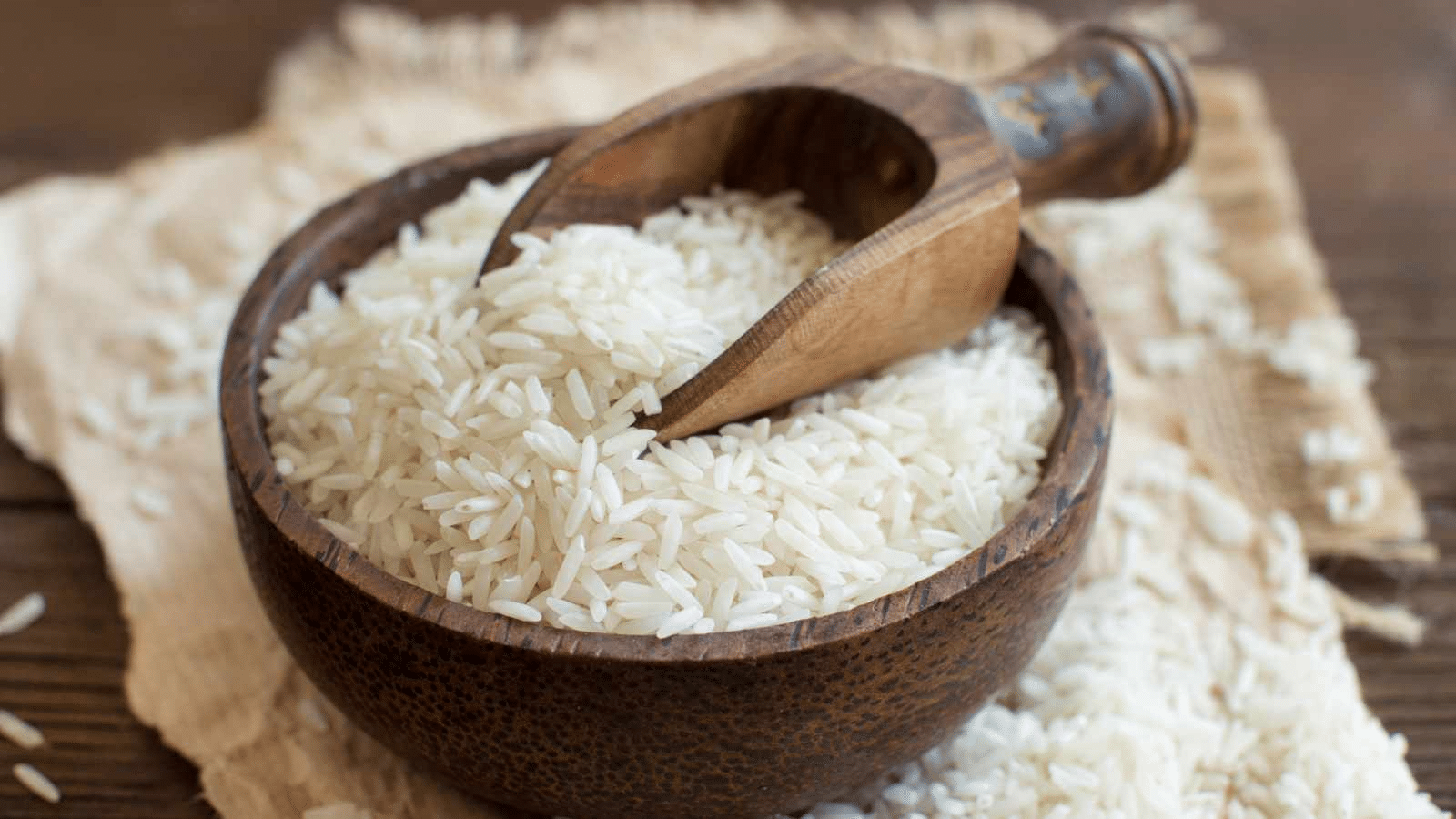
16 Grocery Staples to Stock Up On Before Prices Spike Again
I was in the grocery store the other day, and it hit me—I’m buying the same things I always do, but my bill keeps getting higher. Like, I swear I just blinked, and suddenly eggs are a luxury item. What’s going on?
Inflation, supply-chain delays, and erratic weather conditions have modestly (or, let’s face it, dramatically) pushed the prices of staples ever higher. The USDA reports that food prices climbed an additional 2.9% year over year in May 2025—and that’s after the inflation storm of 2022–2023.
So, if you’ve got room in a pantry, freezer, or even a couple of extra shelves, now might be a good moment to stock up on these staple groceries—before the prices rise later.





