Plenty of the world’s most satisfying foods weren’t dreamed up in test kitchens or devised by culinary masterminds—they stumbled into existence through serendipity, blunders, or sheer improvisation. Stories abound of iconic treats like potato chips, chocolate chip cookies, and popsicles born when chefs, scientists, or even kids made happy mistakes.
A 2025 CoPack Connect article stated that chocolate chip cookies hold 18% of the U.S. cookie market. They remain the quintessential American treat—symbolizing home-baked comfort while thriving as a multi-billion-dollar commercial category.
Each “mistake” becomes a delicious turning point, often shaping food history in ways that no one could have anticipated—proof that sometimes, the best recipes aren’t planned at all. Here are 15 delicious foods born from happy accidents.
Potato Chips (1853, USA)

In 1853, Chef George Crum was working at a fancy Saratoga Springs resort. A customer kept sending back his fried potatoes, complaining they were too thick and soggy. What do you do? If you’re Crum, you slice those potatoes paper-thin, fry them to a crisp, and salt them heavily out of pure spite. The customer loved them, and “Saratoga Chips” became the talk of the town.
What started as culinary revenge turned into a snack empire. Americans now devour over 1.85 billion pounds of potato chips annually, making them the undisputed king of salty snacks. Food historians still debate whether Crum truly invented the chip or if earlier recipes existed, but one thing’s certain—this crunchy creation went from kitchen tantrum to multi-billion dollar industry faster than you can say “bet you can’t eat just one.”
Popsicles (1905, USA)
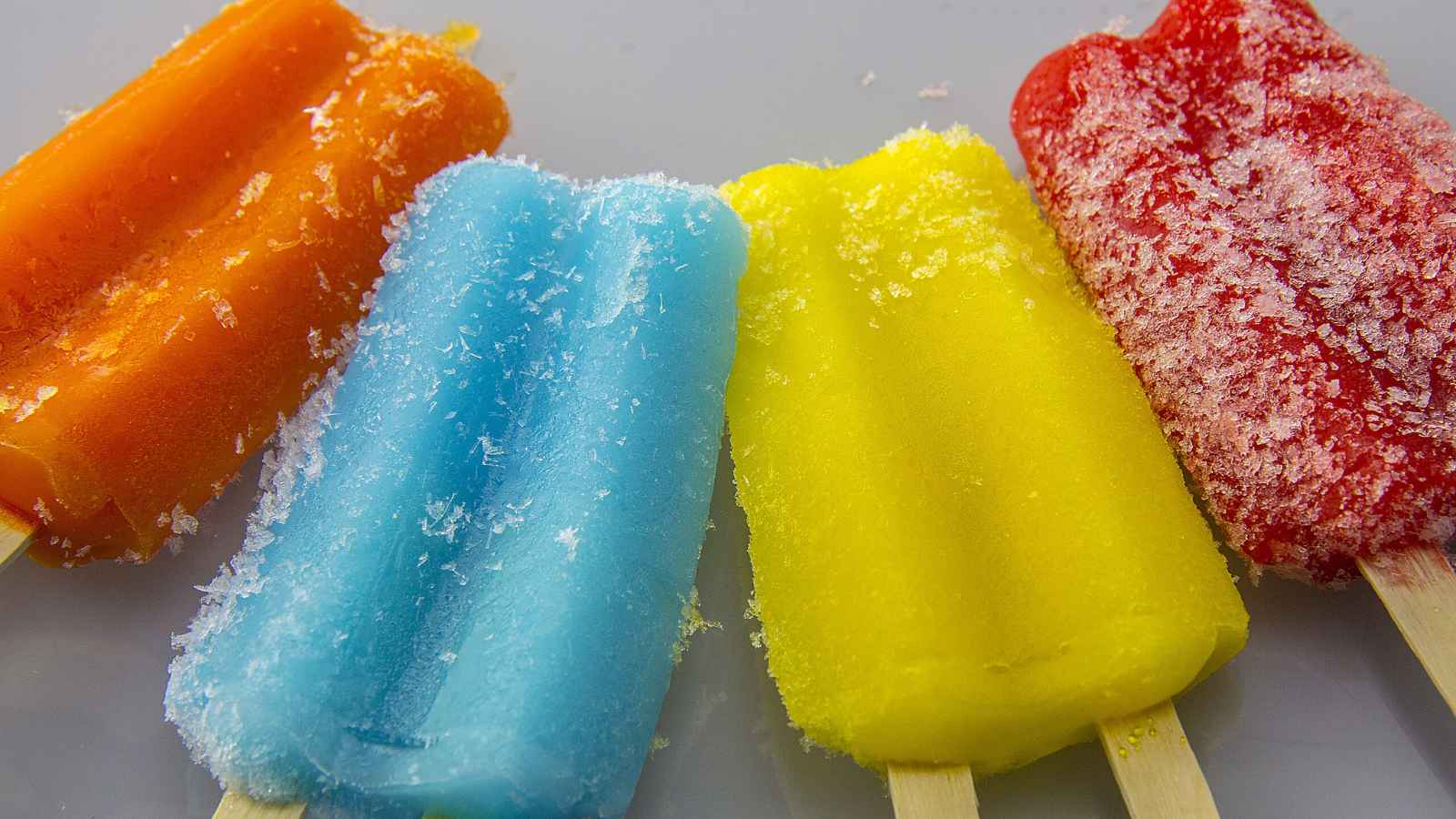
Sometimes the best inventions come from kids being, well, kids. In 1905, 11-year-old Frank Epperson left a cup of soda with a stirring stick on his porch overnight during a cold snap. When he woke up, he’d accidentally created the first frozen treat on a stick. He called it an “Epsicle,” which honestly sounds way cooler than “Popsicle,” but marketing isn’t everything.
Epperson didn’t patent his creation until 1924, but when he did, it sparked an entire industry. Today, Americans consume over two billion ice pops annually. Not bad for a kid who just forgot to bring his drink inside. The Popsicle became the unofficial mascot of summer childhood, proving that sometimes procrastination pays off in the most unexpected ways.
Corn Flakes (1894, USA)
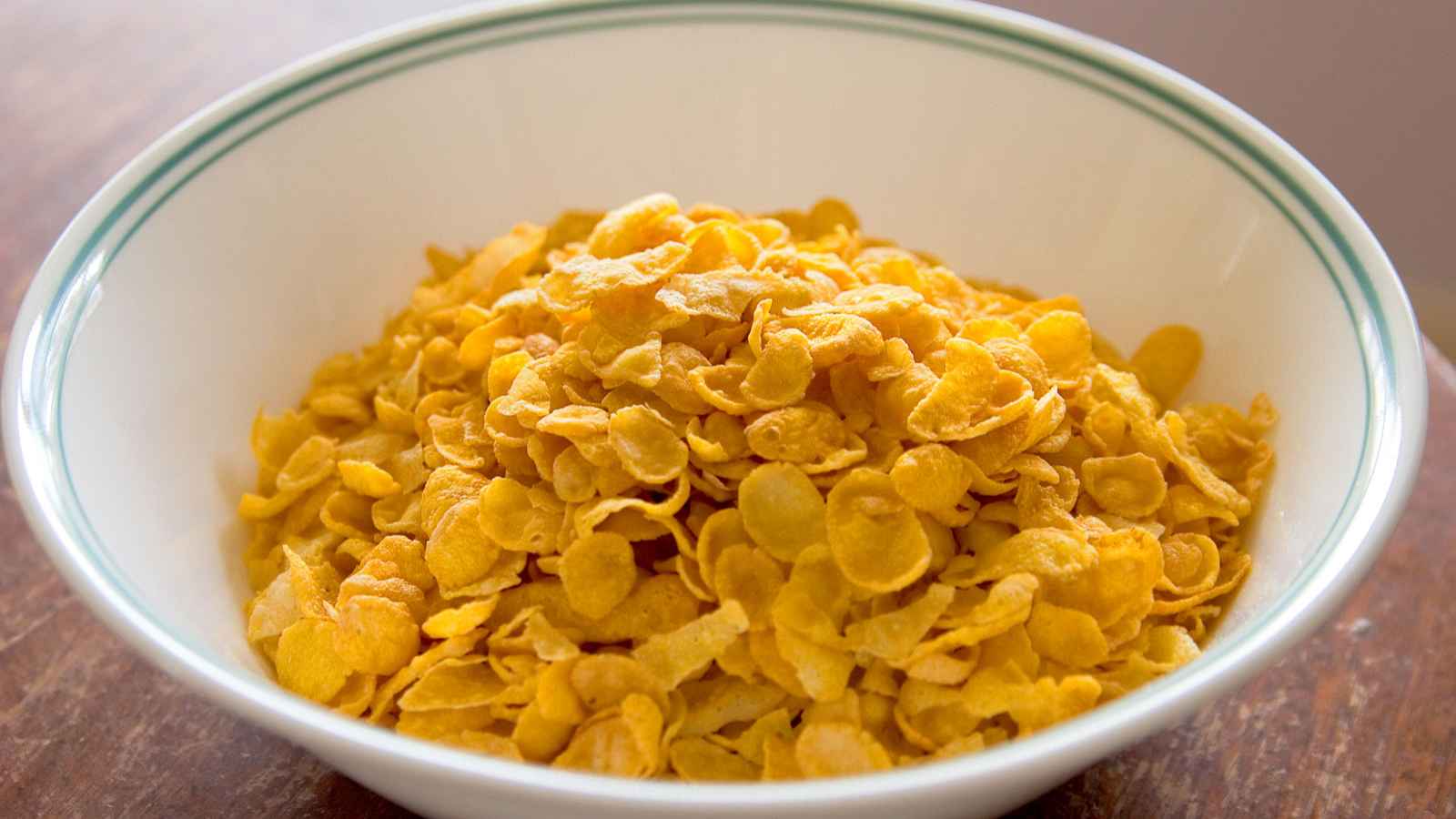
Dr. John Kellogg wasn’t trying to revolutionize breakfast—he was just experimenting with healthy alternatives for his sanitarium patients. When a pot of boiled wheat was accidentally left to cool overnight, it transformed into thin, crispy flakes. Kellogg’s brother Will saw dollar signs and commercialized the product, creating one of America’s most iconic breakfast foods.
By 2006, 2.7 billion boxes of ready-to-eat cereal were being bought annually, making it the third most-bought supermarket item. The Kellogg brothers probably never imagined their wheat mishap would lead to Saturday morning cartoon commercials and mascots like Tony the Tiger. Sometimes the path to breakfast domination starts with simply forgetting to turn off the stove.
Chocolate Chip Cookies (1930, USA)
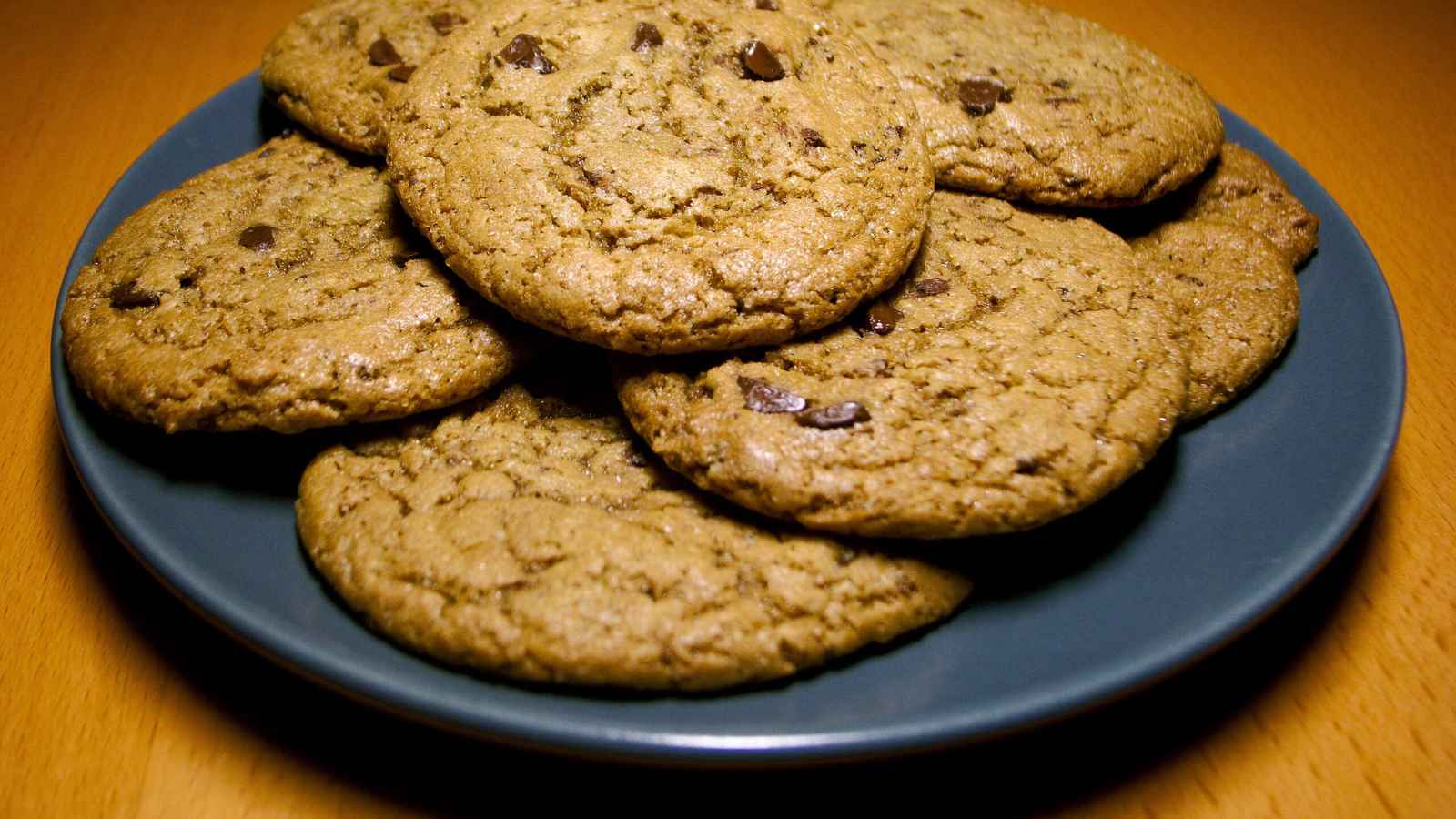
Ruth Wakefield didn’t set out to create America’s favorite cookie in the 1930s. She was just trying to make a buttery treat to pair with ice cream at her Toll House restaurant. When she added chopped chocolate, expecting it to melt evenly throughout the dough, she got something entirely different—and infinitely better. The chocolate held its shape, creating pockets of gooey sweetness.
Her “Toll House Cookie” became such a sensation that Nestlé started manufacturing chocolate chips specifically for the recipe by 1939. Today, more than 7 billion chocolate chip cookies are consumed annually in the U.S., and Wakefield’s original recipe still appears on every bag of Nestlé chips. Fun fact: the chocolate chips were actually invented after the cookie—talk about putting the cart before the horse.
Ice Cream Cones (1904, St. Louis World’s Fair)
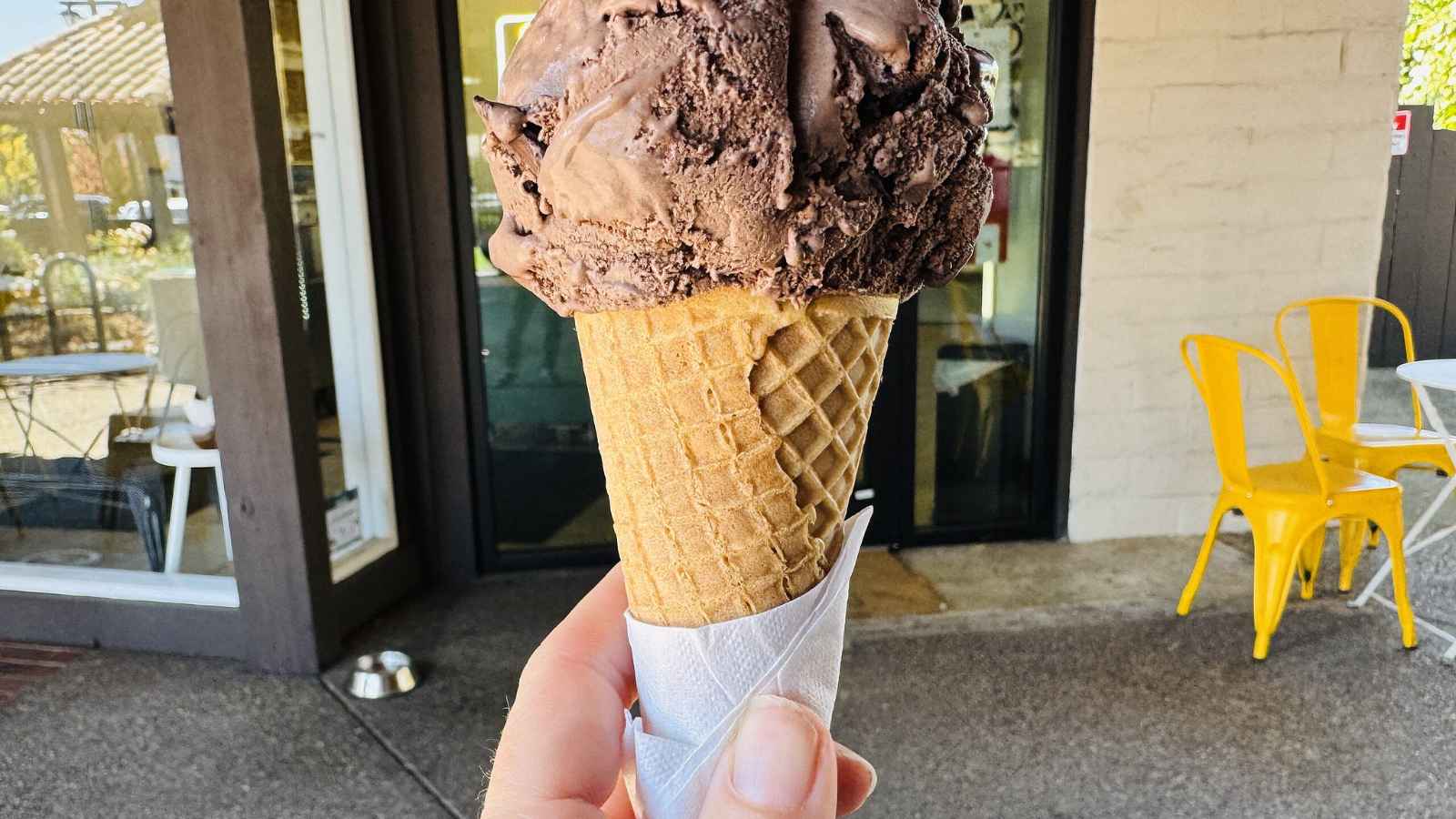
The 1904 St. Louis World’s Fair was the site of one of food history’s most serendipitous partnerships. Ernest Hamwi was selling crispy waffle-like pastries called zalabis next to an ice cream vendor who ran out of serving dishes. Being a good neighbor (and probably seeing a business opportunity), Hamwi rolled his pastries into cones to help out. Visitors went absolutely wild for this portable ice cream solution.
This moment of quick thinking birthed an industry that now produces about 2.8 billion ice cream cones yearly in the United States alone. Multiple vendors at the fair claimed to have invented the cone, leading to patent battles and historical debates. But honestly, does it matter who gets credit when the result is the perfect vehicle for enjoying ice cream while walking around? Sometimes collaboration beats competition.
Worcestershire Sauce (1830s, England)
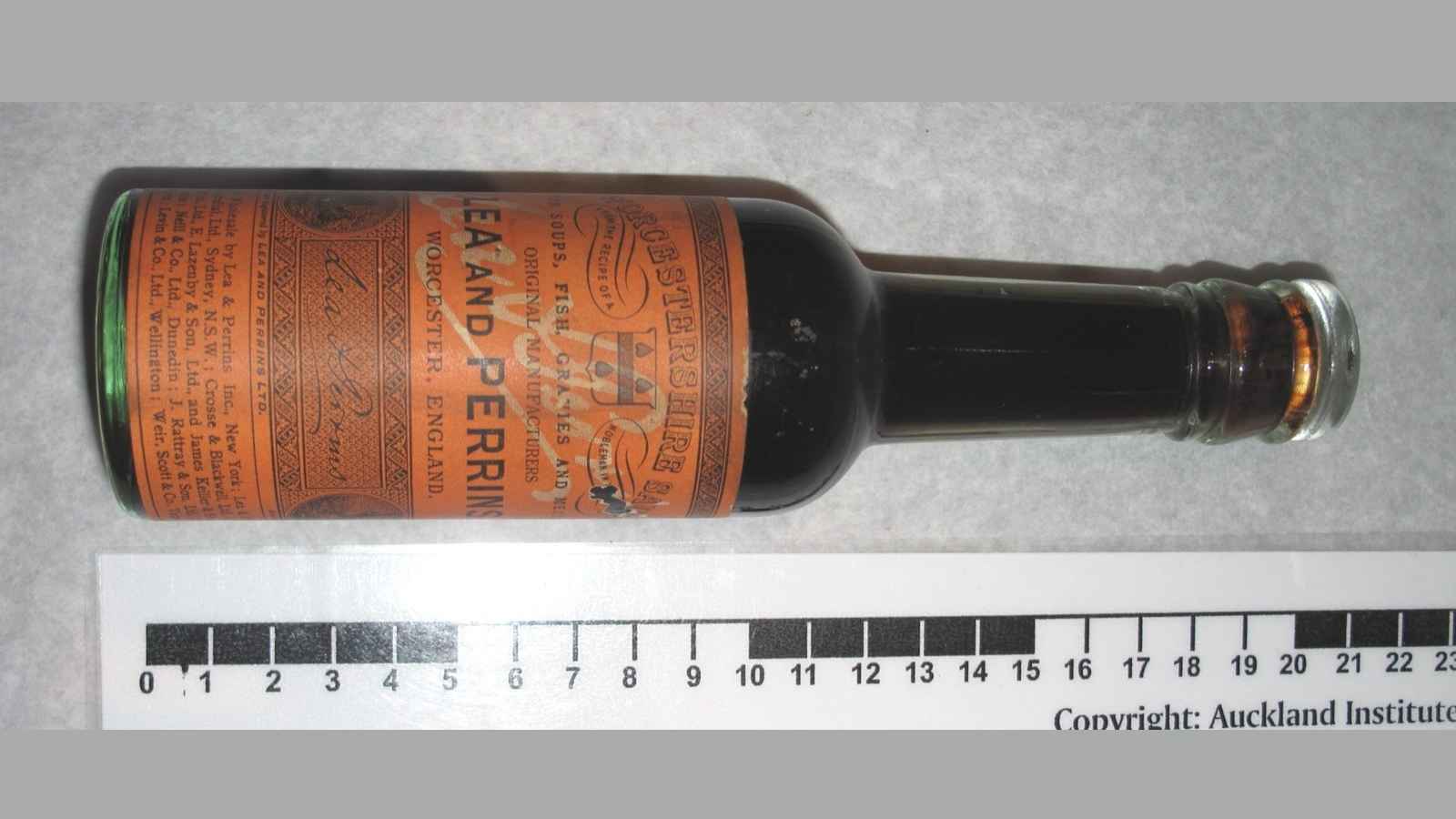
English chemists John Wheely Lea and William Perrins thought they were recreating an Indian condiment in the 1830s. Instead, they created something so awful they stored it away and tried to forget about it. Eighteen months later, curiosity got the better of them—and they discovered their “failed” experiment had transformed into a rich, complex sauce with incredible depth.
Their accidental masterpiece is now exported to over 130 countries and has become the secret ingredient in everything from Bloody Marys to beef stew. Lea & Perrins Worcestershire sauce proves that sometimes you need to let things get a little funky before they become fantastic. In my opinion, this might be the most successful “failed” recipe in culinary history.
Cheese (Ancient times, Middle East)
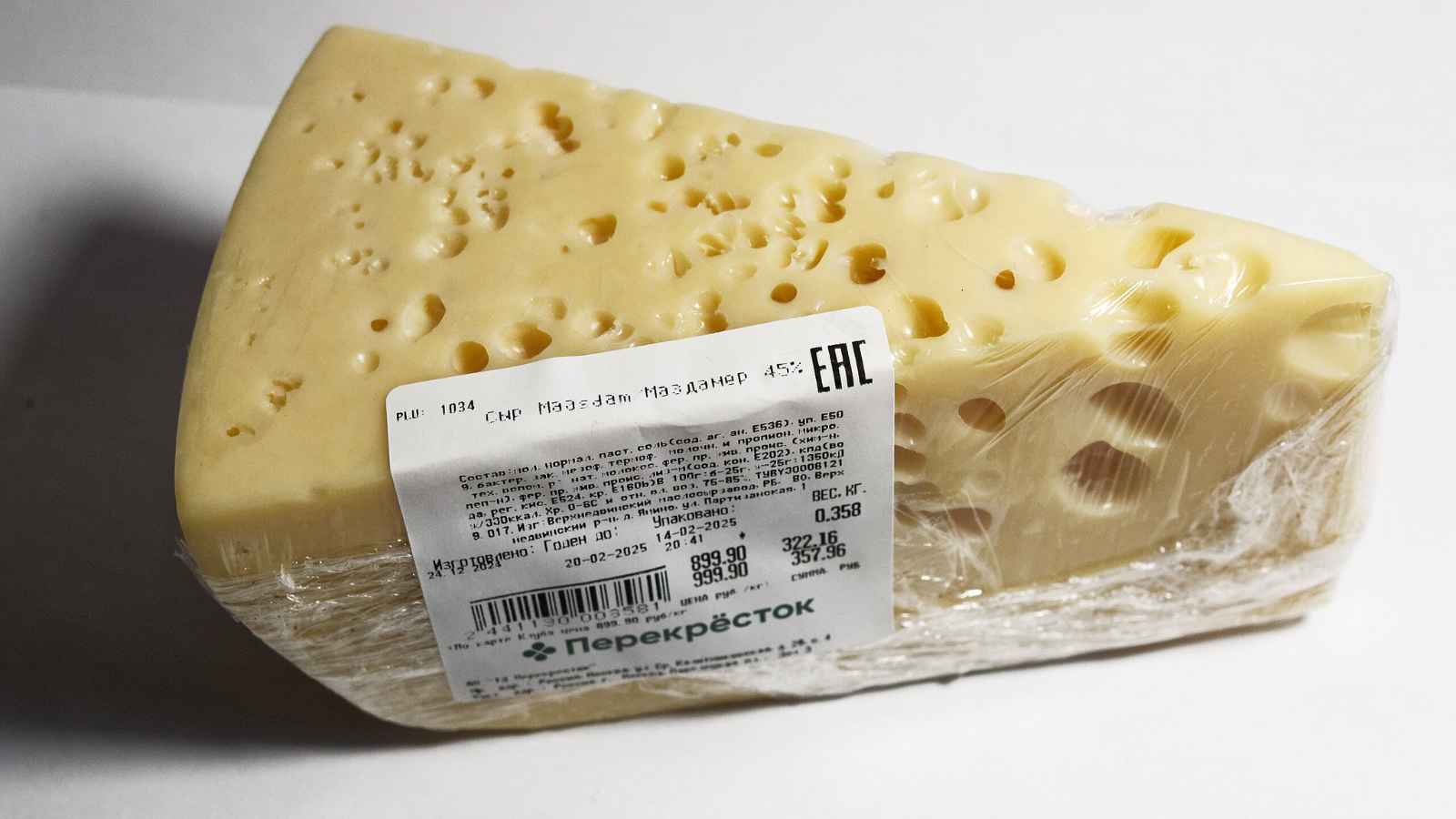
Long before food safety regulations, ancient nomads stored milk in pouches made from animal stomachs. The combination of movement, body heat, and natural rennet from the stomach lining caused the milk to curdle and separate. What they thought was spoiled milk was actually the birth of cheese—one of civilization’s most essential food discoveries.
Archaeological evidence suggests cheesemaking began around 8,000 BCE, and we haven’t looked back since. Dairy News Today projected that global cheese consumption would reach a record 21.6 million metric tons, or 47.7 billion pounds, in 2024. Ancient Egyptian tombs contain 3,200-year-old cheese, and remnants have been found with Chinese mummies.
Champagne (1600s, France)
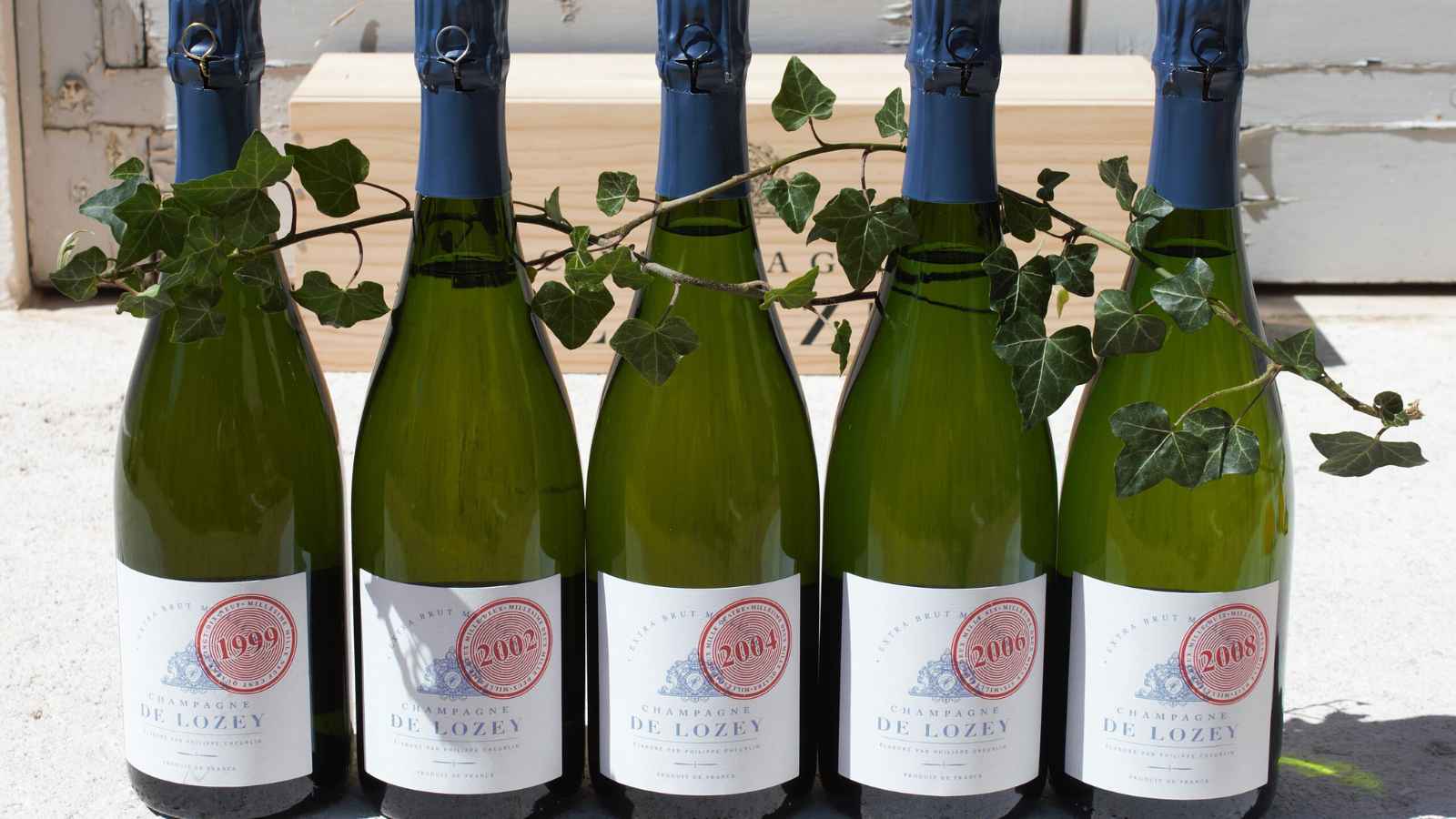
Seventeenth-century French winemakers called sparkling wine “le vin du diable” (the devil’s wine) because the bottles kept exploding. This wasn’t intentional—it was an embarrassing fermentation accident that ruined storage areas and wasted wine. English scientist Christopher Merret had documented bubble-making processes as early as 1662, before Dom Pérignon became associated with the drink.
Those “cursed” bubbles eventually became the hallmark of celebration. Production grew from 20 million bottles in 1850 to a record 338.7 million bottles sold worldwide in 2007. Modern champagne houses have turned this fermentation “flaw” into liquid gold, proving that sometimes what seems like a disaster is actually a fortune waiting to happen.
Beer (Ancient Mesopotamia)
Save this article
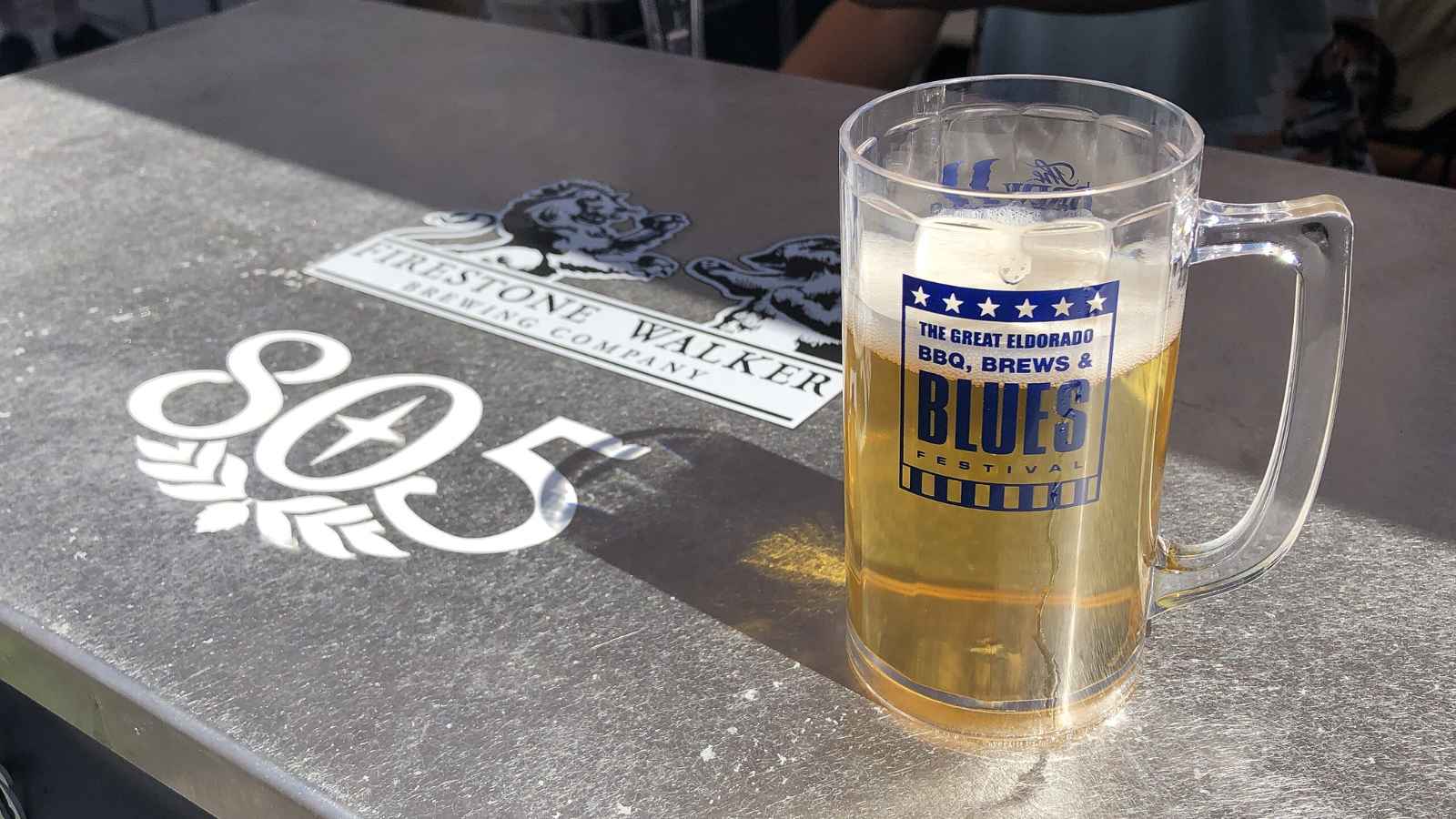
Beer might be humanity’s oldest prepared beverage, dating back over 7,000 years to ancient Mesopotamia. Early civilizations discovered fermentation by accident when stored grains got wet and began transforming into something entirely different. What started as spoiled grain storage became the foundation of entire cultures and economies.
The Sumerians, Babylonians, and Egyptians refined brewing techniques, integrating beer into daily life and religious ceremonies. Global beer consumption reached nearly 192.1 million kiloliters in 2022, making it one of the world’s most popular beverages. This accidental discovery shaped civilizations, fueled economies, and gave us the phrase “beer me”—what more could you ask for?
Tofu (2,000 years ago, China)

Legend credits Prince Liu An of China with accidentally discovering tofu about 2,000 years ago. He was experimenting with soybeans when coagulants caused the soy milk to curdle unexpectedly. Instead of throwing out his “ruined” experiment, he tasted it and realized he’d created something remarkable—a versatile, protein-rich food that would become a dietary staple across East Asia.
Today’s global tofu industry is worth $3.12 billion and continues growing as more people embrace plant-based diets. From silky dessert tofu to firm stir-fry blocks, this accidental protein has countless applications. The prince probably never imagined his kitchen mishap would eventually fuel debates between vegans and carnivores thousands of years later.
Nachos (1943, Mexico)

In 1943, Ignacio “Nacho” Anaya faced a common restaurant dilemma: unexpected customers and limited ingredients. When a group of U.S. military wives wanted a snack at his Piedras Negras restaurant, he grabbed whatever was handy—tortilla chips, cheese, and jalapeño peppers. His quick thinking created a dish that would become a global appetizer phenomenon.
Nachos spread from that single restaurant to menus worldwide, spawning countless variations and inspiring an entire category of “loaded” foods. The global tortilla chips market was valued at USD 37.46 billion in 2024, and IMARC Group estimates it will grow to USD 55.24 billion by 2033. Anaya’s resourceful moment proves that sometimes the best recipes come from making do with what you’ve got rather than following a cookbook.
The Sandwich (1700s, England)

The 4th Earl of Sandwich, John Montagu, reportedly refused to leave his card game for a proper meal in 18th-century England. Instead, he requested meat between slices of bread so he could eat one-handed while continuing to play. His servants obliged, and other players began requesting “the same as Sandwich”—and thus, the sandwich was born.
This gaming snack transformed into one of the world’s most popular meal formats. Americans consume over 200 million sandwiches daily, spanning everything from simple PB&Js to gourmet creations.
Slurpees (1950s, USA)
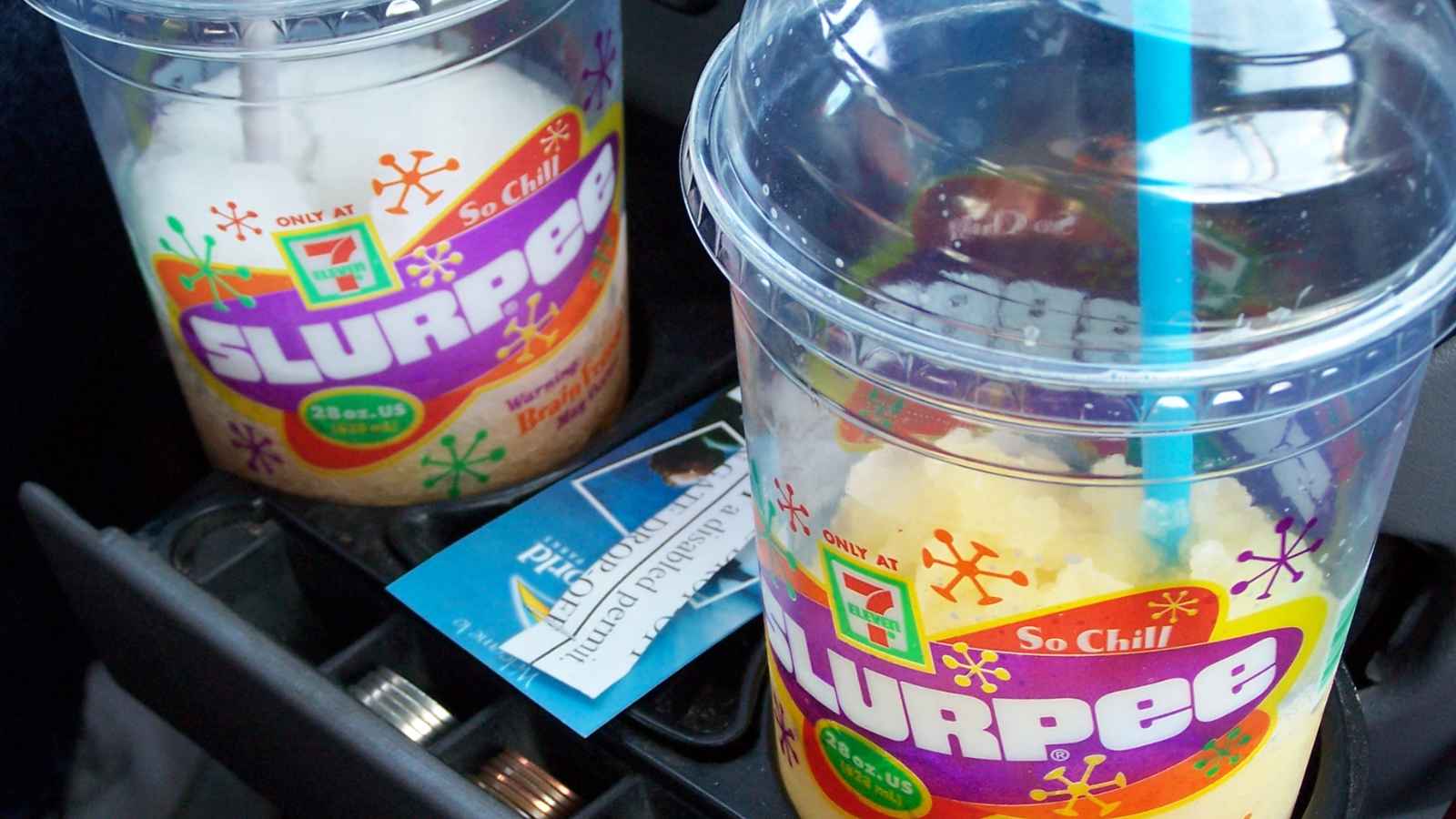
In the 1950s, Omar Knedlik’s soda fountain broke at his Kansas Dairy Queen. Instead of closing shop, he improvised by chilling sodas in the deep freeze. Customers loved the slushy, semi-frozen result even more than regular soda. Knedlik’s quick fix became the inspiration for the Slurpee, which 7-Eleven began selling in the early 1960s.
Today, 7-Eleven sells more than 14 million Slurpees monthly worldwide, making it one of America’s most beloved frozen treats. That broken soda fountain turned into a multi-million dollar brain-freeze empire.
Yogurt (Ancient times, Central Asia)

Ancient Central Asian nomads needed ways to preserve milk during long journeys. They stored it in pouches made from animal skins, where natural bacteria and movement caused fermentation. What they initially thought was spoiled milk turned out to be a nutritious, tangy food that lasted longer than fresh milk and aided digestion.
Archaeological evidence suggests yogurt-like products appeared around 5000 BCE, and we’re still obsessed with them today. Statista reported that the global yogurt market reached 168 billion U.S. dollars in 2023 and is forecast to exceed 237 billion U.S. dollars by 2028. Those ancient nomads accidentally discovered probiotics thousands of years before we had a name for them.
Brownies (1890s, USA)
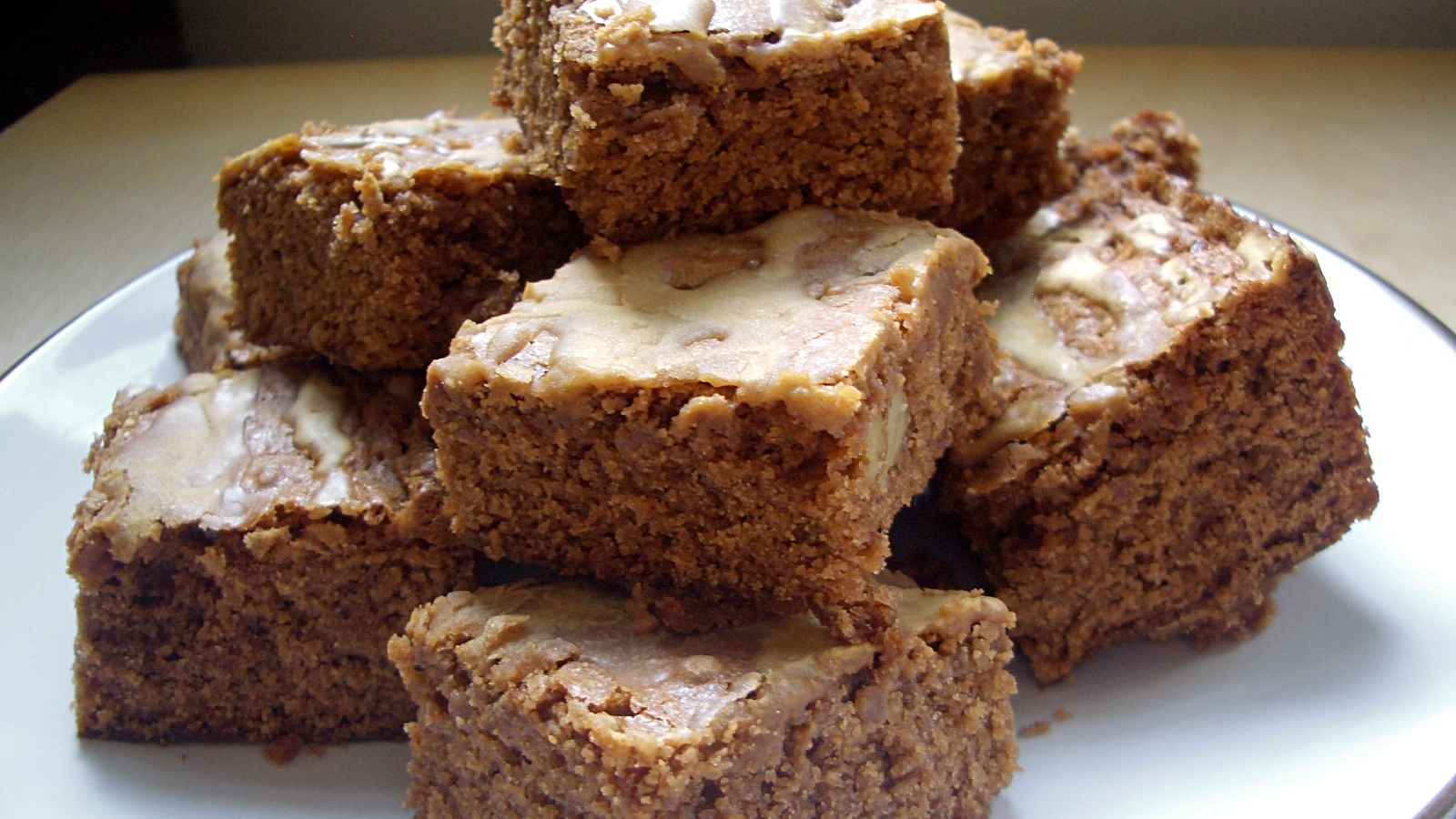
A Chicago chef in the 1890s was making chocolate cake when they forgot to add baking powder. Instead of the light, airy cake they intended, they got something dense, fudgy, and completely different. Rather than throwing out the “failure,” they served it anyway—and accidentally created an entirely new dessert category.
This forgotten ingredient spawned countless variations: blondies, brookies, and brownie sundaes. Sometimes perfection comes from embracing imperfection—and a willingness to serve your mistakes with confidence.
Disclaimer – This list is solely the author’s opinion based on research and publicly available information. It is not intended to be professional advice.
How Total Beginners Are Building Wealth Fast in 2025—No Experience Needed

How Total Beginners Are Building Wealth Fast in 2025
I used to think investing was something you did after you were already rich. Like, you needed $10,000 in a suit pocket and a guy named Chad at some fancy firm who knew how to “diversify your portfolio.” Meanwhile, I was just trying to figure out how to stretch $43 to payday.
But a lot has changed. And fast. In 2025, building wealth doesn’t require a finance degree—or even a lot of money. The tools are simpler. The entry points are lower. And believe it or not, total beginners are stacking wins just by starting small and staying consistent.
Click here and let’s break down how.
Like our content? Be sure to follow us.