
Numerous neurologists are highlighting the link between diet and Alzheimer’s risk. They point to certain foods that show real promise for supporting brain health. Research from Rush University found that people who closely followed the MIND diet had up to a 53% lower risk of Alzheimer’s disease. Even those with moderate adherence saw about a 35% reduction in risk.
The scientific community is finding mounting evidence that simple changes in daily meals may help fortify memory and protect cognitive function. These shifts could also reshape the outlook for millions facing age-related decline. Here are 15 foods Neurologists say may reduce Alzheimer’s risk.
Leafy green vegetables

When neurologists talk about brain food, leafy greens like spinach, kale, and collards are basically the headliners. Why all the hype? Well, these greens are packed with folate, vitamin K, lutein, and a bunch of antioxidants. This powerhouse combo helps fight off oxidative stress and inflammation, two of the main villains in the story of cognitive decline and Alzheimer’s.
A study published in Neurology followed nearly a thousand older adults and found something pretty amazing. Those who ate just one serving of leafy greens a day had a much slower rate of cognitive decline. How much slower? Their brains functioned as if they were 11 years younger than those who skipped their greens. This doesn’t prove causation, but it’s still a very strong connection—strong enough that experts are urging everyone to eat more plants.
Berries

If you’re looking for a delicious way to protect your brain, berries are your new best friend. Strawberries, blueberries, raspberries—you name it. These little guys are bursting with anthocyanins, flavonoids, and antioxidants. They act like a personal security team for your brain cells, defending them against oxidative stress and inflammation.
A USDA study found that people with the highest intake of flavonoids from foods like berries were over 50% less likely to develop Alzheimer’s. That’s a huge difference. The compounds in berries can even cross the blood-brain barrier to help clear out the nasty amyloid plaques and tau tangles that are hallmarks of the disease.
Fatty fish (Omega-3 Rich)

Okay, let’s talk about fish. Specifically, fatty fish-like salmon, sardines, and mackerel. Neuroscientists are big fans of these because they’re loaded with omega-3 fatty acids, especially DHA and EPA. These fats are critical for building and maintaining healthy brain cells, and they help keep the communication lines between neurons running smoothly.
A review of nine major studies found that eating more fish was linked to a 40-60% reduced risk of dementia and Alzheimer’s in some groups. It seems the more of this good stuff you get, the better the benefits, especially for verbal fluency and overall cognitive resilience as you age. It’s a pretty compelling reason to add fish to your weekly meal plan, isn’t it?
Walnuts

Walnuts are basically little brain-shaped powerhouses, and neurologists love them for it. They’re rich in alpha-linolenic acid (ALA), a plant-based omega-3, plus vitamin E and other anti-inflammatory goodies that offer serious neuroprotection.
Researchers at UCLA discovered that adults who ate walnuts regularly scored significantly better on cognitive tests. It’s thought that walnuts help reduce the oxidative stress that damages neurons and fuels Alzheimer’s. Plus, they’re good for your heart and blood pressure, and what’s good for the heart is often good for the brain.
Hazelnuts and mixed nuts

It’s not just walnuts getting all the love; other nuts like hazelnuts are also brain health superstars. Mixed nuts deliver a fantastic blend of healthy fats, vitamin E, and flavonoids that protect brain cells from damage. Vitamin E, in particular, has been linked in several studies to a lower risk of developing Alzheimer’s.
Basically, folks who munch on nuts regularly tend to maintain better cognitive function as they get older. Nuts also provide B vitamins and minerals that strengthen neural connections. It’s like a full support system in a convenient, crunchy package. Adding a serving of mixed nuts to your diet a few times a week is an easy win for long-term brain health.
Whole grains
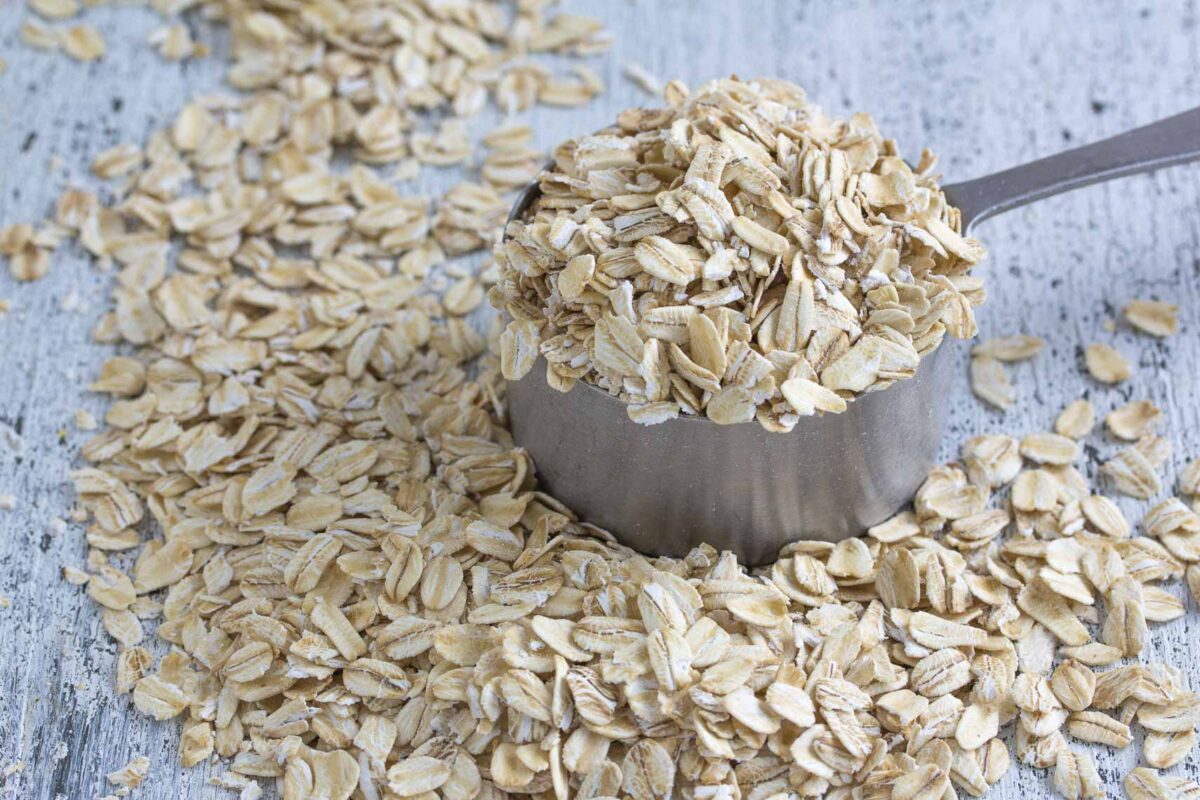
Whole grains like oats, brown rice, and quinoa are staples in brain-healthy diets for a reason. They provide fiber, B-vitamins, and a slow, steady release of energy that your brain loves. The MIND diet, which was created specifically to lower dementia risk, recommends three servings of whole grains every day.
One review found that people who followed the MIND diet closely cut their dementia risk by as much as 53%. A big part of that is the synergy between whole grains and other healthy foods. Plus, the B vitamins in whole grains help lower levels of homocysteine, an amino acid that, when elevated, is linked to a higher risk of Alzheimer’s.
Eggs

Eggs are an excellent source of choline, a nutrient your brain needs to make acetylcholine, a neurotransmitter that’s super important for memory and learning. They also contain lutein, an antioxidant that helps protect brain cells from stress.
Studies have shown that higher choline intake is linked to better cognitive performance in older adults. Neurologists and nutritionists often recommend eggs not just for their protein but for their brain-boosting benefits. They might even help reduce the buildup of beta-amyloid, a protein that plays a key role in Alzheimer’s.
Olive Oil

If you’re not already drizzling olive oil on everything, you might want to start. It’s a cornerstone of the Mediterranean and MIND diets, and neurologists praise it for its monounsaturated fats and antioxidant polyphenols. These compounds are fantastic for fighting inflammation and keeping your brain healthy.
Just a little bit over a salad or veggies each day can make a difference. It’s a simple swap from saturated fats that could have a big payoff for your cognitive health.
Legumes (Beans & Lentils)
Save this article
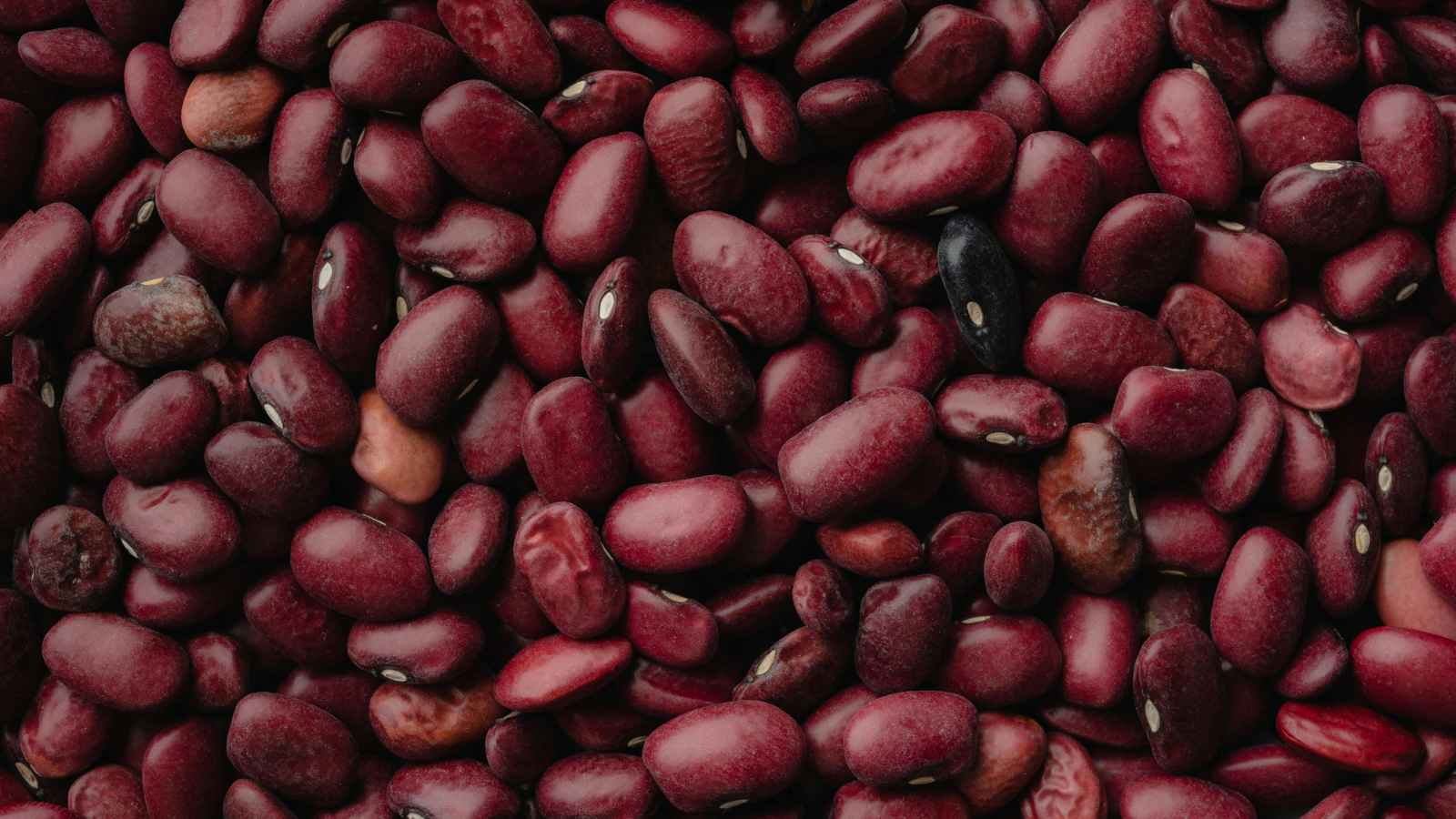
Legumes like beans and lentils are packed with plant-based protein, fiber, folate, and B vitamins, all of which support brain health.
The MIND diet suggests eating beans at least every other day, and for good reason. Regular consumption is linked to improved memory and a slower rate of cognitive decline. Folate, a star nutrient in legumes, is consistently associated with healthy brain aging. Plus, they’re cheap and sustainable.
Avocados

Avocados are more than just a trendy toast topping; they’re a gift to your brain. They’re loaded with monounsaturated fats, which help promote healthy blood flow and reduce oxidative damage in the brain. They also provide lutein, vitamin K, and folate—all key players in cognitive health.
Some studies suggest that diets high in monounsaturated fats, like those found in avocados, could lower dementia risk. The creamy fruit’s unique mix of nutrients makes it a delicious and easy way to support your brain. So go ahead, have that avocado toast. It’s for your health.
Cruciferous vegetables

Broccoli, cauliflower, and Brussels sprouts might not have been your favorite as a kid, but it’s time to give them another chance. These cruciferous veggies are loaded with B vitamins, vitamin C, and carotenoids that fight oxidative stress and protect your brain.
One long-term study found that women who ate the most cruciferous and leafy green vegetables had significantly less cognitive decline over 11 years. These veggies also help reduce homocysteine levels, which is great news for your Alzheimer’s risk. Lightly steaming them helps preserve their nutrients, so maybe skip boiling them into mush.
Tea & Coffee

Good news for caffeine lovers. Your morning cup of tea or coffee might be doing more than just waking you up. Both beverages are packed with caffeine and polyphenols, which can enhance memory, attention, and mood. They also provide antioxidants that combat neuroinflammation.
Some observational studies and meta-analyses suggest that moderate coffee consumption—particularly around 1 to 2 cups per day—may be associated with a lower risk of developing Alzheimer’s disease.
Turmeric (Curcumin)

That vibrant yellow spice in your cabinet? It’s a powerhouse. Turmeric contains curcumin, a compound with potent antioxidant and anti-inflammatory properties that have caught the attention of researchers studying Alzheimer’s prevention.
Lab studies suggest curcumin can help reduce the buildup of plaques in the brain and improve memory. Interestingly, populations with high turmeric consumption, such as in rural India, tend to show lower rates of dementia, suggesting a possible protective association. Adding a dash to your meals, especially with some healthy fats to help absorption, is a simple way to spice up your brain-health routine.
Prebiotics & fermented foods

Fermented foods like yogurt, kimchi, and miso are full of probiotics that nourish your gut microbiome, which in turn influences your brain health. A healthy gut can help reduce inflammation and produce compounds that are important for memory.
Studies have found that people who eat a variety of fermented foods tend to score better on cognitive tests and have a lower risk of Alzheimer’s. It’s a fascinating area of research that highlights how interconnected our bodies are. Adding a scoop of yogurt to your breakfast is an easy way to get started.
Cherry-derived products (Anthocyanin-Rich)

Last but not least, let’s talk about cherries. These sweet treats are packed with anthocyanins and quercetin, compounds that neutralize free radicals and support neuron health. They’re like a delicious defense squad for your brain.
Lab studies have shown that cherry pulp powder can protect brain cells against the toxicity of amyloid-β, a major player in Alzheimer’s. The early evidence is promising, but more human studies are still needed. Plus, they’re easy to add to snacks and breakfast, making them a tasty way to boost your cognitive resilience.
Disclaimer – This list is solely the author’s opinion based on research and publicly available information. It is not intended to be professional advice.
16 Grocery Staples to Stock Up On Before Prices Spike Again
16 Grocery Staples to Stock Up On Before Prices Spike Again
I was in the grocery store the other day, and it hit me—I’m buying the exact same things I always do, but my bill just keeps getting higher. Like, I swear I just blinked, and suddenly eggs are a luxury item. What’s going on?
Inflation, supply-chain delays, and erratic weather conditions have modestly (or, let’s face it, dramatically) pushed the prices of staples ever higher. The USDA reports that food prices climbed an additional 2.9% year over year in May 2025—and that’s after the inflation storm of 2022–2023.
So, if you’ve got room in a pantry, freezer, or even a couple of extra shelves, now might be a good moment to stock up on these staple groceries—before the prices rise later.





