

Remember when the “rules” for being a husband seemed pretty straightforward? Think back to the 1950s sitcoms. The man of the house was the breadwinner, the head of the household, and the guy who handled the yard work. It was a clear, if incredibly rigid, playbook.
Well, that playbook has been tossed out. Today, couples are writing entirely new rules on the fly, and it’s complicated. The world of marriage has been completely reshaped. As renowned relationship therapist Esther Perel puts it, “Modern relationships are cauldrons of contradictory longings: safety and excitement, grounding and transcendence… We want it all, and we want it with one person.” The old, simple duties just don’t fit into that complex reality.
Let’s get real for a second. The very foundation of that old model, the single-income household, has crumbled. Today, dual-income households are the norm, making up a whopping two-thirds of all couples with children. In fact, a 2023 analysis found that an incredible 45% of mothers were their family’s primary or sole breadwinner, a seismic shift from just 14% in 1967.
So, this isn’t a list about men shirking responsibility. It’s about them refusing to play by outdated rules that no longer apply to the game. It’s about a messy, necessary, and ongoing negotiation to build a true partnership. Here are 15 “duties” from the old playbook that modern men are leaving behind.
Refusing to Be the Sole Breadwinner

This is the big one. The most fundamental duty being rejected is the idea that a man must be the only financial provider. Honestly, this isn’t just a preference; for most, it’s an economic impossibility.
Back in the 1950s, a single income from a blue-collar or professional job could often support a large family, a house, and regular vacations. Today, that feels like a scene from a vintage movie. The new normal? About half of all couples are “dual earner” households, where both partners contribute financially.
The old economic model created segregated roles. However, today’s financial landscape demands a more integrated and team-based approach. The refusal to be the sole breadwinner isn’t an ideological statement as much as it is an adaptation to reality.
Refusing to Wield Unilateral Financial Power

If he’s not the sole earner, he’s definitely not the sole decision-maker. Gone are the days when a husband had the final say on all things money-related just because he brought home the paycheck. Modern men are increasingly rejecting this outdated power dynamic.
But there’s still a lot of friction. A 2024 study by Fidelity found a major disconnect: while nearly 9 in 10 couples claim they communicate well about money, more than one in four partners secretly resents being left out of financial decisions. It’s no surprise, then, that money remains a top relationship challenge for nearly a quarter of all couples.
The goal has shifted. When both partners have a financial stake in the game, making unilateral decisions is a recipe for resentment. The modern man’s refusal to be a financial dictator is an essential move to align the relationship’s power dynamics with its dual-income reality.
Refusing to Make Major Purchases in a Vacuum

This is a classic sitcom trope: the husband comes home with a brand-new car, and the wife throws her hands up in the air. Today, that move isn’t just grounds for a fight; it’s seen as a serious breach of trust.
Modern men are rejecting the idea that they can make big-ticket purchases without consulting their partner. Interestingly, the old stereotype has been flipped on its head. A Pew Research survey found that while 46% of couples make major purchasing decisions together, in households where one person takes the lead, it’s actually more often the woman (30% vs. 19% for men).
The desire for financial transparency is incredibly strong. Here’s a little humor that tells a big truth: a Fidelity study found that more than a quarter of people would rather discover their partner has been texting an ex than find out they have secret credit card debt. As the Gottman Institute notes, trust is about “believing that they have your best interests at heart.” A secret convertible purchase doesn’t exactly scream “team player.”
Refusing the “Helper” Role in Housework

This is a subtle but massive shift. It’s not just that men are doing more chores. The most progressive change is the rejection of being a mere “helper” in their own home. It’s about taking co-ownership, not just taking out the trash when asked.
The “helper” dynamic, where a husband “helps” with a chore while his wife is expected to manage, delegate, and oversee everything, is a huge source of resentment. As one mother lamented in Darcy Lockman’s book All the Rage, her husband” ‘would a hundred percent do it, but I don’t know if it’s something that would ever just occur to him.'” This perfectly captures the gap. The real evolution isn’t about doing more tasks; it’s about sharing the mental load of knowing what tasks need to be done in the first place.
Refusing to Be Blind to the “Second Shift”

The “second shift” is the unpaid, often invisible work that happens after the paid workday ends, and it disproportionately falls on women. Modern men are increasingly refusing to ignore this reality, understanding that for a partnership to be fair, the total workload—paid and unpaid—has to be considered.
The data from the U.S. Bureau of Labor Statistics is stark. It shows that women still do significantly more housework and childcare, even when both partners work full-time. This disproportion is the seed of most marital discord. It’s also one of the main reasons 70% of all divorces are led by women.
The act of acknowledging this void is incredibly validating. A man who actively works to balance the total workload isn’t just being “nice”; he’s engaging in a crucial strategy for marital longevity. He’s refusing to ignore a known risk factor for the relationship’s failure.
Refusing to Be Just the “Yard Work and Car Guy”

The old script was straightforward; men did the “outside” work, women the “inside” work. That made him the one who mowed the lawn, fixed the car, and made runs to the hardware store, and her the one who did, you know, everything else.
This legacy persists. A 2019 Gallup poll found that men are still the primary keepers of the car (69%) and yard (59%), while women are still mainly responsible for laundry (58%), cleaning, and cooking (51%).
But modern men are refusing to be pigeonholed. They’re rejecting the idea that they’re inherently incompetent at domestic tasks. The modern approach is to divide work based on fairness, preference, and, as we’ve observed with the millennial generation, the availability of working skills. When a man makes a family meal or a woman manages the finances, they are actively subverting these restrictive narratives and pushing towards a more adaptable, efficient household.
Refusing the Mandate of Emotional Stoicism

This might be the most profound refusal of all: rejecting the age-old command to “be a man” by bottling up every emotion except anger. Modern men are slowly but surely learning that vulnerability is a strength.
This is a major point of cultural tension. Some young men believe they should solve problems alone and see men who can’t control their emotions as a threat. This view is amplified online by so-called “manfluencers” who push traditional, rigid ideas of masculinity.
At the same time, men are caught in a “vulnerability paradox.” As researcher Brené Brown discovered, women often say they want men to be vulnerable, but then recoil when it actually happens. She quotes one man who told her, “I’d rather die on top of my white horse than watch me fall down.” Men are rejecting the stoic script, but it’s a high-stakes gamble, often taken without a guarantee of how it will be received.
Refusing to Outsource All Emotional Labor

Emotional labor is the practical application of emotional vulnerability. It’s the hard work of managing feelings, soothing anxieties, and de-escalating conflicts to keep a relationship healthy and harmonious.
Historically, this job has been assigned to women. As sociologist Ann Oakley wrote, “Male-dominated culture has designated as female all labours of emotional connectedness.”
This imbalance can lead to serious burnout and resentment, and it’s directly linked to relationship dissatisfaction. When a man actively participates in this labor—by initiating a tough conversation calmly, by soothing his partner’s anxiety instead of dismissing it, or by managing his own frustration for the good of the relationship—he’s refusing to benefit from an unequal system. He’s investing in the relationship’s emotional health.
Refusing to Let Her Be the Default Social Director

Part of the invisible “mental load” is managing the family’s entire social life. Remembering birthdays, scheduling playdates, planning vacations, sending thank-you notes—these tasks often fall to one person. Modern men are stepping up to co-pilot the social calendar.
This isn’t just about fairness; it’s about partnership. Having a shared social life is vital for relationship satisfaction, with 64% of married Americans saying shared interests are key. A man who proactively plans a date night or organizes a family trip is doing more than just “helping out.” He’s rejecting the “wife as personal assistant” model and asserting his role as an equal partner in managing the family’s life.
Refusing the Title of “Co-habitant” Instead of “Co-manager”

Save this article
This point pulls it all together. It’s the ultimate refusal to be a passive resident in one’s own home and family. It’s about stepping up to be an active co-manager of the entire family enterprise.
The data points to a common managerial imbalance. In 43% of couples, the woman makes decisions in more areas than the man. There’s also a significant perception gap: men tend to overestimate their contributions to household chores, suggesting they may not see the full scope of their partner’s work.
Relationship expert Dr. John Gottman’s research shows that the number one thing couples fight about is a “failure to connect emotionally.” This failure often stems from one partner feeling they are managing the relationship and household entirely on their own. The ultimate refusal, then, is the refusal of passivity. It’s the shift from being an employee in your own family to being a co-CEO.
Refusing to Be Only the “Fun Parent”

Modern fatherhood is about so much more than just roughhousing in the backyard. It means being equally involved in the daily, nitty-gritty, and often mundane tasks of raising a child.
The data shows a persistent childcare gap. For families with kids under 6, women spend an hour more per day on primary childcare than men. The difference is even more stark for physical care like bathing and feeding.
This isn’t just about giving moms a break. The positive impact of truly engaged fatherhood is immense. Research shows children with involved fathers are 43% more likely to get A’s in school, 75% less likely to have a teen birth, and 80% less likely to spend time in jail. The modern father understands that proper bonding happens in the trenches of daily care, not just in the highlight reel of “fun” activities.
Refusing to Call It “Babysitting” His Own Kids

Words matter. The language we use shapes our mindset. And one of the most powerful semantic shifts in modern marriage is the refusal of fathers to say they are “babysitting” their own children. A father doesn’t babysit. He parents.
This reflects a profound shift in how men perceive their role. The term “babysitting” belongs to an old, disengaged model where the father was merely the backup caregiver.
Given the devastating consequences of father absence—nearly 1 in 4 U.S. children live in a home without a father—this shift is culturally significant. Rejecting the word “babysitting” is a public declaration of ownership and a refusal of the outdated idea that a father’s involvement is optional or secondary.
Refusing the Title of “Head of the Household”

If a marriage is a partnership of equals, then there can’t be a single “head.” Modern men are rejecting the entire hierarchical structure of traditional marriage.
In the 1950s, it was “generally understood that the husband was the head of the household, and the wife should respect his authority.” This was the foundation of the old model. But as one legal analysis puts it, “Today’s marriages look very different… Traditional gender roles are melting away, making relationships more fluid and dynamic.”
The title “Head of the Household” implies a rigid chain of command. This is fundamentally incompatible with the modern ideal of a partnership built on mutual respect and shared decision-making. This refusal is the official dismantling of the old power structure. It signals that leadership in the family is situational and shared, not permanent and assigned by gender.
Refusing to Solve Every Problem Alone

This duty circles back to the pressure of emotional stoicism. It’s the refusal to believe that asking for help—from a partner, a friend, or a therapist—is a sign of weakness.
This is another area where men face conflicting pressures. But this belief comes at a high cost, as it’s linked to higher rates of sadness and anxiety.
Furthermore, it directly contradicts what experts know about healthy relationships. Dr. John Gottman’s research shows that accepting influence from a partner and solving problems together are pillars of a strong marriage. Refusing to go through it alone is an act of both self-preservation and relationship-preservation.
Refusing to Accept Any Role Without Discussion

This is the ultimate meta-duty. The modern man isn’t just swapping one set of responsibilities for another. He is refusing the very idea of a pre-assigned, un-discussed role.
Modern relationships are incredibly complex. The only way to manage these sky-high expectations is through constant, intentional communication.
When expectations aren’t discussed, resentment builds. This is a key reason why women, who often feel the brunt of unmet expectations, initiate 70 % of divorces. The most significant “refusal” of modern men is the rejection of a static, one-size-fits-all marriage contract. Instead, they are embracing a dynamic, living agreement that is co-authored and continuously revised by both partners. The duty is to have no fixed duties, only shared, evolving responsibilities.
Key Takeaway

The shift away from traditional “husband duties” isn’t about men doing less; it’s about a fundamental redefinition of marriage itself. The old, hierarchical model has been replaced by a partnership paradigm built on shared economic contribution, co-ownership of domestic and emotional labor, and constant, open communication.
The most important “duty” for a modern husband isn’t to provide or protect in the old sense, but to be an active, engaged, and communicative partner in co-creating a life that works for both people. The refusal of the old rules is, in fact, an acceptance of this new, more challenging, but ultimately more rewarding, responsibility.
Disclaimer – This list is solely the author’s opinion based on research and publicly available information. It is not intended to be professional advice.
6 Gas Station Chains With Food So Good It’s Worth Driving Out Of Your Way For

6 Gas Station Chains With Food So Good It’s Worth Driving Out Of Your Way For
We scoured the Internet to see what people had to say about gas station food. If you think the only things available are wrinkled hot dogs of indeterminate age and day-glow slushies, we’ve got great, tasty news for you. Whether it ends up being part of a regular routine or your only resource on a long car trip, we have the food info you need.
Let’s look at 6 gas stations that folks can’t get enough of and see what they have for you to eat.
16 Grocery Staples to Stock Up On Before Prices Spike Again
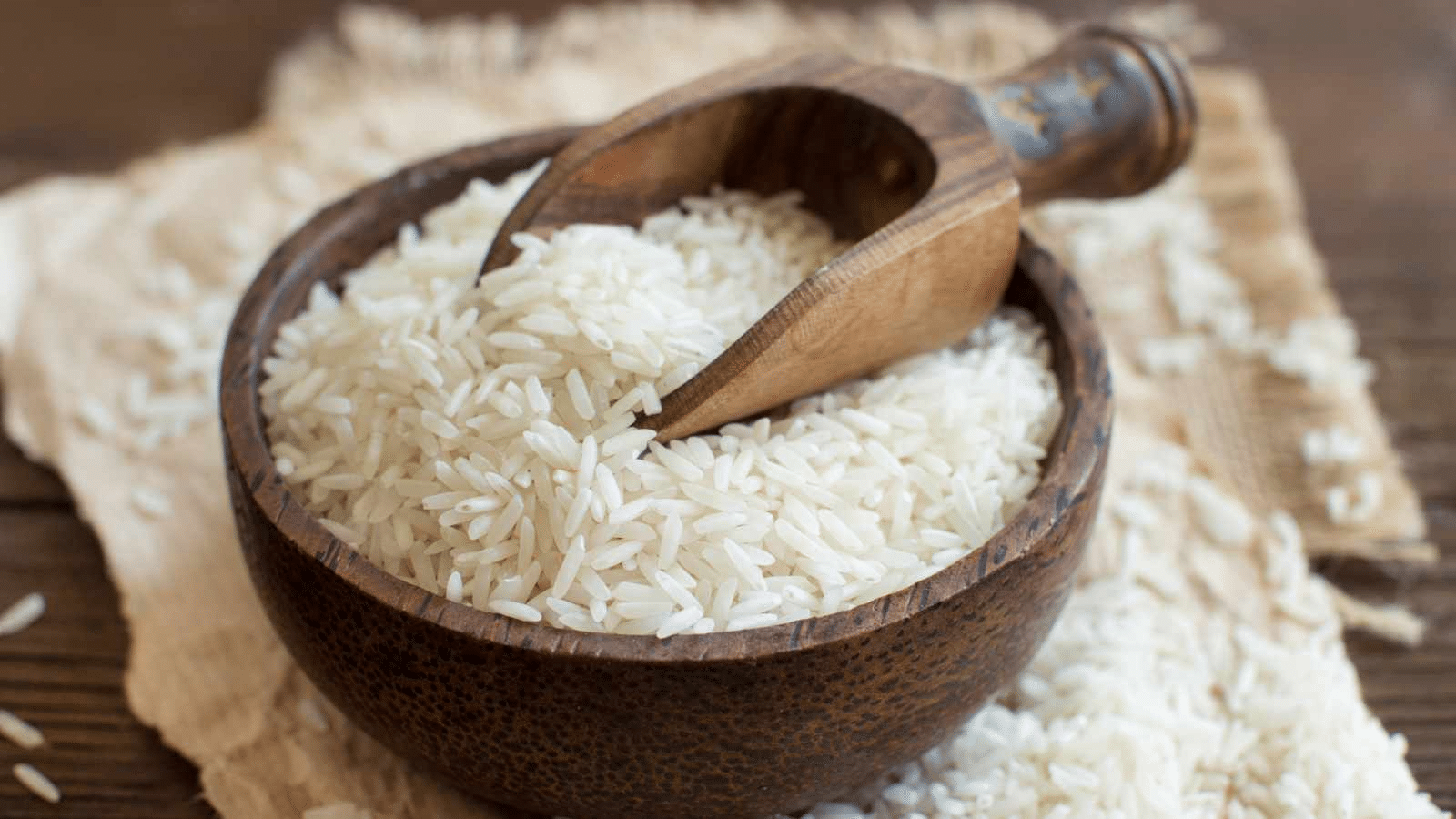
16 Grocery Staples to Stock Up On Before Prices Spike Again
I was in the grocery store the other day, and it hit me—I’m buying the exact same things I always do, but my bill just keeps getting higher. Like, I swear I just blinked, and suddenly eggs are a luxury item. What’s going on?
Inflation, supply-chain delays, and erratic weather conditions have modestly (or, let’s face it, dramatically) pushed the prices of staples ever higher. The USDA reports that food prices climbed an additional 2.9% year over year in May 2025—and that’s after the inflation storm of 2022–2023.
So, if you’ve got room in a pantry, freezer, or even a couple of extra shelves, now might be a good moment to stock up on these staple groceries—before the prices rise later.





