

Pew Research survey states that only 19% of Americans say they are satisfied with the way things are going in the country, while 80% are dissatisfied. These old folks lived through World War II, built the suburbs, and sparked the economic boom in the ’50s, reflecting on their past.
They’ve watched eight decades of change, and frankly, they’re not impressed with where we’ve ended up. Their concerns aren’t just old-fashioned grumbling; many of their worries align with what social scientists call the biggest challenges facing modern society. Here’s what’s got the Greatest Generation so worried about the world we’re living in right now.
Nobody trusts anyone anymore

The Edelman Trust Barometer reveals trust in institutions hit a record low in 2024, with only 47% of Americans trusting their government. Once, people believed figures like Walter Cronkite.
Now disbelief is in the air, with alternative facts, conspiracy theories, and skepticism of even the most authoritative sources of information metastasizing among those who once argued that seeking disagreement is the route to enlightenment.
Everyone’s picking sides and fighting

The Greatest Generation remembers when Democrats and Republicans came together on such big projects as the Interstate Highway System. They watch families torn apart by politics at Thanksgiving and wonder what ever happened to civil disagreement.
Social media algorithms are echo-chamber factories, making compromise all the more difficult. Having lived through periods of unanimity in crises, they can’t understand why we’ve become so divided.
Nobody’s having babies

The U.S. birth rate declined in 2023 to 1.66 children per woman, the lowest level in American history, according to the Centers for Disease Control and Prevention. That’s compared to 3.7 children per woman in 1957, when the Greatest Generation supported its families.
Deserted playgrounds and silent neighborhoods are evidence of a reality that statistics confirm. Young people today are fretting about climate change, student loans, and whether they can afford a house, let alone children.
There’s not much of that helping each other out anymore

People continue walking if someone falls, film accidents on their phones instead of helping, and worry more about getting the perfect Instagram shot than offering a helping hand.
They remember when communities banded together in hard times and neighbors turned out to help with barn raisings, bring casseroles to the ailing, and look after one another’s children.
The “me first” attitude of today stands in stark contrast to the experience of those who survived the Great Depression and World War II, heading into a future that would test the depth and resilience of human kindness and common sense.
Everyone’s Lonely Despite Being “Connected”

Young adults experience significantly higher loneliness than older adults, according to the American Psychological Association’s Monitor on Psychology. Older generations are surprised by this, remembering close-knit neighborhoods and lifelong connections.
Today, despite having thousands of friends on social media, many people have no one to turn to on a bad day. Technology has promised to connect us, but it often only leaves us more isolated.
The rich keep getting richer while everyone else struggles

The Greatest Generation was those who lived through America’s most economically equalizing era, 1945 to 1980, when a factory worker could pay his way through life and even purchase a house. Now, they see CEOs make 300 times what their workers do. Whatever happened to shared prosperity?
Student loan debt has ballooned to $1.814 trillion, rendering college unattainable for countless others. These old Americans recall a time when a good job and a high school degree were all you needed to build a solid middle-class life.
People own nothing but buy everything

According to Experian data, credit card debt in the U.S. grew 8.6% to $1.16 trillion in Q3 2024. Meanwhile, subscription services have exploded, from streaming to software to, in some cases, car features.
The wealth builders of the Crusading Generation owned their assets outright, including durable cars and appliances. They see younger generations rent everything, from apartments to furniture to music, and end up owning nothing, with no equity or assets.
Nobody owns anything real anymore

The “subscription economy” has people renting access to everything, from software and movies to car features, without necessarily owning anything outright. The Greatest Generation accumulated wealth by owning, purchasing, and paying off homes to pass down to future generations.
Today’s generation leases cars, rents apartments, and pays for music, storage, and much, much more, by the month in monthly subscriptions. Even digital purchases can evaporate if companies shift policies or shut down. Many older Americans worry that moving from ownership to access will harm wealth-building, which relies on owning assets rather than incurring numerous fees.
Kids are aware of every bad thing happening everywhere

Social media presents teenagers with an around-the-clock glimpse of global tragedies, political corruption, and environmental disasters, causing them to feel anxious in a way that previous generations never would have.
The Greatest Generation received its news from the morning newspaper and the evening network broadcasts, with words that were filtered, confined, and relatively easy to manage.
They observe young people awash in information about school shootings, climate change, political upheaval, and social injustice from every corner of the globe. This endless bombardment of negative news creates a generation that feels powerless and has a negative view of the future.
Save this article
No one can focus on anything for more than five minutes

A report from Keevee states that the average human attention span has dropped to 8.25 seconds, down from 12 seconds in 2000. The Greatest Generation remembers attending three-hour movies, reading whole newspapers, and having more time to mull over dinner.
In the meantime, kids these days hop from TikTok to Instagram to YouTube in seconds. Constant notifications, infinite scrolling, and algorithm-driven curation have trained our brains never to want to stop.
Nobody is part of anything real anymore

Participation in civic organizations has plunged, church attendance is at an all-time low, and social clubs are shuttering. Harvard researcher Robert Putnam documented this decline in “Bowling Alone,” showing how Americans increasingly live isolated lives.
The Greatest Generation can recall a time when people belonged to churches and unions, civic organizations and social clubs that forged genuine relationships and community support networks. They view online communities and social media groups as inadequate replacements for in-person interactions and shared experiences.
Families don’t stick together the way they once did

The number of children living with one parent has almost tripled, from 9% in 1960 to 23% in 2022, states the U.S. Census Bureau. The Greatest Generation was raised in stable nuclear families, with clear rules and established roles and responsibilities.
They view rising divorce rates, cohabitation, and children coming of age without both of their parents as indicators of social decay. Older Americans agree with that to some extent, but worry that, rather than accepting that a marriage can end, people find divorce too easy and marriage less critical.
Robots are taking everyone’s jobs

A 2023 Goldman Sachs report predicts that generative AI could automate or otherwise affect some 300 million full-time jobs globally over the next 10 years. The Greatest went to a job market where loyalty still counted; you sang one company song for 30 years and were rewarded with a pension.
Young people today have to contend with automation, gig work without benefits, and careers that could evaporate in a few years.
The planet’s getting destroyed, and nobody’s doing enough about it

Climate change, pollution, and resource depletion are imperiling the planet that the Greatest Generation is bequeathing to us. Their experience with rationing during the war and conservation afterward makes their vision of today’s culture of overconsumption look absurd.
Some individuals have learned to repair and reuse, driven by their mortification of fast fashion, planned obsolescence, and throwaway culture. The environmental problems of today are overwhelming compared to the simpler conservation efforts people were familiar with in their youth.
Too much is spent on everything, and nothing lasts

And between 1960 and today, incomes were falling behind inflation even as the cost of a 50-cent McDonald’s meal grew to be $12. The Greatest Generation can remember when appliances lasted for decades, cars could be easily mended, and clothes were darned rather than dumped.
According to Visual Capitalist, college tuition has increased by 1,2005 since 1980, whereas the Consumer Price Index has increased by only 236%. Care accounted for a larger portion of the household budget, with much less of it covered by insurance. Elder generations accumulated wealth in those stable times; younger ones are confronted with costs that are always racing ahead of incomes.
Key takeaway

Real statistical trends and measurable social changes are behind the Greatest Generation’s worries. Their perspective is one of living in communities that appear more functional, stronger, and supportive, characterized by families, economic opportunities, and shared civic values.
Although each of these generational challenges is unique, data confirm many of their concerns about diminishing trust, friable social ties, and socioeconomic polarization. And their worries aren’t just nostalgia, they’re cautions from people who have seen both America at its greatest and the flashing signals of what happens when societies begin to unravel.
Like our content? Be sure to follow us
Disclaimer – This list is solely the author’s opinion based on research and publicly available information. It is not intended to be professional advice.
16 Grocery Staples to Stock Up On Before Prices Spike Again
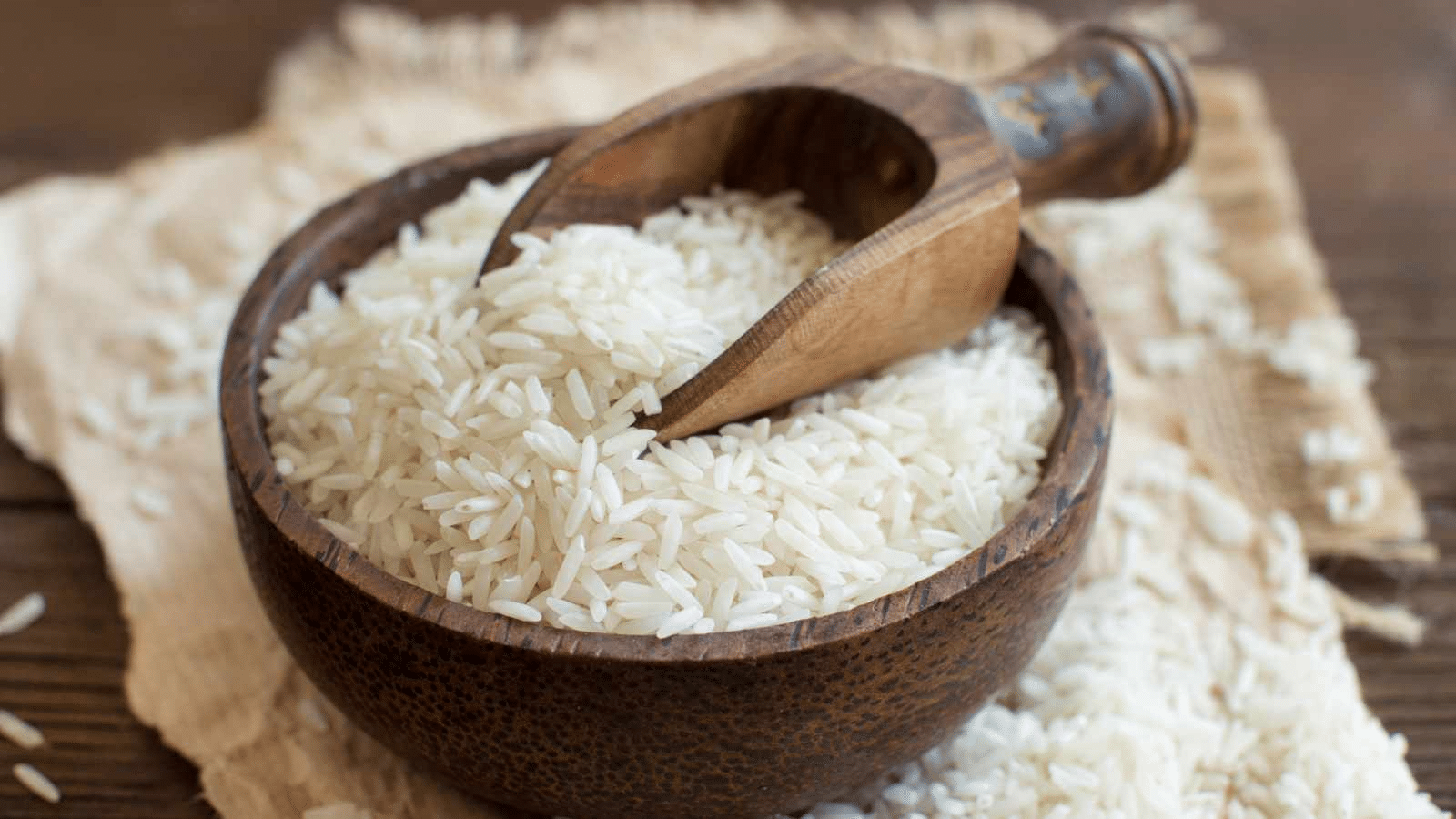
16 Grocery Staples to Stock Up On Before Prices Spike Again
I was in the grocery store the other day, and it hit me—I’m buying the exact same things I always do, but my bill just keeps getting higher. Like, I swear I just blinked, and suddenly eggs are a luxury item. What’s going on?
Inflation, supply-chain delays, and erratic weather conditions have modestly (or, let’s face it, dramatically) pushed the prices of staples ever higher. The USDA reports that food prices climbed an additional 2.9% year over year in May 2025—and that’s after the inflation storm of 2022–2023.
So, if you’ve got room in a pantry, freezer, or even a couple of extra shelves, now might be a good moment to stock up on these staple groceries—before the prices rise later.
6 Gas Station Chains With Food So Good It’s Worth Driving Out Of Your Way For
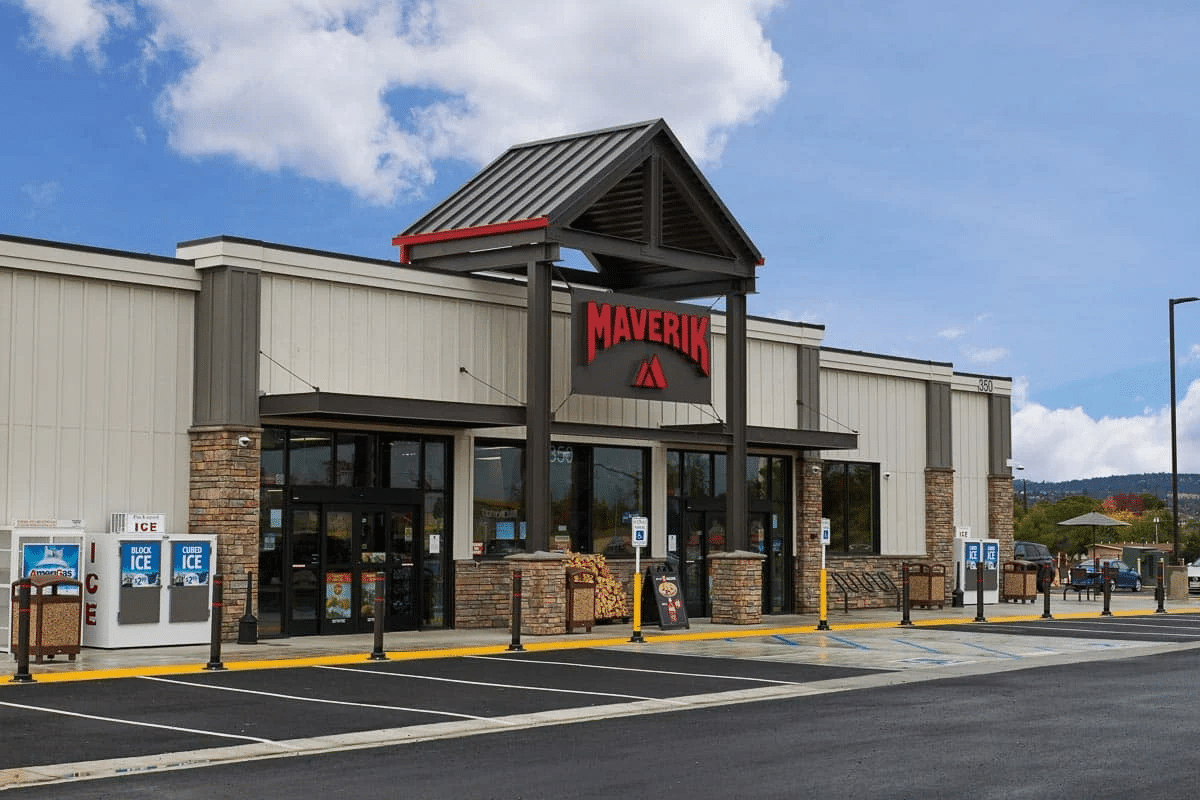
6 Gas Station Chains With Food So Good It’s Worth Driving Out Of Your Way For
We scoured the Internet to see what people had to say about gas station food. If you think the only things available are wrinkled hot dogs of indeterminate age and day-glow slushies, we’ve got great, tasty news for you. Whether it ends up being part of a regular routine or your only resource on a long car trip, we have the food info you need.
Let’s look at 6 gas stations that folks can’t get enough of and see what they have for you to eat.





