

The American Dream looks perfect on paper, doesn’t it? Climb the ladder of success, buy a home, and live happily ever after. But here’s the harsh reality: while we chase this glittering ideal, it’s quietly wreaking havoc on our families. And I’m not just talking about the obvious, like endless work hours, though that’s certainly part of it.
I’m referring to how this relentless pursuit of success is fracturing our families. From a young age, we’re told that success is about having more, doing better, and moving faster. But what happens when that constant striving comes at the expense of our relationships, the very foundation that gives life its true meaning?
It’s time to take a hard look at how the American Dream is hurting us, our families, and even our children. Here are 15 ways this pursuit may be doing more harm than good.
Relocating for Better Opportunities

Families are constantly moving away in search of a “better opportunity.” Whether it’s a promotion across state lines or pursuing an education across the country, we are leaving those support networks far faster than an addled New York City real estate mogul can bankrupt a casino.
The real cost? Children miss their grandparents’ day-to-day influence. Parents lose their village. Extended family relationships morph into clumsy FaceTime calls where once there were Sunday dinners. I’ve seen families move three times in five years, and each time they’re starting from scratch, emotionally and socially.
The mobility that’s meant to open doors creates loneliness instead. When your closest relative is a plane ride away, who do you turn to in a time of need?
Financial Stress and Debt

Speaking of which, let’s discuss money, because this one’s a doozy. Now, the drive to succeed financially is no longer simply the desire for nice things. It’s about making it in an economy where a college education costs more than a house once did, and that house now costs more than most people will earn in a decade.
Student loans are crushing relationships. Couples often put off getting married, delay having children, and frequently argue about money. Parents take out second mortgages to pay for their children’s education, and then wonder why they’re stressed all the time.
Financial stress is the leading cause of conflict among couples. According to a survey by the American Institute of CPAs (AICPA), 73% of cohabiting couples admit that financial decisions are a significant source of tension in their relationships. In a debt-laden economy like ours, the pursuit of the Dream often feels more like a nightmare. Rather than letting it fuel anxiety, consider using it as a source of motivation and inspiration.
Extended Work Hours and Overwork

The rise of “hustle culture” has normalized 60-hour workweeks, but what’s often overlooked is the real cost: missed family dinners, skipped bedtime stories, and lost weekend adventures with loved ones.
The myth of productivity persists. According to the APA’s 2023 Work in America Survey, psychological well-being ranks as a top priority for workers. Yet, balancing this with career ambitions can feel impossible, especially when chasing that next promotion.
I know parents who have not had a proper conversation with their teenagers in months, because they are always “grinding.” The very essence of the American Dream is the idea that “toiling to the point of suffering is rewarded.” And it’s not much in evidence, as it rarely mentions the price your family is paying while you’re working toward it.
Pursuing Riches at the Expense of Happiness

We’ve bought ourselves the twisted notion that purchasing more things for our children somehow equates to loving them more. However, when parents prioritize material possessions over memories, something fundamental is lost.
Kids don’t need more toys; they need more time. However, families often put themselves into debt to purchase the latest gadgets, adorn themselves in designer clothes, and embark on expensive experiences, giving the impression that this is what success looks like.
The emotional toll is profound. Children come to believe that love is measured in dollars rather than in affection or meaningful time spent together. Meanwhile, parents often carry guilt when they can’t provide the “best” of everything, overlooking the simple truth that their presence holds far greater value than any present.
Two-Income Households and Reduced Parental Availability

Two full-time working parents have become the norm, not the exception. While this dual-income model may seem practical in theory, it has led to a generation of children spending more time in daycare than with their own parents.
The reality is harsh. With both parents working typical hours and managing commutes, evenings are often consumed by supervising homework, preparing dinner, and attending to bedtime routines, leaving only a sliver of quality family time. Weekends, instead of being a chance to unwind, are swallowed up by chores and errands.
This isn’t about advocating for one parent to stay home; that’s an entirely different discussion. The issue lies in the way society has been structured, where family time is relegated to whatever is left over, rather than being prioritized as something essential and meaningful.
Delayed Marriage and Parenthood

The timeline of the American Dream has undergone significant changes. Earlier generations married early, had kids young, and worked throughout their child-rearing years. We have been told to build our careers first and think about relationships later.
The result? People are waiting until their 30s and 40s to get married and have children, introducing intergenerational gaps that did not exist before. When you finally have kids at 38, your parents are in their 70s, having missed out on years of active grandparenthood.
This wait is also disillusioning for relationships. The return to a stable family model ensures that family values of the past endure well into the future.
Immigrant Family Separation

For many immigrant families, the American Dream often comes with a heartbreaking choice: remain together and face hardship, or separate in hopes of giving the next generation a better future.
Immigration policies and the challenges of obtaining legal status frequently force families to endure years of separation, sometimes even permanent divides.
The psychological impact is devastating. Children are growing up with one or both parents missing. Marriages break under the stress of long-distance relationships. Our extended family networks are shattered and spread across continents.
Even when families are ultimately reunited, the emotional distance between those who have been apart becomes hard to close. The Dream offered opportunity, but came with isolation.
Generational Clashes Over Values

Older and younger family members have wildly opposed ideas of what the American Dream is, and it’s setting off massive family conflicts.
Boomers believe it’s a matter of hard work and material success. Gen X thinks it’s security and stability. Millennials chase experiences and work-life balance. Gen Z is wondering if the Dream even exists anymore.
These differing value systems often create tension over family dinners, career choices, and life plans. When parents struggle to understand why you’d choose a lower-paying job with better benefits or delay buying a home, it can lead to feelings of distance and judgment.
Save this article
The Keeping Up with the Joneses Effect

Social media has supercharged the comparison game. Now we’re not just keeping up with our neighbors; we’re competing with the highlight reels of everyone we’ve ever met.
The financial strain is real. Families are taking on debt to finance vacations they can’t afford, cars they don’t need, and houses that stretch their budget to the breaking point, all to project an image of success.
The resentment that develops from this false game of constant comparison poisons family relationships. Parents bicker about spending, and kids come to feel entitled to things their families can’t afford, leaving everyone stressed about keeping up appearances.
Tech That’s Breaking the Home-Work Divide

The always-on culture is toxic. Parents respond to work emails at the dinner table, take calls during their child’s soccer game, and check messages while reading bedtime stories. The lesson kids implicitly learn is that work is more important than family time.
Instability from the Gig Economy

The gig economy promised freedom and flexibility, but for many, it has resulted in downsides and uncertainty. When your livelihood depends on a freelance project or Uber surge pricing, it’s hard to build a stable family routine.
And let’s not forget the missing benefits: no health insurance, no paid leave, no retirement plans. Parents in the gig economy often work longer hours with less security, and their families feel that instability.
This uncertainty makes it difficult to plan, to relax, or even to be emotionally present.
Breaking the Bank to Own a Home

The white picket fence fantasy lives, but it is bankrupting families. The pressure to own a home, even when it’s not financially prudent, is driving people into massive debt.
Some families are paying half their income toward mortgage repayments, leaving little to nothing for vacations, their kids’ extracurricular activities, or emergencies. The home becomes a financial prison, beautiful on the outside, suffocating within.
Prospective Social Mobility to Blame for Sibling Rivalry

The pressure to succeed has turned some families into competitive arenas. Parents compare children’s accomplishments, kids fight for praise, and sibling relationships suffer.
There are families where adult siblings barely speak to each other because of a long-standing rivalry over career success. The American Dream’s focus on individual achievement has replaced collective support with a culture of constant comparison.
Cultural and Racial Barriers

The American Dream often excludes families of color from its narrative. A Pew Research Center survey found that Whites (41%) are more likely than blacks (17%) or Hispanics (32%) to say they have achieved the American Dream
These gaps add pressure, trauma, and tension within families navigating systemic barriers. When you’re working twice as hard for half the return, that struggle touches every relationship you have.
Decline of Extended Family Support

As people become more mobile and individualistic, the extended family model has largely disappeared. Parents are trying to do it all alone — and it’s not working.
Without the support of grandparents, aunts, uncles, or cousins, every family crisis becomes more difficult to bear. This isolation makes families more vulnerable, not more independent.
Conclusion

So, where does all this leave us? The American Dream isn’t inherently corrupt, but the one we’re living is clearly doing more harm than good for many families.
Maybe success shouldn’t be defined by possessions or promotions, but by presence, connection, and joy at home. It’s time to rewrite the Dream, not just to dream bigger, but to dream better.
Disclaimer – This list is solely the author’s opinion based on research and publicly available information. It is not intended to be professional advice.
16 Grocery Staples to Stock Up On Before Prices Spike Again
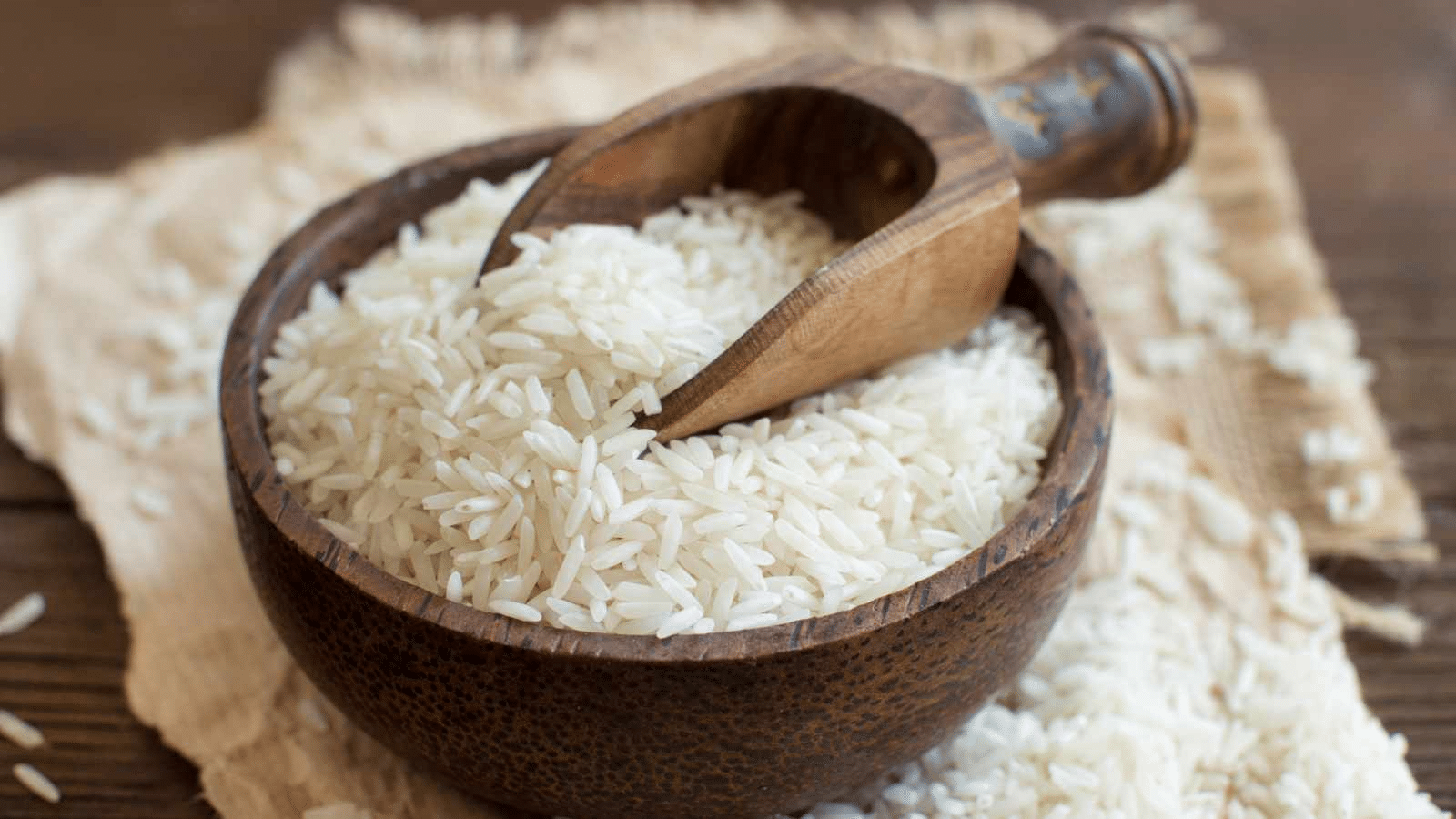
16 Grocery Staples to Stock Up On Before Prices Spike Again
I was in the grocery store the other day, and it hit me—I’m buying the exact same things I always do, but my bill just keeps getting higher. Like, I swear I just blinked, and suddenly eggs are a luxury item. What’s going on?
Inflation, supply-chain delays, and erratic weather conditions have modestly (or, let’s face it, dramatically) pushed the prices of staples ever higher. The USDA reports that food prices climbed an additional 2.9% year over year in May 2025—and that’s after the inflation storm of 2022–2023.
So, if you’ve got room in a pantry, freezer, or even a couple of extra shelves, now might be a good moment to stock up on these staple groceries—before the prices rise later.
6 Gas Station Chains With Food So Good It’s Worth Driving Out Of Your Way For
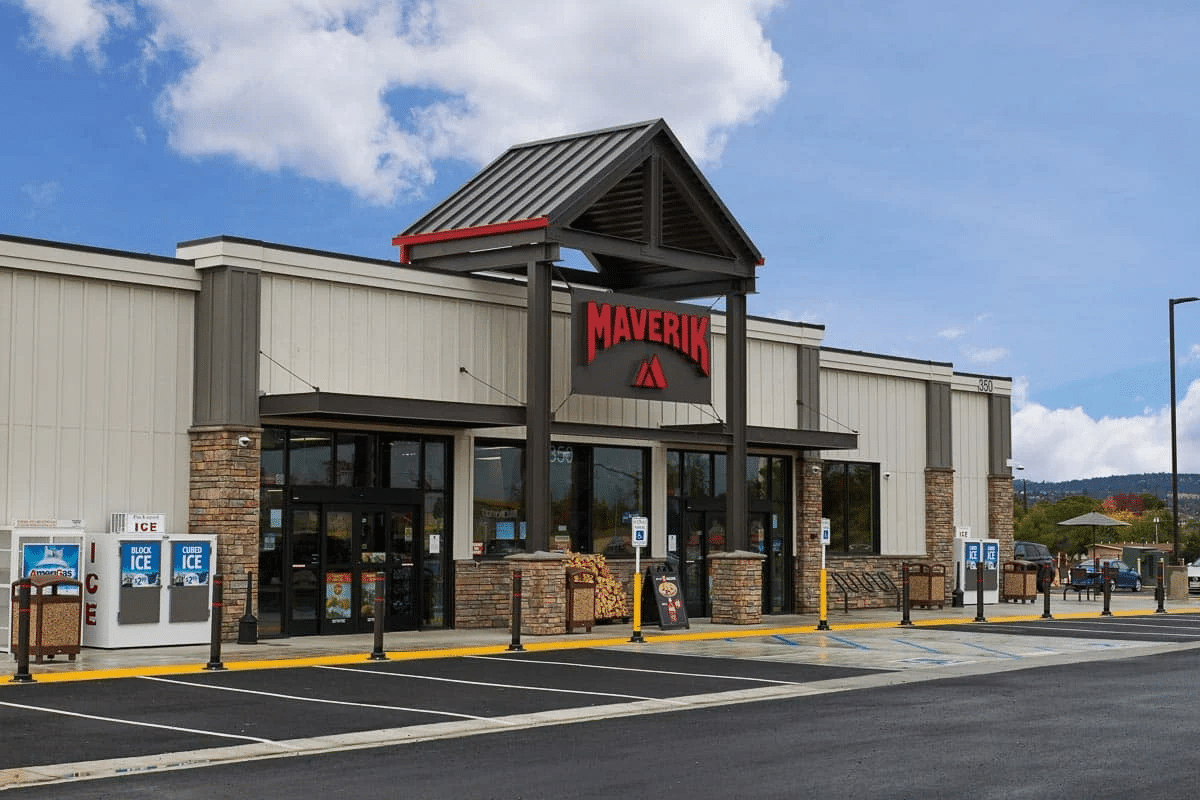
6 Gas Station Chains With Food So Good It’s Worth Driving Out Of Your Way For
We scoured the Internet to see what people had to say about gas station food. If you think the only things available are wrinkled hot dogs of indeterminate age and day-glow slushies, we’ve got great, tasty news for you. Whether it ends up being part of a regular routine or your only resource on a long car trip, we have the food info you need.
Let’s look at 6 gas stations that folks can’t get enough of and see what they have for you to eat.





