

Remember when “going online” meant listening to a symphony of screeching sounds? Or when your biggest worry was keeping a digital pet alive in your pocket? If you grew up in the 1990s and early 2000s, you witnessed one of the most dramatic technological shifts in human history—the transition from analog to digital everything.
Entertainment required planning and communication took effort. Patience wasn’t just a virtue; it was a survival skill. We lived in a world where instant gratification didn’t exist, yet somehow we were perfectly content waiting three minutes for a single song to download.
The statistics tell the story of how much has changed. According to Statista, as of December 2023, about 70% of children worldwide have access to laptops, and smartphones are used by 98% of adults and 90% of children.
Screen time for very young children has more than doubled from 1.32 hours per day in 1997 to 3.05 hours per day in 2014, as reported by the National Institutes of Health, and this has risen significantly to date. We’ve become a society that’s always connected, always entertained, constantly stimulated.
But those of us who remember life before this digital revolution carry something special—memories of a simpler time when creativity flourished in the face of limitations, when boredom led to adventure, and when the phrase “you’ve got mail” could make your entire day.
Rewinding VHS Tapes with a Pencil

Every ’90s kid knew the drill. Your favorite movie just ended, but before anyone else could watch it, someone had to rewind the tape. The smart ones kept a pencil handy—insert it into one of the little holes, twist clockwise, and watch the videotape slowly wind back to the beginning.
VHS tapes, introduced by JVC in 1976, dominated home entertainment throughout the 1980s and 1990s. These bulky rectangles could hold about two hours of video, and they required rewinding after every use. Sales peaked in 1998, just as DVDs were gaining momentum in their takeover. By 2016, VHS production had ceased entirely, though the format maintains a cult following among nostalgic collectors.
The pencil trick wasn’t just convenient—it was necessary. VCR motors could wear out from constant rewinding, and “Be Kind, Rewind” wasn’t just a catchy slogan at Blockbuster; it was basic courtesy.
Calling a Friend on a Landline and Hoping No One Was on the Phone

According to Pew Research, most households in the 1990s relied entirely on landline phones. Making a call required a strategy. First, you had to wait for the line to be free. Then you had to hope your friend’s parents wouldn’t answer. And if you were really unlucky, you’d get a busy signal and have to try again later.
Phone time was precious and public. Conversations happened in kitchens and hallways, within earshot of family members. Privacy meant stretching the coiled cord as far as it would go and whispering into the receiver. There were no group chats, no read receipts, and no way to ignore someone without being obviously rude.
The anticipation of waiting for a call back created a different kind of social dynamic. Plans were made and kept because changing them required actual effort.
Using Dial-Up Internet and Listening to the Screeching Connection Sound

Anyone who used dial-up internet in the 1990s and early 2000s can still hear that distinctive modem handshake in their head. Those screeching tones represented your computer negotiating with your internet service provider over telephone lines, establishing a connection that topped out at 56k if you were lucky.
Dial-up required planning. You couldn’t use the phone and the internet simultaneously. Downloading a single four-minute song took anywhere from 15 minutes to an hour, depending on your connection speed and how many people picked up the phone during the download.
The sound itself became oddly comforting—a digital rooster crow that announced you were about to enter cyberspace. Kids today connect to Wi-Fi in seconds and expect instant loading. We celebrated when a webpage loaded in under a minute.
Passing Notes in Class and Hiding Them from the Teacher

Before smartphones made it possible to text under desks, classroom communication required actual paper and serious stealth skills. Note-passing was an art form that involved careful folding techniques, strategic seating arrangements, and split-second timing.
If you got caught would get public humiliation. The teachers would often read confiscated notes aloud to the entire class. The stakes were real, which made every successfully delivered message feel like a covert operation. We developed elaborate folding patterns, secret codes, and hand signals that would make CIA operatives proud.
The physical nature of note-passing created lasting memories. Some people still have shoe boxes full of folded papers from junior high, tangible evidence of friendships and crushes that felt earth-shattering at the time.
Playing with Tamagotchis and Keeping Them Alive

Launched in the mid-1990s, Tamagotchis were perhaps the first widespread introduction of digital responsibility to children. These egg-shaped electronic pets required constant attention, including feeding, cleaning, playing, and administering medical care. Neglect your Tamagotchi, and it will die, leaving behind a gravestone icon and a crushing sense of guilt.
Schools banned them because kids were checking their pets during class. Parents grew tired of the middle-of-the-night beeping, which demanded their attention. Yet somehow, keeping a collection of pixels alive felt like the most important job in the world.
Tamagotchis taught an entire generation about digital consequences in a tangible way; Your virtual pet’s well-being depended entirely on your actions, creating genuine emotional investment in something that existed only on a tiny black-and-white screen.
Renting Movies from Brick-and-Mortar Video Stores

The weekend trips to Blockbuster or Hollywood Video were family events. You would wander the aisles, reading movie boxes, negotiating with siblings about what to watch, and hoping your first choice wasn’t already rented out.
The dominance of VHS rentals was instrumental in shaping home entertainment culture. New releases cost $4-6 to rent and had to be returned by a specific time to avoid late fees. The entire experience required commitment—you couldn’t just skip to something else if you got bored in the first ten minutes.
Video stores created social interaction around entertainment. Employees made recommendations. Customers debated movies in the aisles. The “Staff Picks” section introduced you to films you never would have discovered otherwise.
Using Floppy Disks to Save Your Files

We relied on 3.5-inch floppy disks that held a whopping 1.44 megabytes of data, before flash drives and cloud storage revolutionized file management. These plastic squares with sliding metal covers were both miraculous and frustrating.
A single high-resolution photo today is larger than the capacity of most floppy disks. Back then, we carefully managed every kilobyte by deleting old files to make room for new ones. Important documents were often saved across multiple disks, requiring you to label and organize them like a miniature library.
Floppy disks failed regularly and spectacularly. A small scratch or magnetic interference could destroy hours of work. We learned to make backup copies of everything essential and developed a healthy paranoia about data loss that persists to this day.
Watching Saturday Morning Cartoons Religious Style

Saturday morning television was a sacred time for kids in the 1980s and 1990s. Shows like “The Smurfs,” “Teenage Mutant Ninja Turtles,” and “DuckTales” aired during specific time slots, creating appointment viewing that brought families together around the TV.
Missing your favorite cartoon meant waiting an entire week for the next episode—if you were lucky enough to catch the rerun. There was no pausing, no rewinding, no watching on demand. You either set your alarm and show up, or you miss out.
The ritual created shared cultural experiences. Monday morning playground conversations revolved around what everyone watched over the weekend. Kids across the country were synchronized to the same entertainment schedule, creating a common language of cartoon references that lasted for decades.
Popping Bubble Wrap Just for Fun

Long before stress balls and fidget spinners, there was bubble wrap. Every package delivery was an opportunity for therapeutic popping. The satisfying pop of compressed air escaping plastic bubbles provided instant stress relief and oddly addictive entertainment.
Bubble wrap popping was a shared human experience that transcended age groups. Office workers would gather around shipping boxes like vultures; each claiming their section of bubbles. Kids would fight over who got to pop the biggest bubbles first.
The simplicity was beautiful. No batteries, no screens, no rules—just pure tactile satisfaction. Some people developed techniques for maximum efficiency, while others savored each individual pop like fine wine.
Playing Outside Until the Streetlights Came On

Summer evenings in the pre-smartphone era had a magical quality. Kids would disappear after breakfast and roam neighborhoods in packs, inventing games, exploring vacant lots, and creating adventures out of absolutely nothing.
Save this article
The streetlight rule was universal and non-negotiable. When those orange lights flickered on, you had maybe ten more minutes before parents started calling for you to come inside. Time moved differently then because hours felt like entire days, and boredom was just another opportunity for creativity.
Without constant digital stimulation, we developed different skills. We learned to read weather patterns and navigate by landmarks. We would also entertain ourselves with whatever materials we could find. Every day was an adventure waiting to happen.
Using a Beeper or Pager to Wait for a Call

Pagers served as primitive mobile communication devices before cellphones became ubiquitous. Getting “beeped” meant someone was trying to reach you, but you still had to find a payphone or landline to call them back.
Pager codes developed into a secret language. 143 meant “I love you” (one letter, four letters, three letters). 911 indicated an emergency. Kids became masters of numeric communication, translating complex messages into calculator-style digits.
The delay between receiving a page and returning the call created suspense that no longer exists. Was it good news or bad news? An invitation or a crisis? The anticipation made every callback feel important.
Writing on AOL Instant Messenger and Getting “Away Messages”

AOL Instant Messenger transformed how teenagers communicated in the late 1990s and early 2000s. Screen names became personal brands, buddy lists created social hierarchies, and away messages served as miniature social media posts before social media existed.
Crafting the perfect away message was an art form. Song lyrics, inside jokes, and cryptic references to crushes were carefully curated to project the right image. Coming back to dozens of offline messages felt like winning the popularity lottery.
AIM introduced concepts that seem obvious now but were revolutionary then—real-time typing indicators, emoji-style emoticons, and the ability to have multiple conversations simultaneously. It was the training ground for digital communication skills that would become essential in the smartphone era.
Collecting Pogs and Playing with Them in the Schoolyard

Pogs—circular cardboard discs decorated with cartoon characters, sports logos, and random designs—created a playground economy unlike anything before or since. The game itself was simple: stack pogs, slam them with a heavier “slammer,” and keep whatever landed face-up.
What started as a simple milk cap game in Hawaii became a global phenomenon. Kids traded rare pogs like precious commodities, learning basic economics through cartoon-decorated cardboard. Schools eventually banned pogs because the gambling-adjacent gameplay caused too many playground disputes.
The collecting aspect taught valuable lessons about scarcity, trading, and negotiation. Every kid knew which Pogs were common and which were treasures worth protecting in special cases or binders.
Using a Walkman and Switching Cassette Tapes

Sony’s Walkman revolutionized personal music consumption, but it came with significant limitations. Each cassette tape held maybe 90 minutes of music total—45 minutes per side. Running enthusiasts carried multiple tapes for longer workouts, and road trips required careful playlist planning.
Fast-forwarding and rewinding to find specific songs required memorizing tape positions and developing a feel for timing. The mechanical click of reaching the end of a side meant flipping the tape over and starting the B-side adventure.
Battery life was precious. Dead batteries mid-song meant silence until you could find AAs somewhere. The anticipation of hearing your favorite song made it more special than the instant access we have today.
Playing with Slap Bracelets and Silly Bandz

Fashion trends moved differently in the pre-Internet era. Slap bracelets—metal strips covered in fabric that curled around your wrist when struck against it—spread through schools like wildfire before adults even understood what they were.
The satisfying snap of a slap bracelet wrapping around your arm provided the same dopamine hit as bubble wrap popping. Kids collected dozens in different colors and patterns, wearing multiple bracelets as status symbols.
Eventually, schools banned slap bracelets after reports of injury from sharp metal edges. But for a brief moment, they represented the perfect intersection of fashion and physics, proving that sometimes the simplest ideas are the most compelling.
Making Friendship Bracelets with Embroidery Floss

Friendship bracelets required time, patience, and genuine care—qualities that made them meaningful gifts between friends. Creating intricate patterns with colored embroidery floss could take hours or even days, but the finished product represented invested time and thoughtfulness.
Each bracelet was unique, hand-crafted specifically for the recipient. Wearing someone’s friendship bracelet meant carrying a piece of their effort and affection with you everywhere. The tradition taught kids about delayed gratification and the value of handmade gifts.
Unlike mass-produced accessories, friendship bracelets couldn’t be bought—they had to be earned through friendship and created through effort. The temporary nature of embroidery floss made them even more precious, as they would eventually wear out and need replacement.
Waiting for Your Favorite Song on the Radio to Record onto a Cassette Tape

Creating the perfect mixtape required dedication, timing, and a little bit of luck. You’d sit by the radio for hours, waiting for your favorite song to play, finger hovering over the record button. Missing the beginning meant starting over and waiting for the next opportunity.
Radio DJs had the power to make or break your recording. A perfectly timed song could be ruined by excessive chatter at the beginning or end. Kids developed strategies—recording multiple attempts of the same song, cutting off DJ introductions, and carefully timing commercial breaks.
The effort invested in each recorded song made them more valuable than anything you could download instantly. Every song on a mixtape was there for a reason, carefully selected and captured through patience and persistence.
Looking Back Without Rose-Colored Glasses

These childhood classics weren’t objectively better than modern technology. Dial-up internet was genuinely frustrating. Floppy disks failed at the worst possible moments. Waiting for songs on the radio could take weeks. Yet there was something to be said for those constraints — they fostered creativity, patience, and real human connection. Boredom led to invention. Delays created anticipation.
It was an unusual moment for technology, still in its early stages of growth, but before it had taken over every corner of life. We were the last generation to play outside as children and the first generation to experience the digital revolution.
Perhaps that explains why these memories seem immortal. Yes, we did, and we experienced one of the most dramatic technological transitions in human history firsthand, and we recall what came before. These overlooked gems are more than nostalgia — they serve as proof of how swiftly the world can shift and reminders of the simpler pleasures lost in the rush of progress.
Disclaimer – This list is solely the author’s opinion based on research and publicly available information. It is not intended to be professional advice.
16 Grocery Staples to Stock Up On Before Prices Spike Again

16 Grocery Staples to Stock Up On Before Prices Spike Again
I was in the grocery store the other day, and it hit me—I’m buying the exact same things I always do, but my bill just keeps getting higher. Like, I swear I just blinked, and suddenly eggs are a luxury item. What’s going on?
Inflation, supply-chain delays, and erratic weather conditions have modestly (or, let’s face it, dramatically) pushed the prices of staples ever higher. The USDA reports that food prices climbed an additional 2.9% year over year in May 2025—and that’s after the inflation storm of 2022–2023.
So, if you’ve got room in a pantry, freezer, or even a couple of extra shelves, now might be a good moment to stock up on these staple groceries—before the prices rise later.
6 Gas Station Chains With Food So Good It’s Worth Driving Out Of Your Way For
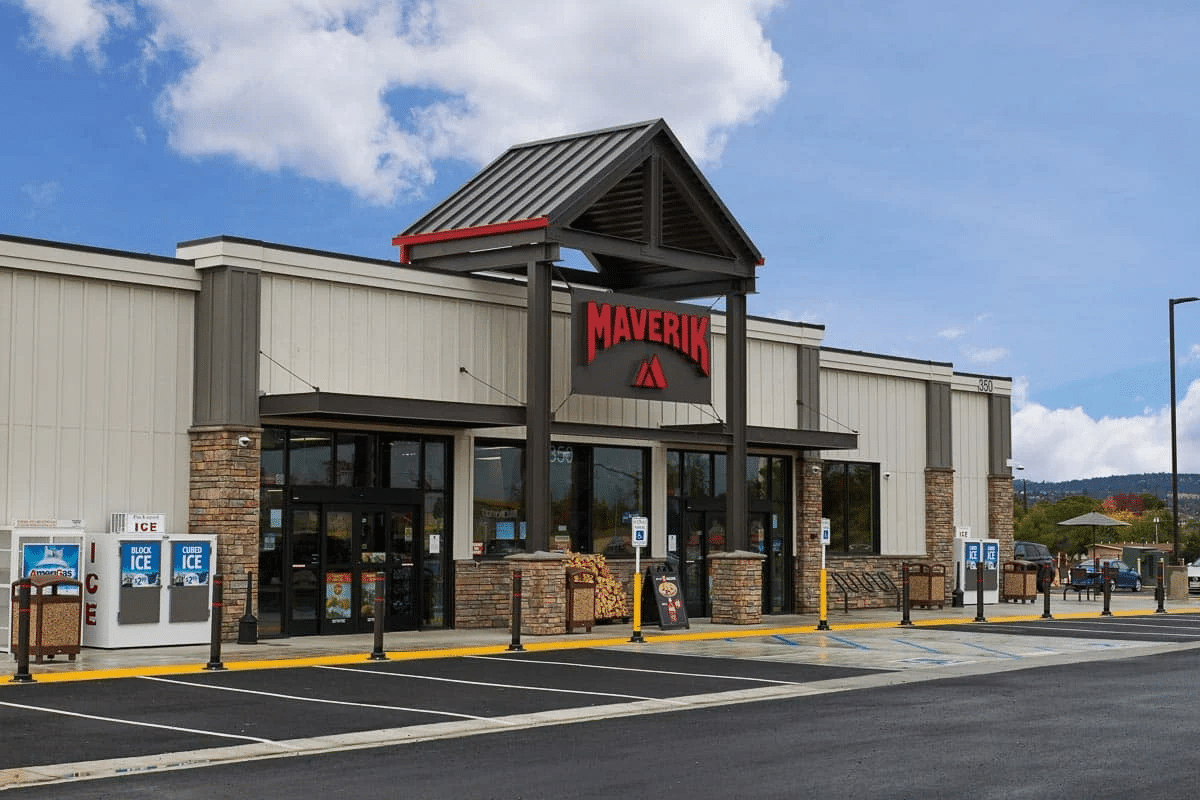
6 Gas Station Chains With Food So Good It’s Worth Driving Out Of Your Way For
We scoured the Internet to see what people had to say about gas station food. If you think the only things available are wrinkled hot dogs of indeterminate age and day-glow slushies, we’ve got great, tasty news for you. Whether it ends up being part of a regular routine or your only resource on a long car trip, we have the food info you need.
Let’s look at 6 gas stations that folks can’t get enough of and see what they have for you to eat.





