

A dog that plants itself against an owner’s legs, sits squarely on a pair of feet or leans in during a pause at the kitchen counter is communicating something. The American Kennel Club, which covers the habit in its guide to dogs that sit on feet, points to several explanations, and 4 of them cover most cases: affection, attention, anxiety and physical comfort.
The guide, written by Elaine Waldorf Gewirtz and updated July 25, 2023, draws on Dr. Mary Burch, a certified applied animal behaviorist who directs the AKC Family Dog Program. Here is how each reason works, and what the ASPCA advises when a behavior seems to change. A leaning dog usually leaves a little fur behind, and this guide to Shark and Bissell vacuums for pet hair covers the cleanup. Pet lovers shopping for the season can also browse this holiday gift guide for cat people, and families with a dog on the guest list can pack light with a carry-on suitcase.
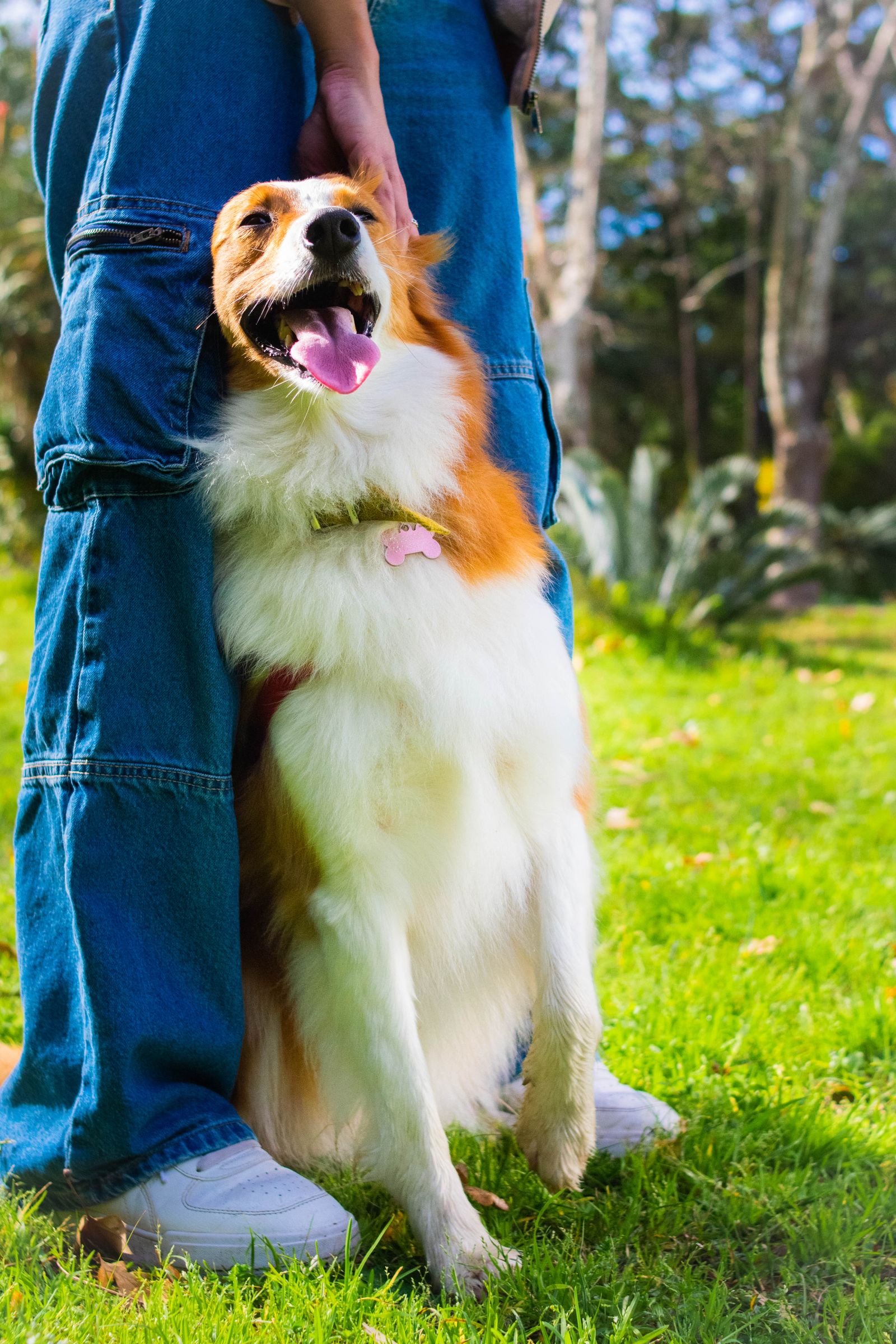
1. Affection and Staying Close
The first and most common reason is simple closeness. According to the AKC, Burch says that when a dog sits on an owner’s feet or leans on the legs, it is often because the dog wants to be near the person. She compares the gesture to a hug.
The AKC adds that dogs may move in when an owner seems sad, as if offering comfort, and that puppies huddle together for warmth and safety, an instinct that can carry into adulthood. Dogs are social animals, and body language such as leaning, nudging and tail position makes up much of how they communicate.
2. A Habit That Earns Attention
The second reason is that leaning works. The AKC notes that dogs rewarded with petting, ear rubs or friendly talk after leaning are more likely to repeat the behavior. A lean that starts as affection can become a routine when it reliably produces a scratch behind the ears.
That is not a problem in itself, and plenty of owners enjoy the ritual. The AKC’s point is that dogs quickly notice which actions bring a reaction. Owners who would rather skip the habit can quietly stop rewarding it, and owners who like it can carry on.
3. Anxiety, Fear or Stress
The third reason is a dog looking for reassurance. The AKC says new places, loud noises such as fireworks or thunder, and separation anxiety can all make a dog seek closeness. Burch describes her own dog, Sarge, sitting between her legs at the veterinarian’s office until his panting eased.
The AKC lists body-language clues that point to fear: drooling, shaking, panting, crouching, a tightly tucked tail, a low head and ears pulled back. A dog that leans while showing those signs is likely seeking comfort rather than attention. Holiday gatherings, with new faces, noise and changes in routine, can bring out this kind of leaning in some dogs.
When anxiety is behind a pattern, the ASPCA advises seeing a veterinarian first. Its guidance on separation anxiety says medical problems can cause similar behavior, so they should be ruled out before behavior training begins. It recommends consulting a certified applied animal behaviorist, a board-certified veterinary behaviorist or a certified professional dog trainer experienced with fear, and it notes that punishment tends to increase distress.
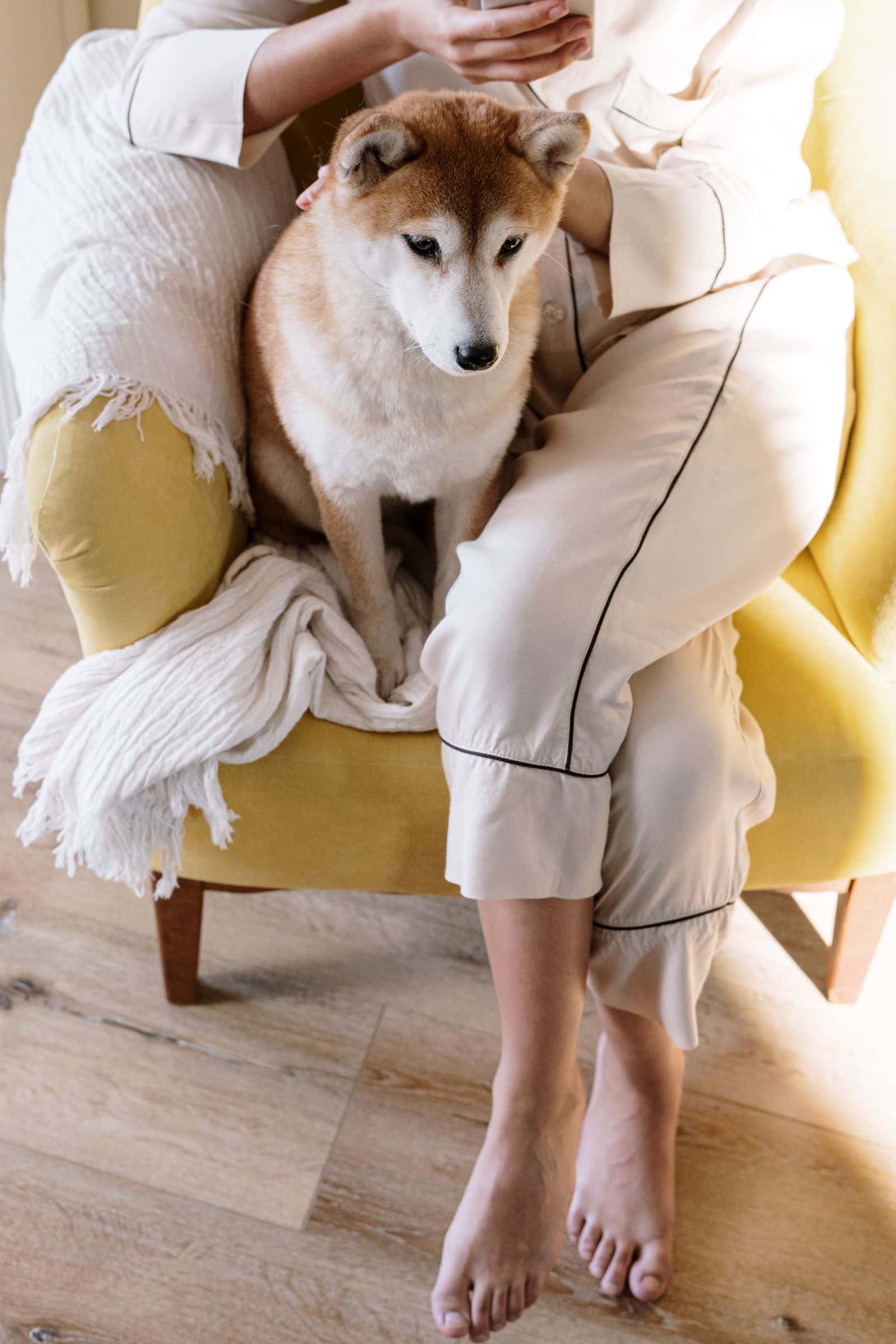
4. Comfort, Warmth and Mobility
The fourth reason is physical. According to the AKC, dogs may move close to their owners in cold or damp weather, and sitting on feet lets a dog move quickly if the owner stands up. In multi-dog homes, dogs may also compete for the spot closest to the owner.
The AKC also mentions arthritis: dogs with it may prefer a raised position, since they do not have to bend down as far to sit. A dog that suddenly leans more, seems unsteady or changes its habits is worth mentioning to a veterinarian, in line with the ASPCA’s advice to check for medical causes before assuming a behavior problem.
Reading the Lean
Context tells most of the story. A relaxed dog that leans after a long day is probably enjoying the company. A dog that leans hard, pants and paces during a storm is likely asking for reassurance. A dog that leans every time a treat bag rustles has learned a trick. These readings are starting points drawn from the AKC and ASPCA guidance, and each dog’s history, breed and surroundings add details that an owner and a veterinarian can sort out together.
For most households, the AKC’s message is reassuring: sitting on feet and leaning are normal ways for dogs to connect. The best response is to watch the situation, offer calm reassurance when a dog seems worried, and call the veterinarian if the behavior is new, sudden or paired with signs of discomfort.
Body language reveals a lot in people, too. For more on what small everyday signals can suggest, see these traits of people who smile at strangers during eye contact and of people who avoid conflict, according to psychology.
This article was written with the help of AI tools and checked against the sources linked above.




