

Shoveling the front walk feels like a harmless chore, but in many cities it comes with rules, deadlines and fines. Four slip-ups show up again and again in official guidance: pushing snow into the street, missing the clearing deadline, leaving a path too narrow, and burying fire hydrants or curb ramps.
The details differ from city to city, so the figures below come from official pages for New York City, Boston and Salem, Massachusetts. Residents elsewhere should check their own city’s public works or sanitation site. Once the walk is clear, gardeners can keep something growing with elevated garden beds for fall greens and herbs. Shoveling a neighbor’s walk is one of those little neighborly rituals many people remember fondly, and winter customs of all kinds get a playful look in this list of odd American traditions that confuse the rest of the world.
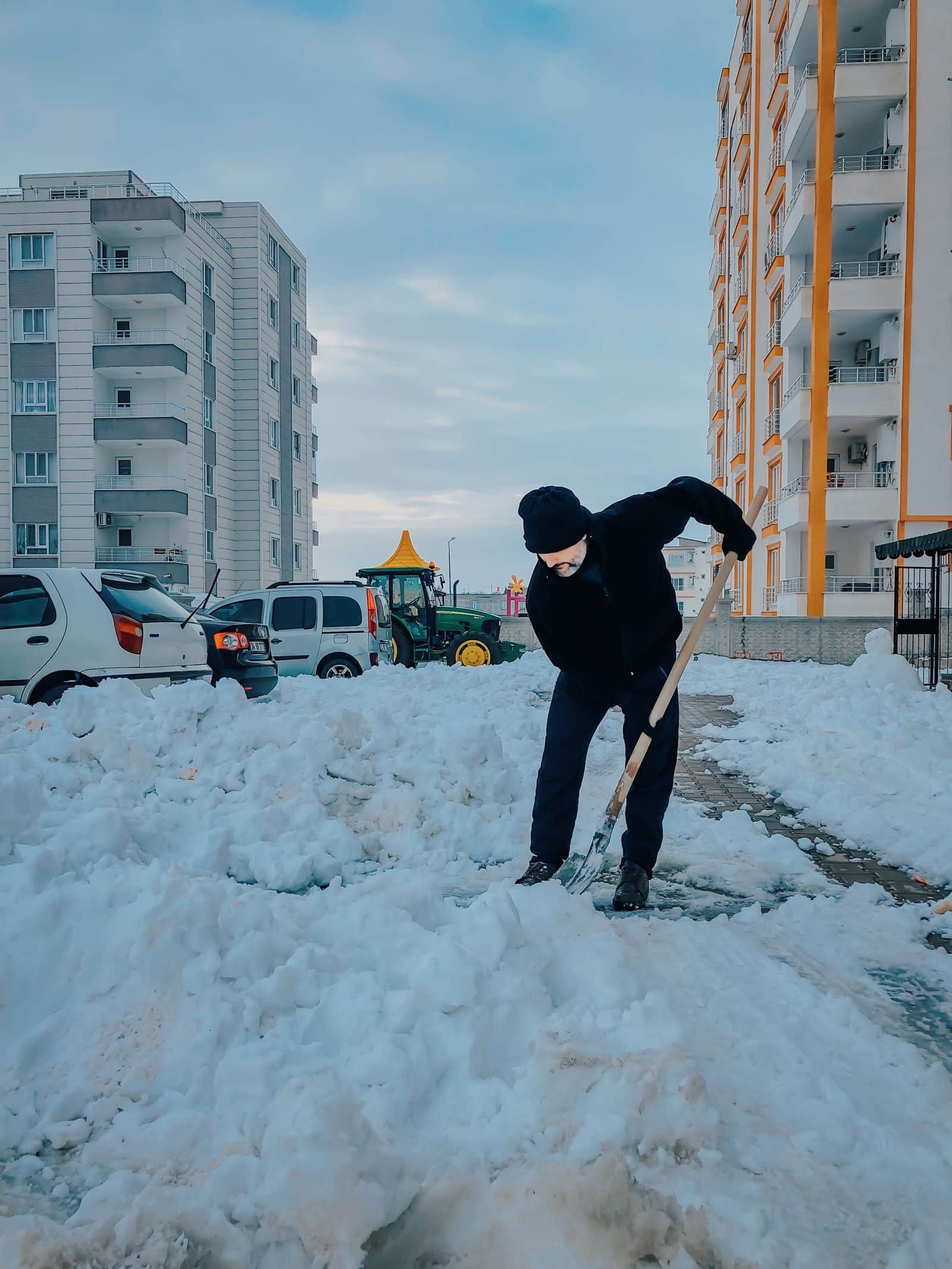
Mistake 1: Pushing Snow Into the Street
The most tempting shortcut is also one of the most commonly penalized. Tossing snow off the walk and into the road clears the sidewalk in half the time, but then the plow, the drivers and the neighbors all have to deal with the pile.
The New York City Department of Sanitation says snow and ice must not be shoveled, blown or pushed into the street. Boston’s 311 rules make the same point, saying the city may fine people who push snow into the street.
The money is real. Boston lists fines for pushing more than 1 cubic yard of snow into the street at $100 for a residential property with 16 or fewer units, $150 for a larger residential building and $200 for a commercial property. Salem fines pushing snow back onto the roadway $75 for a first offense, $150 for a second and $200 for a third or later offense.
Mistake 2: Missing the Clearing Deadline
Sidewalk rules run on a clock that starts when the snow stops, not when the homeowner wakes up. In New York City, the deadline depends on when the snowfall ends, according to the Sanitation Department. Snow that stops between 7:00 a.m. and 4:59 p.m. must be cleared within 4 hours. Snow that ends between 5:00 p.m. and 8:59 p.m. gets 14 hours, and snow that ends between 9:00 p.m. and 6:59 a.m. must be cleared by 11:00 a.m.
New York’s fines climb with repeat offenses. A DSNY advisory from February 2025 lists $100 for a first offense, $150 for a second and $250 for a third, and the department’s snow laws page says fines can reach up to $250.
Boston is stricter on timing. The city asks that sidewalks and curb ramps be cleared within 3 hours after the snow stops, and for overnight snow, within 3 hours after sunrise. Each day of noncompliance counts as a separate violation, Boston says, with fines of $50 for a residential property with 16 or fewer units, $100 for a residential property over 16 units and $200 for a commercial property.
Mistake 3: Leaving the Path Too Narrow
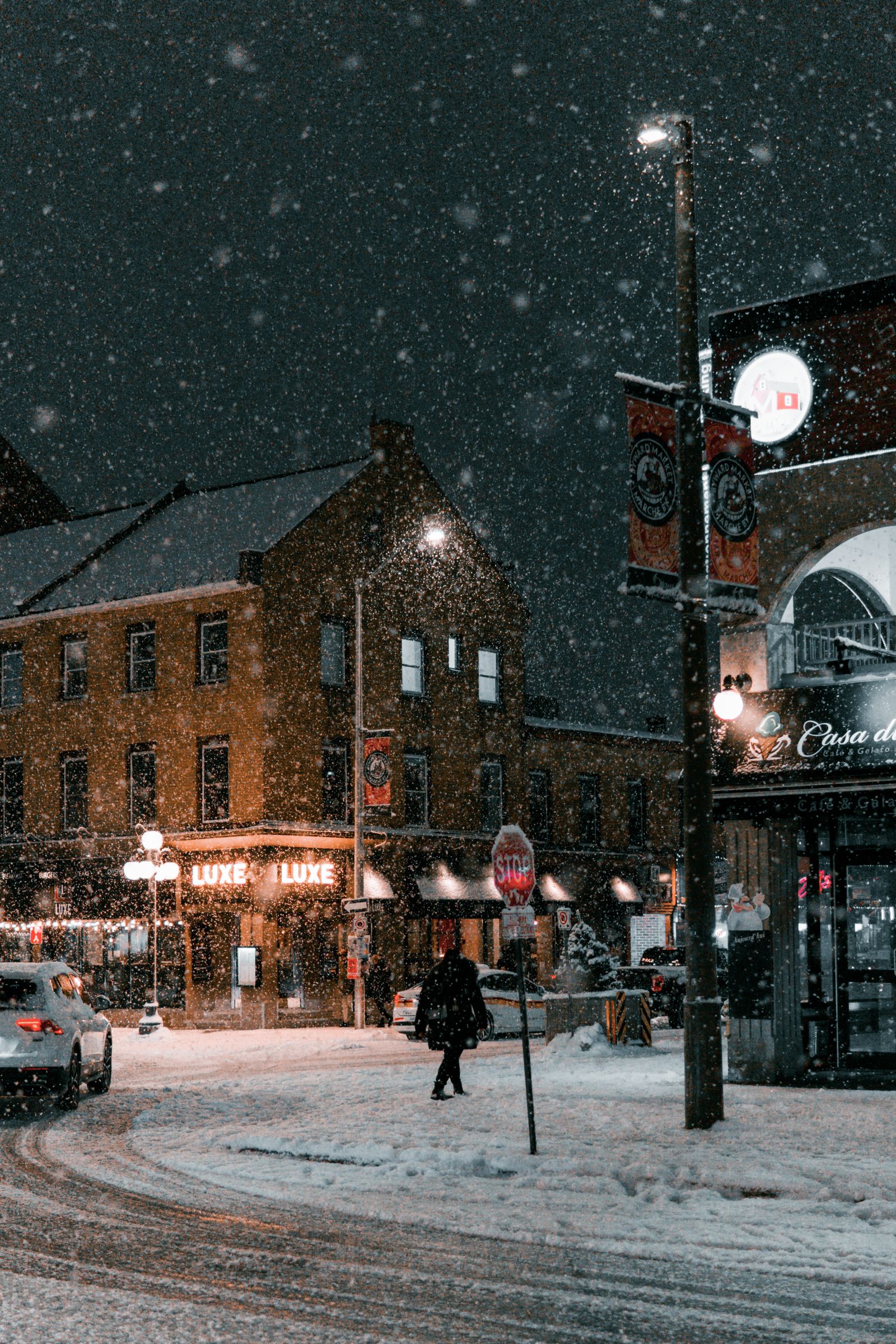
A single boot-width trail may feel like progress, but cities want a usable sidewalk. New York City requires a path at least 4 feet wide, according to the city’s 311 guidance. Boston asks for at least a 42-inch path, wide enough for wheelchairs and strollers.
The difference is only about 6 inches, but the principle is the same. A path that fits one person in a puffy coat is not much help to a parent pushing a stroller or a neighbor using a walker. Cities set a minimum width because the people who most need a clear route are often the least able to detour into the street. Where ice is frozen too hard to chip away, New York’s guidance suggests spreading salt or sand for traction.
Mistake 4: Blocking Hydrants and Curb Ramps
The last slip-up is easy to overlook because it happens at the edges of a property. New York’s rules say owners and occupants must clear snow and ice around fire hydrants and from sidewalk ramps and curb cuts in front of or next to their building. The 311 guidance adds that corner property owners must clear access to the crosswalk and pedestrian ramp.
Boston’s page says property owners must clear curb ramps that touch their property, along with the sidewalk. A buried ramp leaves wheelchair users and stroller pushers with no way up the curb, and a buried hydrant slows firefighters when minutes count. Neither takes long to fix with a shovel.
The Short Winter Checklist
The plan is simple: clear the walk to the required width, keep snow out of the street, beat the deadline and dig out the hydrant and ramp. The exact numbers depend on the city, so the official pages cited here are the place to confirm them. Residents outside New York, Boston and Salem can usually find their local version on the city’s public works or sanitation site.
Winter rules have changed a lot over the decades, as these common winter habits from the ’70s that feel out of place today show. Some everyday chores can even cross a legal line without anyone noticing, a theme in this list of household actions people do without realizing they’re illegal.
This article was written with the help of AI tools and checked against the sources linked above.




