

Grandparents seemed to have a saying for everything. Spend an allowance too fast, and there was a phrase for that. Make a careless decision, and out came a line that sounded like it belonged to another century, which, in many cases, it did.
These expressions were more than clever word combinations. They carried practical advice about patience, responsibility, saving and good judgment. Several of the sayings most associated with older American generations actually began centuries before Baby Boomers or their grandparents were born. There is no clear evidence that they have vanished from everyday speech, but they have an old-fashioned charm worth revisiting. Here are 5 that deserve another moment in the spotlight. They belong alongside the hardest truths to accept in life, according to Baby Boomers, and some of the habits behind them are among the Boomer habits making a comeback. Others recall the little rituals from the ’80s and ’90s that faded quietly.

1. A Stitch in Time Saves Nine
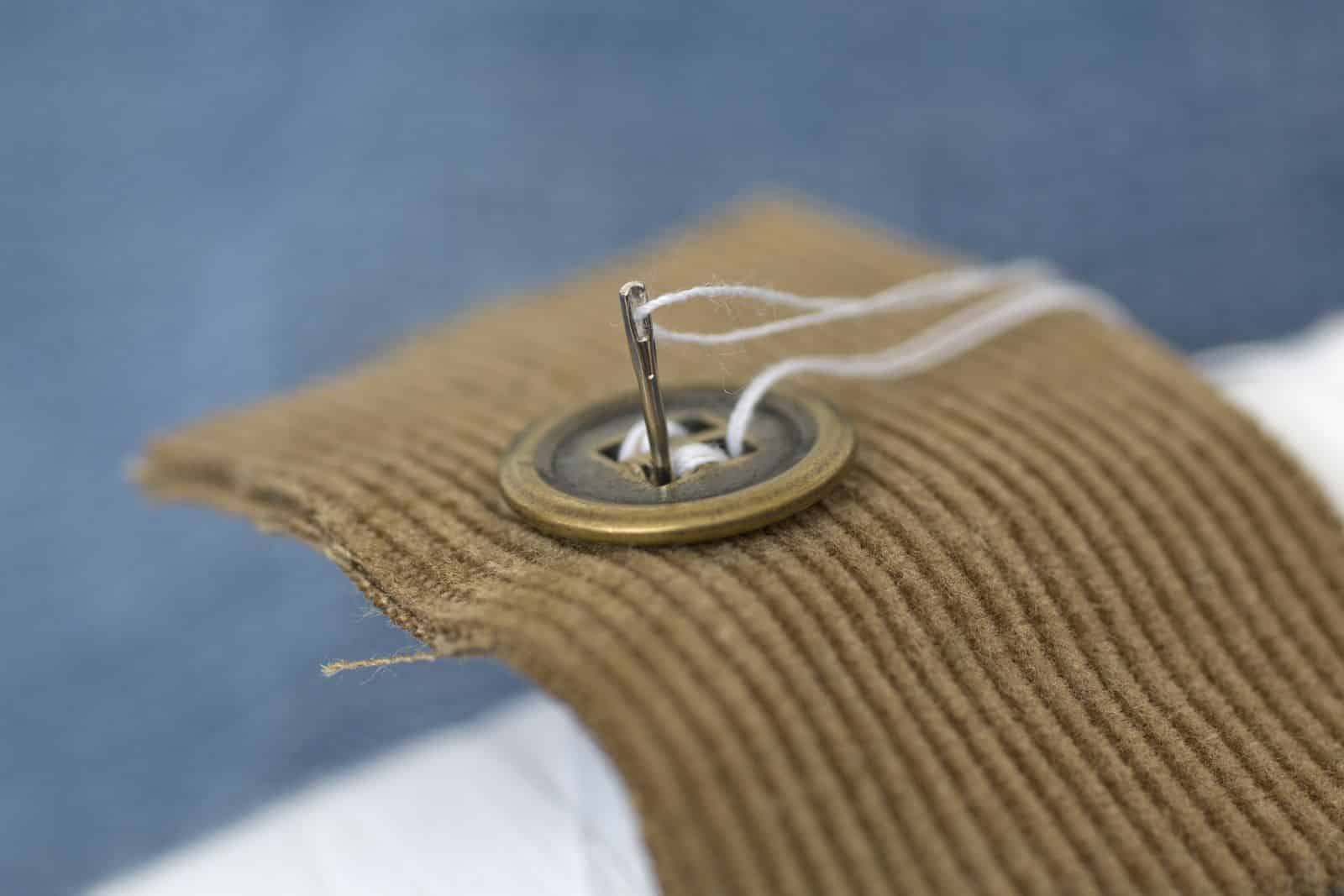
This was the classic response to a loose button, a torn shirt or a household repair someone kept putting off. The meaning is simple: fix a small problem today before it becomes a much bigger one tomorrow.
The expression comes from sewing, where a small tear might take one stitch to mend but could spread if ignored. According to The Phrase Finder, an early recorded version appeared in Thomas Fuller’s 1732 collection Gnomologia, worded “A Stitch in time may save nine.” The familiar version without “may” turned up in a 1797 journal by astronomer Francis Baily, who used it while discussing correcting a boat’s course before it drifted too far.
The lesson works for almost anything. Repairing a small leak under the sink early can prevent an expensive plumbing job, and paying a bill before the deadline avoids late fees.
2. Don’t Count Chickens Before They Hatch
Picture someone announcing plans to buy a new television because a boss mentioned a possible bonus. A grandparent might have smiled and reached for this one. The point: do not celebrate something before it actually happens.
The saying stretches back hundreds of years. The Phrase Finder notes a commonly cited appearance in Thomas Howell’s New Sonnets and Pretty Pamphlets from 1570, though that early attribution has not been conclusively verified. A later documented version appears in Samuel Butler’s Hudibras in 1663. The farm image explains itself: a hen may sit on several eggs, but not every egg will hatch.
Optimism is fine. The trouble starts when excitement turns a possibility into an assumption, such as spending a salary before a job offer arrives.
3. Waste Not, Want Not
This could almost be the official slogan of practical grandparents everywhere. The message is to use resources carefully instead of letting useful things go to waste. According to Dictionary.com, the exact expression dates to 1772, and an earlier version, “Willful waste makes woeful want,” goes back to the 16th century.
Saving glass jars for storage, mending a slightly torn garment and finding a second use for leftover materials are familiar examples of the thrift often linked to older households. Today the same idea shows up in repairing furniture, planning purchases and reusing what is already in the house. The proverb does not mean keeping every broken object forever. It means thinking before tossing or replacing.
4. The Early Bird Catches the Worm
Few sayings capture the old enthusiasm for preparation so neatly. Parents used it to hurry children out the door for school, and the meaning is clear: people who act early tend to have a better shot at opportunities.
According to The Phrase Finder, John Ray’s 1670 collection of English proverbs included the wording “The early bird catcheth the worm,” and another documented version appeared in a 1636 edition of William Camden’s proverb collection. Some sources credit Camden’s 1605 edition, though that date is disputed. The saying also inspired a well-known comeback: the early worm gets eaten.
The real value is in preparation, not the alarm clock. Booking an appointment before schedules fill up or turning in paperwork ahead of a deadline captures the spirit better than waking at dawn for its own sake.
5. Don’t Take Any Wooden Nickels
This one may puzzle younger listeners most. It was a playful warning to be careful, especially with strangers or questionable offers, a folksy warning against getting fooled. Unlike the others on this list, it has distinctly American roots.
Discussions collected by The Phrase Finder connect the phrase with early 20th-century American slang, though its exact origin is uncertain. Wooden nickels themselves became familiar as promotional and commemorative tokens, and there is no solid evidence that widespread counterfeit wooden money inspired the saying. The humor lies in imagining someone foolish enough to accept a worthless wooden coin as real money.
The warning fits the age of online scams surprisingly well. A message promising an expensive prize for a small processing fee, or a deal that seems too good from an unknown seller, is exactly the kind of wooden nickel a skeptical grandparent would have warned about.
Why the Old Sayings Still Work
Language changes, and every generation invents its own favorite expressions. Still, these old lines pack practical wisdom into a few memorable words. “A stitch in time” encourages prevention, “don’t count chickens” teaches caution, “waste not, want not” promotes thrift, “the early bird” rewards preparation, and “wooden nickels” says to stay alert.
Much of that advice overlaps with the old-school money habits that still work today, and a few modern words have far less staying power, as this list of common words that rub many Boomers the wrong way shows.
This article was written with the help of AI tools and checked against the sources linked above.




