

Bank fees rarely announce themselves. They show up as a short line on a monthly statement, a few dollars here and a few dollars there, and many customers never stop to add them up. Over a year, those small charges can quietly cost more than a streaming subscription or two.
Bankrate’s annual checking account study and federal regulators’ own research show just how common these charges remain. Here are 7 bank fees customers often pay without realizing it, and the simple habits that help avoid them.

1. The double charge at an out-of-network ATM
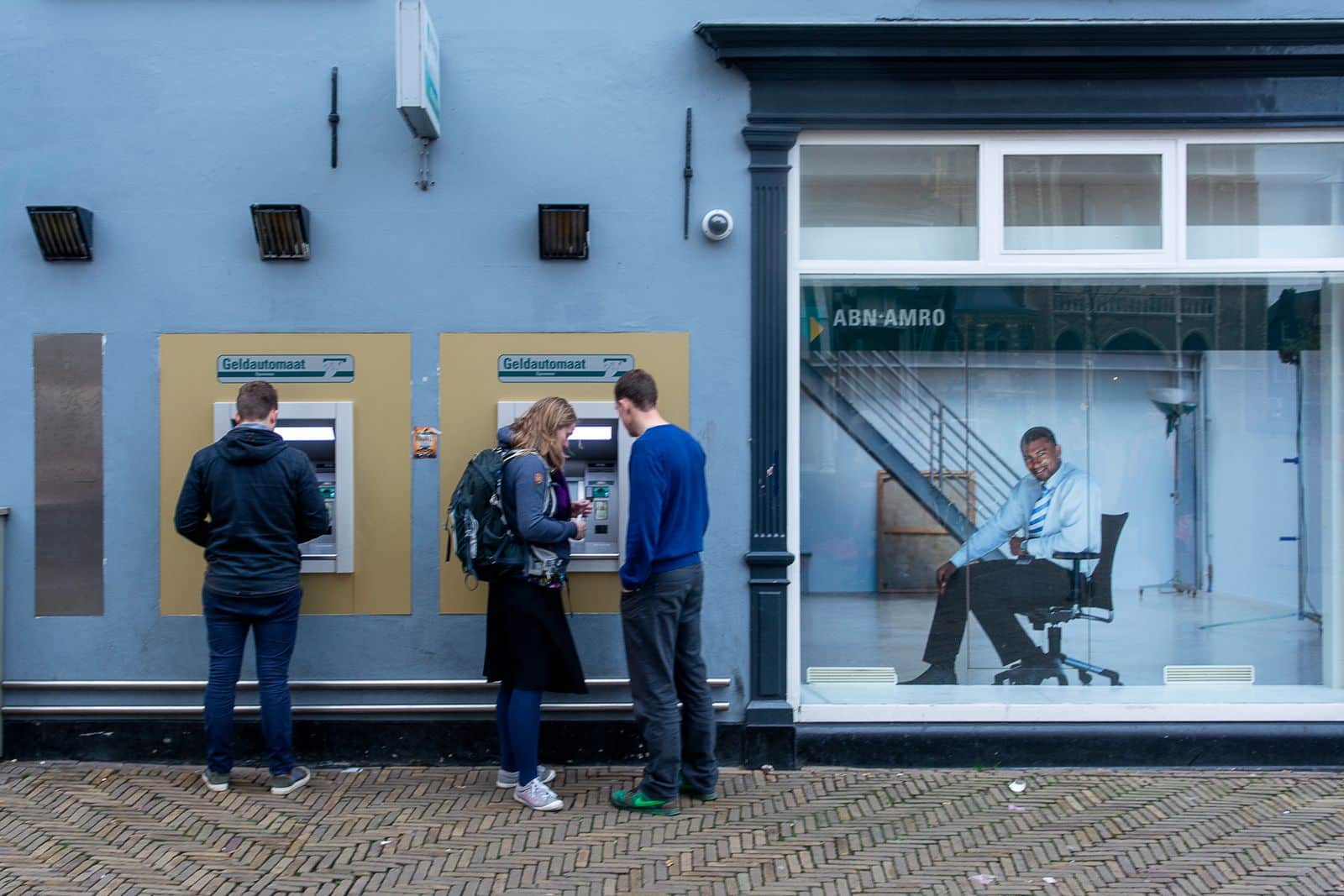
Pulling cash from an ATM that does not belong to the bank often triggers two separate fees, not one. According to the Bankrate 2025 Checking Account and ATM Fee Study, the average total cost of an out-of-network withdrawal is $4.86. That includes a $3.22 surcharge from the ATM’s owner and a $1.64 fee from the customer’s own bank.
Because the second fee comes from the customer’s own bank rather than the machine, it is easy to overlook. A $40 withdrawal that costs nearly $5 is a steep price for convenience. Using the bank’s own ATM network, getting cash back at a store checkout or planning withdrawals ahead are easy fixes, and these tips to save money fast include more small changes that add up.
2. Overdraft fees on everyday purchases
Overdraft fees are among the most familiar bank charges, yet they still catch people off guard. Bankrate found that the average overdraft fee was $26.77 in its latest study, and that 94% of accounts still charge one. That means a $6 coffee bought with too little in the account can end up costing more than $30.
There is a built-in protection many people overlook. Since 2010, federal rules have barred banks from charging overdraft fees on one-time debit card purchases and ATM withdrawals unless the customer has opted in, as a summary of overdraft rules explains. That same summary notes a Consumer Financial Protection Bureau finding that opted-in customers paid more than seven times as much in overdraft and NSF fees, averaging almost $260 a year. Checking whether an account is opted in takes a few minutes and can save real money. These frugal living tips pair well with that kind of account checkup.
3. Daily fees for staying overdrawn
The first overdraft fee is not always the last. Some banks charge a recurring daily fee for each day an account stays negative, according to the same overview of overdraft practices. An account that dips below zero on a Friday and is not topped up until the following week can rack up several extra charges on top of the original fee.
Transaction order can matter too. Many large banks have used a “biggest check first” approach, processing larger debits before smaller ones, which can create more overdrawn items and more fees. U.S. Bank agreed to a $55 million settlement in January 2014 over its posting order. Fees like these are small and repeated, and they make a fitting companion to this list of things Warren Buffett says poor people waste money on.
4. Returned-item fees when a payment bounces
When a bank declines a payment instead of covering it, it may still charge a nonsufficient funds fee, often called an NSF or returned-item fee. Bankrate reports that the average NSF fee has fallen to a record low of $16.82, the fourth straight annual decline, and that 61% of accounts still charge one.
The catch is that a bounced payment can carry costs beyond the bank. A returned rent check or utility payment may bring a separate fee from the company that was supposed to be paid. Low-balance alerts, available in many banking apps, can give an early warning before an automatic payment comes through.
5. Monthly maintenance fees that could be waived
Plenty of checking accounts charge a monthly service fee simply for being open. Bankrate found that non-interest checking accounts that charge a fee average $5.47 a month, while interest checking accounts average $15.65 a month. Over a year, those come to roughly $66 and $188.
The frustrating part is how often these fees can be avoided. In the same study, 47% of non-interest checking accounts charged no monthly fee at all, and another 48% waived it with direct deposit, meaning 95% were free or could be made free that way. A customer who changed jobs, switched how a paycheck arrives or opened an account years ago may be paying a fee that a simple setting change would remove. Small recurring costs like this are easy to miss, much like the ones in this look at daily expenses people overspend on.
6. Fees for dipping below a minimum balance
Many accounts tie their monthly fee waiver to a minimum balance, and the bar can be higher than people expect. According to Bankrate, the average minimum balance needed to avoid fees on an interest checking account reached a record $10,705. For non-interest checking accounts that charge a fee, the average is $496.
Minimum account balance fees are a long-standing category of bank charge, as a reference overview of bank charges notes. A single large bill paid at the wrong moment can drop a balance below the threshold for part of a month and trigger the fee. Reading the account’s fee schedule to see whether it uses a daily or average balance helps avoid an unpleasant surprise.
7. Charges for extra savings withdrawals
Federal Regulation D long limited certain savings withdrawals and transfers to six per month. On April 24, 2020, the Federal Reserve announced an interim final rule removing that six-per-month limit and said institutions could immediately stop enforcing it.
Because the change allowed banks to stop enforcing the limit rather than banning withdrawal limits outright, rules now depend on each bank’s own account terms. Some customers may still be following an old six-transfer habit, while others could be paying for extra transfers without noticing. The fee schedule settles the question. Bank charges are hardly the only expenses worth a second look, and this list of expenses boomers consider a waste of money offers a few more.
How to stop paying for nothing
Consumer Financial Protection Bureau research released in December 2021 estimated that overdraft and NSF fees alone brought in $15.47 billion in 2019, and that fewer than 9% of accounts, those paying 10 or more overdrafts a year, generated close to 80% of that revenue. The same research found overdraft and NSF fees were 13% to 19% lower at small banks and credit unions than at large banks.
A yearly review of statements is the easiest defense. Look for any of these 7 fees, ask the bank whether a waiver is available and compare options if the charges keep coming back. A few minutes of attention can keep that money where it belongs.
This article was written with the help of AI tools and checked against the sources linked above.




