

Most dogs are happy to greet anyone who walks through the door with a treat in hand. A smaller group of breeds works differently. These dogs may be polite with the rest of the household, but they save their deepest devotion for a single person, following that one human from room to room and keeping a cool distance from everyone else.
That tendency usually traces back to the jobs these breeds were developed to do. Guardians, hunters and herders often worked closely with one handler for long hours, and the dogs that thrived were the ones that paid close attention to that person. Owners hoping for a dog that will be a true sidekick might start with this list of 10 best dog breeds that make excellent best friends, then consider whether a more selective companion fits their lifestyle.
The American Kennel Club rates every breed on traits such as openness to strangers and affection with family, and its breed descriptions offer useful clues. Based on those profiles and other breed writing, these 7 dog breeds have a reputation for choosing one person and sticking close.
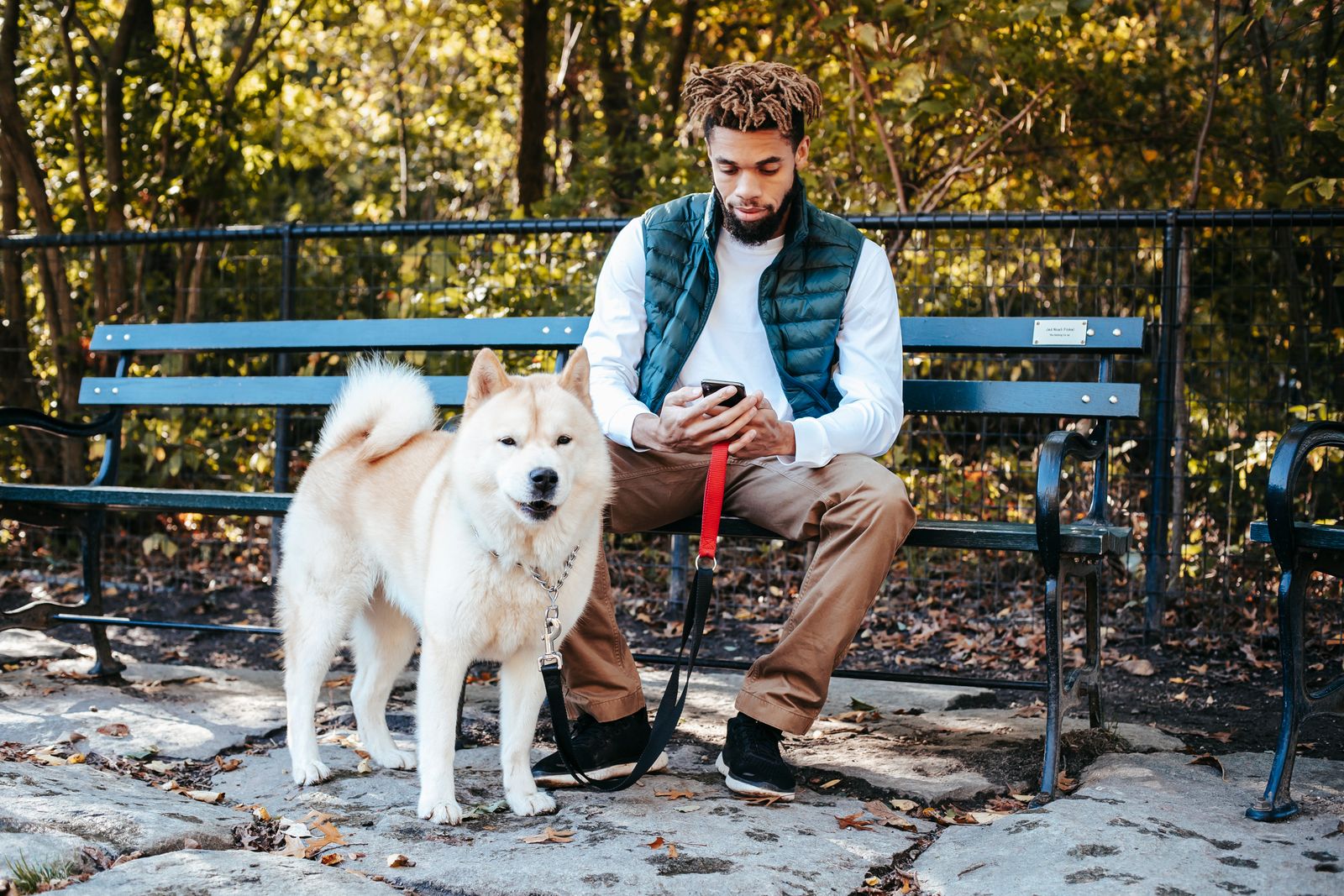
1. Akita
The Akita may be the most famous example of single-minded loyalty. The AKC’s Akita profile lists the breed’s temperament as courageous, dignified and profoundly loyal, and describes these dogs as wary of strangers while gladly sharing a silly, affectionate side with family and friends. The breed was developed in the Akita prefecture of northern Japan, and the AKC notes that a famously loyal Akita named Hachiko is among Japan’s most cherished symbols.
Akitas are large, powerful and independent, so they need consistent training and early socialization. The AKC notes that they are instinctive guardians who must learn to accept a wide variety of strangers. Anyone thinking about this breed should also understand basic canine etiquette, including the 12 things humans do that dogs dislike, since a reserved dog like the Akita has little patience for unwanted handling.
2. Chow Chow
The Chow Chow is an ancient Chinese breed with a lion-like ruff and a blue-black tongue. According to the AKC’s Chow Chow breed page, these dogs are aloof with strangers and eternally loyal to loved ones, with a temperament the club sums up as dignified, serious-minded and reserved. The AKC gives the breed a low score for openness to strangers.
That aloofness is often mistaken for coldness, but Chow owners describe a quiet, steady bond with the person they trust. The breed can be stubborn, so patient, positive training matters. A common mistake is assuming every dog wants to be petted by every guest, one of several myths covered in this roundup of 19 common “facts” about dogs that are actually false.
3. Basenji
Known as Africa’s “barkless dog,” the Basenji is a sleek hunting breed that yodels instead of barking. The AKC describes the Basenji as calm and loving with family but often aloof with strangers because of an independent spirit, and recommends letting the dog meet new people on its own careful terms. The club even calls it a “cult breed,” small in numbers but owned with singular devotion.
Basenjis are frequently described as catlike. They groom themselves, keep their own counsel and do not hand out affection to just anyone. A pet profile syndicated on AOL noted that a Basenji may simply tolerate the rest of the family while staying very affectionate with its chosen owner.
4. Chihuahua
The smallest dog on this list carries one of the biggest attachments. The AKC’s Chihuahua profile says the breed possesses loyalty, charm and big-dog attitude, and notes that these dogs are happiest with plenty of quality time in their preferred lap. The club rates the Chihuahua low on openness to strangers, and the breed traces its roots to the ancient kingdoms of pre-Columbian Mexico.
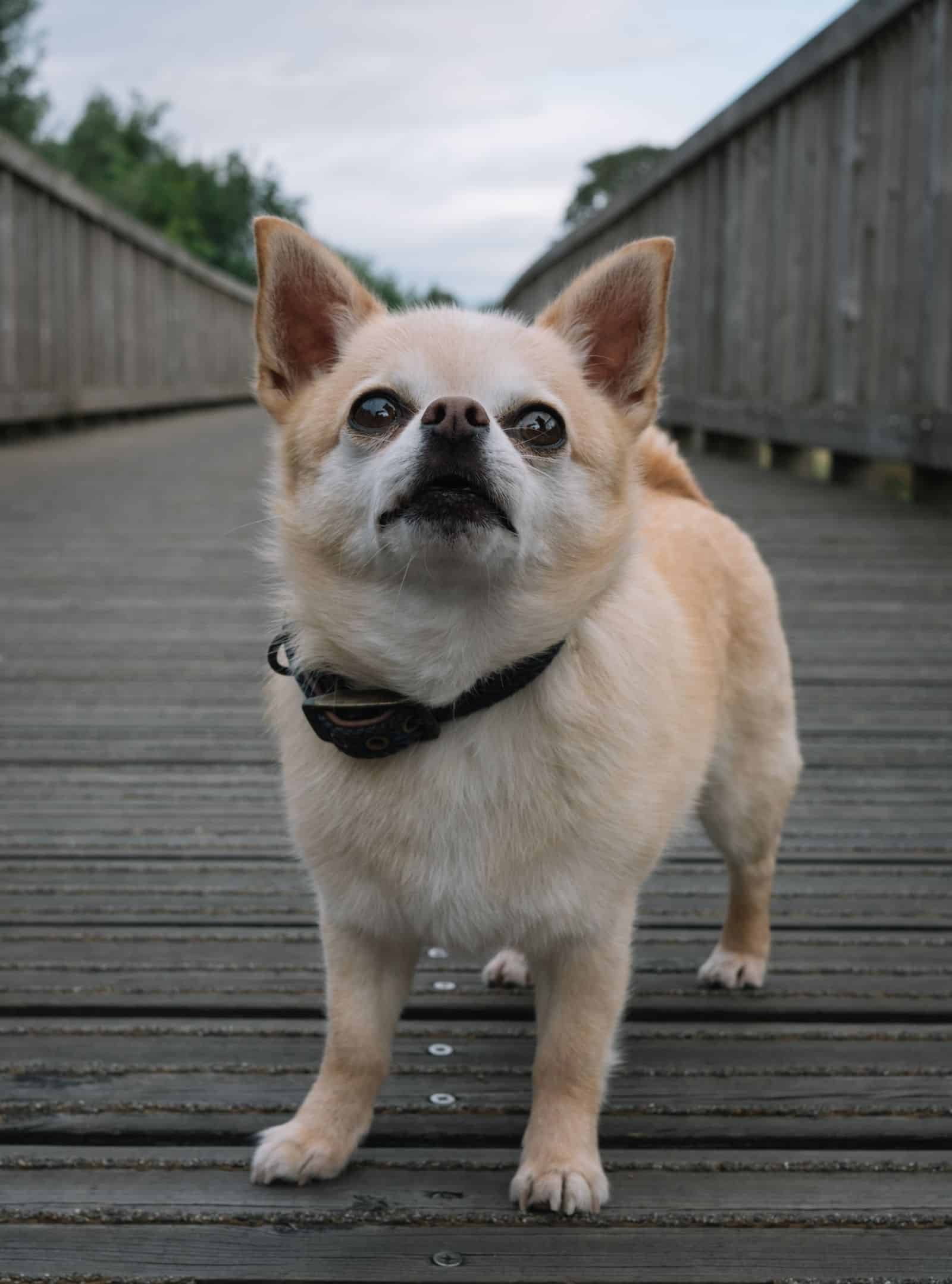
Many Chihuahuas pick one favorite person and stay glued to that person’s side. The pet writers behind a list of the top 8 one-person dog breeds, first published on PetHelpful, described the Chihuahua as fiercely loyal and protective, and said it can act jealously toward perceived rivals for that person’s attention.
5. Australian Cattle Dog
Also called the Blue Heeler or Queensland Heeler, the Australian Cattle Dog was developed from crosses that included the Dingo, Collies and Dalmatians. The AKC’s Australian Cattle Dog profile calls the breed true-blue loyal, famously smart, ever alert and wary of strangers, and says it is intelligent enough to routinely outsmart its owners.
This is a working dog that wants a job, and it tends to attach itself to the person who provides one. The PetHelpful list noted that Cattle Dogs bond strongly with one person and do not like being separated, which is why the breed is often recommended for active owners who can bring the dog along on runs, hikes or farm chores.
6. Doberman Pinscher
The Doberman was created in 19th-century Germany by a tax collector named Louis Dobermann, who wanted a dependable protector on his rounds. The AKC’s Doberman Pinscher breed page lists the breed’s temperament as loyal, fearless and alert, and gives it the club’s top score for affection with family and for watchdog ability.
Many Dobermans are friendly with the whole household, but some focus on one person above all others. The PetHelpful writers pointed out that the breed’s guard-dog origins helped build a reputation for strong loyalty to a single person. The AKC stresses that Dobermans should live indoors with their people rather than outside.
7. German Shepherd Dog
The German Shepherd is a popular family dog, yet it often has a clear favorite. The AKC’s German Shepherd Dog profile describes the breed as loyal, confident, courageous and steady, and quotes the breed standard’s note about a certain aloofness that does not lend itself to immediate and indiscriminate friendships.
The PetHelpful list observed that German Shepherds often bond very strongly with a single owner even in a home full of people, while still making good family dogs. Bred by Captain Max von Stephanitz in the late 1800s, the breed remains a top choice for police and military work, roles that depend on a close partnership with one handler.
Choosing a One-Person Dog
A dog that bonds with one person can be a wonderful companion, but it also requires commitment. These breeds generally need early socialization, steady training and plenty of time with their chosen human. They may not suit households where the dog is expected to treat every visitor like an old friend. Because a deeply attached dog may try to follow its person anywhere, owners should also be prepared for escapes; this missing pet guide on finding a lost dog or cat and preventing future escapes is worth bookmarking.
Before bringing any of these breeds home, it also helps to plan for the long-term costs of care. This look at annual pet ownership costs for dogs and cats offers a useful starting point. For the right owner, few things compare with the steady loyalty of a dog that has decided one person is its whole world.
This article was written with the help of AI tools and checked against the sources linked above.




