Those everyday chores are more than just routine; they’re subtle strength and balance tests. In fact, a randomized clinical trial published in JAMA Internal Medicine (2019) studied 370 hospitalized older adults and found that those who participated in a structured exercise program experienced significantly less functional decline than those receiving usual care.
So when you’re making the bed, folding laundry, or carrying groceries, you’re not just ticking off chores, you’re actively reinforcing muscle strength and stability. That’s empowering because it reframes daily life: the very movements that keep your home in order are also keeping you steady, capable, and resilient.
Making the bed

It may seem like a small thing, but when you make the bed every morning, you’re actually giving your balance and strength a workout. Bending over, reaching across, and straightening the sheets all engage your core muscles and improve your flexibility.
Plus, the simple act of getting up and tidying the space can help boost your energy levels for the day ahead. Did you know that keeping your core strong is one of the best ways to prevent falls and improve posture as you age?
A well-made bed is not just a tidy room; it’s a great indicator that you’re staying active and healthy, even with small tasks. The process might seem simple, but it’s a fantastic way to start the day with a win and set a positive tone for everything that comes next.
Sweeping the floor

Sweeping the floor is a task that most people don’t think twice about, but at 70, it’s a prime example of how strength and balance come into play. While pushing the broom, you’re engaging your legs, core, and arms. In addition, shifting your weight from side to side while sweeping improves your coordination and keeps your joints flexible.
The motion also strengthens your arms and shoulders, helping maintain muscle mass that naturally declines as we get older. Isn’t it interesting how such a simple chore can pack so many benefits without you even realizing it? Sweeping may not feel like a full-on workout, but the movement and effort you put in help you stay strong, mobile, and balanced as you age.
Grocery shopping

Grocery shopping is a surprisingly effective way to stay active, and research confirms its benefits. A study published in The Journals of Gerontology: Series A found that older adults who regularly engaged in household and community activities, such as shopping, had higher lower-body strength and balance scores than those who did not.
These routine movements, walking through aisles, bending for items, and lifting bags, mimic functional exercises that help maintain mobility and reduce fall risk.
So when you’re pushing a cart, reaching for shelves, or carrying groceries, you’re not just stocking your pantry, you’re actively reinforcing strength, balance, and endurance in ways that directly support independence and long-term health.
Gardening

Save this article
Gardening is often seen as a peaceful hobby, but it’s also a great workout for your entire body. When you’re digging, planting, weeding, or pruning, it engages your arms, legs, and core muscles.
The deep squats and stretches required for planting can keep your legs strong, while pulling weeds or trimming bushes can enhance flexibility and upper-body strength. Plus, the physical activity gets your heart pumping, improving your overall cardiovascular health.
Gardening isn’t just about pretty flowers; it’s about staying fit, active, and ready to take on the world, one rose bush at a time. So, next time you’re outside tending to your plants, remember you’re doing more than just making your garden look beautiful—you’re also improving your overall health in the process!
Cooking
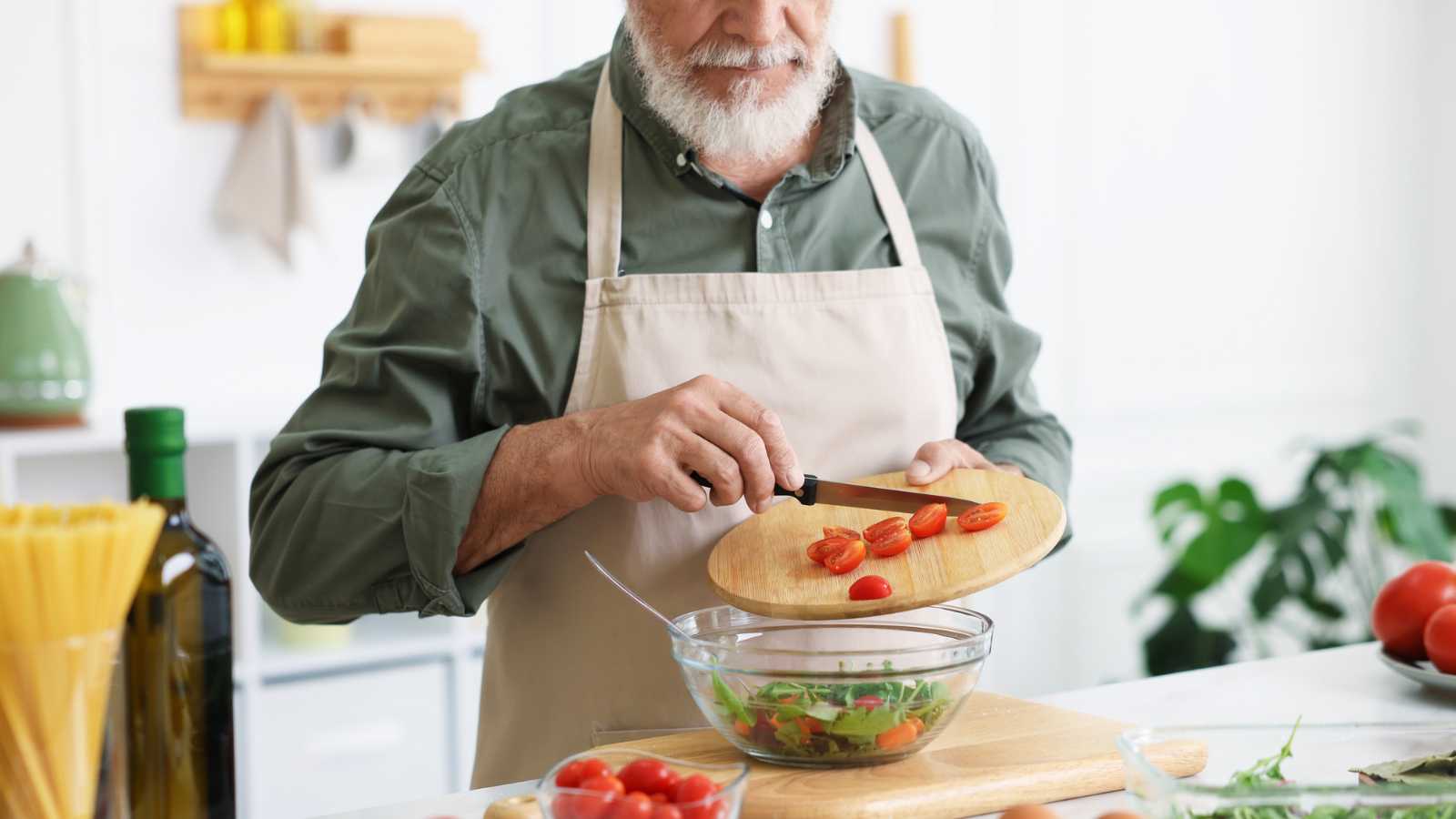
At 70, cooking can be a fun way to test both your strength and coordination. The chopping, stirring, and lifting involved in meal prep engage multiple muscle groups. Whether you’re slicing vegetables or lifting heavy pots, these tasks keep your arms, shoulders, and legs strong.
A 2022 study in Activities, Adaptation & Aging found that older adults who regularly engaged in cooking activities showed measurable improvements in balance, coordination, and muscle strength compared to those who did not. Standing for extended periods and moving around the kitchen improves your balance and keeps you steady on your feet. If you’ve got a favorite recipe, think of it as a mini workout that you get to enjoy with a delicious meal at the end!
So, the next time you’re cooking up a storm, remember, it’s good for your health too. The benefits of cooking go beyond just enjoying a meal; it helps maintain muscle strength and flexibility, which are essential for staying independent and active.
Laundry

Laundry is a perfect example of how everyday chores double as functional exercise. Research shows this isn’t just anecdotal, it’s measurable. A study published in Age and Ageing found that older adults who regularly engaged in home-based physical activity, including household chores, had significantly greater functional capacity and muscle strength than sedentary adults. In fact, consistent engagement in these daily movements was linked to a reduction in frailty risk over time.
When you’re bending to load the washer, carrying baskets, or hanging clothes, you’re actively lowering your risk of frailty and maintaining balance and mobility. It’s a subtle but powerful reminder that small, routine tasks are quietly strengthening your body every day.
Walking the dog

Even if you’re not a dog owner, there’s no denying the benefits of walking for your health, especially as you age. Whether it’s a leisurely stroll around the block or a brisk walk through the park, walking your dog tests your balance, endurance, and joint mobility.
Pacing yourself while walking strengthens your legs, engages your core, and boosts cardiovascular health. Plus, taking your dog out for daily walks provides consistency, making it easier to maintain an active lifestyle. Don’t have a dog? No worries, you can still enjoy the benefits of walking by heading out for a solo walk around the neighborhood. Your body will thank you for it!
Disclaimer – This list is solely the author’s opinion based on research and publicly available information. It is not intended to be professional advice.
Like our content? Be sure to follow us