In the world of everyday products, toothpaste seems completely safe. However, some well-known vintage toothpaste products have been removed from shelves after toxic elements were discovered. In 2007, the United States Food and Drug Administration (FDA) issued a warning to Americans about imported toothpastes containing diethylene glycol, a toxic chemical also used in antifreeze.
In 2025, there have been recent legal cases claiming that certain toothpaste products contain high levels of heavy metals such as lead and arsenic. The findings have altered how individuals consider oral care safety. Regulatory action and consumer pressure are driving companies to be more transparent. This is an overview of seven types and products of toothpaste that were recalled or raised red flags due to safety concerns.
Colgate herbal (certain imports) — toxic diethylene glycol found
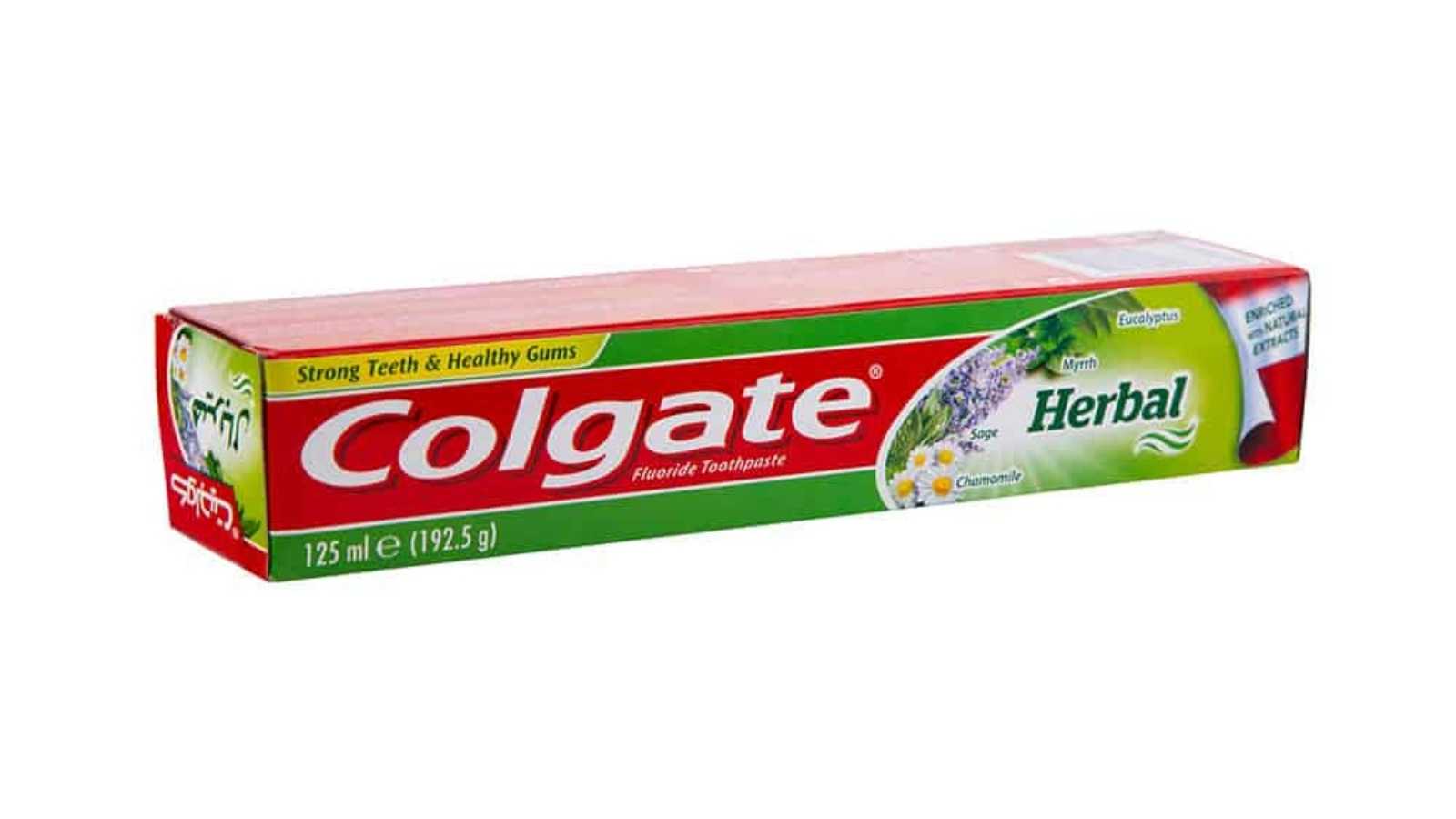
At the beginning of the 21st century, the FDA issued recalls of some toothpastes imported from China that contained the toxic chemical diethylene glycol (DEG), an antifreeze. The agency placed an import alert to prevent the importation of such products into the United States.
DEG is poisonous when taken orally and may destroy the liver and kidneys. Most of these toothpastes were branded as herbal or cheap imports. Retailers removed them from shelves as the authorities inquired further. Consumers were advised to dispose of all tubes labeled “Made in China” that may contain DEG.
Pepsodent (old formulas) — harsh abrasives raised red flags
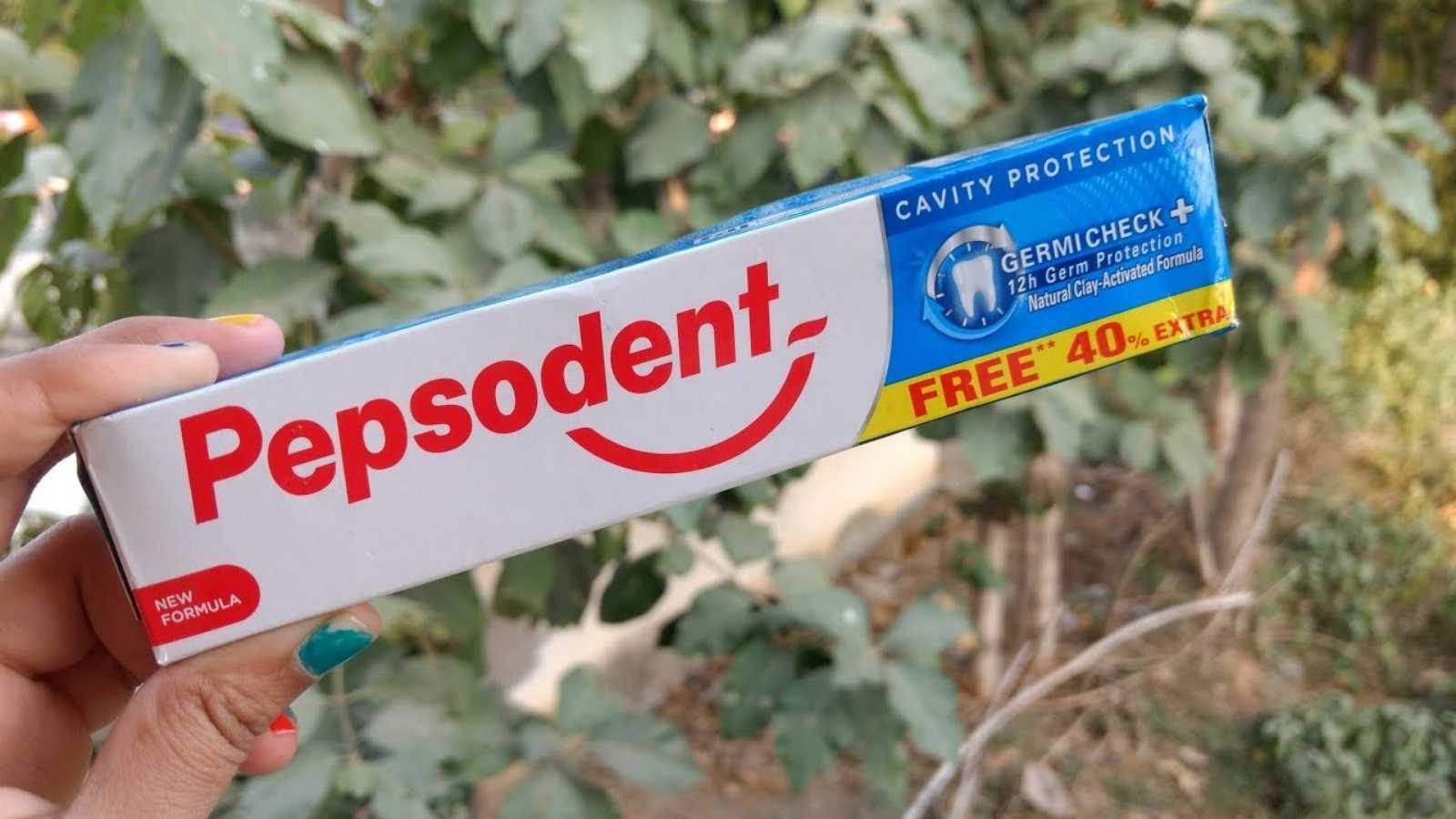
Old Pepsodent formulas contained abrasives that dental practitioners later found to be too harsh for daily use. Even though this does not represent the FDA recall document covering all the early Pepsodent formulas, studies by Williamson Periodontics on toothpaste abrasiveness reveal how a high-abrasive formula can erode enamel over time.
Sensitivity and increased risk of cavities are the results of tooth enamel erosion. Toothpastes with low abrasivity are now considered safe by dentists and recommended for daily use.
Ultra Brite (vintage formulas) — enamel damage concerns
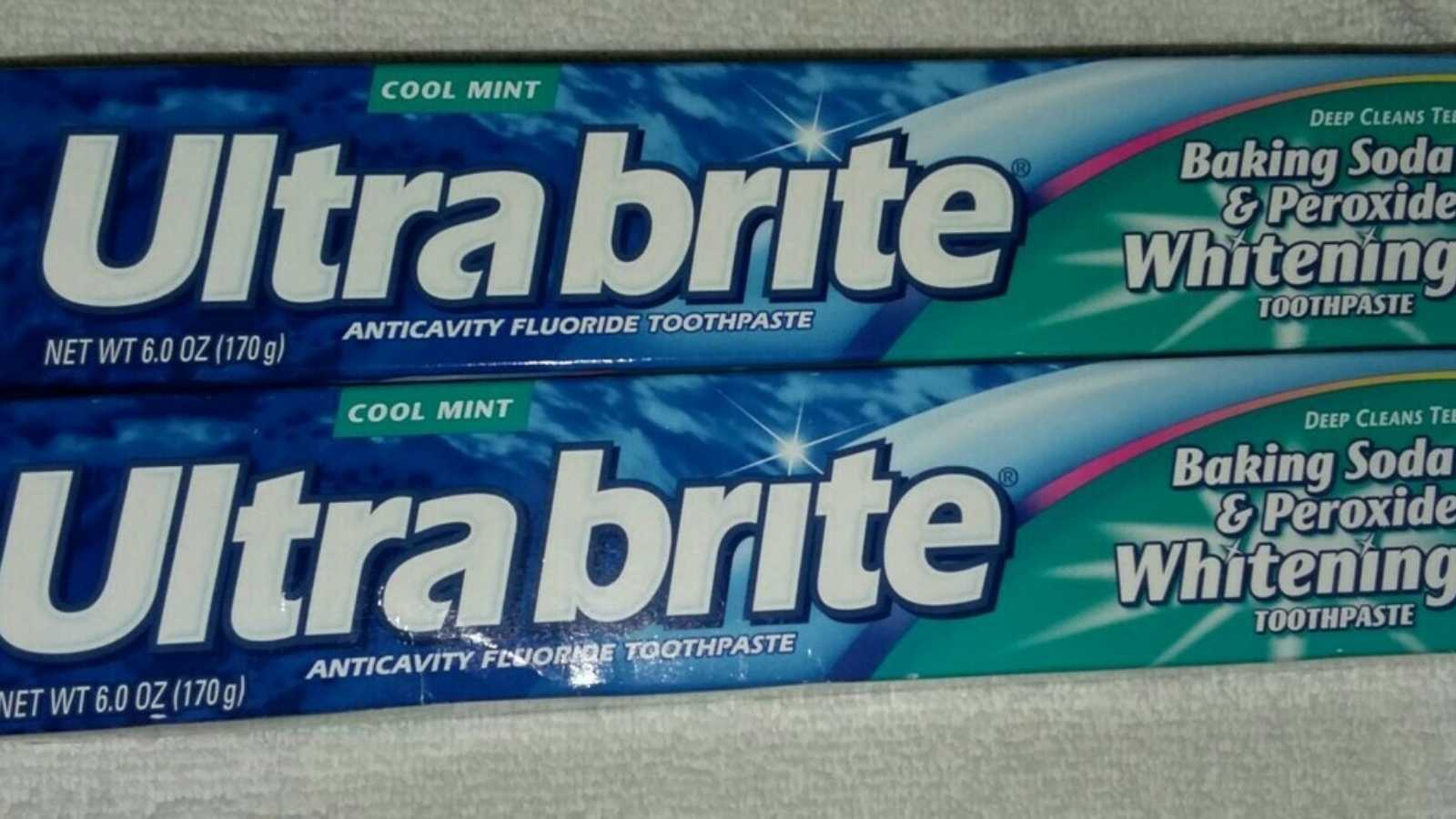
In the past, Ultra Brite was sold as an intensive whitener; however, the older formulas contained high levels of abrasives, ranking high on the dental abrasiveness scale. The best way to see how a dental paste wears down is to use it daily with highly abrasive pastes.
These more aggressive versions were forced out or reformulated due to consumer complaints and professional advice. This was not a formal FDA recall, as is the case with foreign degrees, but professional concerns led to a market recall of the original abrasive formula.
Topol tooth polish — whitening paste with unsafe compounds
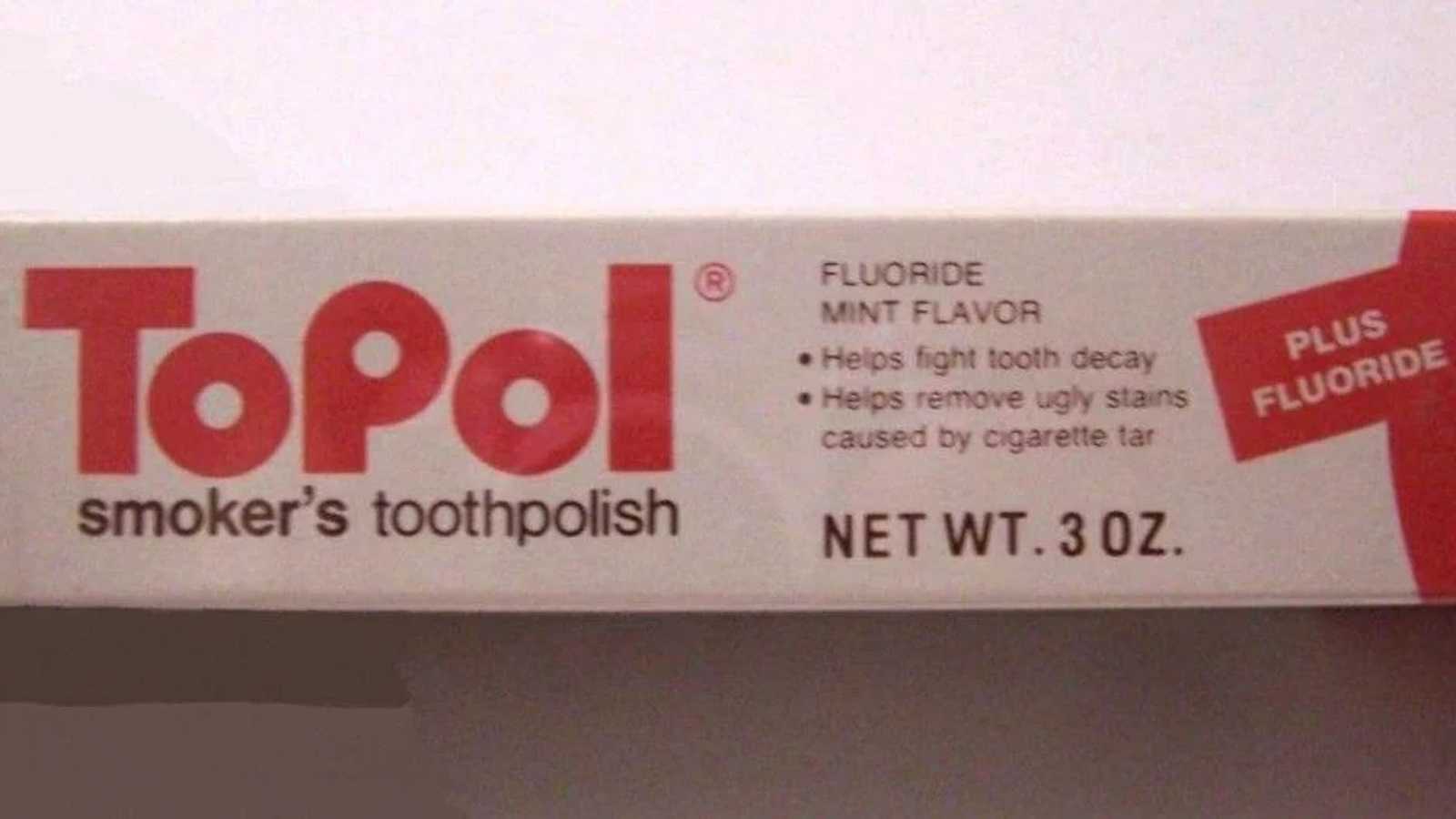
Topol tooth polish was promoted as a whitening product with a gritty texture. As with other high-alveolar pastes, professional experiments found that its formulation could damage enamel and irritate gums.
This pushed the product out of the mainstream retail shelves. Moderate levels of chemistry are used in today’s whitening pastes to protect enamel and brighten smiles.
Ipana toothpaste (classic version) — outdated ingredients

Save this article
Ipana was an American favorite toothpaste in the 1950s, until it was discontinued in the late 1970s. During that era, ingredient standards were less stringent, and certain chemicals used in older oral care products would not meet current safety standards.
The science of dental safety has developed since the time of Ipana. Today, a product must meet the current FDA monographs to be marketed. Formulations used in the past, such as those of Ipana, were gradually phased out as new regulations were introduced and safer formulations emerged.
Counterfeit Colgate (2007 recall) — fake products with toxic chemicals

In 2007, Colgate-Palmolive in the United States warned consumers about fake Colgate toothpaste available in discount stores that tested positive for diethylene glycol. These counterfeit tubes were branded as South African-made and contained spelling errors on the packaging.
There is no legitimate diethylene glycol toothpaste product in the U.S. FDA or Colgate. The authorities also advised customers to return the suspicious tubes to receive refunds. This episode demonstrated the threat of fake personal-care products.
Various “herbal” or “organic” brands — heavy metal contamination alleged

In 2025, a class action lawsuit alleged that some toothpastes, including some aimed at children, contained higher levels of heavy metals, such as lead, arsenic, mercury, and cadmium. According to the complaint, these metals were found to exceed safety standards, even though the products were labeled as safe.
The effect of heavy metals is associated with severe health complications, particularly in children. These results are yet to be discovered, and further trials may ensue. Regulators and manufacturers are under consumer scrutiny.
Key takeaway

Even such everyday products as toothpaste may be dangerous. Historical incidents indicate that products have been recalled or challenged due to the presence of poisonous chemicals, expensive abrasives, counterfeit goods, and heavy metals.
Plausible testing and regulatory controls help remove toxic toothpaste from shelves. It is wise to heed safety warnings and choose a well-known brand to maintain healthy teeth and gums.
Disclosure: This article was developed with the assistance of AI and was subsequently reviewed, revised, and approved by our editorial team.
Disclaimer – This list is solely the author’s opinion based on research and publicly available information. It is not intended to be professional advice.
20 Odd American Traditions That Confuse the Rest of the World
20 Odd American Traditions That Confuse the Rest of the World
It’s no surprise that cultures worldwide have their own unique customs and traditions, but some of America’s most beloved habits can seem downright strange to outsiders.
Many American traditions may seem odd or even bizarre to people from other countries. Here are twenty of the strangest American traditions that confuse the rest of the world.