Data from the American Heart Association shows that after 60, eating enough protein, fiber, omega‑3 fats, and key vitamins like B12 and D can reduce the risk of heart disease, diabetes, and age‑related muscle loss.
As we age, our bodies go through various changes, and nutrition becomes more important than ever. After 60, the body’s nutritional needs shift, and maintaining a healthy, balanced diet is key to preserving vitality, boosting energy, and preventing chronic conditions. Many dietitians emphasize the importance of certain foods that can support health during this stage of life.
These foods are nutrient-dense, easy to incorporate into meals, and can help prevent age-related health issues like osteoporosis, heart disease, and cognitive decline. Here are 8 foods dietitians recommend eating after 60 to support overall health and well-being.
Leafy Greens

Data from the journal Nutrients shows that green leafy vegetables provide significant amounts of calcium, folate, and antioxidant compounds, which support bone strength, brain function, and reduced inflammation and cardiovascular risk as we age.
Incorporating a variety of leafy greens into your meals can have lasting benefits. You can easily include them in your diet by adding them to salads, soups, or smoothies. Their high fiber content also aids digestion, preventing common digestive issues like constipation. By making leafy greens a regular part of your diet, you can promote long-term heart and bone health.
Fatty Fish
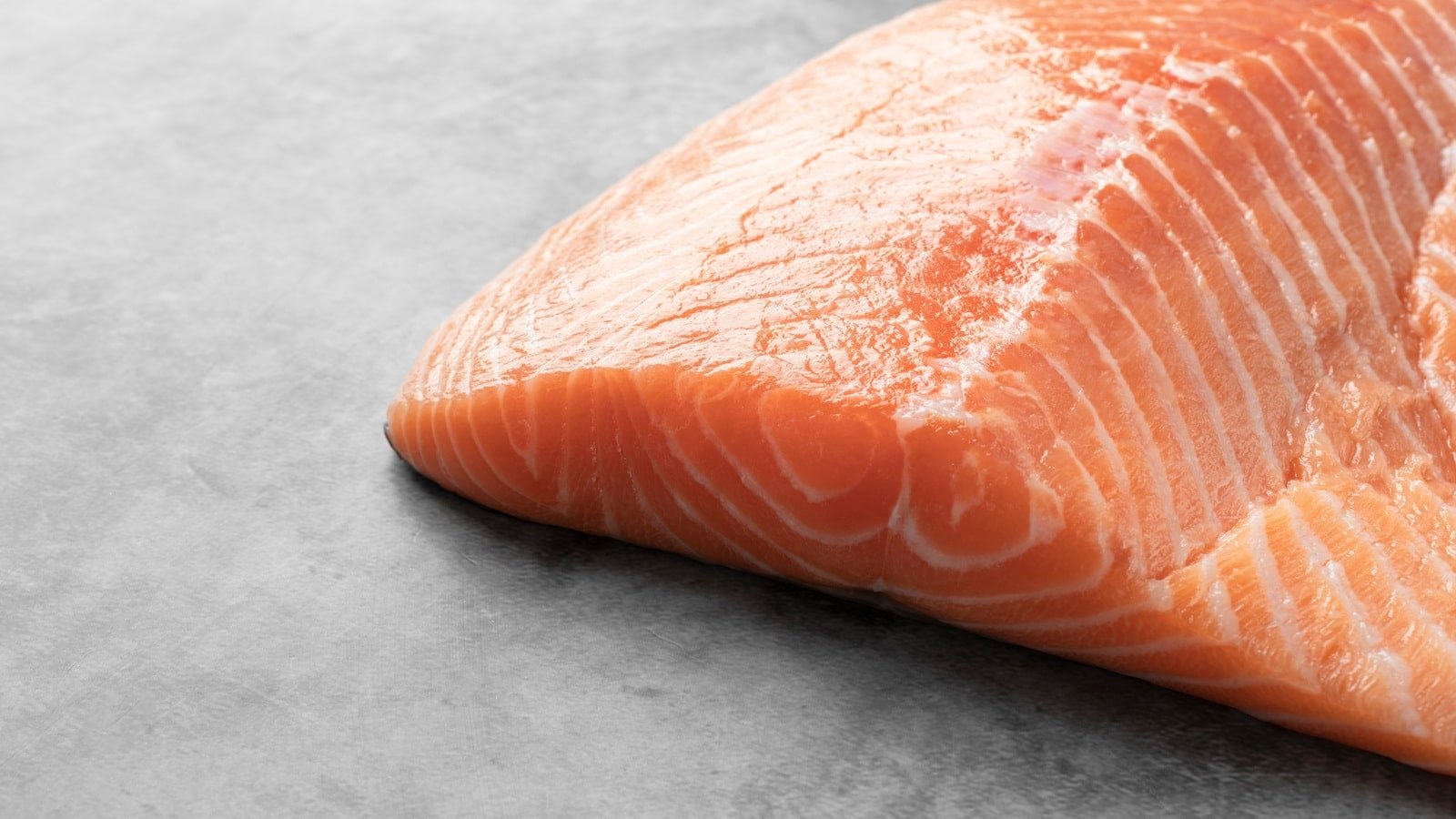
Fatty fish like salmon, mackerel, and sardines are excellent sources of omega-3 fatty acids, which are essential for maintaining heart health and cognitive function. Omega-3s help reduce inflammation, lower blood pressure, and support healthy brain function, all of which are especially important after 60.
In addition to their cardiovascular benefits, fatty fish are also rich in vitamin D, which is crucial for bone health. Regular consumption of fatty fish can help prevent osteoporosis and support the immune system. Dietitians recommend eating fatty fish at least two to three times a week to reap the full range of benefits for your heart and mind, making it an easy addition to your weekly meal plan.
Berries

Berries, including blueberries, strawberries, and raspberries, are packed with antioxidants, vitamins, and fiber. The antioxidants in berries, such as flavonoids, can help protect the brain from age-related cognitive decline, improving memory and overall brain health.
Berries also support heart health by reducing inflammation and improving blood vessel function. Berries are incredibly versatile and can be easily incorporated into your daily routine.
Enjoy them as a snack, add them to yogurt, or blend them into smoothies. Their natural sweetness makes them a great, low-calorie addition to any meal. Including a variety of berries in your diet can also help manage blood sugar levels, promoting better overall health as you age.
Nuts and Seeds

Nuts and seeds, such as almonds, walnuts, chia seeds, and flaxseeds, are nutrient-dense and provide healthy fats, protein, and fiber. These foods are excellent for maintaining healthy cholesterol levels and supporting heart health, which is especially important as we age. Additionally, nuts like walnuts are high in omega-3 fatty acids, which are vital for brain health and reducing the risk of cognitive decline.
Dietitians suggest incorporating a handful of nuts or a sprinkle of seeds into your daily diet. They make for a great snack or can be added to salads, oatmeal, or baked goods for an extra nutritional boost. The healthy fats and fiber in nuts and seeds help regulate blood sugar levels, manage weight, and reduce the risk of heart disease, which are key concerns as we age.
Also on MSN: 10 foods nutrition experts say are risky to eat raw
Save this article
Whole Grains

Data from the National Institute on Aging shows that fiber from plant foods, including whole grains, helps prevent constipation and other stomach or intestinal problems in older adults, while also supporting healthy cholesterol and blood sugar levels.
Replacing refined grains with whole grains can help regulate blood sugar levels and reduce the risk of type 2 diabetes. The high fiber content also contributes to better cholesterol levels and heart health. Try incorporating whole grains into your meals by adding them to salads or soups, or using them as a base for stir-fries and casseroles.
Legumes

Legumes, collectively known as beans, lentils, and chickpeas, are rich in protein, fiber, and essential vitamins and minerals, including iron, magnesium, and folate. Legumes are also a great plant-based source of protein, which is important for maintaining muscle mass and strength, both of which naturally decline as we age.
Dietitians recommend adding legumes to your diet to help support heart health, lower cholesterol, and stabilize blood sugar levels. They are versatile and can be used in soups, stews, salads, or even as a filling for wraps and tacos. Legumes are also a great meat substitute, helping to lower the intake of unhealthy fats and providing long-lasting energy.
Yogurt

Yogurt, especially varieties that contain probiotics, is a great addition to your diet after 60. Probiotics support gut health by promoting a healthy balance of beneficial bacteria in the digestive system, thereby improving digestion and boosting the immune system. Yogurt is also an excellent source of calcium and protein, both of which are important for maintaining strong bones and muscles as you age.
Opt for plain, unsweetened yogurt to avoid added sugars, and enjoy it with fresh fruit, nuts, or a drizzle of honey for added flavor. Greek yogurt is also a great option as it’s higher in protein than regular yogurt, making it a filling and nutritious snack or breakfast. Regular consumption of yogurt can help prevent gut-related issues, improve bone health, and support overall well-being.
Avocados
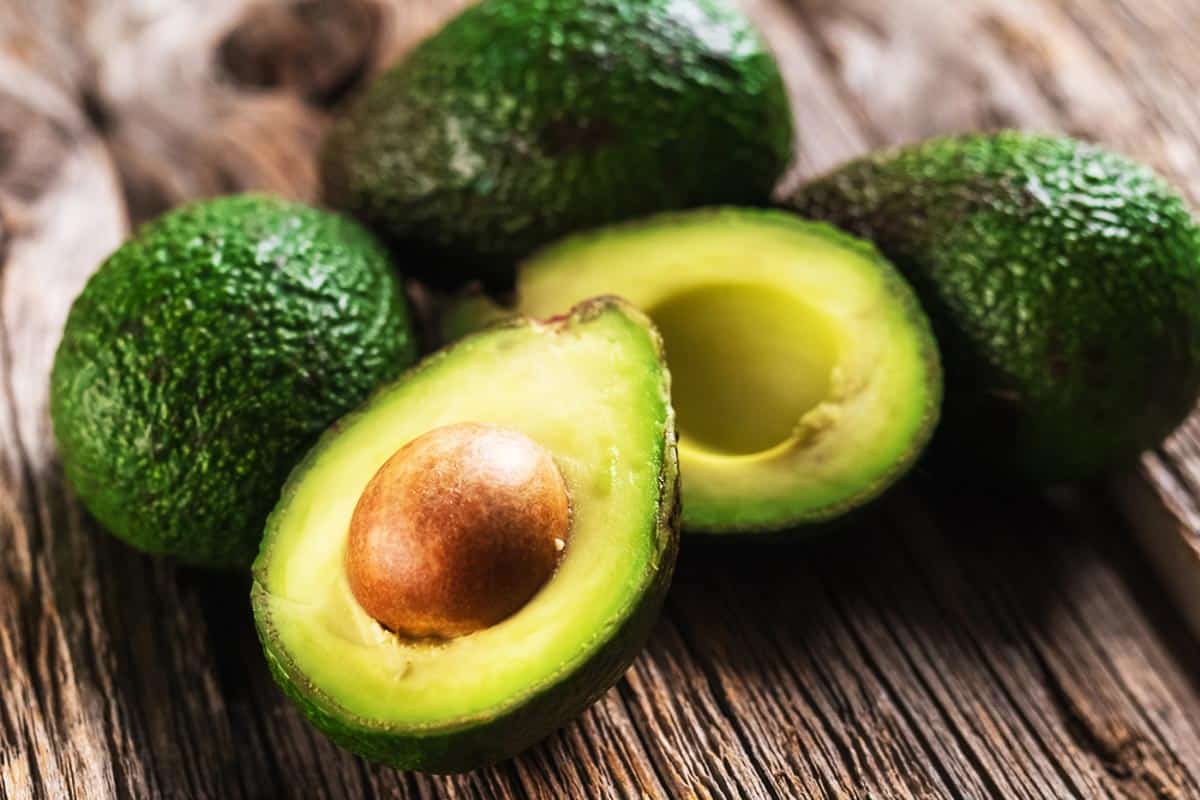
Avocados are rich in healthy monounsaturated fats, which are great for heart health and lowering bad cholesterol levels. They also provide a good amount of fiber, potassium, and vitamins like vitamin E, which supports skin health and immune function. The healthy fats in avocados also support brain health and cognitive function, which are especially important as we age.
Dietitians recommend adding avocados to your meals for a nutrient-dense boost. You can spread them on toast, add them to salads, or blend them into smoothies for a creamy texture. Avocados also have anti-inflammatory properties that may help reduce the risk of heart disease and arthritis, both of which become more common as we age.
Key Takeaway

Eating a balanced diet rich in nutrient-dense foods is crucial for maintaining health and vitality as we age. By incorporating these 8 foods into your daily routine, you can support your heart, brain, bones, and digestive health, helping you age gracefully and enjoy a long, healthy life. Simple changes, such as including more leafy greens, fatty fish, and whole grains in your meals, can significantly improve your overall well-being after 60.
Disclosure: This article was developed with the assistance of AI and was subsequently reviewed, revised, and approved by our editorial team.
Like our content? Be sure to follow us