

As grocery prices climb, Americans are rediscovering that thrift in the kitchen isn’t a defeat—it’s a strategy.
The modern American shopper, long used to abundance, is now facing a real test. Everyone feels the pinch at the checkout line, and the days of casually tossing anything into the cart are quickly fading. It is time to stop treating grocery shopping as a burden and start seeing it as an opportunity to hunt for true value.
It is easy to get lost in the noise about inflation. However, the smart shopper understands there is a hidden advantage. This new financial reality is bringing back the humble staples that once formed the backbone of home cooking. Choosing these simple ingredients is not a step backward but a clever way to stretch your budget and strengthen your household’s financial health.
Dried Beans

Dried beans and lentils were once the cornerstone of many home-cooked meals, yet they fell out of favor during the convenience food boom. Today, they are making a massive comeback as an essential grocery item for cost-conscious consumers. A single bag is a worthwhile investment.
These legumes are a powerhouse of fiber and plant-based protein, making them an important part of a health-focused diet. When it comes to budgeting, beans are unbeatable; a portion of dried beans costs mere pennies compared to a portion of meat, yet staples like beans still offer health and financial flexibility.
Canned Tuna

Tuna remains an excellent source of lean, nutrient-rich protein, essential for maintaining an active and healthy lifestyle. It helps families incorporate quality protein into their daily meals without overstretching their weekly budget. In fact, U.S. households consume approximately 1 billion pounds of canned tuna annually.
For years, canned tuna was unfairly dismissed as a bland option for office lunches. Now, with the rising cost of steak and chicken, it has reclaimed its place as a dependable, budget-friendly staple. It’s affordable, shelf-stable, and ready to use straight from the can, making it one of the most practical proteins in the modern kitchen.
Whole Chickens
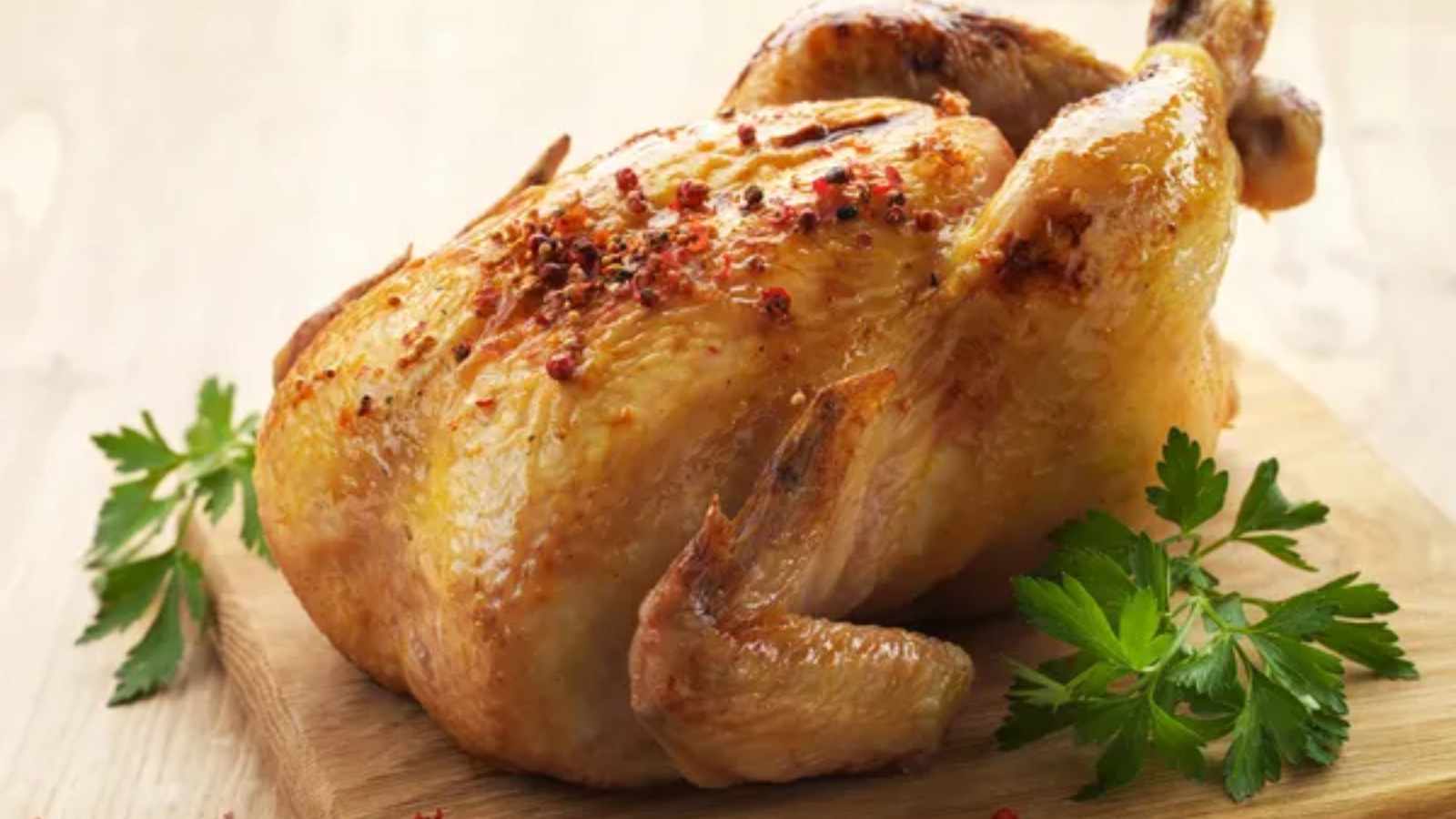
The whole chicken has returned as the ultimate multi-meal powerhouse, giving the home cook a fantastic value proposition. Buying the bird whole instead of pre-cut sections significantly lowers the price per pound, which is the kind of smart budgeting that really makes a difference.
Every part of the bird can be used, reinforcing a no-waste lifestyle. After enjoying the main meal, the bones provide a rich base for a broth that can elevate any homemade recipe. This strategy is a great way to stretch your money and is a classic food strategy applied to daily cooking.
Oatmeal
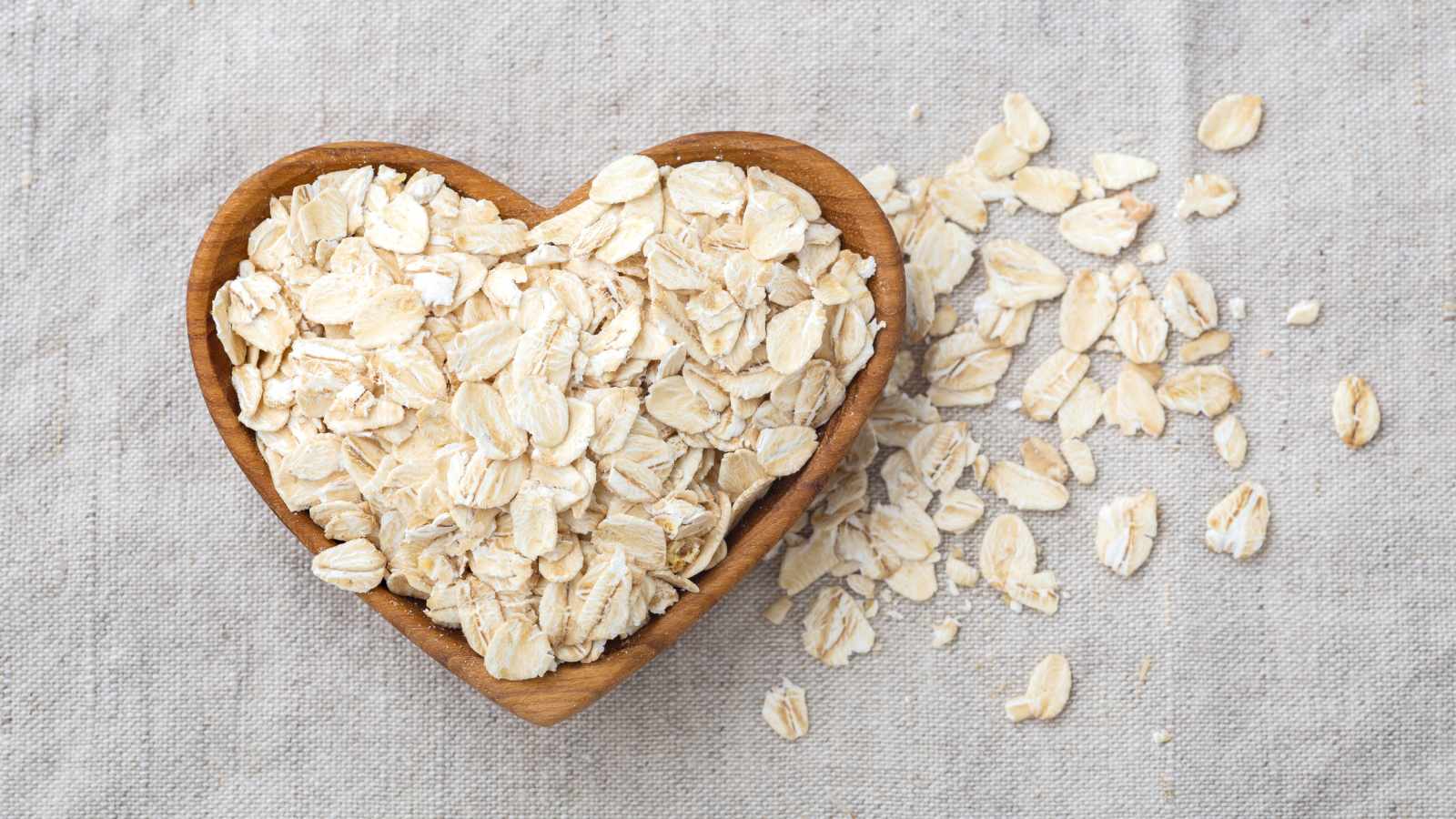
Oatmeal is no longer just the slow-cooked breakfast staple of a chilly morning; it is also becoming an inspiration for lunch and dinner. Whether used as a filler for meatloaf, a thickener for stews, or a base for a savory grain bowl, it offers cheap bulk and fantastic nutritional value.
The global oatmeal market is projected to grow by $762.3 million between 2023 and 2028, reflecting its rapid rise in popularity among health-conscious consumers. This simple grain is rich in soluble fiber, which has been shown to benefit heart health. Oat is a reliable pantry ingredient that eases the strain on the weekly grocery budget.
Cabbage

Crisp, versatile, and incredibly durable, the head of cabbage is seeing its moment in the spotlight as lettuce and other leafy greens fluctuate in price and shelf life. A single head of cabbage can last for weeks in the refrigerator, significantly reducing food waste and saving precious money.
Cabbage is surprisingly nutrient-dense, contributing valuable vitamins to a diet. It is a perfect example of a cheap staple that can be used in numerous recipe styles, from coleslaw to stir-fries. As we adopt a more sensible lifestyle, embracing simple, hardy vegetables like cabbage offers genuine health security.
Powdered Milk

Save this article
Powdered milk, often viewed as a second-rate ingredient, is a genuine lifeline for budgeting households. It requires no refrigeration, has an incredibly long shelf life, and provides a necessary ingredient for baking and cooking without the risk of spoilage and wasted money.
It is perfect for recipes where water is cooked out, such as breads, puddings, or creamy soups, and is also an excellent source of calcium for good health. Having a can of powdered milk in the cupboard means you never have to make a last-minute, emergency grocery run. It’s a wise financial choice for a prepared home.
Potatoes

The potato remains the quintessential affordable vegetable, offering filling power and fantastic versatility at a price point that other produce simply cannot match. It’s the ultimate simple food that can be mashed, roasted, or fried as the star of any meal.
This dependable tuber offers more than just starch; potatoes are a good source of Vitamin C and potassium, offering solid health benefits. They are a staple of a classic, thrifty diet. This sensible lifestyle change also applies to how we feed our pets; choosing economical, nutritious staples is a lesson that applies across the whole household.
Saltine Crackers
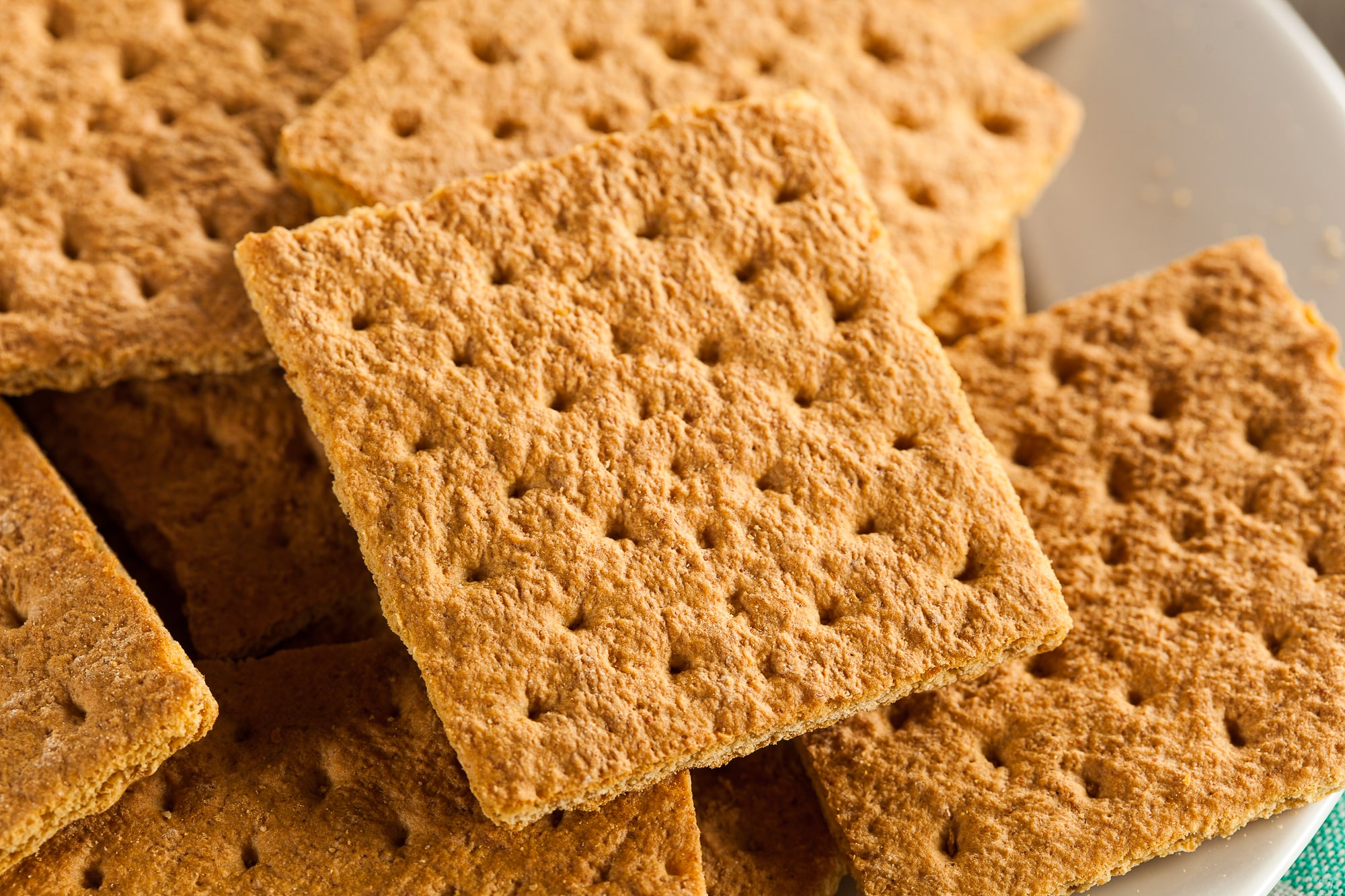
A classic for soothing stomach woes, the simple saltine cracker epitomizes affordable convenience. Its low cost makes it a fantastic, unsweetened accompaniment to the myriad soups and stews made with the other staples on this list, and it serves as an excellent base for a quick breakfast or snack.
Saltines are a simple way to stretch a meal and add texture to an inexpensive recipe. They reinforce the idea that a satisfying food experience does not require a significant amount of money. This focus on simple, affordable comfort is an essential aspect of a less-stressful lifestyle.
Disclaimer: This list is solely the author’s opinion based on research and publicly available information. It is not intended to be professional advice.
Disclosure: This article was developed with the assistance of AI and was subsequently reviewed, revised, and approved by our editorial team.
15 Foods From the ’60s Most Boomers Loved With a Passion

15 Foods From the ’60s Most Boomers Loved With a Passion
The 1960s were a period of profound social and cultural transformation in America. As the baby boomer generation came of age, they embraced new ideas, fashion trends, and music styles. And when it came to food, some beloved dishes defined this era.
Here are 15 foods from the ’60s that most boomers loved passionately.
16 Grocery Staples to Stock Up On Before Prices Spike Again
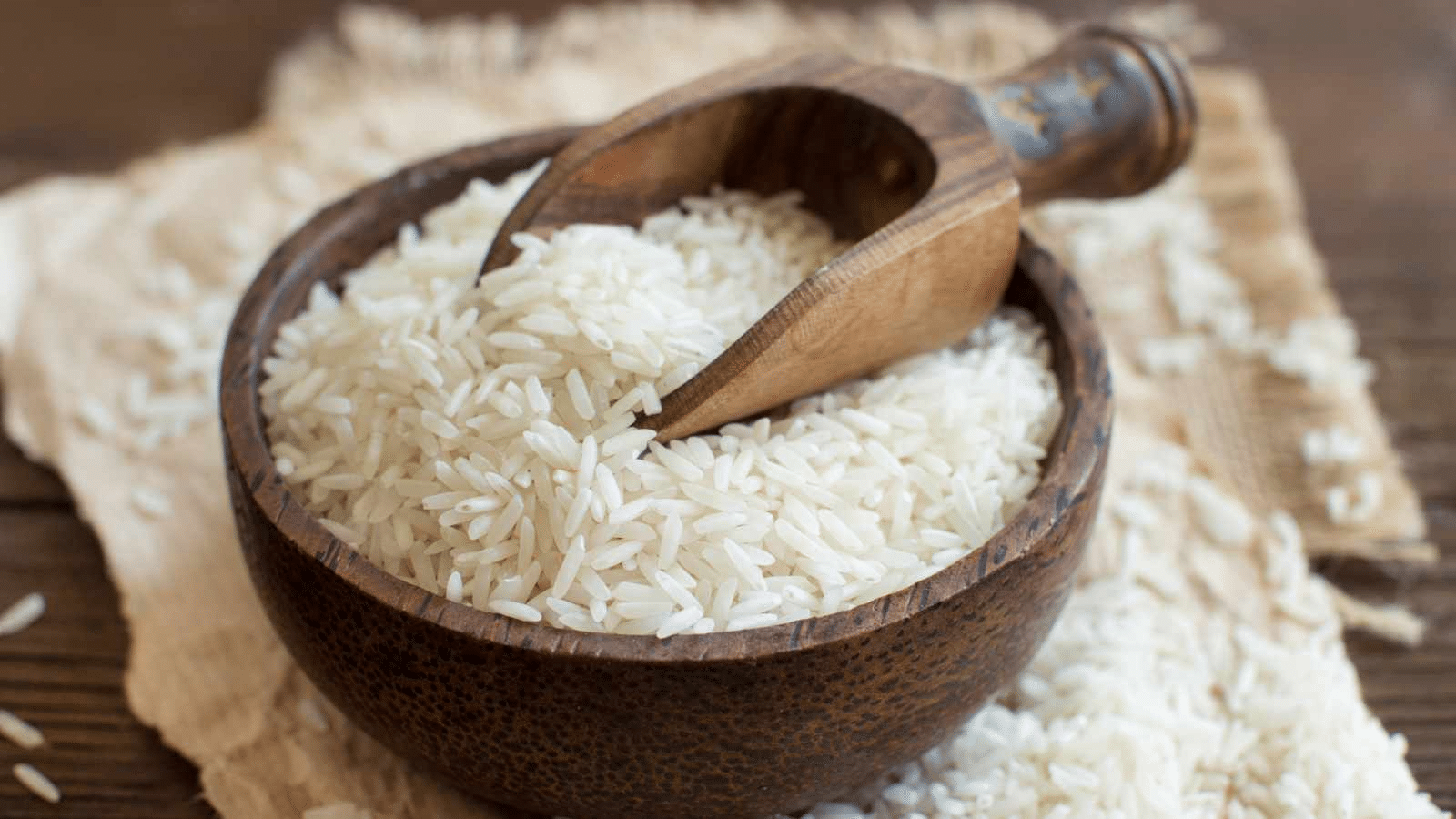
16 Grocery Staples to Stock Up On Before Prices Spike Again
I was in the grocery store the other day, and it hit me—I’m buying the same things I always do, but my bill just keeps getting higher. Like, I swear I just blinked, and suddenly eggs are a luxury item. What’s going on?
Inflation, supply-chain delays, and erratic weather conditions have modestly (or, let’s face it, dramatically) pushed the prices of staples ever higher. The USDA reports that food prices climbed an additional 2.9% year over year in May 2025—and that’s after the inflation storm of 2022–2023.
So, if you’ve got room in a pantry, freezer, or even a couple of extra shelves, now might be a good moment to stock up on these staple groceries—before the prices rise later.





