We tend to picture wealth as loud designer logos, flashy cars, and Instagram vacations with suspiciously perfect lighting. But in real life? The truly well-off people often move in silence. No announcements, no flexing, no need to prove anything.
A 2025 study in the Journal of Retailing and Consumer Services finds a growing shift toward subtle forms of luxury consumption, in which affluent individuals prefer understated, culturally coded signals of status over big logos or overtly branded items.
From the way they spend, plan, and don’t talk about cash, subtle patterns quietly signal stability and ease. Here are eight low-profile habits that reveal someone is well-off.
Preference for premium ride‑sharing
Academic work analyzing Uber data suggests that higher-income riders are more likely to choose premium or exclusive options than lower-income riders. They enjoy a door‑to‑door experience that feels exclusive yet blends seamlessly into everyday commutes.
The habit extends beyond the ride itself. Affluent users often schedule rides in advance, choose quiet-vehicle options, and avoid surge pricing by using corporate accounts. Their seamless integration of premium mobility into daily routines signals disposable income without overt bragging.
Regular purchase of specialty coffee beans

46% of American adults had specialty coffee in the past day, since 2011, surpassing past-day traditional coffee consumption, according to the National Coffee Association’s (NCA
These coffee enthusiasts grind beans at home, store them in airtight containers, and occasionally bring a bag to a friend’s house as a subtle gift. Their commitment to a refined coffee ritual demonstrates an appreciation for quality that aligns with higher earnings.
Discreet use of personal chef or meal‑prep services
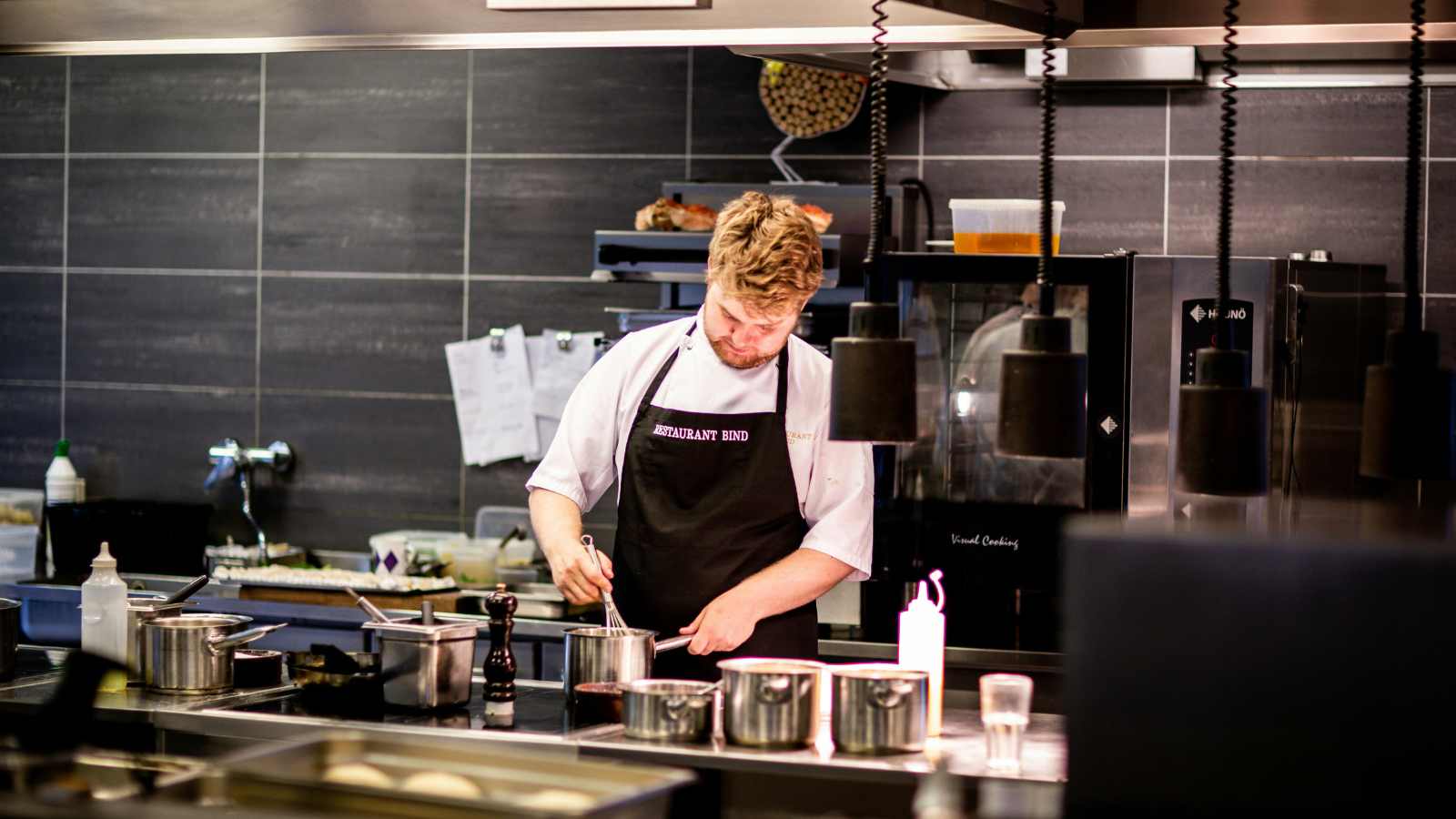
According to Market Growth Reports, in 2023, nearly 60% of U.S. households earning more than $100,000 used personal chef services at least once a year. The service eliminates grocery trips and provides restaurant‑grade meals in a private setting.
Clients typically schedule weekly deliveries, request customized menus, and keep the service under the radar by charging it to a credit card as “food” rather than “luxury.” Their kitchens become effortless showcases of culinary expertise without any public fanfare.
Maintaining multiple premium credit cards while paying in full
Top earners hold five or more premium cards, such as Chase Sapphire Reserve or American Express Platinum. These cards offer travel credits, lounge access, and concierge services that appeal to high‑spending individuals.
Affluent cardholders monitor statements closely, set up automatic payments, and avoid interest charges by clearing balances each month. Their disciplined approach to credit reflects strong cash flow and a nuanced understanding of financial tools.
Owning a second home in a low‑tax jurisdiction
Filers with adjusted gross incomes over $ 500k list a secondary property in states such as Florida, Texas, or Nevada. A second home provides a retreat and potential tax advantages, subtly signaling wealth.
Owners often keep the residence understated, using it for weekend getaways rather than frequent public events. Their ability to maintain a property without drawing attention highlights financial flexibility and strategic planning.
Curating a high‑quality wardrobe without over-branding

A few affluent shoppers purchase unbranded luxury items, preferring craftsmanship over logos. These pieces command premium prices but blend seamlessly into everyday attire.
Wearers pair bespoke tailoring with classic silhouettes, allowing the quality of fabric and cut to speak for itself. Their understated style conveys confidence and purchasing power without relying on visible symbols.
Subscribing to niche, high‑cost digital services
A 2023 Pew survey of U.S. adults shows that most people have internet access and broadband, with higher‑income adults much more likely than lower‑income adults to subscribe to broadband. These subscriptions often cost $50- $200 per month.
Subscribers integrate these services into professional workflows, citing productivity gains and exclusive insights. Their willingness to allocate budget toward niche digital resources indicates disposable income earmarked for personal development.
Frequent use of private aviation memberships

High-net-worth individuals hold fractional jet ownership or membership in private aviation clubs. This option offers on‑demand travel without the full costs of owning an aircraft.
Members schedule flights at short notice, avoid commercial airport crowds, and often fly to less‑served destinations. Their reliance on private aviation for convenience, rather than spectacle, underscores a level of wealth that remains largely invisible to the public.
Key takeaways
The eight habits outlined above reveal how wealth can manifest through quiet, everyday choices rather than loud displays. affluent individuals gravitate toward premium ride‑sharing, specialty coffee, personal chef services, multiple high‑end credit cards, secondary homes in low‑tax areas, unbranded luxury apparel, niche digital subscriptions, and private aviation memberships.
Each habit reflects a strategic allocation of resources that enhances comfort, efficiency, and personal satisfaction. By recognizing these subtle signals, observers gain a clearer picture of a person’s financial standing without relying on overt flaunting.
Disclaimer – This list is solely the author’s opinion based on research and publicly available information. It is not intended to be professional advice.
Disclosure: This article was developed with the assistance of AI and was subsequently reviewed, revised, and approved by our editorial team.
Like our content? Be sure to follow us.