

As menu prices rise, diners are increasingly questioning the quality they’re getting at major chain restaurants. Complaints about shrinking portions and declining standards are spreading fast, putting several well-known brands under scrutiny.
We all have those days where cooking feels impossible, and the glowing sign of a chain restaurant calls our name. While these spots offer convenience, they do not consistently deliver on the promise of a fresh or tasty meal. Many diners are noticing a sharp decline in standards even as menu prices continue to climb.
Customer loyalty is fading as people realize they can get better value for their hard-earned cash elsewhere. From shrinking portion sizes to questionable ingredients, the complaints are piling up across social media and review platforms. Here are eight popular chains that are currently in the hot seat for quality issues.
Sonic Drive-In
Sonic is famous for its retro vibe and vast drink menu, but the actual food often receives poor marks. Consumer reports have historically ranked Sonic near the very bottom of the list for burger quality among major chains. The patties are frequently described as dry and lacking in flavor compared to fresh beef competitors.
The novelty of having food delivered to your window wears off quickly when the meal itself is disappointing. It relies heavily on deep-fried sides to mask the mediocrity of the main items. It is a fun stop for a drink, but maybe not for nutritious food.
Subway
This sandwich giant has faced a public relations nightmare regarding the actual contents of its famous bread. A court ruling in Ireland determined that their bread contains so much sugar that it cannot legally be defined as bread.
This ruling caught the attention of many health-conscious consumers who already questioned how nutritious their bread really was. It also challenges the brand’s long-standing image as a healthier fast-food option. For anyone looking for a more traditional sandwich, picking up a loaf at the grocery store can be a reliable choice.
Chipotle
Chipotle was once the gold standard of fast-casual dining, but recent complaints focus heavily on inconsistent portion sizes. Analysis by Wells Fargo found that some orders weighed up to 87% more than others at the same location.
This “portion lottery” leaves diners feeling cheated when they receive a half-empty bowl for a full price. The company claims there has been no policy change, but the data suggest that quality control is slipping. It is frustrating to spend your budget on a meal that leaves you still feeling hungry.
Panera Bread
Panera has recently faced intense scrutiny regarding the safety of its “Charged Lemonade” beverages. Multiple lawsuits were filed alleging that the drink’s extremely high caffeine content contributed to severe health issues and even fatalities.
Beyond the health and safety concerns, many loyal customers feel the food quality has dipped while prices have skyrocketed. The shift toward what some critics call glorified hospital food has alienated diners who remember the brand’s glory days. It is hard to justify the cost of a microwave meal served on a real plate.
Burger King
The “Home of the Whopper” struggles to keep up with its competitors in customer satisfaction rankings. The American Customer Satisfaction Index (ACSI) gave Burger King a score of just 76 in 2024, trailing leaders like Chick-fil-A. Diners often cite lukewarm food and slow service as primary reasons for their dissatisfaction.
While they try to revamp their image with catchy jingles, the fundamental dining experience remains lackluster for many. The inconsistency between locations makes it a gamble every time you pull your car into the drive-thru. Competitors are simply executing the basics of hot-and-fresh food much better.
Taco Bell
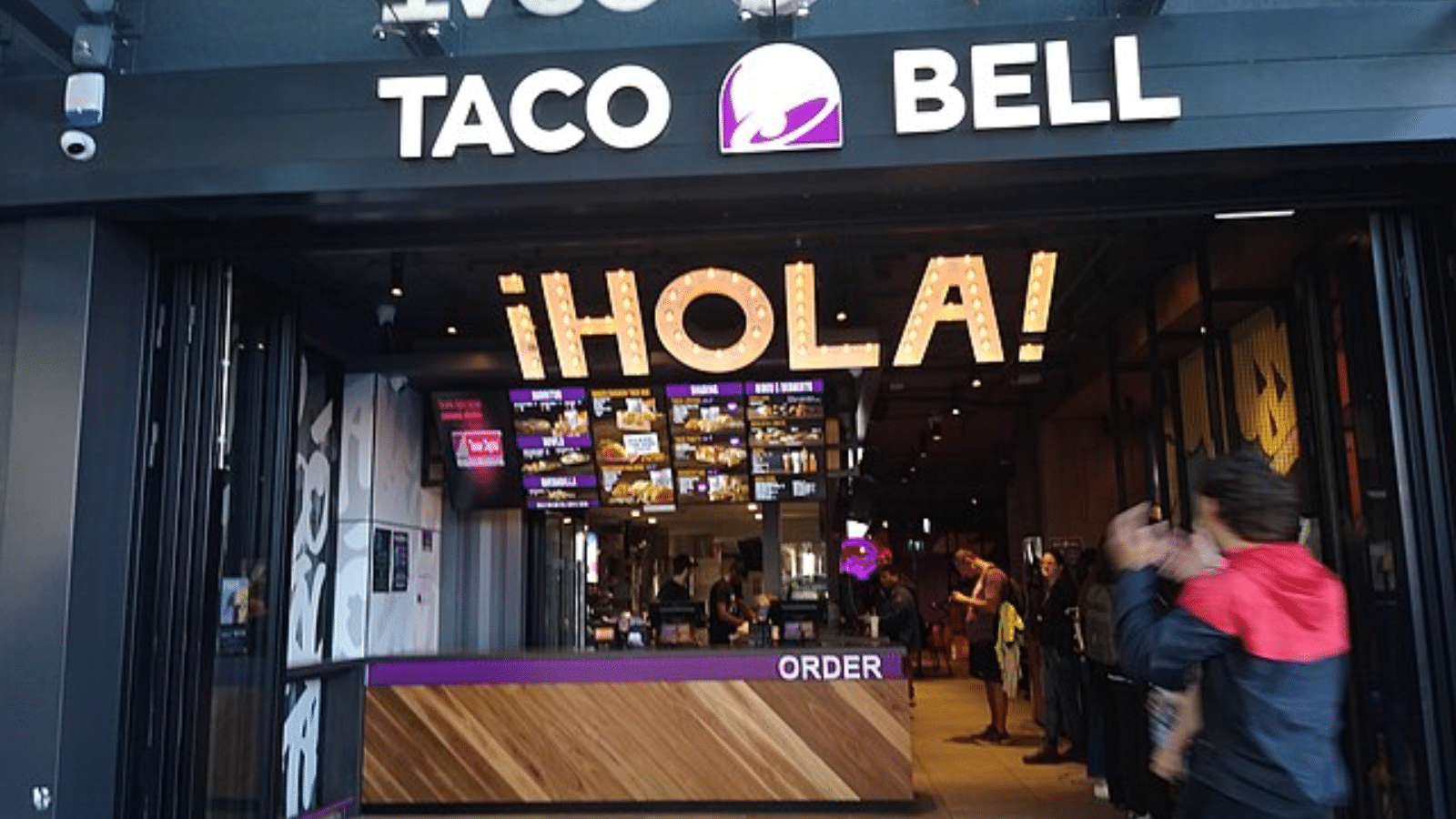
Taco Bell has long been the champion of cheap late-night eats, but its prices are rising faster than its quality. A study by FinanceBuzz revealed that Taco Bell’s menu prices were about 80% higher in 2024 than in 2014. That represents one of the steepest hikes in the entire industry.
Customers are finding it harder to view the chain as a value option when a simple combo meal costs as much as a sit-down lunch. It is a tough sell for anyone watching their wallet.
Buffalo Wild Wings
This sports bar staple is facing heat for high prices and food that often arrives at the table lukewarm. Critics argue that the chain relies too heavily on frozen products rather than on fresh kitchen preparation.
Save this article
Their customer satisfaction scores are notably lower than those of full-service competitors in the same category. The experience is often saved only by the atmosphere and the television rather than the culinary experience.
When you are paying a premium for wings and beer, you expect the food to be the star of the show. Many fans are deciding to watch the game at home instead.
Applebee’s
Applebee’s has fought a long battle against the perception that it serves only microwaved meals. The brand has had to close numerous locations as it struggles to remain relevant in a changing market.
The neighborhood grill concept feels outdated to younger generations who care more about authenticity than endless appetizers. Paying restaurant prices for something that tastes like a frozen TV dinner is a hard pill to swallow. They are trying to pivot but the quality stigma sticks.
Key Takeaways
Dining out is becoming a luxury, and customers are rightfully demanding higher standards for their money. These chains are learning the hard way that brand recognition is not enough to save them from valid quality complaints. It might be time to explore local eateries or cook at home until these giants step up their game.
More articles:
- 12 fruits that contain more vitamin C than oranges
- 12 reasons dragon fruit may be one of the healthiest fruits you’re not eating enough of
- Starting Your First Garden? Here Are the 10 Easiest Vegetables to Grow
Disclosure: This article was developed with the assistance of AI and was subsequently reviewed, revised, and approved by our editorial team.
Like our content? Be sure to follow us on Newsbreak.
The Best Root Vegetables for Better Vision

Around the world, most conversations about eye health focus on things like glasses, screen time, or supplements. But in public-health circles, the story actually starts much deeper—literally underground. Root vegetables, especially the ones loaded with carotenoids, play a major role in keeping our eyes healthy.
Vitamin A deficiency is still the leading cause of preventable childhood blindness around the globe, according to the World Health Organization. It contributes to an estimated 250,000 to 500,000 cases every year, especially in places where people don’t have access to foods rich in provitamin A. Learn more.
Common spices linked to colon cancer prevention

In the quiet routine of seasoning a meal, you may be adding small, powerful defenses against one of the most common cancers.
Your spice rack might actually be hiding some powerful health benefits. It turns out that a handful of common pantry staples pack a serious punch against serious illnesses. Medical researchers are looking closely at how everyday seasonings can fight back against cellular damage in the digestive tract. Learn more.
Which protein is actually better for arthritis, plant or animal?
With more than 53 million Americans living with arthritis, emerging research points to nutrient balance—not protein source alone—as the real driver of bone and joint health.
CDC estimates from 2019–2021 show about 21.2% of US adults (around 53.2 million people) report a doctor’s diagnosis of some form of arthritis (including osteoarthritis, rheumatoid arthritis, gout, lupus, etc.). Osteoarthritis (OA) is the most common joint disorder in the US (over 32.5 million US adults live with it), mainly affecting knees, hips, hands, and spine. Learn more.





