In 2026, the American kitchen is witnessing a radical “Retro Rejuvenation” as grocery prices continue to outpace general inflation.
Data from the USDA Economic Research Service (ERS) predicts that overall food prices will rise by 3.0% this year, following a staggering cumulative increase of nearly 20% since early 2022.
As household budgets are squeezed by high interest rates and volatile supply chains, the “Old World” pantry is no longer a choice for the nostalgic; it is a strategic fortress for the modern survivor.
Here are eight old-school groceries making a massive, inflation-proof comeback.
The Humble Potato

The potato is officially reclaiming its throne as the most cost-effective vegetable in the American produce aisle. Families are ditching expensive, highly perishable salad greens for the 10-pound bag of Russets, which offers the highest calorie-per-dollar ratio of any fresh item.
The trend toward “Grandma’s recipes,” such as mashed potatoes and hearty stews, is helping households stay full for under a dollar per pound.
Unlike tropical fruits or imported peppers that are sensitive to transport fuel spikes, the humble potato remains a domestic workhorse that provides essential potassium and vitamin C without the “import tax” burden.
Dry Beans and Lentils
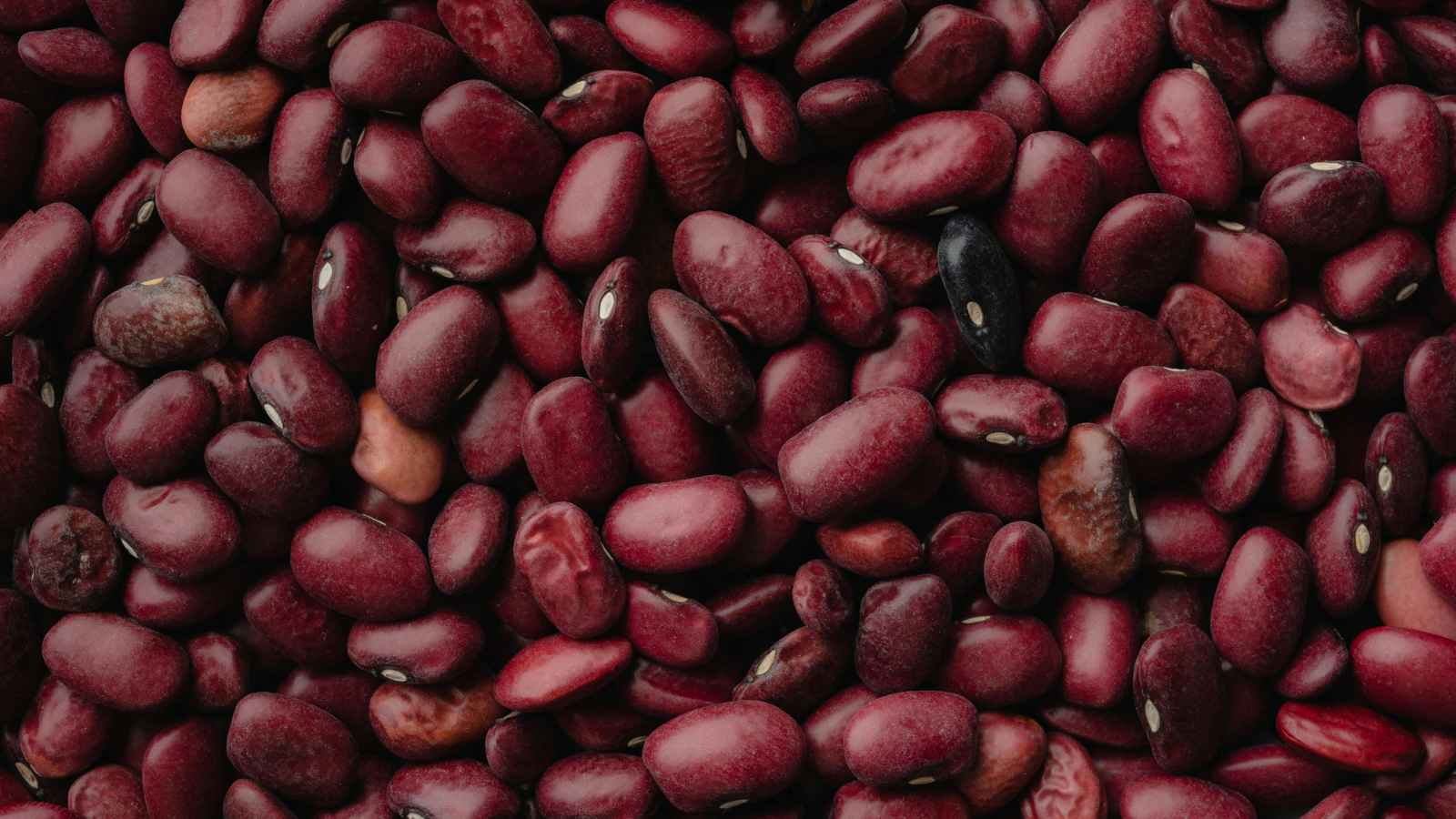
As beef and veal prices are forecasted to soar by a staggering 9.4% in 2026, Americans are staging a mass exodus from the butcher counter toward the dry goods aisle.
Data from the Bureau of Labor Statistics (BLS) confirms that while canned goods have ticked up due to metal packaging costs, dry legumes remain the “king of protein value.”
A single bag of dry pinto beans costs mere pennies per serving, providing a fiber-rich alternative that keeps consumers sated longer than expensive, water-heavy processed meats.
For the millions of Americans whose weekly earnings have been eroded by a 17.9% increase in grocery inflation over the last four years, the dry bean is the ultimate budget stabilizer.
Pork Chops
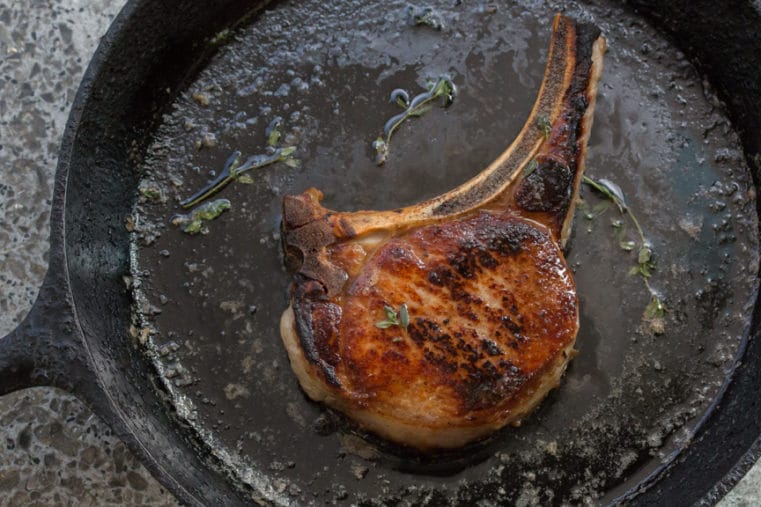
For those who refuse to give up meat but can no longer justify the “Prime Beef” markup, pork is serving as the primary safety valve of 2026.
While beef prices are hitting “unprecedented” levels according to Press Progress analysis, the USDA predicts that pork prices may actually decline by 0.3% this year. This price divergence is driving a resurgence in classic pork-based meals like “Shake and Bake” chops and slow-cooked loins.
Smart shoppers are increasingly purchasing whole pork loins and slicing them into chops themselves to avoid the labor surcharge added by retail butchers. This return to basic butchery skills at home allows a family of four to enjoy a protein-heavy dinner for a fraction of the cost of a single steak.
The trend highlights a broader “value-seeking” movement in which consumers are prioritizing the “margin-friendly” proteins their parents and grandparents relied on during previous economic downturns.
Canned Tuna

Fresh seafood prices are notoriously volatile in 2026, frequently swinging due to catch limits and high marine fuel costs.
Consequently, shelf-stable seafood is seeing a massive correction in popularity, with canned tuna and salmon prices dropping by 3% over the last 12 months. This old-school lunch staple is being rebranded as “accessible luxury,” providing high-quality Omega-3s without the risk of spoilage or the need for refrigeration.
By choosing the tin over the fresh fillet, shoppers are avoiding the “freshness premium” that has become unsustainable for the 55% of consumers who are now switching brands strictly based on price point.
Oats and Porridge

Save this article
The era of the $8 box of brightly colored, sugar-laden cereal is ending, as oats benefit from a broad dip in grain commodity prices.
Modern research shows that oats are a nutrient-dense breakfast that costs a fraction of processed alternatives, leading to a 12% increase in bulk oat sales since 2025. With egg prices still highly sensitive to avian flu shocks and supply disruptions, the “oatmeal morning” is becoming a daily reality for millions of Americans.
This shift is part of the “Functional Cuisine” trend, where younger generations are choosing old-school grains for their gut-health benefits and long-term satiety.
A 20-pound bag of oats can feed a family for a month for the price of two boxes of brand-name cereal, making it one of the fastest ways to lower a monthly grocery bill that has otherwise inflated by over 19% since 2022.
Frozen Vegetables
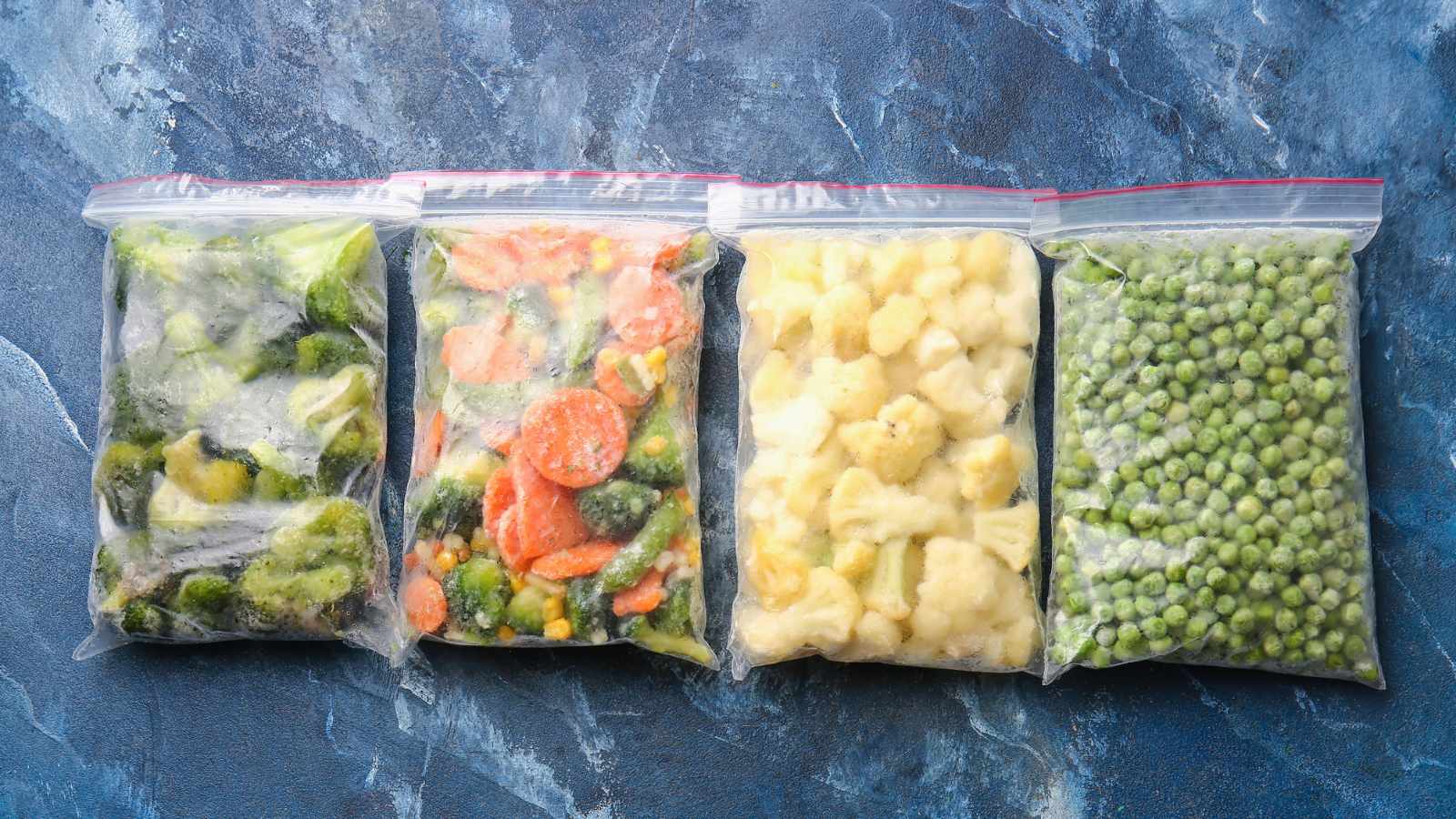
Fresh produce “sticker shock” is driving a massive migration toward the frozen aisle, which is currently beating the fresh aisle on price for the first time in years.
Data indicate that frozen vegetables are benefiting from a 1.4% price drop, driven by increased demand for convenient, long-shelf-life alternatives as consumers seek to manage high food costs.
Shoppers are dropping the pre-washed salad kits and returning to the classic frozen “medley” bags of peas, carrots, and corn. These items are harvested at peak ripeness and flash-frozen, so consumers aren’t paying transport premiums or the high spoilage rates associated with fresh produce.
The trend in 2026 is “waste-free eating,” where the ability to use only what you need from a frozen bag prevents the “hidden tax” of throwing away wilted, expensive fresh veggies at the end of the week.
Apples and Onions

While tropical fruits like oranges have seen prices climb due to disease and climate pressures, domestic apples and onions are resisting the inflation curve.
According to the USDA ERS, domestic apple harvests have been strong enough to keep retail costs down, with wide varieties seeing slight price declines when bought in bulk bags.
Similarly, onions remain a domestic workhorse crop, costing just a few cents per pound while serving as the essential flavor base for almost every budget-friendly savory meal.
By sticking to these sturdy, locally-grown staples, Americans are avoiding the “weather-disruption premium” that has driven up the prices of imported produce like navel oranges and yams by nearly 20% in a single year.
Organ Meats and “Offal” Cuts

In a surprising twist, “claws, carcasses, and carcasses” are making a comeback on the American dinner table as consumers look to maximize every cent of their meat purchase.
James Beard Foundation research highlights a “whole-ingredient ethos” in which chefs and home cooks alike are integrating traditionally “discarded” parts such as fish collars, liver, and marrow.
This isn’t just a trend in high-end “bouillon” bistros; it’s a survival tactic for households facing a 9.4% surge in beef prices. By utilizing these nutrient-dense but historically undervalued cuts, shoppers can access high-quality animal protein at a significantly lower price point than the standard ribeye or chicken breast.
This return to “nose-to-tail” eating represents a newfound respect for resourcefulness that hasn’t been seen in the American mainstream since the Great Depression, proving that in 2026, nothing is wasted.
Key Takeaways

- Buy Bulk, Buy Basic: Shifting to 20-pound bags of rice and potatoes can lower your produce bill by 25%, according to current USDA forecasts.
- Domestic Over Imported: Stick to “hardy” crops like apples and onions to avoid the fuel and tariff surcharges hitting tropical and imported fruits.
- The Frozen Advantage: Frozen vegetables are currently 1.4% cheaper than last year, offering better nutrient stability and zero waste.
- Protein Reprioritization: Swapping beef for pork and beans can save the average family of four over $150 per month in 2026.
Disclaimer: This list is solely the author’s opinion based on research and publicly available information. It is not intended to be professional advice.
Like our content? Be sure to follow us