

A wallet feels like the safest place for important things, which is exactly why it can become a problem. When one goes missing, everything inside it goes along for the ride, and some of those items are far more valuable to a thief than the cash.
Fraud is not a small issue. Capital One, citing Javelin Strategy & Research, reports that Americans lost $38 billion to identity fraud and scams in 2025, with 36 million victims. Cutting down what sits in a wallet is one of the simplest ways to shrink that risk, and it fits alongside the tips in a FrenzHub guide on how to save money fast.
Banks, consumer agencies and fraud specialists keep naming the same culprits. Here are 8 things worth taking out of a wallet today. Anyone rethinking how much cash to carry may also want a FrenzHub guide to saving for an emergency fund.
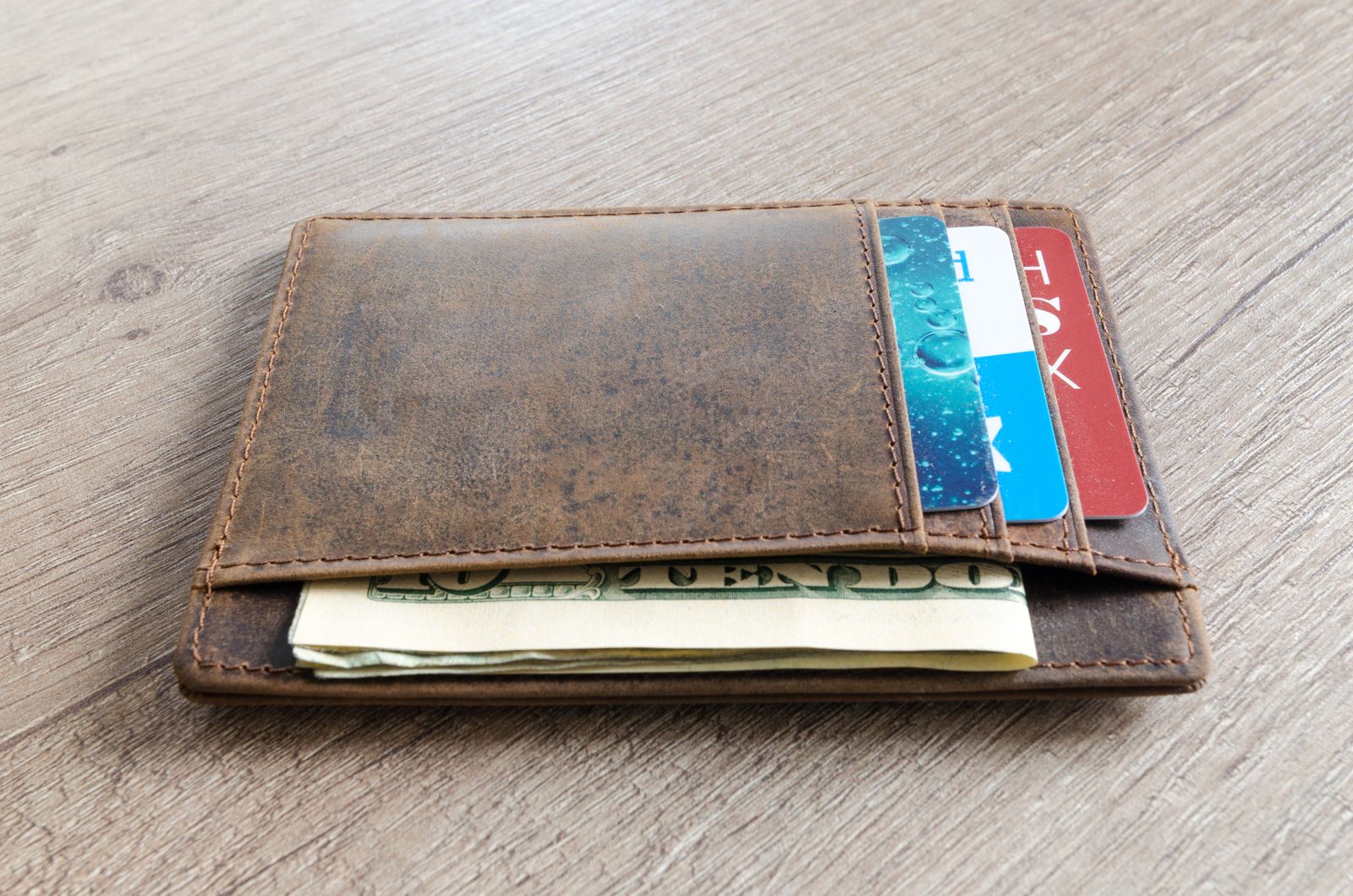
1. A Social Security card
This one tops nearly every list for good reason. Capital One warns that a fraudster with a Social Security number could open loans or credit cards in someone else’s name, or even file a tax return to grab the refund. The card is rarely needed in daily life. The Wisconsin Department of Agriculture, Trade and Consumer Protection notes the main exception is the first day at a new job, when it may be needed for employment eligibility paperwork. The rest of the time, it belongs in a secure spot at home, ideally with other important documents.
2. Blank checks or a full checkbook
A single check holds a surprising amount of personal data. According to the Wisconsin consumer protection agency, a checkbook displays a name, address and the bank’s routing and account numbers, all of which can be used for fraud. Kiplinger adds that a stolen check could be used to drain an account. Most everyday purchases no longer require paper checks anyway. When one is truly needed, such as for a contractor or a landlord, the safer move is to bring just that one check and leave the rest of the book at home. Anyone newer to plastic can also read a FrenzHub explainer on how credit cards work for beginners.
3. Passwords and PINs written on paper
A folded note with a debit card PIN or a list of logins can turn a lost wallet into a full-blown account takeover. Kiplinger points to a Pew Research Center survey finding that 41% of U.S. adults often write their passwords down. Keeping that list in a wallet, right beside the cards it unlocks, hands a thief everything at once. Capital One suggests using a password manager instead, and the Wisconsin agency recommends turning on two-factor authentication wherever it is offered. Security questions and their answers should stay off paper too, since they are often the backup route into an account.
4. A spare house key
A wallet often contains a driver’s license, which shows a home address. Add a house key, and a stranger who finds the wallet has both the location and a way in. Kiplinger notes that changing locks after a loss can cost more than $100. Capital One and Kiplinger both recommend leaving spare keys with a trusted friend, neighbor or relative instead of carrying them. Some households now use smart locks or keypad entry, which removes the need for a physical spare altogether. Either way, separating keys from identification is a quick fix that takes only a minute and can prevent a much bigger headache later.
5. A passport or passport card
Passport cards are about the size of a driver’s license, which makes them easy to tuck into a wallet and forget. That is risky. AARP describes the U.S. passport as the most valuable identity document, making it a prime target for thieves. Kiplinger says a stolen passport could be used to travel under someone else’s name or to help open bank accounts. The safer approach is to store passports at home, such as in a fireproof safe, and carry them only for travel. On trips abroad, a photocopy can cover many situations while the original stays locked up.
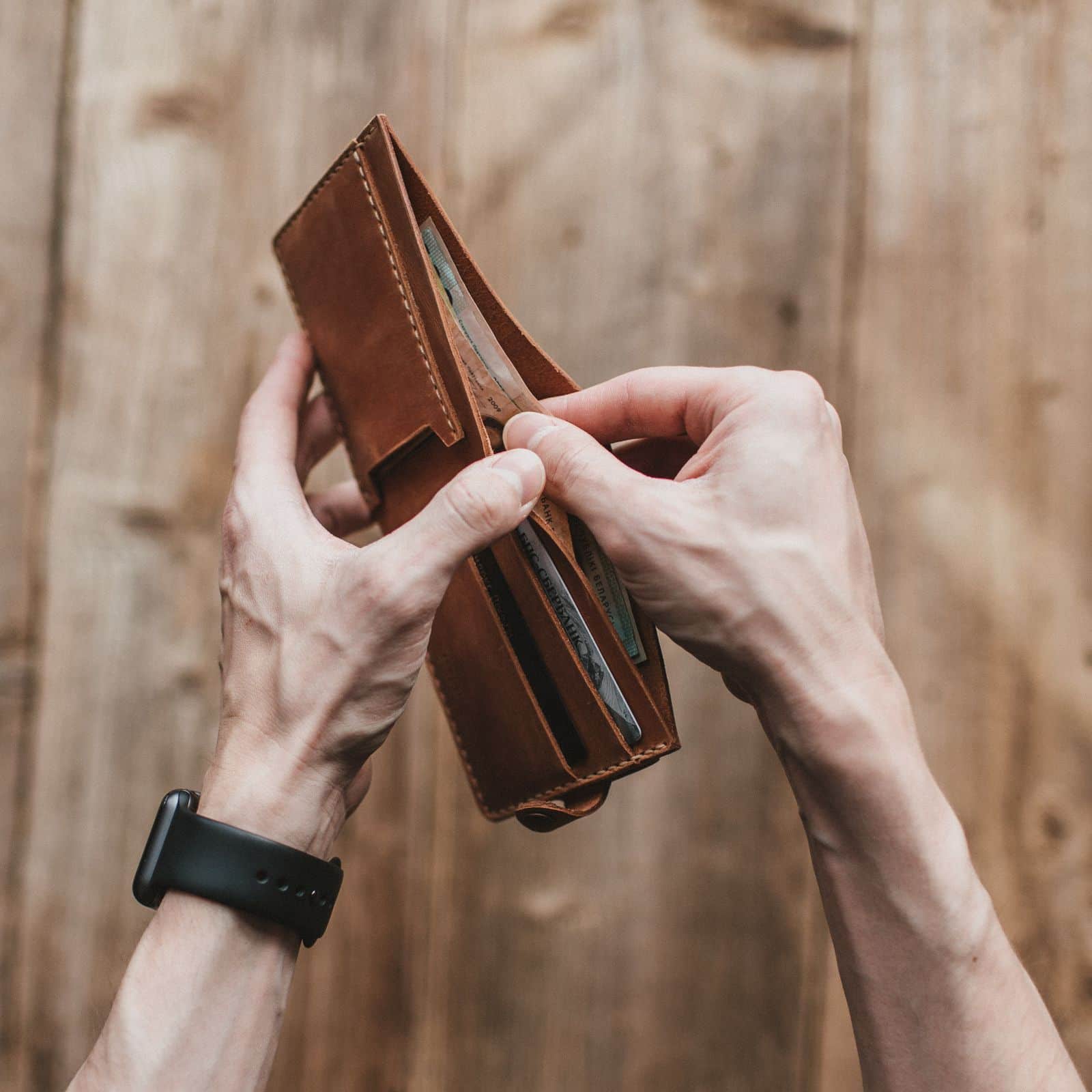
6. More credit cards than needed
Carrying every card at once multiplies the damage of a single lost wallet. Both Capital One and AARP suggest keeping it simple with one credit card and one debit card for daily use. AARP notes that extra cards give criminals more chances to make online charges before the loss is reported. Capital One adds that rarely used store cards bring extra risk and can also encourage impulse spending. A smart backup step from the Wisconsin agency is to photocopy the front and back of everything carried and store the copies at home, so the right phone numbers are handy if cards need to be canceled quickly.
7. Unused gift cards
Gift cards work a lot like cash. Kiplinger points out that retailers generally do not ask for identification, so whoever has the card can usually spend it. AARP says a thief can use the balance as easily as paper money. Leaving gift cards at home until a planned trip to that store or restaurant keeps the value protected. Capital One suggests another option, which is storing them in a gift card app so the balances live on a phone instead of in a wallet. Either way, the card should not ride along for months on the chance it might get used someday.
8. A thick stack of cash
A little cash is useful for tips, parking meters and small shops that do not take cards. A large wad of bills is another matter. Capital One warns that carrying a lot of cash can make someone a target, and unlike a card, stolen money is almost impossible to recover or dispute. Keeping only a modest amount on hand for emergencies or small purchases limits the loss if a wallet goes missing. Larger savings are better off in a bank account, where they are safer from loss and can earn interest.
A lighter wallet is a safer wallet
Clearing out these 8 items takes only a few minutes, but it can save weeks of phone calls, account freezes and paperwork if a wallet is ever lost or stolen. AARP, citing Federal Trade Commission reports, says $12.5 billion was stolen through scams and fraud in a single year, up 25% from the year before, which is a strong reminder that small precautions matter.
Wallet habits also differ across generations, as a lighthearted look at the 9 things boomers keep in their wallets that leave younger generations confused shows. For longer-term planning, a related article lists ways to avoid financial struggle in retirement by dodging 11 money traps.
This article was written with the help of AI tools and checked against the sources linked above.




