

The car horn is one of the most used and least understood pieces of equipment on any vehicle. Many drivers treat it as a way to say hello, hurry up a slow driver at a green light or vent frustration in traffic. State law, however, often takes a much narrower view of what a horn is for.
In a number of states, the statute governing horns is nearly word for word the same: a vehicle must have a working horn, the horn cannot be unreasonably loud, and the driver should use it when reasonably necessary for safe operation. Some states go a step further and say the horn should not otherwise be used on the road. Violations are usually minor traffic infractions, but they can still lead to a ticket. Considering how many collisions happen on busy roads, as shown in a ranking of the cities that have the most car accidents, it is easy to see why the law treats the horn as a warning device first.
Here are 8 things that can be illegal to do with a car horn in many states, based on state statutes and local reporting. Rules vary by state and city, so local codes always have the final word.
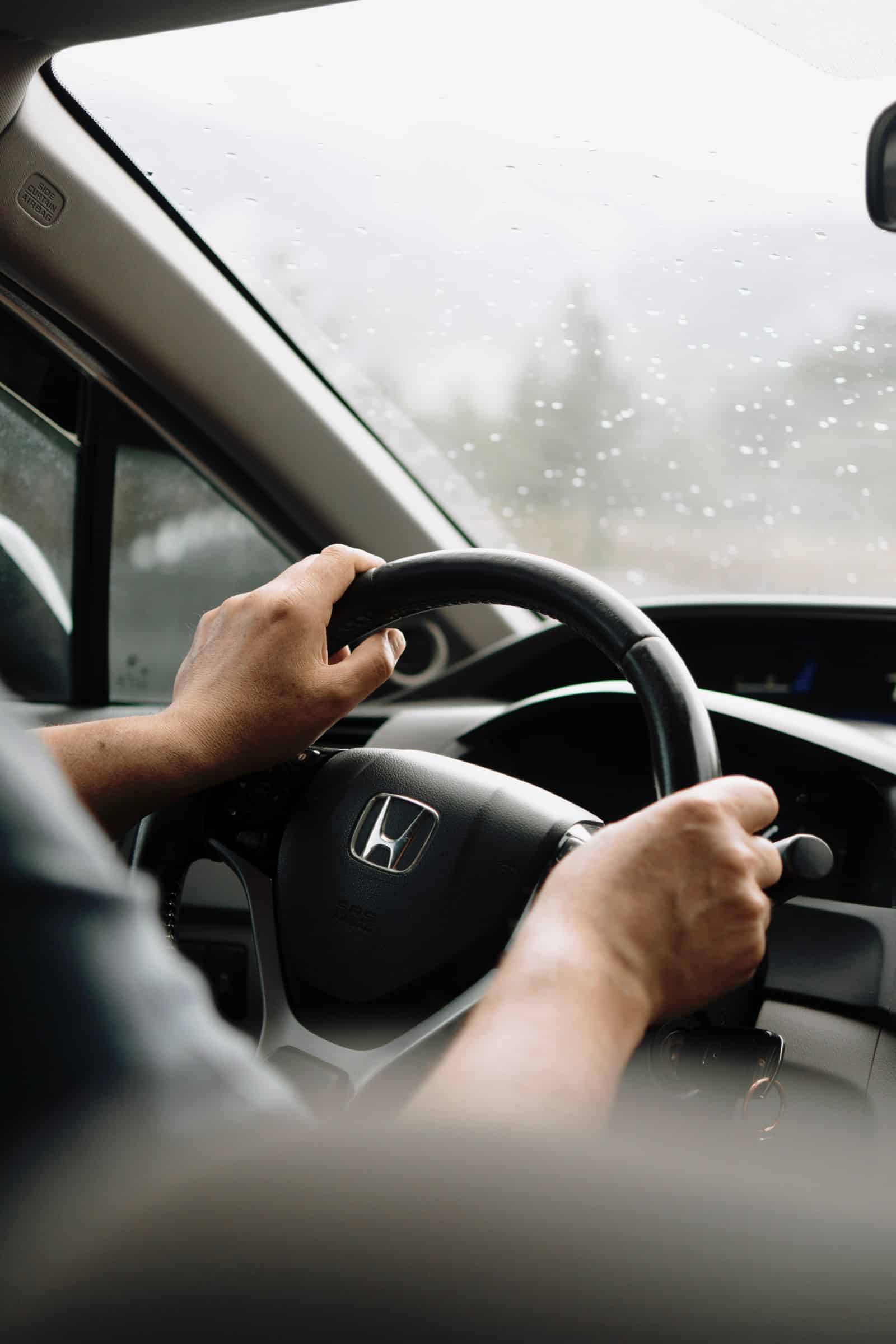
1. Honking to Say Hello or Announce an Arrival
A friendly toot to a neighbor or a couple of honks to signal that a ride has arrived may feel harmless, but some state laws do not allow it. Washington’s horn statute, RCW 46.37.380, says drivers shall give an audible warning with the horn when reasonably necessary to insure safe operation “but shall not otherwise use such horn when upon a highway.” Iowa Code Section 321.432 uses almost identical language.
Minnesota takes a similar position. A Minnesota State Patrol trooper, answering a reader question in a column published by The Free Press of Mankato, explained that honking is legal when reasonably necessary for safe operation, such as warning vehicles, pedestrians or animals to avoid a crash, and that honking in a non-safety situation on the road is illegal. Unlike some of the annoying modern car features drivers complain about, the horn itself is rarely the issue; how it gets used is.
2. Honking Out of Anger or Frustration
Leaning on the horn after being cut off is almost a reflex for many drivers. In Texas, though, the Transportation Code says a driver shall use a horn to provide audible warning only when necessary to insure safe operation, according to a Fort Worth Star-Telegram explainer. The paper noted that a driver honking at cars in traffic out of anger or frustration may be cited.
Cities can add their own rules on top of state law. The Star-Telegram pointed out that a Fort Worth ordinance makes it unlawful to sound a horn in a “loud, unusual or unnecessary manner” or at any time except as a warning of danger. Drivers shopping for something like the best used family cars with minimal maintenance cost will find every one of them comes with a horn, but none comes with permission to use it as a complaint button.
3. Driving Without a Working Horn
Many drivers do not realize a broken horn can be a violation in itself. Washington, Iowa and Florida all require that every motor vehicle on the highway have a horn in good working order, capable of being heard under normal conditions from at least 200 feet away. Florida Statute 316.271 spells out that requirement in its first subsection, and the Star-Telegram reported that Texas law sets the same 200-foot standard.
The Minnesota trooper’s column made the same point for that state. A horn that has quietly stopped working is easy to overlook, but it is one of the simpler equipment problems to fix before it becomes a ticket.
4. Installing a Horn That Is Unreasonably Loud or Harsh
Bigger is not always better when it comes to aftermarket horns. Washington, Iowa and Florida law all say that no horn or other warning device may emit “an unreasonably loud or harsh sound,” and the Star-Telegram reported that Texas has the same restriction.
The statutes do not set a specific decibel limit, which leaves room for interpretation by officers. The Minnesota trooper noted that a horn that is too loud or harsh could also run afoul of a local noise ordinance.
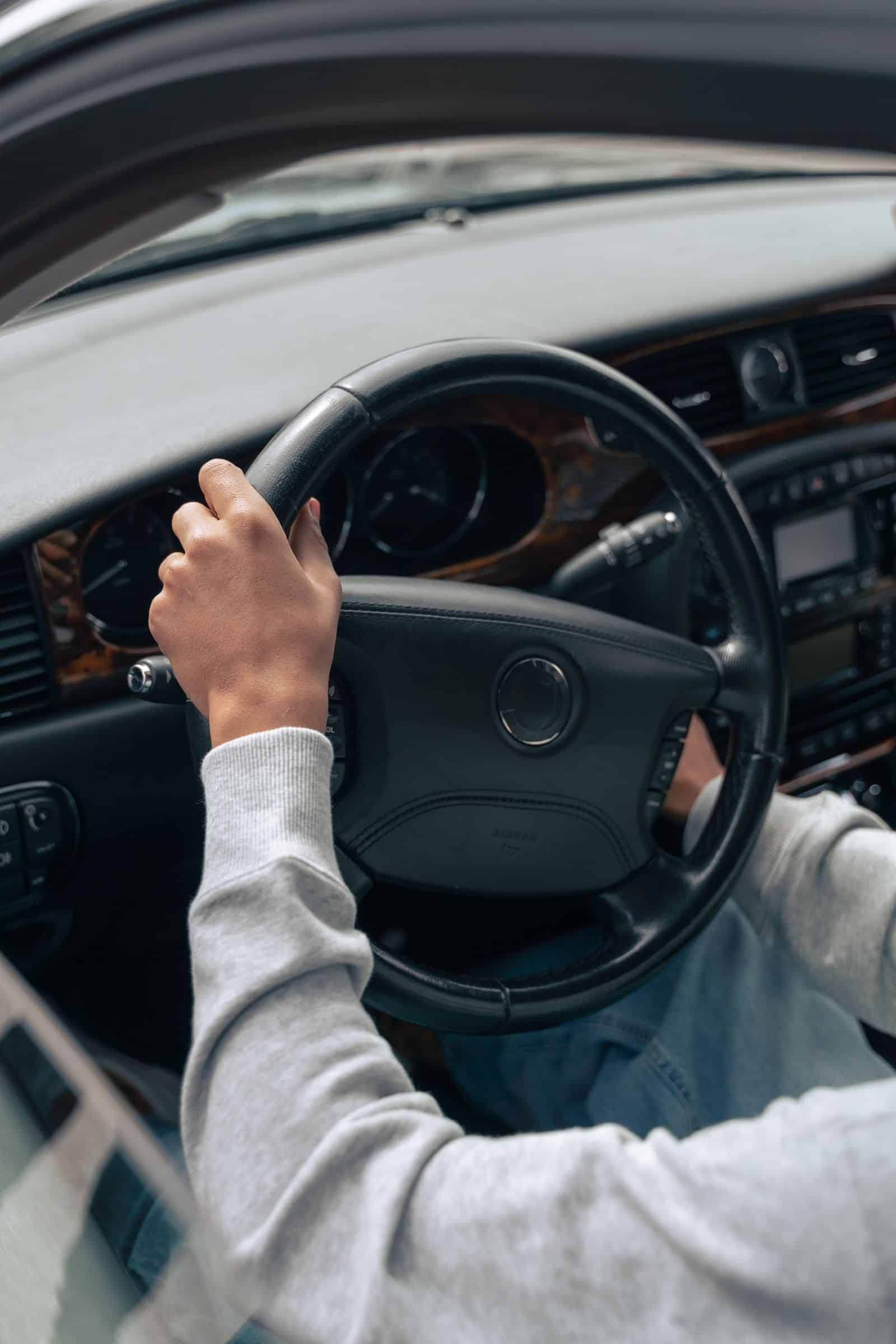
5. Using a Horn That Whistles
Novelty horns that whistle may get laughs, but several states specifically ban them. The same statutes in Washington, Iowa and Florida that prohibit unreasonably loud horns also say a horn may not emit “a whistle.” Texas law, according to the Star-Telegram, contains the same language.
In practice, the rule keeps a car’s warning signal sounding like a car horn. A driver or pedestrian who hears it should be able to recognize it instantly, without wondering where the unusual noise is coming from.
6. Adding a Siren, Whistle or Bell to a Personal Vehicle
Sirens are reserved for emergency vehicles. Washington’s statute says no vehicle may be equipped with, and no person may use on a vehicle, any siren, whistle or bell except as permitted by the law, which carves out authorized emergency vehicles and a few specialized uses. Florida’s law contains a nearly identical ban, and Texas law also bars sirens, whistles and bells except on certain vehicles, as the Star-Telegram explained.
Even for emergency vehicles, the statutes limit when sirens can be sounded, generally to emergency calls and pursuits. A personal car fitted with one invites confusion on the road, which is exactly what these laws aim to prevent.
7. Blasting a Train-Style Air Horn
Some drivers are tempted by train-style air horns, but owning one and using one are two different things. In a guide to Florida’s horn law republished by AOL from the Miami Herald, the newspaper explained that a driver can have an air horn train horn on a vehicle but cannot use it legally. That follows from the state’s ban on horns that emit an unreasonably loud or harsh sound.
The Herald added that improper horn use in Florida is a noncriminal traffic infraction punishable as a nonmoving violation, with a fine that could be around $30. Long drives are tiring enough without a ticket; travelers heading out may prefer to focus on planning, as in a guide to van travel with low FODMAP food on the road.
8. Rigging a Theft Alarm to Work as a Horn
Car alarms that use the horn are allowed in several states, but with a catch. Washington and Florida law both permit a theft alarm signal device only if it is arranged so that the driver cannot use it as an ordinary warning signal. Washington adds that such an alarm may use a whistle, bell or horn but not a siren. The Star-Telegram reported a similar theft-alarm provision in Texas law.
In other words, the alarm is meant to sound when someone tampers with the car, not to serve as a louder backup horn. Wiring an alarm so it can be triggered from the driver’s seat as a warning device can cross the line. Drivers packing for a long trip would do better to spend that effort on supplies, such as the options in a roundup of the best low FODMAP snacks for on the run.
The Horn Is a Safety Tool
The common thread in all of these laws is simple: a horn is meant to prevent crashes, not to communicate moods. As the Miami Herald noted, horns on motor vehicles are there for safety’s sake. Keeping the horn in working order, at a reasonable volume and saved for genuine warnings is the surest way to stay on the right side of the law in most states.
This article was written with the help of AI tools and checked against the sources linked above.




