

Ultra-processed foods often get labeled as automatic health villains, but nutrition is rarely that simple. Processing exists on a spectrum, and not every packaged food undermines well-being. For busy households, budget-conscious shoppers, or people managing specific dietary needs, some ultra-processed options can play a practical role without derailing health goals.
The key lies in understanding ingredients, portion sizes, and how these foods fit into an overall balanced pattern of eating. According to the Centers for Disease Control and Prevention, nearly 60 percent of calories consumed by adults in the United States come from ultra-processed foods.
Nutrition experts argue that eliminating them entirely is unrealistic for most people and unnecessary for good health. Instead, choosing higher-quality options with protein, fiber, or essential nutrients allows certain ultra-processed foods to support convenience while still aligning with a healthy diet.
Fortified Breakfast Cereals

In the NutriNet-Santé prospective cohort published in The BMJ in 2019 by Mathilde Touvier and colleagues at INSERM, certain ultra-processed foods were linked to a higher risk of type 2 diabetes. However, high-fiber breakfast cereals stood apart from this pattern. Within this French cohort of over 100,000 adults, cereals with more fiber and less added sugar were associated with a lower diabetes risk despite their NOVA classification.
Dietitians often cite these cereals as evidence that nutrient density can sometimes outweigh processing level. A bowl that delivers whole grains, iron, and B vitamins can function very differently in the body than a pastry, even if both are technically ultra-processed.
Whole Grain Packaged Bread

Packaged bread occupies a strange nutritional space. In NutriNet-Santé and similar cohort analyses from Harvard T.H. Chan School of Public Health, whole grain breads were consistently associated with reduced risk of type 2 diabetes and cardiovascular disease. This association held even when industrial processing placed them in the ultra-processed category.
The difference lies in composition. Loaves built on whole grains, intact fiber, and modest sugar content support glycemic control and satiety. In real diets, replacing refined bakery items with whole-grain packaged bread often improves overall dietary quality rather than undermining it.
Flavored Yogurts With Real Dairy

Yogurt-based products, including lightly sweetened and flavored varieties, showed protective associations with type 2 diabetes. This pattern appeared in the same BMJ analysis from INSERM that identified increased risk from sugary beverages and processed meats. Fermented dairy appeared to behave differently from other ultra-processed foods.
Clinical dietitians often lean on yogurt as a flexible base. When paired with fruit, nuts, or seeds, it becomes a vehicle for protein, calcium, and probiotics. Convenience does not automatically erase biological benefit.
Tofu and Plant-Based Drinks

The Academy of Nutrition and Dietetics has noted that tofu and soymilk can be classified as ultra-processed under NOVA due to their manufacturing steps. Despite this classification, both foods contribute high-quality protein and, when fortified, calcium and vitamin D. This has puzzled many clinicians.
Global food systems analyses from the Food and Agriculture Organization warn that not all plant-based alternatives are nutritionally equal. Still, minimally sweetened tofu and soy drinks remain reliable tools for people reducing meat intake while maintaining adequate protein and micronutrient status.
Canned Vegetables and Beans

Save this article
Canned vegetables and legumes are often swept into the ultra-processed category. Yet population data from the United States Department of Agriculture consistently link their use to higher fiber, potassium, and vegetable intake. In many households, canned foods are the difference between vegetables consumed and vegetables skipped.
Simple practices change their impact. Rinsing canned beans can reduce sodium by up to 40 percent, according to USDA nutrient retention data. Choosing low-sodium options preserves convenience while aligning with cardiovascular guidelines.
Frozen Veggie Burgers and Meat Alternatives
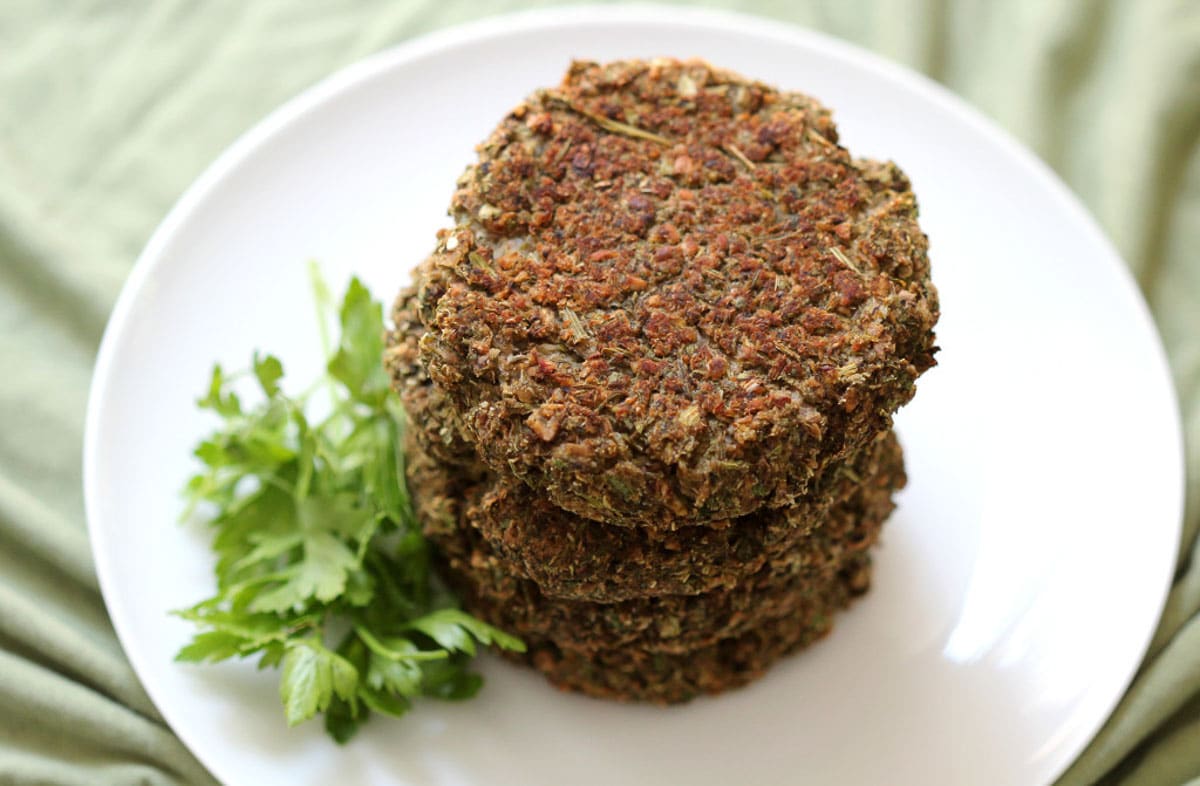
Plant-based burgers are frequently cited in critiques of ultra-processed foods as examples of industrial formulations. Research from the World Resources Institute and Harvard T.H. Chan School of Public Health acknowledges their high level of processing. It also notes their potential role in reducing red and processed meat consumption.
Nutrition professionals tend to frame these products as transitional tools. When chosen with attention to protein content, sodium, and ingredient lists, they can help shift dietary patterns. This shift moves diets toward lower saturated fat and reduced environmental impact without demanding perfection.
Protein and Snack Bars

Ultra-processed snack bars rarely resemble whole foods, yet they serve a pragmatic function. In dietetic practice and observational research from institutions like Tufts University, higher protein and fiber snack options are associated with better adherence to overall nutrition goals. This is especially true when they replace sweets or refined snacks.
Most clinicians describe these bars as bridge foods. They help people meet nutrient targets on chaotic days, but lose their value when they crowd out meals built on less processed staples.
Frozen Mixed Meals and Entrees
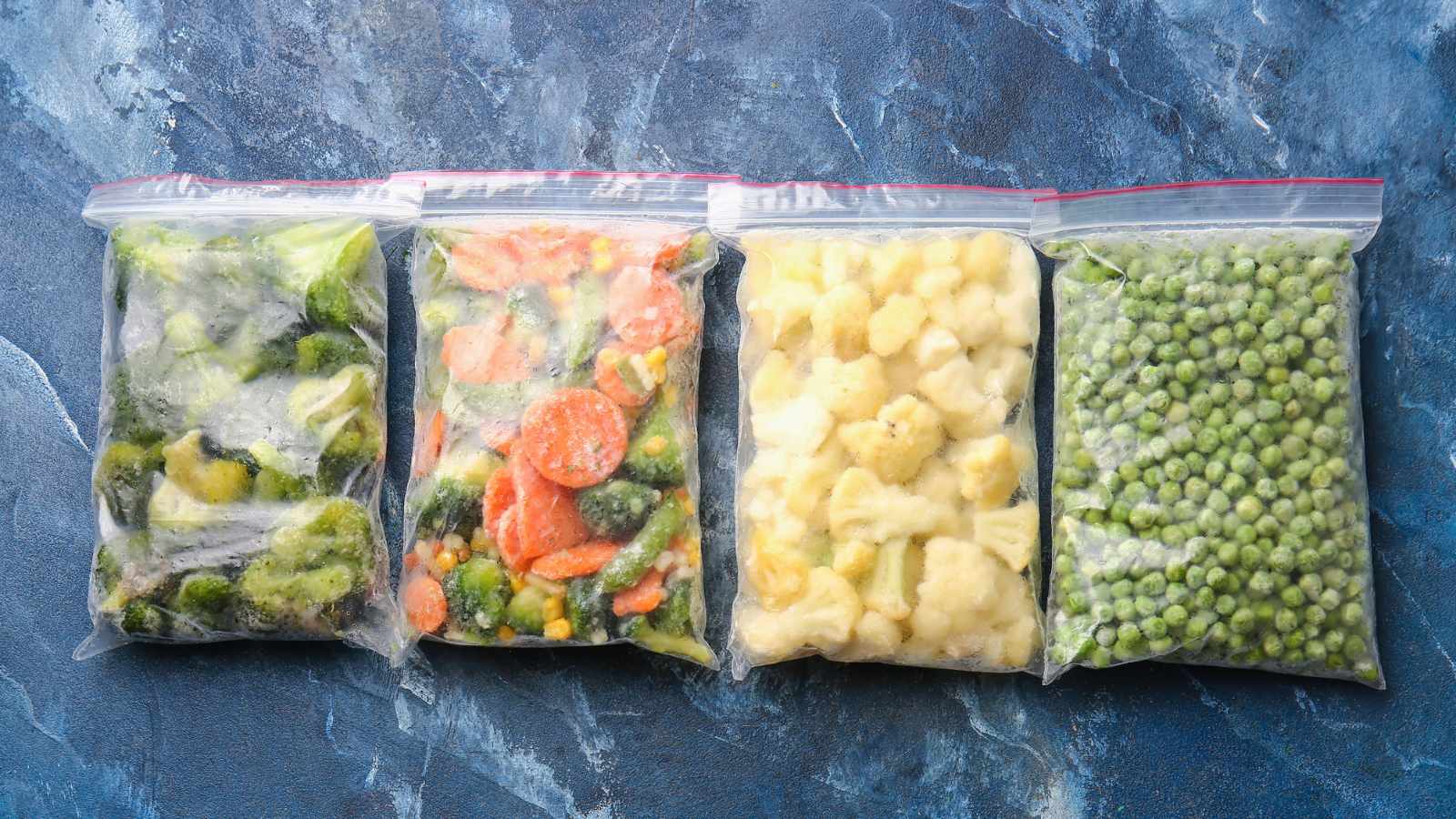
Frozen meals often symbolize dietary surrender, but clinical nutrition practice tells a more nuanced story. Surveys from the Academy of Nutrition and Dietetics show that many registered dietitians routinely include frozen entrees in structured meal plans.
When a frozen meal includes vegetables, whole grains, and moderate calories, it frequently represents an improvement over fast food or skipped meals. In the context of real lives, this substitution can meaningfully improve diet quality and metabolic health.
Key Takeaway

Ultra-processed foods dominate modern diets, but some can still pull their weight nutritionally when chosen carefully and eaten in reasonable portions.
Disclaimer – This list is solely the author’s opinion based on research and publicly available information. It is not intended to be professional advice.
Like our content? Be sure to follow us





