

Winter turns ordinary driving shortcuts into potential violations. A quick scrape of the windshield, a drive behind a slow snowplow or a set of studded tires left on a few weeks too long can all end with flashing lights in the rearview mirror, depending on the state.
Rules vary widely from one state line to the next, and many drivers only learn about them after a ticket. Here are 8 winter driving habits that can draw a citation in specific states, along with the fines and details that state agencies and news outlets have reported.
Cold-weather road trips also bring other costs worth planning for, from tips on how to save money on gas to this list of cities that have the most car accidents. Families shopping for a dependable winter ride may want to compare the best used family cars with minimal maintenance cost.
1. Leaving a Layer of Snow on the Roof
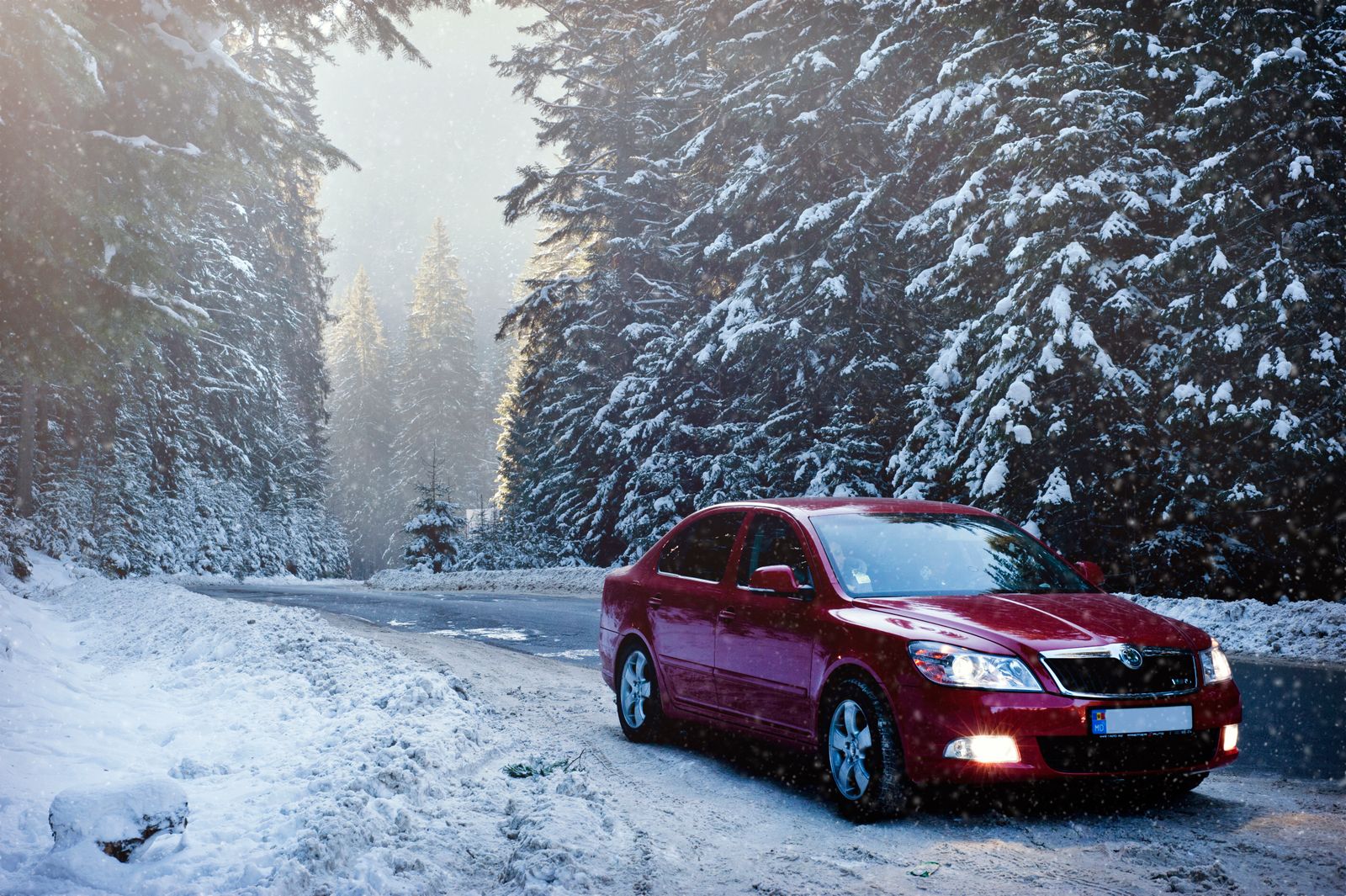
A roof full of snow can slide onto the windshield at the first stop or blow into the car behind. Several Northeast states treat that as a violation. Jalopnik’s rundown of states that fine drivers for snow on their cars notes that New Hampshire’s Jessica’s Law carries a fine of at least $250, while Pennsylvania’s Christine’s Law expects vehicles to be cleared within 24 hours after a storm ends.
In New Jersey, the law requires drivers to remove snow and ice from all exposed surfaces before heading out. CBS Philadelphia has reported that Pennsylvania and New Jersey drivers can be fined up to $75 in New Jersey just for an uncleared car, with penalties reaching $1,000 in both states if flying snow or ice causes damage or injury. FindLaw adds that Connecticut and Rhode Island also expect drivers to take reasonable steps to clear the entire vehicle.
2. Peephole Driving Through a Frosted Windshield
Scraping a small window in the frost and hoping for the best is a habit that can break clear-vision laws. FindLaw’s explainer on whether it is legal to drive with snow on a car roof points out that Minnesota has no specific snow-removal law but does require drivers to see clearly through the windshield and side windows. Jalopnik lists Illinois, Alaska, Georgia, Wisconsin, Massachusetts and Kansas among the states that rely on obstruction statutes to cover snow and ice on glass.
3. Running the Wipers With the Headlights Off
When sleet or snow is heavy enough to need wipers, many states also want headlights on. Jalopnik counts 23 states that tie the two together, including California, Illinois, Massachusetts, New Jersey, New York, North Carolina, Ohio, Pennsylvania and Virginia. Its guide to states where wipers without headlights is illegal notes that New York specifically requires low beams in wet weather and does not accept daytime running lights as a substitute.
4. Letting Snow or a Cover Hide the License Plate
A plate caked with snow, slush or road grime is easy to overlook. In Washington, a plate law with a $237 ticket took full effect on Jan. 1, 2025. The Spokane Police Department’s winter driving reminders explained that plates must stay clean, uncovered and readable at all times, and urged drivers to clear frost and snow from plates, windows and lights.
5. Tailgating a Working Snowplow
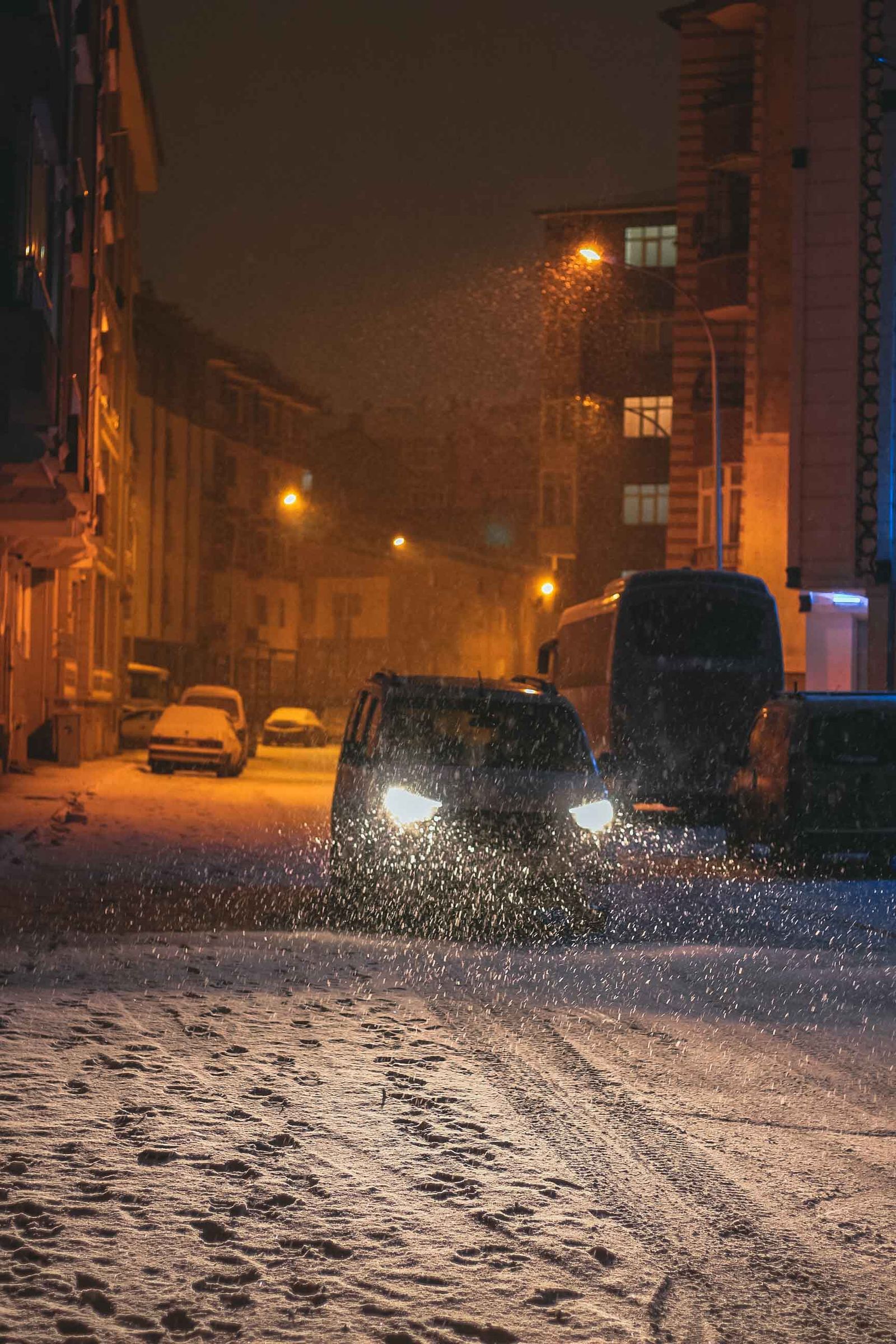
Following a plow closely can feel like the safest path on an unplowed road, but two Midwest states set a minimum distance. Wisconsin bars drivers from following a working snowplow within 200 feet on roads posted at 35 mph or higher, with a $175 fine and 3 demerit points, according to a Wisconsin Department of Transportation notice. Bridge Michigan reported that Michigan adopted a similar 200-foot rule in 2024, with fines of up to $100.
6. Passing a Plow on the Right
Michigan State Police state plainly that it is illegal in Michigan to pass a snowplow on the right. Their page on driving safely near snowplows also reminds drivers that plows count under the Move Over law. When a plow is stopped on the shoulder, drivers must slow to at least 10 mph below the limit and move over when it is safe to do so.
7. Heading Into Colorado’s Mountains on Worn Tires
Colorado’s Traction Law applies on the I-70 mountain corridor between Dotsero and Morrison from Sept. 1 through May 31, and the state can activate it on other highways during storms. The Colorado Department of Transportation says tires need at least 3/16-inch tread and a winter, all-weather or mud-and-snow rating. Vehicles that fall short need chains or another approved traction device. CDOT’s announcement of new Traction Law requirements lists a $50 fine plus a $17 surcharge for not complying.
8. Keeping Studded Tires on Too Long
Studded tires grip icy roads well, but they also chew up pavement, so some states limit when they can be used. In Washington, studs are legal from Nov. 1 to March 31, and drivers who keep them on after that face a $137 fine. The Washington State Department of Transportation’s studded tire deadline reminder estimates that studs cause $20 million to $29 million in damage to state-owned roads each winter, and notes that Oregon shares the March 31 cutoff.
Before the Next Storm
Most of these tickets come down to a few extra minutes in the driveway: brushing off the whole car, clearing every window and the plate, switching on the headlights and giving plows plenty of room. Plenty of habits that once seemed normal behind the wheel have changed, as this list of old-school driving tips banned today shows, and so have the ways people handle cold weather, as seen in these common winter habits from the 70s that feel out of place today.
Because rules change and differ by state, drivers heading across state lines this winter should check the transportation department or state police website for each place on the route.
This article was written with the help of AI tools and checked against the sources linked above.




