

When the first real snow of the season falls, many dogs head for the warmest spot on the couch. A few breeds do the opposite. They plant themselves by the door, wait for a walk and then roll happily through drifts that would send most people back inside.
Those dogs did not pick up their love of cold weather by accident. Most were developed in the Arctic, the Alps or northern mountains, where thick coats and sturdy builds were a matter of survival. Here are 9 dog breeds that love winter the most, along with the history that explains why.
Plenty of these breeds also show up on lists of the best dog breeds that make excellent best friends, although a few popular beliefs about cold-weather dogs deserve a second look, much like the common “facts” about dogs that are actually false. Owners who take them on long snowy walks often start by picking out one of the best dog harnesses of 2026 for every budget, since many of these dogs were bred to pull.
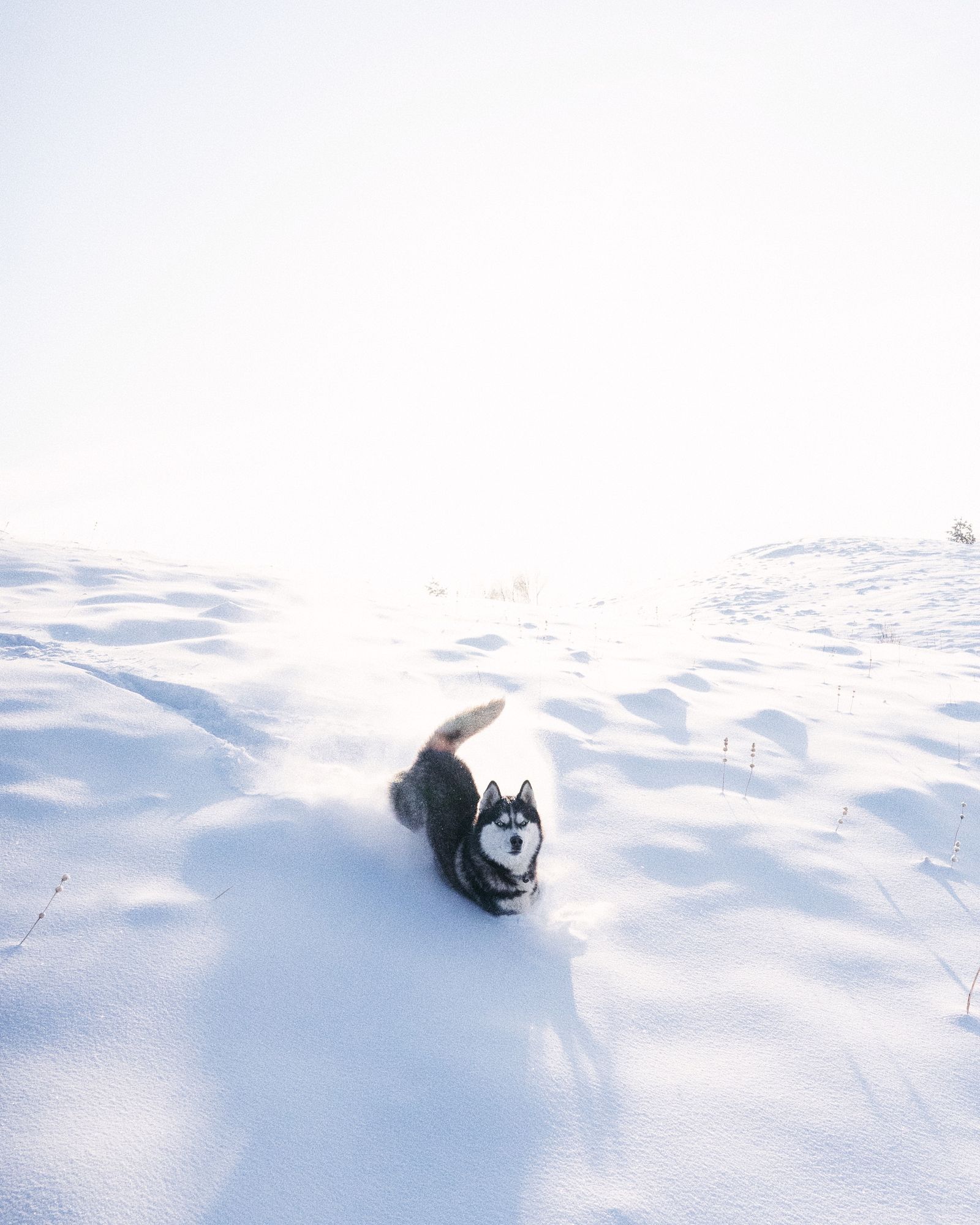
1. Siberian Husky
The Siberian Husky was developed by the Chukchi people of eastern Siberia to pull sleds and keep them company. According to the Siberian Husky breed history, its thick double coat combines a dense undercoat with a longer outer layer, and the breed can withstand temperatures as low as −58 to −76 °F. Huskies became famous in 1925 when sled teams relayed medicine about 600 miles to the icebound town of Nome, Alaska, with the lead dog Togo covering the longest stretch.
2. Alaskan Malamute
Where the husky is built for speed, the Alaskan Malamute is built for power. The Alaskan Malamute profile explains that the breed was likely developed by the Malimiut Inupiaq people of the Norton Sound region to haul heavy freight. Its woolly, oily undercoat can be up to two inches thick, and in 2010 it was named the official state dog of Alaska.
3. Samoyed
The fluffy white Samoyed comes from Siberia, where it herded reindeer, hunted and pulled sleds for the Samoyedic peoples it is named after. A coarse topcoat repels dirt while a dense, soft undercoat traps warmth. Samoyeds even traveled on polar expeditions, and Carsten Borchgrevink brought 90 of them on the Southern Cross Expedition of 1898 to 1900, as recorded in the Samoyed breed history.
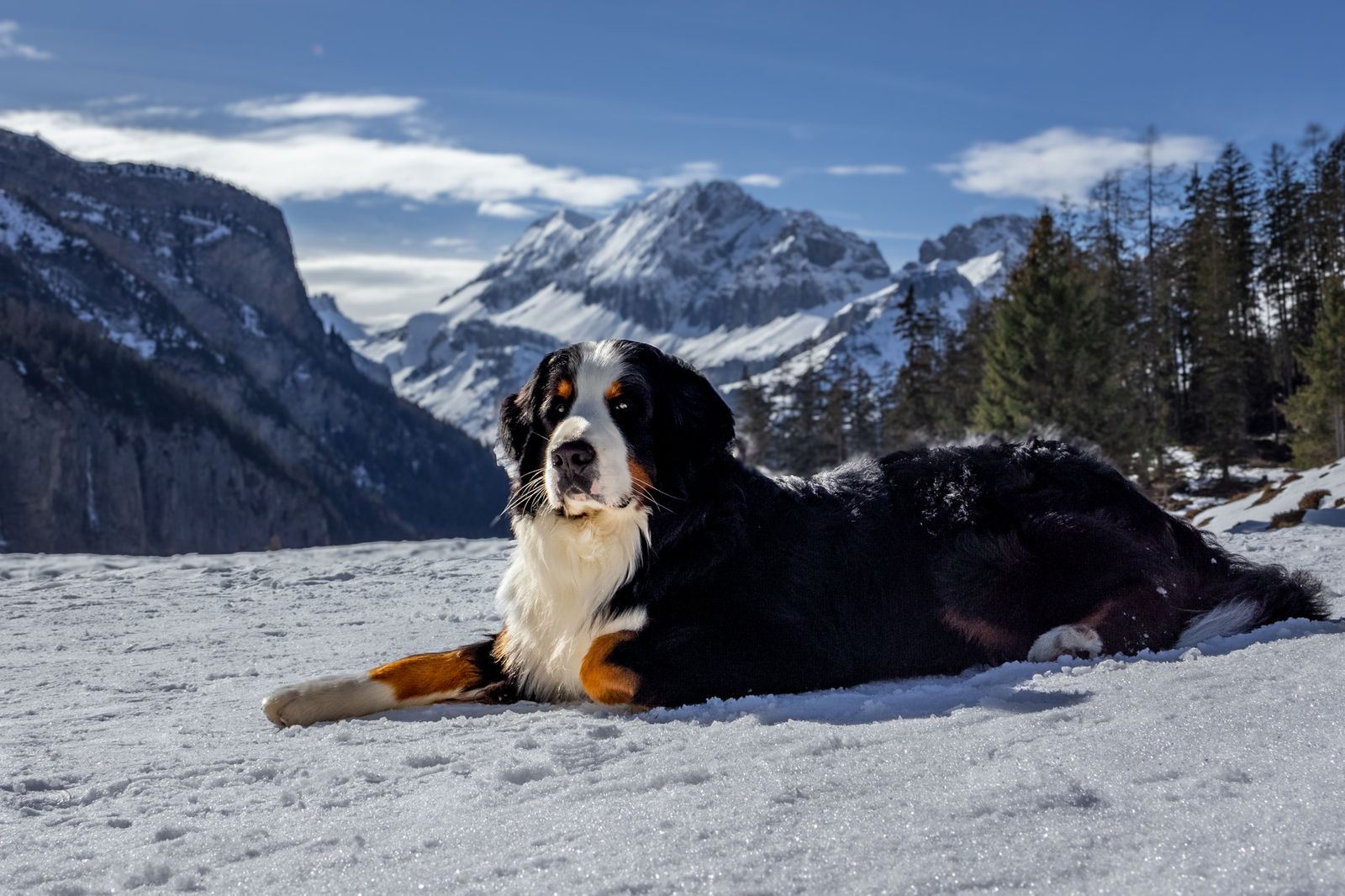
4. Bernese Mountain Dog
From the canton of Bern in Switzerland, the Bernese Mountain Dog spent centuries as an all-purpose Alpine farm dog. It guarded property, moved dairy cattle up to mountain pastures and pulled carts of milk and cheese, which earned it the nickname “Cheese Dogs.” Its long, tricolor double coat suits the cold, and the calm, strong breed still takes part in carting and drafting events today.
5. Saint Bernard
Few breeds are linked to snow as closely as the Saint Bernard. The Saint Bernard breed history traces the dogs to the hospice on the Great St Bernard Pass between Italy and Switzerland, which acquired its first dogs between 1660 and 1670. The most famous, Barry, is reported to have saved between 40 and 100 travelers, and the last recorded Alpine rescue by the hospice dogs took place in 1955.
6. Newfoundland
The Newfoundland was bred by fishermen on the island of Newfoundland in Canada, and it is as comfortable in icy water as it is in snow. Its double coat pairs a soft, dense undercoat with a coarse, oily outer layer that sheds water, and its webbed paws and big lungs make it a powerful swimmer. The Newfoundland breed profile notes that it is also the provincial mammal of Newfoundland.
7. Great Pyrenees
For centuries, shepherds in the Pyrenees mountains relied on this large white dog to guard flocks from wolves and bears. Its long, thick double coat was made for mountain weather, and the breed is known for double dewclaws on its hind legs. Today the Great Pyrenees still works as a livestock guardian in the French Alps, the Pyrenees and the U.S., where it protects herds from coyotes and bears.
8. Akita
The Akita comes from the mountains of northern Japan, in the Tōhoku region and Akita Prefecture. It descends from hunting dogs that tracked large game through snow-covered terrain, and it carries a short, thick double coat typical of northern spitz breeds. The breed is also famous for Hachikō, an Akita whose loyalty at Tokyo’s Shibuya Station made him a national symbol, and in 1931 the Akita became Japan’s first dog breed designated a natural monument.
9. Norwegian Elkhound
Known as the national dog of Norway, the Norwegian Elkhound is a sturdy spitz-type hunter that tracked elk and held them at bay by barking until hunters arrived. Its dense undercoat sits beneath a coarse, black-tipped guard coat, giving it the silvery gray look that suits a Scandinavian forest in winter.
Any of these breeds is a long-term commitment, and it helps to plan ahead with resources on annual pet ownership costs for dogs and cats. Active, curious dogs of any breed also make a guide on how to find a lost dog or cat and prevent future escapes worth bookmarking.
Built for the Cold
These 9 breeds share a few traits: dense double coats, strong frames and a long history of working outdoors in harsh climates. That background explains why so many of them seem happiest when the temperature drops.
Even winter-loving dogs still need shelter, fresh water and sensible limits in extreme weather, and the thick coats that keep them warm also mean plenty of brushing during shedding season. For households that welcome snowy walks, though, few companions match their enthusiasm.
This article was written with the help of AI tools and checked against the sources linked above.




