In an era of financial strain, it’s easy to forget that we’re living through the greatest period of everyday abundance in human history.
Modern life often feels like a relentless cycle of financial pressure, where every new bill tightens the grip a little more. It is easy to get lost in thoughts of what we lack and overlook the everyday abundance already within reach. Take this as a pause, a reminder to breathe and appreciate the quiet luxury that is built into your daily routine.
The greatest revolution in human history has not been romance or politics, but mass production. It transformed what was once rare and unattainable into everyday comforts, offering a humbling perspective on how far ordinary life has come.
Penicillin

In the 1930s, if you contracted a bacterial infection, you faced a serious risk, as there was no readily available, affordable health solution. When penicillin was first mass-produced for the war effort, it was still a precious commodity rationed for the most severe cases.
Now, this foundational antibiotic is incredibly cheap, having saved millions of lives globally. It has made the once deadly common infection an easily treatable reality.
Aluminum

Picture this: in the 1850s, aluminum was so pricey it was considered more valuable than gold or silver. Napoleon III once hosted a banquet where the most honored guests were given aluminum cutlery, while the rest were stuck with mere silver forks. The metal was a beauty of rare chemistry.
Today, we discard aluminum soda cans without a second thought, and the average price of a ton of aluminum is around $2,800, a dizzying drop from its early value. This massive shift in value is largely due to the discovery of the Hall–Héroult process in 1886, which finally enabled the production of cheap, large-scale aluminum.
Artificial Light

Before the electric lightbulb, every hour past sunset required burning something: tallow, oil, or gas. Extending the day’s activity was an astronomical expense, directly impacting every household’s finances. The wealthy could party all night, but the poor went to bed when the sun did.
Economic historians have demonstrated a staggering fact: the price of artificial light has fallen by more than 99.9% since the 1300s, according to research by Fouquet and Pearson. This incredible technological jump not only provided better eyesight and health, but it also literally stretched the day, giving everyone more time for leisure or study.
Sugar

Sugar was once the gold standard of luxury, so difficult to refine and transport that only the rich could afford it. Serving a tiny sugared cake was the ultimate status symbol, a sweet display of beauty at any grand dinner party.
Sugar was one of the major drivers of colonialism and the establishment of travel routes, as demand was insatiable. Although the price of a raw sugar future still fluctuates, refined sugar futures settled at $ 401.80 per tonne in a recent 2025 analysis, a price point that makes it universally accessible for your morning breakfast.
Personal Computing

The first computers were massive, room-sized beasts that cost millions and required dedicated teams to operate. Even in the 1980s, a personal computer loaded with what was then a large amount of memory could cost several thousand dollars, a real strain on any family’s budget.
Today, you hold more computing power in your hand than the combined technology that put a man on the moon. From December 1997 to August 2015, the Consumer Price Index for personal computers declined by a staggering 96 percent, according to the Bureau of Labor Statistics. This is the ultimate example of technology’s democratization.
Spices

For thousands of years, the world revolved around spices. A sack of pepper could pay a soldier’s annual wage, and the search for nutmeg and cloves launched ships across dangerous oceans. Spices were the ultimate form of investment and money for any aspiring travel trader.
Now, a bottle of cinnamon or pepper is a few dollars and sits in your cabinet, ready for your Thanksgiving pie recipe. This accessibility is a freedom our ancestors could not have imagined.
Save this article
Refrigeration

Before mechanical refrigeration, keeping food fresh meant costly daily trips to the market or buying expensive ice delivered to your home. Wasting food was a daily reality for most, and the ability to preserve perishables was a tremendous economic burden.
The household refrigerator transformed the family lifestyle. It allows families to buy in bulk, plan more effectively, and minimize waste. The ability to safely store raw ingredients, such as meat and dairy, has had a profound impact on public health, enabling people to maintain a consistent and varied diet without risk of spoilage.
Air Travel

Decades ago, flying was an experience reserved for the wealthy, one that involved suits, ties, and champagne service. A simple travel ticket was a significant drain on the family’s finances, often requiring months of careful budgeting.
While flying still costs money, it is incomparably cheaper relative to average income than it was in its infancy. Democratization means that a weekend trip to the beach is now a plausible reality for a modest family. This ability to see the world provides immense inspiration and a break from the everyday.
Chocolate

Once called “Theobroma,” meaning “food of the gods,” chocolate was reserved for ancient elites and later, European royalty. The intense labor, complex processing, and rarity of the cocoa bean made a simple square a significant display of wealth and financial power.
Today, a basic chocolate bar is an impulse buy at the grocery store checkout. While cocoa prices still see market spikes, access is at a historic low. This democratization means we can enjoy this once-elite treat without worrying.
Key Takeaway

The quiet luxury of modern life, delivered by mass production and technology, means that the average person today enjoys a level of daily material comfort, health, and convenience (from instant global communication to cheap, life-saving medicine) that was unavailable to the wealthiest elites just a century ago.
Disclaimer: This list is solely the author’s opinion based on research and publicly available information. It is not intended to be professional advice.
Disclosure: This article was developed with the assistance of AI and was subsequently reviewed, revised, and approved by our editorial team.
12 Laws And Rules About Food In Other Countries

12 Laws And Rules About Food In Other Countries
Food is more than just nourishment; it’s a reflection of culture, tradition, and, in many cases, the law. Around the world, various countries have established distinct food regulations that may surprise travelers and food enthusiasts alike.
These laws reveal how deeply societies value what ends up on their plates. Here are 12 fascinating food laws and rules from around the globe that show just how diverse and sometimes unexpected our relationship with food can be.
16 Grocery Staples to Stock Up On Before Prices Spike Again
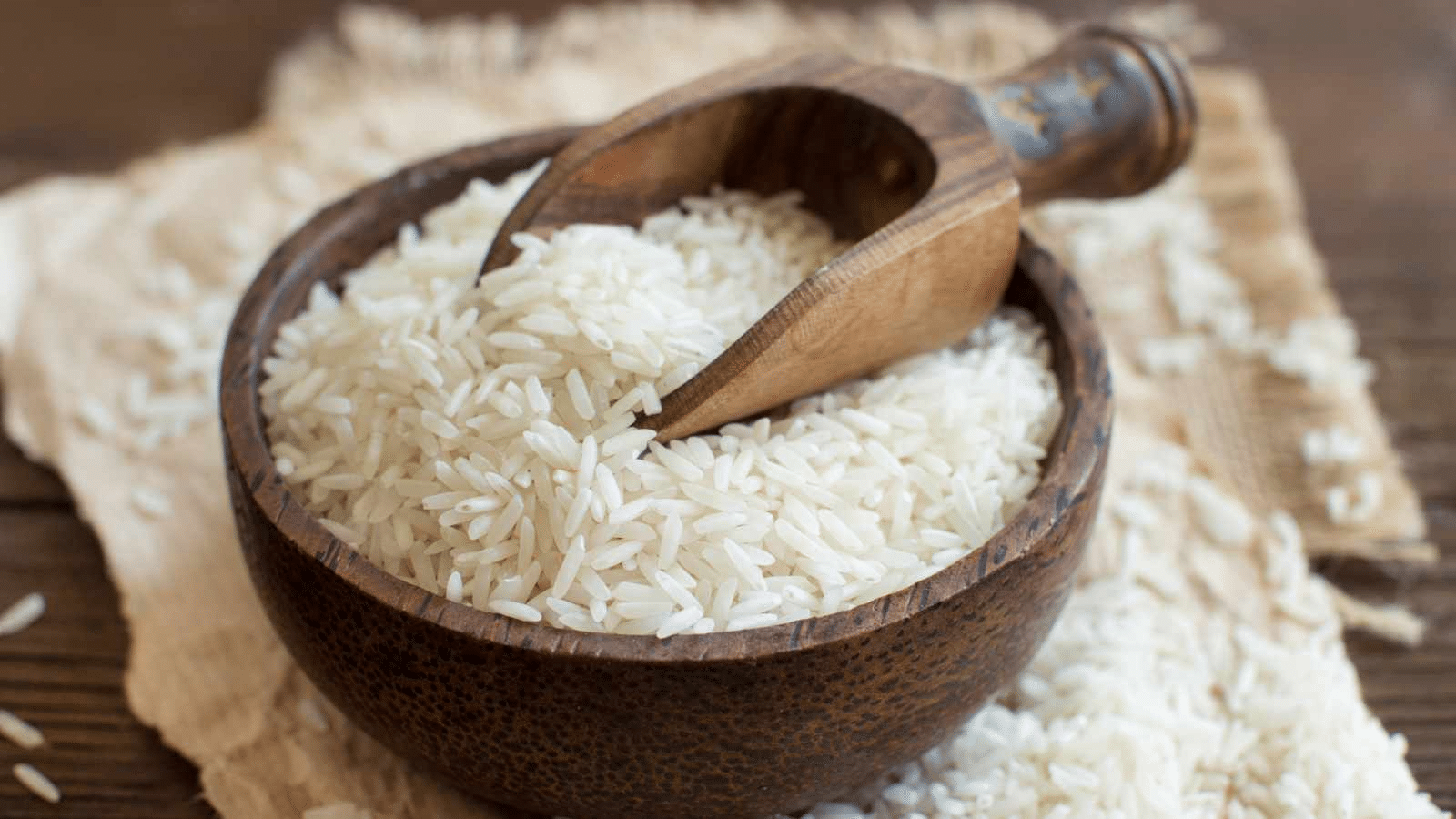
16 Grocery Staples to Stock Up On Before Prices Spike Again
I was in the grocery store the other day, and it hit me—I’m buying the same things I always do, but my bill just keeps getting higher. Like, I swear I just blinked, and suddenly eggs are a luxury item. What’s going on?
Inflation, supply-chain delays, and erratic weather conditions have modestly (or, let’s face it, dramatically) pushed the prices of staples ever higher. The USDA reports that food prices climbed an additional 2.9% year over year in May 2025—and that’s after the inflation storm of 2022–2023.
So, if you’ve got room in a pantry, freezer, or even a couple of extra shelves, now might be a good moment to stock up on these staple groceries—before the prices rise later.