

Most people picture breaking the law as something dramatic. In reality, plenty of ordinary habits, from glancing at a phone at a red light to letting a balloon drift away at a party, are covered by state rules that many residents have never read.
Laws differ from one state line to the next, and they change often. Car rules in particular keep evolving alongside the gadgets packed into modern dashboards, a trend that shows up in a FrenzHub list of the top 10 useless or annoying modern car features.
Here are 9 everyday things that can break the law in a surprising number of places.
1. Holding a Phone While Driving
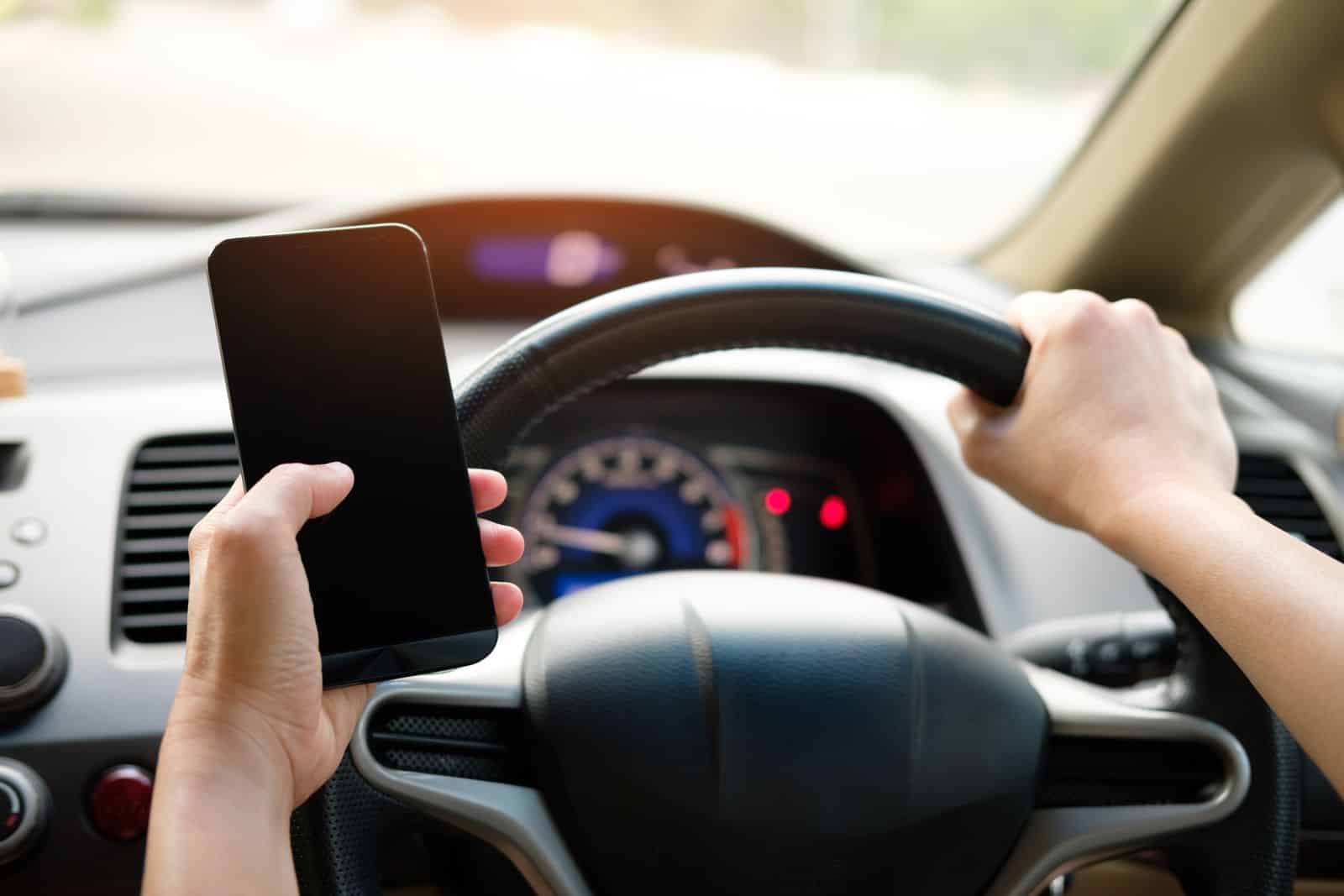
Texting behind the wheel is widely understood to be off-limits, and the Governors Highway Safety Association reports that 49 states and D.C. ban text messaging for all drivers. What surprises many motorists is that simply holding the phone can be a violation too. According to the GHSA’s distracted driving summary, 33 states and D.C. prohibit all drivers from using a hand-held cellphone while driving. That can include holding it to check directions or answer a quick call. Traffic safety is a bigger topic than any single rule, as a FrenzHub piece on 15 cities that have the most car accidents shows.
2. Wearing Headphones in Both Ears Behind the Wheel
Earbuds feel harmless, but several states restrict them for drivers. A FindLaw overview of headphone driving laws lists California, Alaska, Illinois, Louisiana, Maryland, Minnesota, Rhode Island, Virginia and Washington among the states with bans. Others carve out exceptions. New York and Ohio allow a headphone in one ear, while Florida, Colorado, Georgia and Pennsylvania permit a single earpiece for phone calls. Massachusetts allows headphones only for GPS navigation. FindLaw notes that its summary was last updated in January 2023, so drivers should confirm current rules before a long road trip.
3. Cruising in the Left Lane
Lingering in the passing lane annoys other drivers, and in many states it can also bring a ticket. A summary of passing lane rules on Wikipedia notes that Maine, Massachusetts, Missouri, Montana, New Jersey and Washington generally require drivers to stay right except when passing, turning or exiting. Colorado has a specific “Left Lane Law” for roads where the limit is 65 mph or more. In Massachusetts, New Jersey, Illinois, Pennsylvania and other states, failing to yield to faster traffic or obstructing the passing lane is against the rules. The common thread is simple: the left lane is meant for overtaking.
4. Leaving a Pet in a Parked Car in Dangerous Conditions
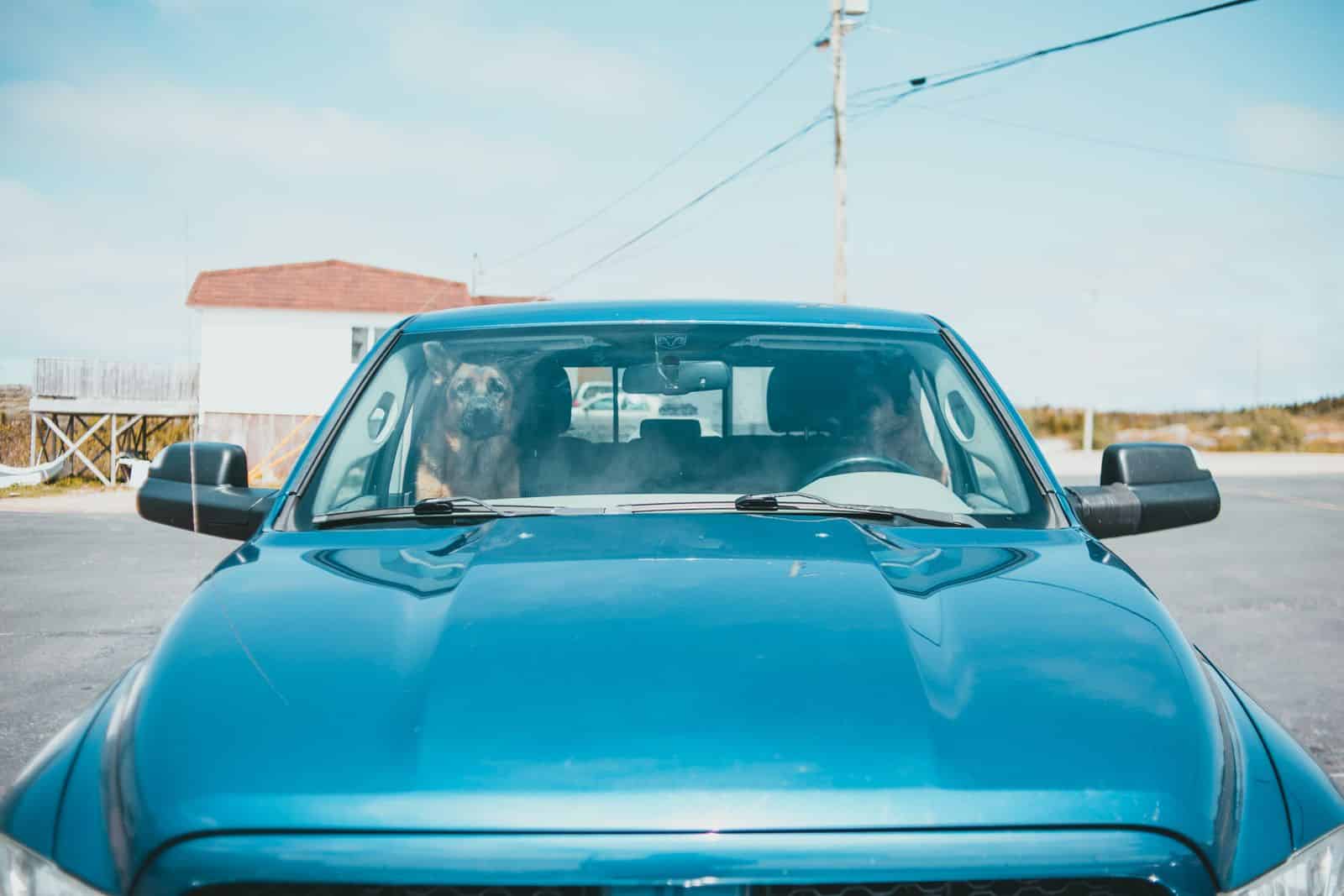
A quick errand with the dog waiting in the car can turn into a legal problem. The Animal Legal and Historical Center at Michigan State University counts 32 states with laws addressing animals left in parked vehicles. These laws generally target conditions such as extreme heat or cold, poor ventilation or a lack of water. About 14 states, including Arizona, California and Florida, let ordinary bystanders rescue a distressed animal after taking steps like calling 911. Penalties range from civil fines to misdemeanors. Pet owners stocking up on travel gear might browse a FrenzHub guide to 12 affordable pet essentials every pet parent needs.
5. Releasing Balloons Outdoors
Balloon releases at weddings, memorials and graduations were once a common tradition. Now a growing list of states treats them as litter. Reporting from WLOS in June 2026 said Louisiana became the 12th state with restrictions or bans on intentional balloon releases, joining California, Connecticut, Delaware, Florida, Hawaii, Maine, Maryland, Rhode Island, Tennessee, Virginia and Nevada. Louisiana’s first offense carries a $500 fine plus eight hours of litter cleanup, and repeat offenses can climb to $2,500. Accidental and indoor releases are not covered by that law.
6. Recording a Phone Call Without Everyone’s Consent
Hitting record on a call may feel routine, but in some states every participant has to agree first. Most states follow a one-party consent rule, meaning a person who is part of the conversation can record it. A Justia 50-state survey of recording laws lists California, Florida, Illinois, Maryland, Massachusetts, Michigan, Montana, Nevada, New Hampshire, Pennsylvania and Washington among the states that generally require all parties to consent, with some nuances. Justia also notes that penalties can be serious and that calls crossing state lines make the rules more complicated.
7. Hauling Firewood a Long Distance
Bringing a load of logs from home to a campground sounds thrifty. Forestry officials worry it can spread invasive insects. New York’s Department of Environmental Conservation says untreated firewood cannot travel more than 50 miles from its source, and untreated wood cannot enter the state from elsewhere. Violations can bring a $250 fine. Maine’s firewood rules restrict out-of-state wood unless it carries a certificate of approved heat treatment, with civil fines of $100 to $1,000 per day. Buying wood near the campsite avoids the issue.
8. Taking Live Shells Home From the Beach
Beachcombing is a favorite vacation pastime, yet the shell matters. In Florida, collectors are expected to consider whether a shell still holds a living animal. FOX 13 Tampa Bay reported that Lee County bars taking shells with live organisms, aside from a few species such as oysters and coquinas. Manatee County limits collectors to 2 live shells of any single species per day, and sand dollars and starfish count toward that limit. Harvesting any Bahama starfish is banned, and possessing a live queen conch is prohibited too. Empty shells are generally the safe choice.
9. Crossing the Street Mid-Block
Jaywalking rules vary widely, and penalties depend on the state, county or city. A summary of jaywalking laws notes that a sample of U.S. cities showed fines ranging from $1 to $1,000. California has moved in the other direction. Its Freedom to Walk Act took effect on Jan. 1, 2023, and stops police from ticketing pedestrians for safe mid-block crossings unless there is an immediate danger of a collision. Many other places still expect walkers to use crosswalks, so a shortcut across a busy street can come with a citation.
Why These Rules Catch So Many People Off Guard
Most of these laws exist for practical reasons, such as keeping drivers focused, protecting animals and wildlife, reducing litter or preserving privacy. The trouble is that they rarely make headlines until someone receives a ticket. Rules also shift as technology and habits change, much like the advice covered in a FODMAP Everyday look at 12 old-school driving tips banned today.
Pet owners weighing the bigger picture of care may also find value in a FODMAP Everyday breakdown of annual pet ownership costs for dogs and cats. Before a road trip, a beach vacation or a backyard celebration, a quick check of local rules can prevent a costly surprise.
This article was written with the help of AI tools and checked against the sources linked above.




