

Plenty of people assume that once a bank balance crosses seven figures, every price tag stops mattering. Many self-made millionaires describe the opposite. The habits that built their wealth tend to stick around, and several of them say the purchases that look most impressive are often the ones that deliver the least.
Some of these lessons came from expensive mistakes, while others are rules they followed long before the money arrived. Here are 9 purchases millionaires say are not worth it, from a $1.5 million watch to the coffee sold at airport gates.
The list echoes advice that has circulated for years, including the things Warren Buffett says poor people waste money on. It also lines up with many everyday clever frugal living tips, and with the way many wealthy households still eat simply, as shown in a roundup of poor people foods that even the wealthy eat.
1. A Luxury Watch Bought as a Trophy
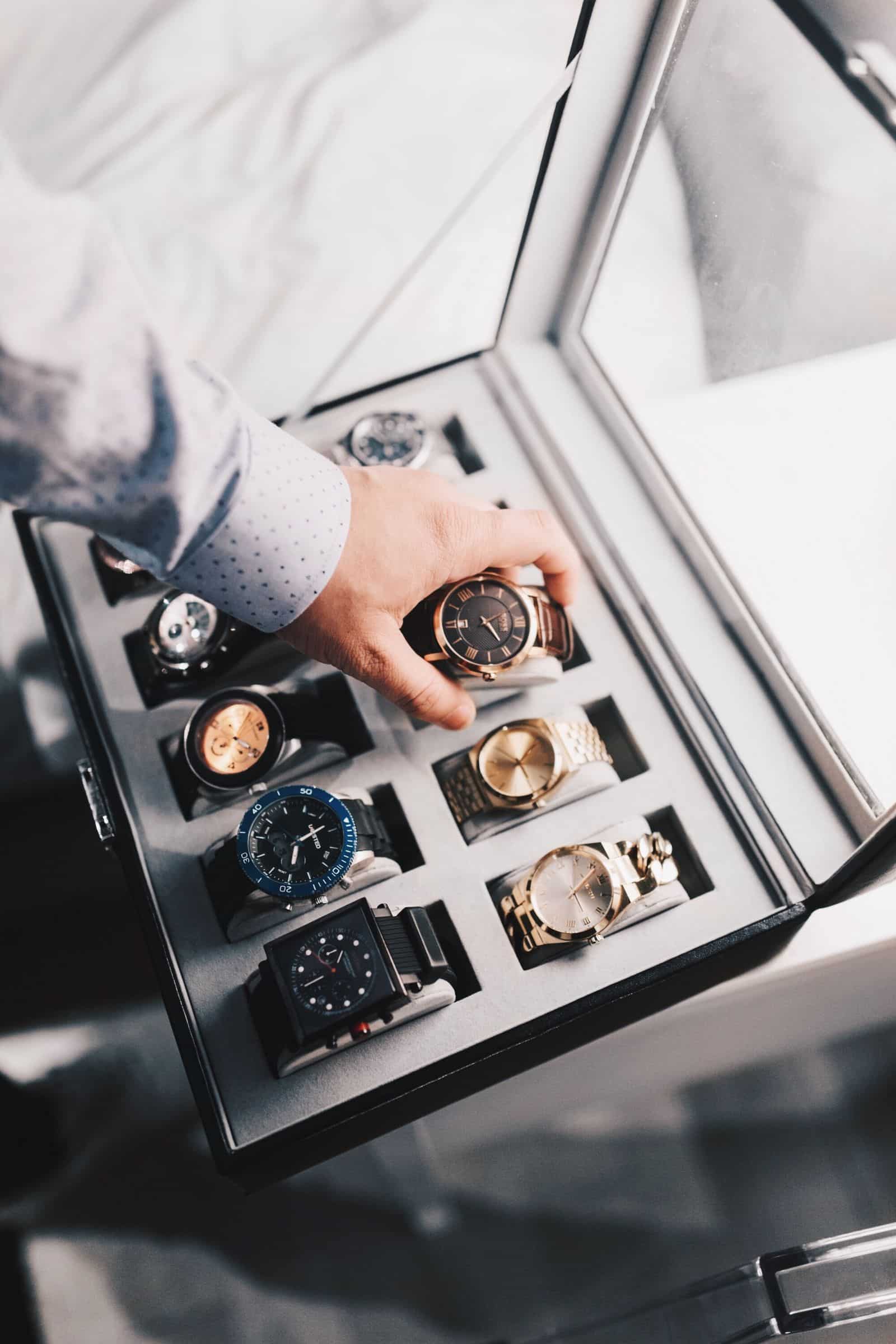
Daniel Meursing, chief financial officer of Los Angeles staffing agency Premier Staff, told MoneyLion about the one luxury item he regrets buying: a limited-edition Patek Philippe watch that cost $1.5 million. He justified it as an investment and a future heirloom, but insurance, servicing and security added ongoing costs, and he worried so much about scratching it that it often sat in a safe while he wore a smartwatch instead.
He sold it after a year and learned that luxury watches can lose value. His takeaway now: “The real luxury in life is the ability to say no.”
2. Extended Warranties on Electronics and Appliances
Steve Adcock, who writes the Millionaire Habits newsletter, skips the extended warranties sold at big-box checkout counters. In a roundup of what 5 self-made millionaires refuse to spend money on, he described these plans as extra profit for the store that buyers rarely end up using. His alternative is to set aside a small amount each month in an emergency fund to cover repairs.
3. Very Expensive Bottles of Wine
CNBC host Jim Cramer, featured in the same roundup, has called a $500 bottle of wine “a waste.” His reasoning is that the money goes to something that will not last, while the same amount could buy two good cashmere sweaters.
4. Designer Workout Clothes
Bernadette Joy, another self-made millionaire in the roundup, avoids designer athleisure. Instead of buying pricey leggings and tops for the gym, she wears free T-shirts collected from conferences and events to her yoga and dance classes. For many shoppers, workout gear is one of the easiest places to spend a lot without noticing.
5. Trendy, Disposable Clothing
Jonathan Sanchez, founder of Parent Portfolio, keeps a small wardrobe of simple, timeless pieces and replaces items only when they wear out, which keeps him away from flashy or throwaway fashion. Author Tom Corley, who interviewed 233 people with at least $3.2 million in net assets, found a similar pattern. According to a Benzinga report on the money traps millionaires avoid, the people he studied tended to skip cheap fashion and inexpensive furniture in favor of durable items that last longer.
6. Bulky Yard and Outdoor Equipment
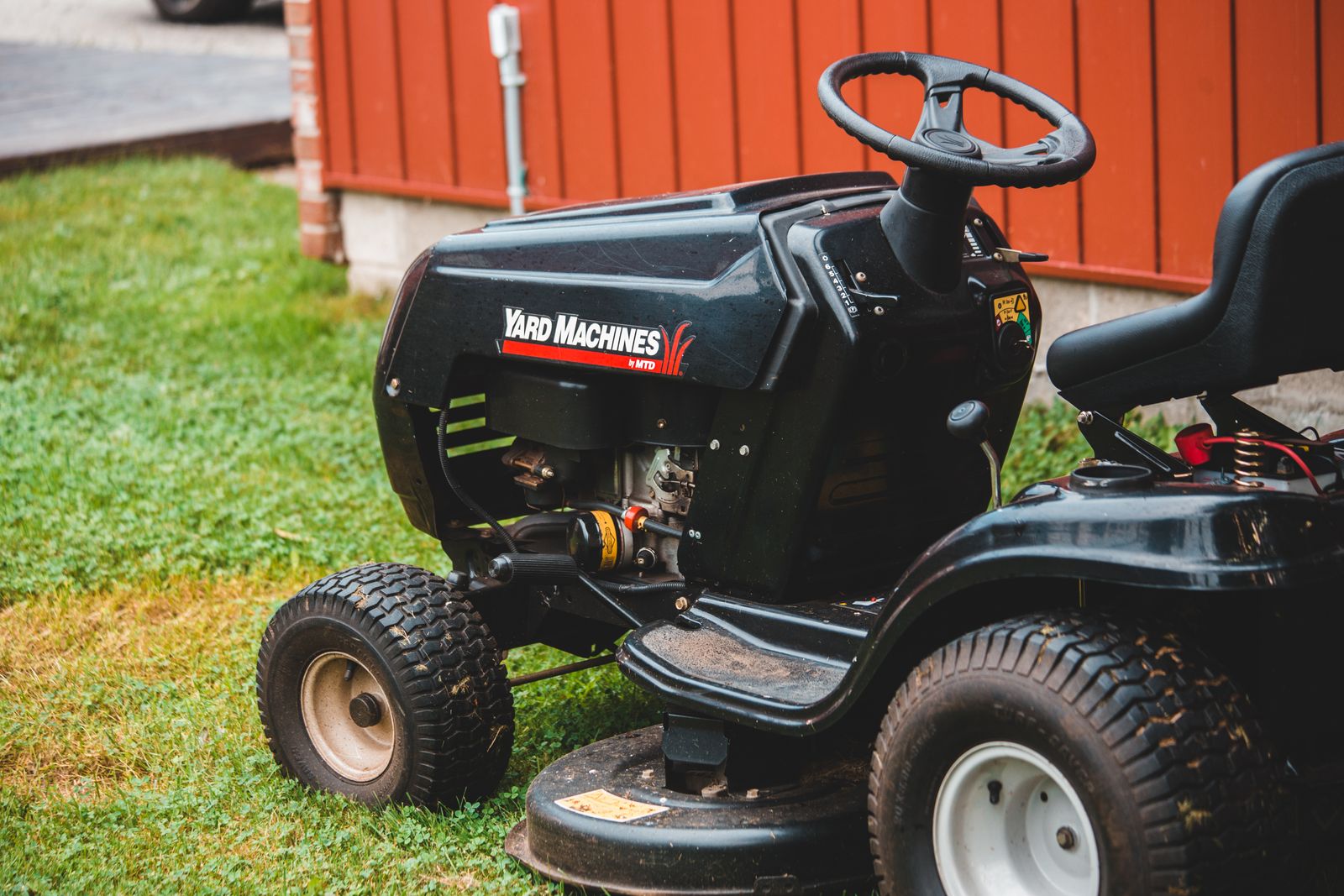
Corley’s interviews turned up another quiet shift: once they could afford it, many of the millionaires stopped buying and storing big outdoor equipment and hired landscaping and property maintenance services instead. The trade freed up garage space and saved them time. The same group often chose to replace a failing roof, appliance or car rather than pay for one costly repair after another.
7. Lottery Tickets
The same Corley research found that most of the millionaires did not get rich by gambling and kept avoiding it after their wealth grew. In a 2019 CNBC piece, Corley described successful people as lacking a “lottery mindset,” the belief that random luck offers a shortcut to instant wealth. A Kiplinger interview on the rich habits of the wealthy adds that everyone in his study saved at least 10% of net income each year before becoming rich, and 95% saved 20% or more. The Benzinga report puts the odds of winning a major U.S. lottery jackpot at about 1 in 176 million. Small, regular ticket purchases can feel harmless, but over years they add up to money that could have been saved or invested.
8. Novelty Souvenirs
David Blain, founder of BlueSky Wealth Advisors, told MoneyLion which vacation purchases he considers a waste of money. High on his list are mugs, magnets, T-shirts and shot glasses, which he said are often marked up and do not hold lasting value. He also passes on fragile items such as glass collectibles or paintings that need special packing or shipping to make it home.
9. In-Flight Extras and Airport Coffee
Blain also skips in-flight Wi-Fi, onboard food and drinks, and airport coffee. “The cost-to-value ratio is usually not in favor,” he said, adding that he prefers to use the flight for reading or planning. These small charges are easy to dismiss one at a time, but on a family trip they can quietly add up.
Spending habits like these often look very different across generations, as seen in the expenses boomers consider a waste of money and the daily expenses broke people overspend on.
The Common Thread
Across these 9 examples, the millionaires are not refusing to spend. They are refusing to pay for things that cost more than they return, whether that return is enjoyment, durability or time. A watch kept in a safe, a garage full of equipment that rarely gets used and a warranty that never gets claimed all fail the same test.
Several of them now put that money toward savings, emergency funds or experiences instead. As Meursing’s watch story shows, the hardest purchases to undo are often the ones made to signal success rather than to enjoy it.
This article was written with the help of AI tools and checked against the sources linked above.




