

Bank tellers spend their days handling other people’s money, and most of them do it with patience and a smile. Still, the same small habits show up at the window again and again, slowing down the line and making a careful job harder than it needs to be.
Tellers have shared those frustrations with outlets such as MyBankTracker and GOBankingRates, and federal rules explain why some requests simply cannot be granted. Knowing how a branch works is part of handling money well, along with basics like those in a FrenzHub guide on how to save money for an emergency fund.
Here are 9 things bank tellers wish customers would stop doing, and what tends to work better.

1. Talking on the Phone at the Window
A phone call at the counter is one of the most common complaints. In a roundup of teller frustrations, MyBankTracker called multitasking on a cellphone the fastest way to wreck a transaction. Tellers need to confirm names, account numbers and amounts, and every question goes unanswered while a customer is half-listening to someone else. The result is repeated questions, longer waits for everyone in line and a higher chance of a mistake. Wrapping up the call before stepping forward keeps the visit quick and accurate.
2. Showing Up Without a Completed Deposit Slip
Filling out paperwork at the window is another habit that drags out a visit. MyBankTracker noted that arriving without a completed deposit slip adds time to every transaction, which becomes a real problem when a line is building behind the counter. Most branches keep blank slips at a side table for exactly this reason. Taking two minutes to fill one out before getting in line, with the account number and check amounts already listed, lets the teller move straight to processing. Credit cards and loans come with their own paperwork, and a FrenzHub explainer on how credit cards work covers the basics.
3. Walking Up Before Being Called
An open window does not always mean a teller is ready. According to MyBankTracker, tellers often have tasks to finish between customers, such as balancing a transaction, filing paperwork or putting cash away. Customers who walk up before being called can interrupt that work and throw off a teller’s focus at exactly the wrong moment. Waiting for a wave or a “next in line” keeps the process orderly. It also helps make sure the previous customer’s money and information are fully secured before the next transaction begins.
4. Pressuring the Teller to Hurry
Nobody enjoys waiting, but pushing a teller to rush usually backfires. MyBankTracker warned that hurrying can lead to serious errors, and a mistake with cash or an account number takes far longer to fix than a careful transaction takes to complete. Tellers often must count cash twice and follow security steps that cannot be skipped. For customers in a real hurry, the outlet pointed out that drive-thru lanes are designed for quick, simple transactions. Anyone working to get debt under control can find more ideas in a FrenzHub list of ways to pay off credit card debt.
5. Dumping Loose Coins on the Counter
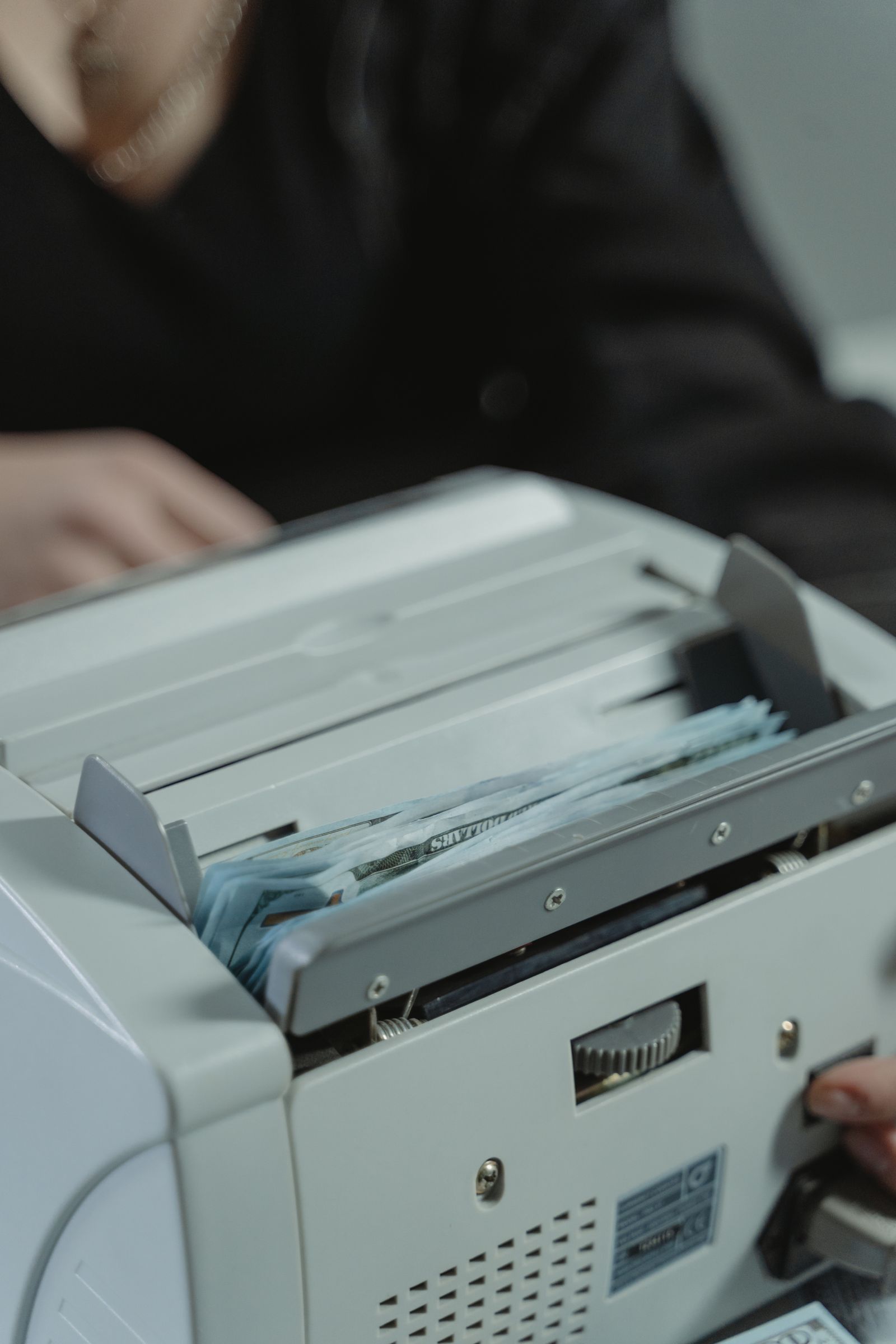
A jar full of loose change can tie up a window for a long time. MyBankTracker reported that tellers should not be expected to count large amounts of coins, especially at branches without coin-counting machines. Rolling coins at home before a visit is the considerate approach, and many banks provide free paper coin wrappers on request. Some branches have their own policies on accepting unrolled coins, so a quick call ahead can save a wasted trip. That small bit of preparation turns a long, awkward wait into a fast deposit.
6. Blaming Tellers for Bank Policies
Check holds, fees and withdrawal limits can be frustrating, but tellers rarely create them. MyBankTracker pointed out that frontline staff usually have no say over policies such as how long a check is held before funds are available. Arguing at the window rarely changes the outcome and slows down service for everyone else. A better route is asking a branch manager or customer service line for an explanation, or reviewing the account agreement. Tellers can often explain why a policy exists, even when they cannot make an exception to it.
7. Asking to Split Cash Deposits to Avoid Paperwork
Some customers ask tellers to break a large cash deposit into smaller pieces to avoid reporting. That request puts tellers in a very difficult spot. A FinCEN pamphlet explains that banks must file a Currency Transaction Report for cash transactions over $10,000 in a day, and federal law requires identifying information when they do. Splitting deposits to dodge that report is called structuring, and the pamphlet says it is a federal crime, even when the money is legitimate. The report itself is routine and is required regardless of the reason for the transaction.
8. Expecting $2 Bills on the Spot
Requests for unusual denominations can also cause headaches. A longtime teller identified as Rachael P. told GOBankingRates that many branches do not stock $2 bills and must special order them. She explained that cash drawers are set up for everyday bills, so odd denominations can complicate end-of-day balancing. She also noted that “most people don’t even know $2 bills exist.” Customers who want them for gifts or tips usually have better luck calling ahead and giving the branch a few days.
9. Coming In for Things an App Could Handle
Many trips to the branch are not necessary at all. Arielle Torres, an assistant branch manager at Addition Financial Credit Union, told GOBankingRates that people often skip features like mobile deposit, transfers and bill pay, which wastes time on branch visits. Mobile deposit has its own rules, too. Community Bank, N.A. advises signing the check, writing “For Mobile Deposit Only” and flattening it before taking photos.
Small Changes That Make Every Visit Easier
None of these habits make someone a bad customer, and tellers know that banking can be stressful. Still, preparing paperwork in advance, putting the phone away, rolling coins and using digital tools for routine tasks can make each trip faster and smoother for everyone in line.
Money habits shape more than a bank visit. A FODMAP Everyday list of expenses boomers consider a waste of money offers another perspective, and a separate piece covers how to avoid financial struggle in retirement by dodging these money traps. A little courtesy at the window, it turns out, tends to come right back across the counter.
This article was written with the help of AI tools and checked against the sources linked above.




