

Cash feels like the simplest thing in the world. A bill goes into a wallet, a coin goes into a jar, and nobody asks questions. Federal law sees it a little differently. A surprising number of rules govern what people can do with paper money and coins, from how they are deposited to whether they can be melted down.
Most of these laws exist to fight counterfeiting, money laundering and smuggling, but several of them can catch ordinary people off guard. Knowing the basics is part of smart money habits, right alongside the steps in a FrenzHub guide on how to save money for an emergency fund. Here are 9 things that are against the law to do with cash in the U.S., based on federal statutes and guidance from the agencies that enforce them.
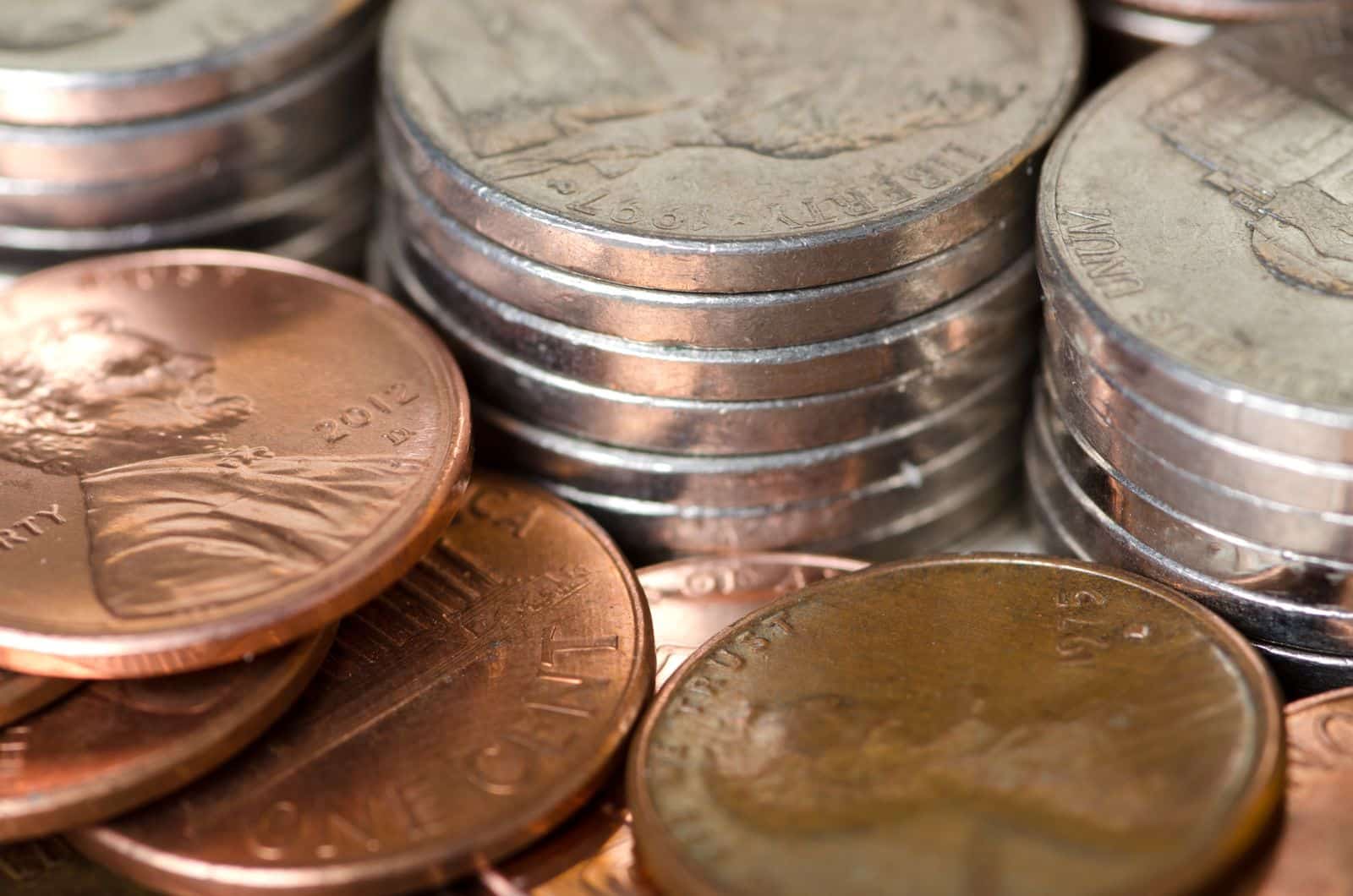
1. Melting Pennies and Nickels for Their Metal
When metal prices climb, the copper and nickel inside everyday change can be worth more than face value. The U.S. Mint moved in 2006 to limit the exportation and melting of coins, and the rule now sits in federal regulations. The exceptions listed in 31 CFR 82.2 show how narrow the legal room is. Turning 1-cent and 5-cent coins into jewelry, novelties or educational items is allowed, as long as the goal is not to profit from the metal. Scrapping a coffee can of nickels for cash is a different story.
Anyone hoping to stretch a budget within the rules may find better ideas in a FrenzHub list of clever frugal living tips.
2. Shipping Large Amounts of Pennies and Nickels Overseas
Coin rules even reach luggage, a detail worth keeping in mind alongside a FrenzHub list of 10 life-saving solo travel tips. The same regulation also limits exporting those two coins. Under the exceptions, a single shipment with a face value of up to $100 can leave the country for circulation or collecting, but never to be sold for melting. A traveler leaving U.S. jurisdiction can carry up to $5 in pennies and nickels, or up to $25 when the purpose is clearly personal collecting, amusement or recreation. Banks, Federal Reserve Banks and foreign central banks have their own carve-outs, and anyone else needs a written license from the Treasury, with applications going to the Director of the Mint.
3. Defacing Bills to Make Them Unfit to Spend
Federal law, in Chapter 17 of Title 18 of the U.S. Code, covers crimes involving coins and currency. Section 333 makes it a crime to mutilate, cut, deface, perforate or glue together Federal Reserve notes and other bank notes with the intent to make them unfit to be reissued. The key word is intent. The penalty is a fine, up to 6 months in prison, or both. A bill that tears by accident is not a crime, but deliberately ruining notes so they can no longer circulate can be.
4. Fraudulently Altering or Shaving Coins
Section 331 of the same chapter targets anyone who fraudulently alters, defaces, mutilates, falsifies or “lightens” coins made by the U.S. Mint, along with foreign coins that are legal tender or circulate in the country. It also covers knowingly possessing, passing or selling coins that have been tampered with this way. Shaving metal off a coin’s edge is an old trick that dates back centuries, and the law still treats it seriously. Violations can bring a fine, up to 5 years in prison, or both.
5. Making Private Money Worth Less Than $1
Businesses and clubs sometimes hand out tokens, but there is a line. Section 336 bars making, issuing, circulating or paying out notes, checks, tokens or other obligations worth less than $1 that are meant to circulate as money or stand in for lawful U.S. currency. Arcade tokens and store credit generally serve a narrow purpose rather than acting as general money. Printing homemade “change” meant to pass around town as a substitute for coins, however, runs into the statute, which carries a fine, up to 6 months in prison, or both.
6. Breaking Up Deposits to Dodge the $10,000 Report
Banks file a report on cash transactions over $10,000, and that is routine. What is illegal is “structuring,” which the IRS manual on structuring describes as splitting cash transactions, at one or more banks and on one or more days, to evade those reporting rules. The deposits do not need to exceed $10,000 at any single bank or on any single day. Under 31 U.S.C. 5324, the IRS notes that structuring is illegal regardless of whether the funds come from legal or illegal activity, so perfectly clean money can still lead to trouble.

7. Crossing the Border With Over $10,000 and Not Reporting It
There is no limit on how much money a traveler can bring into or take out of the country. According to U.S. Customs and Border Protection, the catch is reporting. Amounts over $10,000 must be reported to CBP, either online through the FinCEN 105 currency reporting site or on a paper FinCEN 105 form from a CBP officer. CBP warns that the penalties for not reporting can be severe, and its local news releases regularly describe seizures of unreported cash at airports. Carrying the money is legal, while staying quiet about it is what creates the problem.
8. Taking Over $10,000 in Cash as a Business Without Filing Form 8300
Car dealers, jewelers, real estate brokers, attorneys and other businesses have their own duty. The IRS explains in its guide to reporting large cash transactions that a business receiving more than $10,000 in cash in one transaction or in related transactions must file Form 8300 within 15 days. Related payments include two or more within 24 hours, or a series within 12 months. Cash includes U.S. and foreign currency and, in some cases, cashier’s checks and money orders of $10,000 or less. The business must also send each named customer a written statement by January 31 of the following year.
9. Copying Bills or Knowingly Spending Counterfeits
Pictures of money are everywhere, but there are rules. The U.S. currency image use guidelines say color illustrations must be less than 75% or more than 150% of the real note’s size, show only one side, and have all files destroyed after final use, citing 18 U.S.C. 504. Passing fake money is a bigger problem. The Federal Reserve’s counterfeit FAQ states that knowingly passing counterfeit currency is illegal and that a fake note cannot be exchanged for a real one. Anyone who receives one should contact local police and hand it over.
The Bottom Line
Most people will never come close to breaking these laws. Still, a few of them, especially structuring and border reporting, can trip up people who simply misunderstand how cash rules work. Depositing a large sum all at once, declaring travel cash and keeping coins out of the melting pot are easy ways to stay on the right side of federal law.
For more on money decisions, see these FODMAP Everyday stories on 12 expenses boomers consider a waste of money and how to avoid financial struggle in retirement by dodging these 11 money traps.
This article was written with the help of AI tools and checked against the sources linked above.




