

What passes for “cool” online is quietly draining women’s time, money, and mental energy in real life.
Women often do things that they might think are cool, empowering, or next-level. But cool isn’t always what it seems. Just because something trends for a few weeks or gets hyped by influencers doesn’t mean it holds up in real life.
Some of these things cost money, others cost time, and a few might just cost you your peace. Here are ten things many women hype up as cool, but if we’re being honest, they don’t live up to the hype.
“Clean Girl” Aesthetic
The slicked-back bun, glass skin, and white everything – it looks good on TikTok. But in real life, it’s exhausting to maintain. It’s not minimalism. It’s a full-time performance. Women can spend more than 10 minutes on “no-makeup makeup” routines. That’s a whole lot of time to play pretend.
Over-The-Top Gender Reveal Parties
The pink smoke bombs. The skywriting. The exploding cakes. It’s a lot for something that used to be a private moment shared quietly. A report shows that Americans now spend up to $1,000 on gender reveal parties. That’s huge money. And worse, some of these parties have literally started wildfires.
Having “No Female Friends”
You’ve heard it: “I just get along better with guys.” It’s often said like a flex. But let’s be honest, having no female friends doesn’t make you cooler. It just makes you look isolated. A study shows that women with strong female friendships report higher happiness and lower stress levels. Who wants to miss out on that?
Toxic Positivity
Always smiling. Always grateful. Always posting quotes about healing. While optimism has its place, pretending everything is fine all the time isn’t brave; it’s fake. According to a report, forced positivity can actually increase anxiety and suppress emotional processing. Feel your feelings. That’s cooler.
Calling Everything a “Luxury”
Taking a bubble bath is great. Drinking iced coffee in bed is a great way to start the day. But calling every basic pleasure a form of luxury feels a little desperate. You don’t have to turn self-care into a brand. Just enjoy things for what they are, not for what you label them to make them look cool on Instagram.
Doing the Most for a Man Who’s Doing the Least
Planning elaborate birthdays. Making his friends like you. Being his therapist. It might feel cool to be the girl who “gets him” and “holds him down,” but if he’s giving you crumbs, what are you really flexing? That’s not cute. That’s lopsided.
Bragging About Hustling Nonstop

The girlboss era taught us to glamorize burnout. “I only slept 3 hours.” “I haven’t had a day off in weeks.” That’s not cool; it’s a health risk. A Harvard Business Review study in 2021 found that 42% of women reported stress-related health issues tied to overwork. Rest is power, too.
Fake Deep Captions
Posting a bikini pic with a Rumi quote. A mirror selfie with “she remembered who she was.” It’s confusing. If you’re feeling deep, be deep. If you’re feeling yourself, that’s fine too. But mashing the two together just feels like you’re trying too hard to sound like someone you’re not.
Clubbing as Personality
Going out can be fun. However, if your entire personality revolves around bottle service and party flyers, it becomes repetitive. Nightlife doesn’t automatically mean you’re interesting. If every story starts with “so this one night at the club,” maybe it’s time to switch it up.
Dating for Status
Flexing a guy because of his blue check, his job title, or how many people know him? That fades fast. Real connection doesn’t care about followers. According to a study, women highly value emotional availability in a relationship. Clout fades; character doesn’t.
Save this article
More articles:
- 12 things Boomers got absolutely right about raising kids
- Why many grandparents won’t babysit
- 12 childhood fears almost every kid experiences
Disclosure: This article was developed with the assistance of AI and was subsequently reviewed, revised, and approved by our editorial team.
Like our content? Be sure to follow us on Newsbreak.
If a retiree is constantly watching TV, these 12 serious concerns may be lurking underneath

Many people imagine retirement as a time to finally relax, but when hours of television begin to dominate each day, it can signal something deeper than simple rest. Research has consistently linked prolonged screen time among older adults to declines in physical and mental well-being. For example, the World Health Organization has warned that sedentary behavior increases the risk of cardiovascular disease, depression, and cognitive decline, especially in aging populations.
When a retiree turns to TV as their primary companion, it may quietly point to unmet emotional, social, or health needs. Isolation, lack of purpose, mobility challenges, or even early signs of depression can all hide behind the glow of a screen. Recognizing these patterns early matters because what appears to be harmless downtime can sometimes reflect deeper concerns that deserve attention and care. Learn more.
8 serious issues linked to excessive TV time

In today’s screen-driven world, television remains one of the most common sedentary activities. A study published in the American Journal of Lifestyle Medicine reports that adults spend an average of 2–3 hours per day watching TV, and the health impact is far from harmless.
A study published in JAMA concluded that prolonged TV viewing was associated with increased risk of type 2 diabetes, cardiovascular disease, and all-cause mortality. Learn more.
12 sneaky ways your smart TV tracks you and how to stop it

Okay, let’s be real, your smart TV is not just a TV anymore. It’s basically a silent spy sitting in your living room, tracking everything from your viewing habits to your voice commands. Sounds a bit creepy, right? But you’d be surprised how much your TV knows about you.
If you’ve ever thought your TV is acting a little too smart, it’s probably not your imagination. In fact, investigations by the U.S. Federal Trade Commission (FTC) confirm that most smart TVs track viewing habits, app usage, and sometimes even voice data, often for advertising purposes. So, what can you do about it? Here’s how your smart TV is tracking you and, more importantly, how to stop it. Learn more.
5 Easy Steps to Change Any Habit
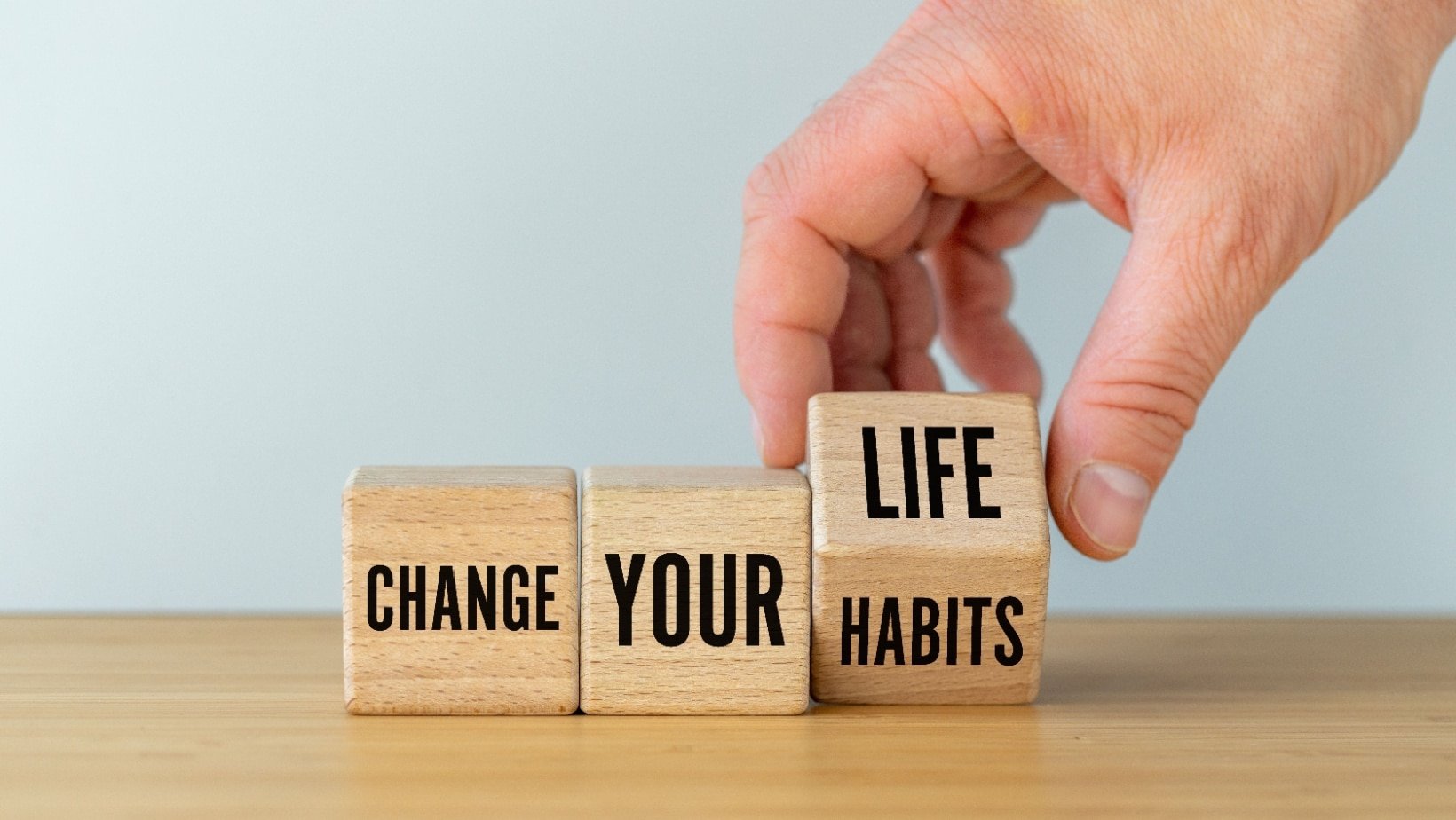
We all click on them with the hope that just THIS time the secret to changing a bad habit or adopting a healthy one will be revealed and we’ll finally be able to stick to that diet, stop that one or ten things that might in the moment make us feel temporarily good but really just make us fat, unhealthy, sad, mad or just frustrated with ourselves. 5 Easy Steps to Change Any Habit





