

Visiting places tied to Black history can feel like walking through someone else’s memories. These are the streets, buildings, and landmarks where joy, pain, triumph, and resistance shaped the story of millions. Each location holds power. Some make you reflect. Some make you cry. Others might just light a fire in your soul.
These sites go far beyond plaques and photos, whether you’re planning a big trip or just looking for a meaningful stop on your next vacation. They speak. They move. They matter. These 12 spots around the globe offer unforgettable experiences that bring Black history to life.
Robben Island, South Africa

Nelson Mandela spent 18 of his 27 years in prison on this island off the coast of Cape Town. Guided tours are often led by former inmates, adding gut-punch honesty to each story. The limestone quarry, the tiny cells, and the political graffiti all remind visitors that the fight for freedom demanded unimaginable sacrifice.
National Museum of African American History and Culture, Washington, D.C.

The Smithsonian museum has over 40,000 artifacts that capture centuries of Black American life. From Harriet Tubman’s personal shawl to Chuck Berry’s red Cadillac, every floor tells a story. It’s not just history in glass cases. It’s a deep dive into music, sports, civil rights, and culture that hits you in the gut and stays with you.
Gorée Island, Senegal

Just off Dakar’s coast, Gorée Island was once one of the largest slave-trading centers on the African continent. The House of Slaves and its Door of No Return stand as stark reminders of millions taken across the Atlantic. It’s quiet there. Heavy. People cry. Tourists whisper. It’s a space for reflection you don’t forget.
Legacy Museum and National Memorial for Peace and Justice, Montgomery, Alabama

Built on a former slave warehouse site, the Legacy Museum ties slavery to mass incarceration. A few blocks away, the memorial honors over 4,400 lynching victims in the U.S. with haunting steel monuments. According to the Equal Justice Initiative, some counties still haven’t acknowledged their role in racial terror. This space is pushing that change.
16th Street Baptist Church, Birmingham, Alabama

In 1963, a bomb planted by white supremacists killed four Black girls during Sunday school here. Today, the church is still active and welcomes visitors. Across the street, the Birmingham Civil Rights Institute provides context. The church’s stained-glass windows, especially the one donated by Welsh citizens showing a Black Jesus, are quietly powerful.
Black Cultural Archives, London, United Kingdom

Located in Brixton, this archive documents centuries of Black British history. From Windrush generation records to 1980s protest footage, it fills a gap many never realized existed. In a 2023 UK survey, 75% of respondents reported being unaware of Black people’s history. This place helps rewrite that narrative.
Whitney Plantation, Wallace, Louisiana

Unlike other plantations, Whitney centers on the enslaved people who lived and died there. Life-size statues of children, first-person narratives, and memorial walls shift the usual focus. No mint juleps or hoop skirts here. Just raw, human truth carved into stone and hearts alike.
African Burial Ground National Monument, New York City

Save this article
Discovered during construction in the 1990s, this site contains the remains of over 15,000 Africans buried during the 17th and 18th centuries. Most were enslaved. Today, a sleek memorial and visitor center stands downtown near City Hall, proving that even in the busiest parts of Manhattan, silence and respect have their place.
Cape Coast Castle, Ghana

Once a hub for the trans-Atlantic slave trade, this seaside fortress held enslaved Africans before they were shipped across the ocean. Touring its cramped dungeons, dark tunnels, and the infamous Door of No Return leaves a lasting ache. Many people visited Ghana in 2019, many of whom came for what was called the “Year of Return,” reconnecting with their ancestry and paying their respects.
Martin Luther King Jr. National Historical Park, Atlanta, Georgia

This site includes King’s birth home, the church where he preached, and his final resting place. It’s not just a tribute. It’s a reminder of how young he was, how far he walked, and how wide his impact stretched. His words echo here, not just through recordings, but through the people who continue to show up, year after year.
The Slavery Museum, Liverpool, United Kingdom

Liverpool was once a major slave-trading port. This museum doesn’t shy away from that. It tackles Britain’s role in slavery with brutal honesty. Interactive exhibits and survivor stories make it clear that the past isn’t over. According to the International Slavery Museum, millions of Africans were transported across the Atlantic during the transatlantic slave trade.
Haiti’s Citadelle Laferrière

Built after Haiti won independence from France, this massive fortress sits atop a mountain. It was constructed to defend the world’s first Black republic. Climbing the steep path to the top is tough, but locals will offer horse rides. Once you’re up there, the view is unreal. So is the pride. Haitian guides call it a symbol of freedom that still stands strong.
Disclaimer – This list is solely the author’s opinion based on research and publicly available information. It is not intended to be professional advice.
How Total Beginners Are Building Wealth Fast in 2025—No Experience Needed

How Total Beginners Are Building Wealth Fast in 2025
I used to think investing was something you did after you were already rich. Like, you needed $10,000 in a suit pocket and a guy named Chad at some fancy firm who knew how to “diversify your portfolio.” Meanwhile, I was just trying to figure out how to stretch $43 to payday.
But a lot has changed. And fast. In 2025, building wealth doesn’t require a finance degree—or even a lot of money. The tools are simpler. The entry points are lower. And believe it or not, total beginners are stacking wins just by starting small and staying consistent.
Click here and let’s break down how.
5 Easy Steps to Change Any Habit
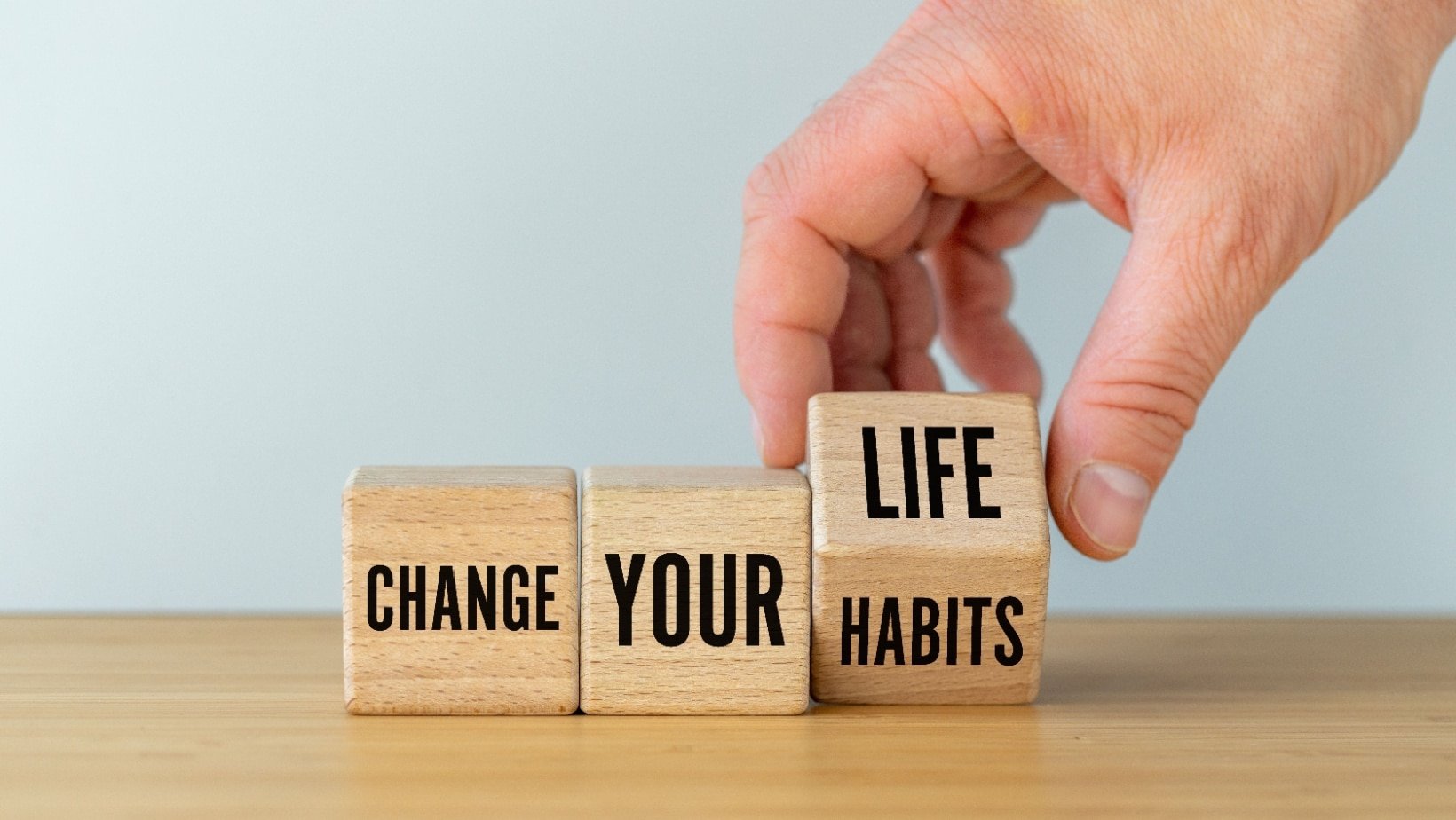
5 Easy Steps to Change Any Habit
We all click on them with the hope that just THIS time the secret to changing a bad habit or adopting a healthy one will be revealed and we’ll finally be able to stick to that diet, stop that one or ten things that might in the moment make us feel temporarily good but really just make us fat, unhealthy, sad, mad or just frustrated with ourselves.





