

Are you ready to shake up your plate? There is a wake-up call on what Americans eat.
With ultra-processed foods making up nearly 60% of the typical American diet, poor nutrition has become a national health burden.
The typical U.S. diet includes almost 60 percent ultra-processed, refined-grain, sugary, unhealthy, and fat-laden foods. Such decisions power appalling obesity levels–currently over 42 per cent of adults–as well as a scourge of heart disease, cancer, and diabetes that have resulted in the deaths of more than 678,000 citizens annually.
Shockingly, only 1.5% of Americans have what’s deemed an “ideal” diet. The Dietary Guidelines 2025 promotes abandoning added sugar, saturated oil, and excessive sodium and embracing colorful vegetables, fruits, whole grains, and plant protein. A survey commissioned by Research America indicates that 91% of Americans consider unhealthy food a problem in the United States. Still, most people face issues with access, affordability, and junk food marketing, making junk food hard to resist.
The good news? A study by News Medical shows that cutting ultra-processed foods may also increase weight loss by twice as much, improve attention, and tip the scales toward living longer and healthier.
Here we go, it is time to shake up your diet and look at a list of 18 foods you should bid farewell to so you can achieve positive vibes and excellent health!
Sugary Soda
Think fizzy, refreshing, and… packed with problems. A single serving of soda, such as a can, typically contains an amount of added sugar that your body doesn’t need in a whole day. Surplus sugar accumulates to support predisposition to obesity and diabetes, not to mention tooth caries.
That sweet fizzy stuff might taste nice in 10 seconds, but what about the trade-off? Not worth it. Opt for unsweetened iced teas, sparkling water, or simply water with a slice of lime instead.
Processed Meats
Hot dogs, deli sandwiches, and bacon all sound yummy, but they’re loaded with sodium, preservatives, and nitrites. Research has connected processed meat with the risk of cancer and heart disease. When gearing up for lunch, consider grilled chicken, plant-based options, or roasted vegetables as a quick source of protein.
Ultra-Processed Snacks
Never had a moment when you realized you had eaten a whole bag of chips? That’s not a coincidence. Ultra-processed snack foods, such as crackers, potato chips, and packaged pastries, are designed to override your feelings of satiety. What they are deficient in nutrition is replaced with calories, additives, and saturated fat. Nuts, seeds, and even air-popped popcorn are more filling and much healthier replacements.
White Bread
White bread appears harmless, yet refining the product removes the fiber and nutrients, and you are left with peaks and valleys of blood sugar. In the long term, high-refined grain-based diets are associated with increasing weight and chronic inflammation. Your sandwiches and toast can be turbo-charged with fiber when using whole-grain bread, quinoa, or sprouted grain.
Protein Bars and Shakes
Yes, these sound like an easy snack to eat after a workout, but most of them are filled with extra sugars, artificial flavors, and fillers. Reach for a handful of almonds, Greek yogurt, or hard-boiled eggs to satisfy your body’s natural protein needs without the added processed junk.
“Diet” or “Light” Products
Unhealthy food labels, such as low-fat, diet, and light food, have led people to believe they are doing themselves a favor by purchasing them. The reality? Such foods tend to offset the loss of fat by the addition of sugars, sodium, or other doubtful substances. Choose wholesome foods that are naturally good, rather than those with deceitful marketing phrases.
Packaged Baked Goods
Grab-and-go versions of muffins, cookies, and other baked items can save time, but they are often full of unnecessary sugar, artificial additives, and trans fats. Baking yourself is your way of deciding what goes into your desserts. And yes, you can still keep the chocolate chips.
Fried Foods
Crispy, golden, and habit-forming. Fried foods represent a dietary one-two punch of fats and calories, which puts one at risk of heart disease and even growing old before their time. Roasted, grilled, or air-fried versions will provide the crunch without the grease.
Fast Food Meals
Fast food is easy and is sometimes loaded with out-of-this-world quantities of sodium, sugars, and trans fats. It is easy to think of a drive-thru during a hectic day, but consider pre-cooking easy meals at home instead. Bonus? You’ll save a few bucks, too.
Candy and Sweets
One bite, two bites, three bites, and before you know it, you have eaten all your sugar rations in a week. Although having a sweet treat now and then is just fine, reducing sweets can help cut down cravings and support overall health. When your sweet tooth strikes, go after fresh or dried fruit.
Frozen Meals
Thin lasagna or stir-fry trays may appear as a savior on hectic evenings, but in most cases, they are filled with excessive salt and preservatives. When you are in a time crunch, consider using fresh ingredients to prepare your freezer-ready meals as a healthier alternative.
Flavored Yogurts
That fruit-on-the-bottom swirl in your yogurt cup? It’s mostly just sugar. Glassy or unsweetened yogurt, fresh fruit, or honey drizzled on top equals all the creaminess with a far lower amount of empty calories.
You can enjoy the same taste, but now you have so much more control over what you are putting into your snack!
Save this article
Energy Drinks
Need an afternoon pick-me-up? Energy drinks should give you a caffeine boost, but also contain stimulants and sugar that are not good for the heart. A simple cup of green tea, black coffee, or even a fresh air walk can get you started, without the jittery crash back.
Fancy Coffee Drinks
These are the lattes and the frappuccinos with whipped cream and caramel drizzle. They might be gorgeous looking (and delicious), but they are insidious calorie bombs. Make your coffee yourself with a splash or a shake of milk or cinnamon, and this will be much lighter to drink.
Canned Soup
But they’re a sodium central. Taking an excess of salt may increase your blood pressure over time. Experiment with homemade soups or low-sodium versions when possible.
Sugar-Loaded Breakfast Cereals

Sure, it says “breakfast,” but some cereals have as much sugar as dessert! These are elevators of your blood sugar and will have you feeling sluggish mid-morning. Nuts and berry-topped oatmeals or smoothies are good, healthy substitutes.
Margarine
Some margarine products are still made with trans fats, raising “bad” cholesterol and lowering the “good.” Consider healthier alternatives like olive oil, avocado oil, or butter, but in moderation, for more nutritious cooking options and spreads.
Not only are these alternatives delicious in taste, but they are also healthier in fats, promoting good heart health.
Processed Cheese Products
Single-sliced packages of cheese may never spoil in your refrigerator, but their plastic-like texture speaks volumes. Natural cheese, comprising only milk and enzymes, will always be a superior food source in terms of taste.
To choose a healthier cheese, look for options with a short list of ingredients and avoid those containing many additives or artificial food coloring.
Key Takeaway
It makes a difference what you stack on your plate–not only in waistline and energy levels but also in future health. Replacing ultra-processed, sodium-soaked, or sugar-dense foods with more natural foods is not only ideal for relieving short-term feelings, but it also offers other benefits.
It has the capability of changing your long-term well-being through a single, considerate decision. Begin with something small, be consistent, and keep in mind that each meal is an opportunity to do a good thing for yourself. Bon appétit!
More articles:
- 12 fruits that contain more vitamin C than oranges
- 12 reasons dragon fruit may be one of the healthiest fruits you’re not eating enough of
- Starting Your First Garden? Here Are the 10 Easiest Vegetables to Grow
The Best Root Vegetables for Better Vision
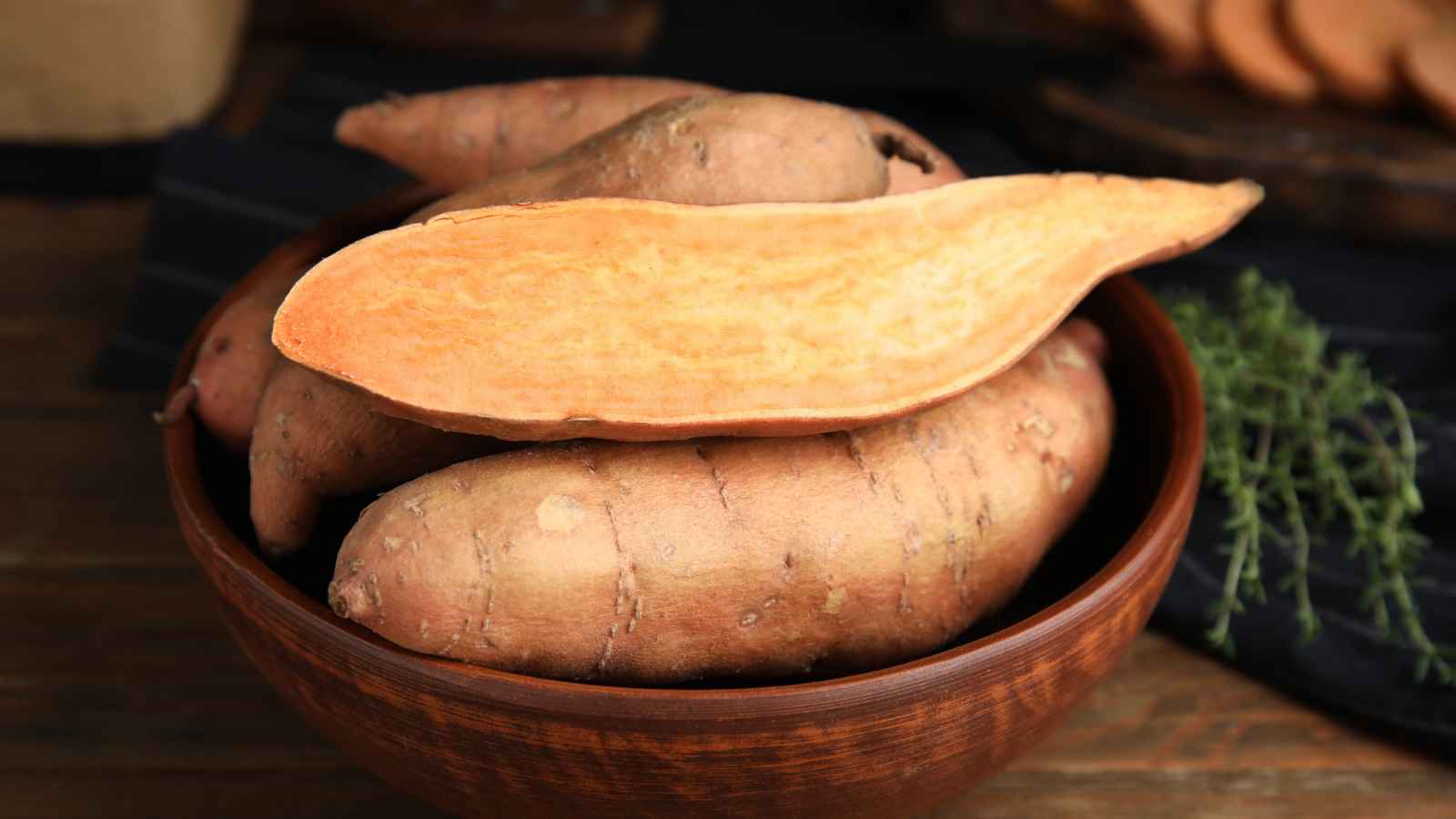
Around the world, most conversations about eye health focus on things like glasses, screen time, or supplements. But in public-health circles, the story actually starts much deeper—literally underground. Root vegetables, especially the ones loaded with carotenoids, play a major role in keeping our eyes healthy.
Vitamin A deficiency is still the leading cause of preventable childhood blindness around the globe, according to the World Health Organization. It contributes to an estimated 250,000 to 500,000 cases every year, especially in places where people don’t have access to foods rich in provitamin A. Learn more.
Common spices linked to colon cancer prevention

In the quiet routine of seasoning a meal, you may be adding small, powerful defenses against one of the most common cancers.
Your spice rack might actually be hiding some powerful health benefits. It turns out that a handful of common pantry staples pack a serious punch against serious illnesses. Medical researchers are looking closely at how everyday seasonings can fight back against cellular damage in the digestive tract. Learn more.
Which protein is actually better for arthritis, plant or animal?
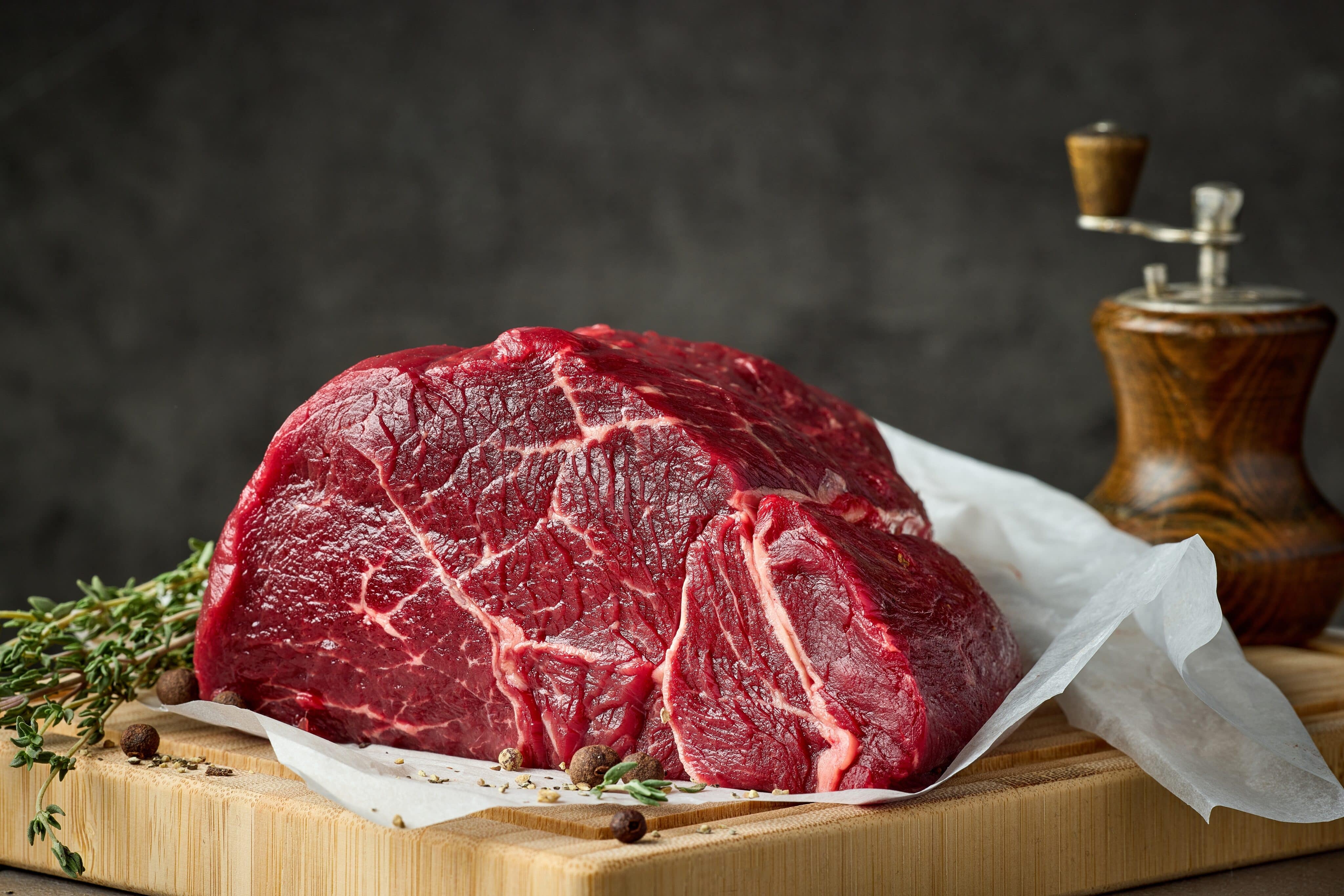
With more than 53 million Americans living with arthritis, emerging research points to nutrient balance—not protein source alone—as the real driver of bone and joint health.
CDC estimates from 2019–2021 show about 21.2% of US adults (around 53.2 million people) report a doctor’s diagnosis of some form of arthritis (including osteoarthritis, rheumatoid arthritis, gout, lupus, etc.). Osteoarthritis (OA) is the most common joint disorder in the US (over 32.5 million US adults live with it), mainly affecting knees, hips, hands, and spine. Learn more.





