

Do you really know your own body? You probably learned a lot in school, but there’s a lot more to know. Your body is like a super amazing machine, and it has some big secrets.
For example, water makes up about 60% of an adult’s body weight. Also, the average adult has about 60,000 miles of blood vessels inside them. That is a very long way!
Our bodies do so many cool things we don’t even think about. Let’s look at 17 facts about your body you weren’t taught in school.
You Are Taller in the Morning

You are a tiny bit taller when you first wake up in the Morning. This happens because the soft parts between the bones in your spine relax and stretch out all night. Throughout the day, as you walk and stand, the force of gravity squishes them back down.
By the end of the day, you lose a tiny bit of height. This is a neat trick your body does every single day.
The Power of Your Stomach Acid

Your stomach acid is so strong that it can dissolve metal. It helps your body break down food. But how does it not dissolve your own stomach?
A special layer of mucus protects the stomach lining from the acid. A new layer of mucus is constantly produced to keep your stomach safe.
If the acid touches your stomach wall, it can cause a stomach ulcer. Your body has a special way to keep itself secure.
You Have More Bones When You’re Born

When you are a baby, you have more bones than you do as an adult. Babies are born with about 300 bones. But as you grow up, some of your bones fuse.
This is a natural process. When you become an adult, you only have 206 bones. For example, the bones in your skull fuse to make one strong bone.
Your Brain Uses a Lot of Energy

Even when you are just resting, your brain uses a tremendous amount of energy. It is a potent computer. The human brain only makes up about 2% of your total body weight, but it uses about 20% of your body’s energy.
This energy is used to help you think, feel, and move. So, your brain is always working hard, even when you are asleep.
The Length of Your Blood Vessels
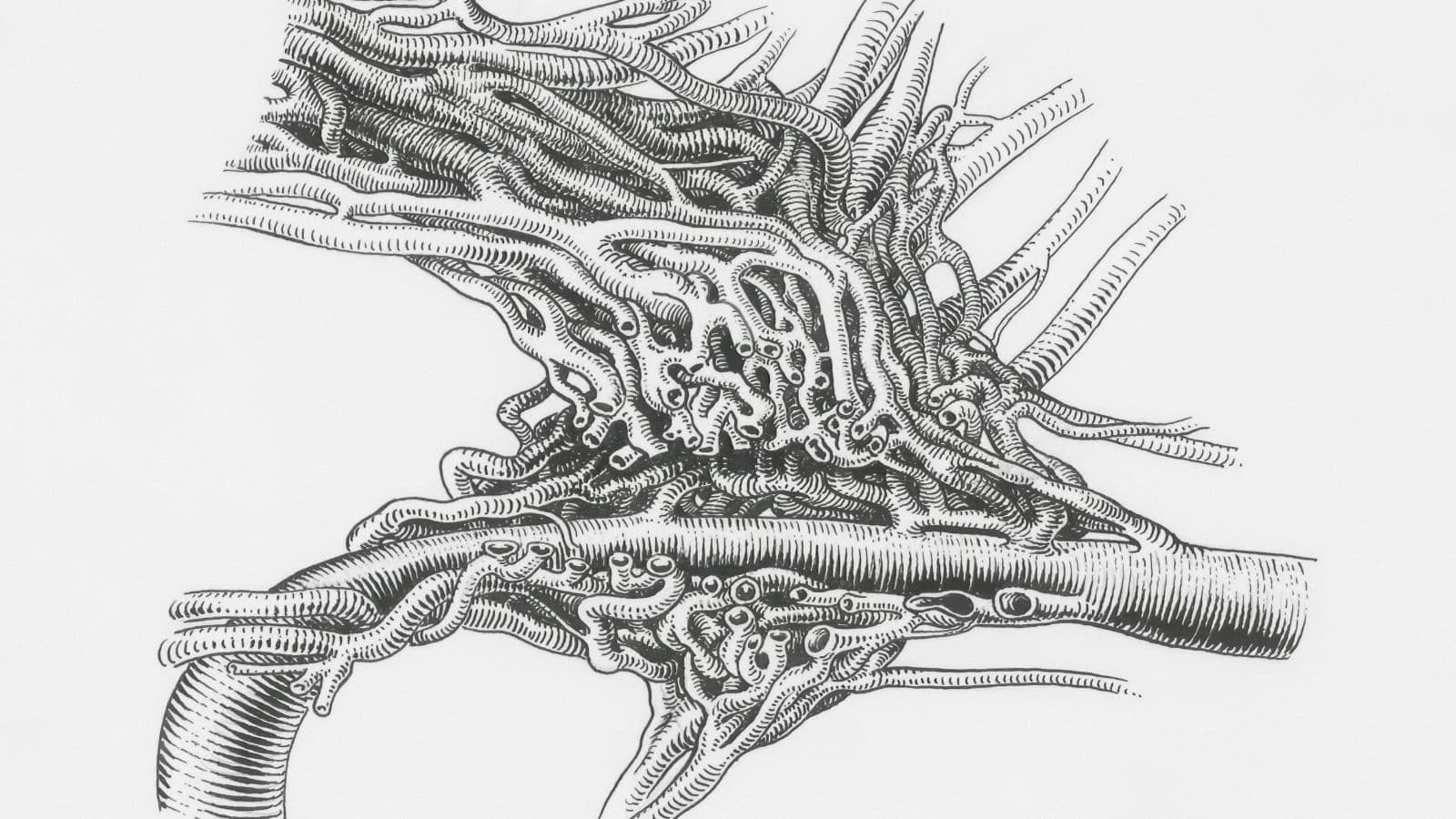
If you stretched out all the blood vessels in an adult’s body, they would be very, very long. The average adult has about 60,000 miles of blood vessels. This is long enough to go around the Earth more than two times.
These blood vessels carry blood to every part of your body. They are a big highway system.
Your Fingerprints are Unique

Everyone in the world has a unique set of fingerprints. No two people have the same pattern of lines on their fingers. Your fingerprints stay the same for your entire life.
Even as you get older, the patterns on your fingers do not change. This is why police use fingerprints to find people. They are a special part of you.
The Size of Your Small Intestine

The name “small intestine” is a bit of a trick. It is called that because it is not as wide as your large intestine. But it is very long.
The small intestine is about 22 feet long in an adult. That is longer than most cars! It helps your body absorb all the nutrients from your food.
The Number of Taste Buds

You might think you have a lot of taste buds, but your tongue only has about 2,000 to 4,000 taste buds. They help you taste sweet, salty, sour, and bitter. Your sense of taste gets weaker as you get older.
Also, the taste buds on your tongue only last about two weeks before new ones grow. They are constantly changing.
The Fastest Muscle in Your Body

Save this article
The fastest muscles in your body are in your eyes. They help your eyes move quickly. These muscles let your eyes blink and move to look at things.
Your eyes can move faster than any other muscle. This helps you see the world around you.
The Amount of Sweat Glands

Your skin has millions of tiny holes called sweat glands. These glands help your body stay cool. The average person has about 2 to 4 million sweat glands.
You sweat to get rid of heat. This keeps your body from getting too hot. Sweat is a meaningful way your body maintains its normal temperature.
Your Skin is Your Largest Organ

Your skin is an essential part of your body. It is your biggest organ. It protects your insides from germs and keeps water in your body.
For an average adult, your skin has a surface area of about 22 square feet and weighs about 8 pounds. This is why you need to take good care of your skin.
You Shed a Lot of Skin

You lose old skin cells all the time. Your body makes new ones to take their place. You shed about 30,000 to 40,000 dead skin cells every minute.
Over a lifetime, that’s a lot of skin! This is a natural process. Your body is constantly replacing old cells with new ones.
Your Heart is Very Strong

Your heart is a powerful muscle. It pumps blood all over your body without ever stopping. Your heart pumps about 2,000 gallons of blood every day.
That is enough to fill a small truck! This fantastic work keeps you alive. It’s the most powerful muscle in your body.
Your Body Glows in the Dark

Your body makes a minimal amount of light. We cannot see it with our eyes. This light is a part of the chemical reactions happening inside your body.
Scientists used special cameras to see this light. We make the most light in the afternoon. This is a very remarkable fact about your body.
Your Brain Is a Supercomputer
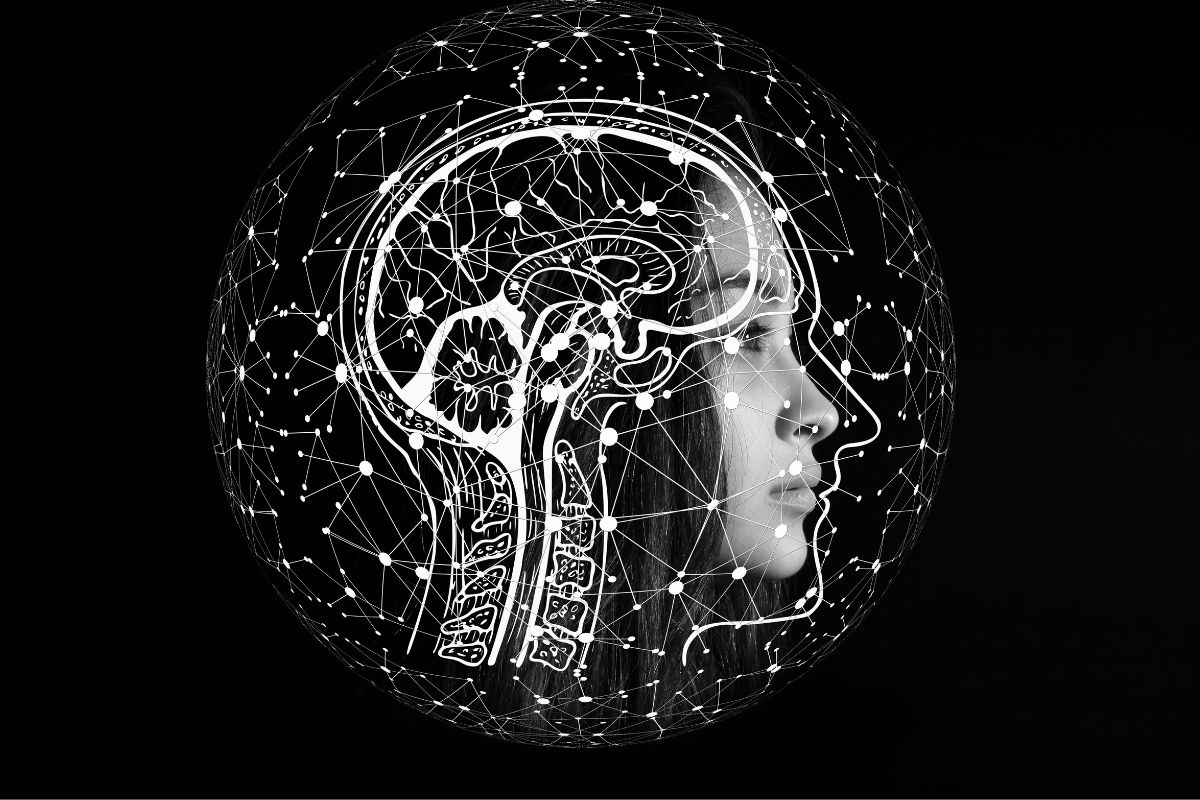
Your brain has more connections than the stars in the Milky Way. It has about 100 billion neurons, which are brain cells. Each of these neurons can connect to many others.
This allows your brain to do amazing things. It helps you think, learn, and feel.
The Amount of Air You Breathe

You breathe in and out without thinking about it. An average person takes about 20,000 breaths a day. That is a lot of air!
Your lungs work all the time to get oxygen for your body. This fantastic work keeps you alive.
The Sense of Smell

You have a perfect sense of smell. You might think it is not as strong as a dog’s, but it is still very powerful. Scientists believe you can smell over 1 trillion different scents.
Your nose has millions of special cells that help you smell. This sense enables you to avoid bad food and other dangers. It is an essential part of your life.





